生物科技

Search documents
富豪财富暴增6000亿!帮主郑重:看懂背后,普通人也有路
Sou Hu Cai Jing· 2026-01-05 06:20
朋友们,一个让人瞠目结舌的数据:全球十大富豪,去年财富暴涨了整整5790亿美元! 这比亚马逊的 整个市值还高。我是帮主郑重,当我们还在为账户几个点的波动操心时,顶级财富的膨胀已经进入了另 一个维度。 第一, "看长做长" :放弃纯粹的短线博弈,深入研究并长期持有那些定义未来的产业龙头。 第二, "借船出海" :通过相关主题的优质基金(ETF),分散布局整个黄金赛道,分享行业成长红 利。 第三, "保持在场" :财富的指数级增长需要时间。就像SpaceX估值从4000亿到8000亿的翻倍,需要的 是在正确的方向上,保持耐心和定力。 顶级富豪的财富地图,其实就是一张全球产业变革的导航图。看懂它,不是为了仰望,而是为了找到我 们普通人前行的路。 关注帮主郑重,一起穿透财富表象,把握产业内核。 看看首富马斯克,身家一年激增1870亿,核心是特斯拉与SpaceX。这不是炒股的运气,而是牢牢站在 了电动汽车、商业航天这两大产业浪潮的顶峰。谷歌两位创始人的财富增长也超千亿,背后是AI浪潮 下公司股价65%的飙升。他们的故事告诉我们一个冰冷的事实:财富的巨幅增长,越来越依赖对核心产 业与顶尖公司的垄断性持有。 所以,我的核心 ...


中经评论:香港金融屡创新高的密码
Jing Ji Ri Bao· 2026-01-04 00:31
Group 1 - The core viewpoint of the articles highlights the robust performance and resilience of Hong Kong's financial market in 2025, with record transaction volumes and significant capital inflows [1][2][4] - Hong Kong's stock market ranked first globally in fundraising, with a total of 117 companies listed, raising a total of 285.7 billion HKD, and four companies making it to the global top ten IPOs [1] - The average daily trading volume in the cash market reached 230.7 billion HKD, representing a 43% year-on-year increase [1] Group 2 - The first key factor contributing to this success is the surge in major technological innovations from mainland China, particularly in artificial intelligence, quantum information, biotechnology, and new materials, which have boosted global investor confidence [2] - The second factor is the facilitation of financing for technology companies through regulatory changes, including the launch of the "Tech Company Fast Track" and the introduction of the Hang Seng Biotechnology Index futures [3] - The third factor involves expanding international connections, with Hong Kong attracting issuers from various regions, including Kazakhstan, Singapore, Thailand, and the UAE, and establishing offices in Riyadh and Dubai to enhance commodity trading [4]

【香江观察】香港金融屡创新高的密码
Jing Ji Ri Bao· 2026-01-03 23:11
Core Insights - Hong Kong's financial market demonstrated robust vitality and resilience in 2025, with record transaction volumes across multiple projects, leading to a significant increase in new stock market financing, which ranked first globally [2] Group 1: Market Performance - The average daily trading volume in the cash market reached HKD 230.7 billion in the first 11 months, representing a 43% year-on-year increase [2] - A total of 117 companies were listed on the Hong Kong Stock Exchange (HKEX) in 2025, raising a total of HKD 285.7 billion, with four companies making it to the global top ten new stocks [2] - HKEX-listed companies raised USD 66 billion through refinancing, highlighting the expansive nature of Hong Kong's capital market [2] Group 2: Factors Driving Growth - The first key factor is the surge in major technological innovations from mainland China, particularly in artificial intelligence, quantum information, biotechnology, new energy, and new materials, which have significantly boosted global investor confidence [3] - The second key factor is the facilitation of financing for technology companies through modified listing rules, including the launch of the "Tech Company Fast Track" in May 2025, which allows innovative firms to raise funds more effectively [4] - The third key factor is the expansion of international financial connections, with HKEX attracting issuers from various regions, including Kazakhstan, Singapore, Thailand, and the UAE, and establishing partnerships to enhance its global presence [5]
香港金融屡创新高的密码
Jing Ji Ri Bao· 2026-01-03 22:00
Core Insights - Hong Kong's financial market demonstrated robust vitality and resilience in 2025, with record transaction volumes across multiple projects, leading to a significant increase in the IPO financing amount, which ranked first globally [2] Group 1: Market Performance - The average daily trading volume in the cash market reached HKD 230.7 billion in the first 11 months, representing a 43% year-on-year increase [2] - A total of 117 companies were listed on the Hong Kong Stock Exchange (HKEX) in 2025, raising a total of HKD 285.7 billion, with four companies making it to the global top ten IPOs [2] - HKEX-listed companies raised USD 66 billion through refinancing, highlighting the expansive nature of Hong Kong's capital market [2] Group 2: Factors Driving Growth - The first key factor is the surge in major technological innovations from mainland China, particularly in artificial intelligence, quantum information, biotechnology, new energy, and new materials, which have significantly boosted global investor confidence [3] - The second key factor is the facilitation of technology companies' access to capital markets, with HKEX modifying listing rules to ease the process for tech firms, including the launch of the "Tech Company Fast Track" in May 2025 [4] - The third key factor is the expansion of international financial connections, with HKEX attracting issuers from various regions, including Kazakhstan, Singapore, Thailand, and the UAE, and establishing new partnerships to enhance its global presence [5]
鑫元基金年度展望:创科双指领涨超40%,2026市场主线看这里!
Xin Lang Cai Jing· 2025-12-31 14:37
Core Viewpoint - The A-share market in 2025 experienced a clear slow bull trend, driven by policy support and ample liquidity, with major indices showing significant gains [1][2][18]. Market Performance - By the end of 2025, the Shanghai Composite Index rose by 18.41%, the Shenzhen Component Index increased by 29.87%, the ChiNext Index surged by 49.57%, and the Sci-Tech Innovation Board Index recorded a 46.30% increase [1][2][18]. - The bond market exhibited an N-shaped fluctuation, with the 10-year government bond yield operating within the range of 1.6% to 1.9% throughout the year [1][2][18]. Market Drivers - The rise in the A-share market was primarily driven by valuation recovery and capital influx, with the overall valuation at historical lows and favorable policies leading to significant revaluation [2][18]. - Ample liquidity from a loose domestic monetary policy and relatively low market interest rates enhanced the attractiveness of equity assets, with long-term funds such as public funds and insurance capital accelerating their market entry [2][18]. Sector Performance - The A-share market in 2025 displayed notable structural differentiation, with technology growth sectors like AI, semiconductors, new energy vehicles, and robotics leading the market, benefiting from strong policy support and high industry prosperity [2][19]. - Traditional cyclical and value sectors, such as banking and coal, lagged behind due to weak fundamentals or valuation pressures, resulting in limited gains and occasional adjustments [2][19]. Outlook for 2026 - The A-share market is expected to continue its upward trajectory, transitioning from valuation-driven to profit-driven growth, focusing on fundamental improvements and verification of economic prosperity [3][20]. - The market style is anticipated to shift from a growth-dominant approach to a more balanced one, with opportunities for both growth and value styles, leading to potential frequent rotations and differentiation [3][20]. Industry Configuration - The industry configuration in 2026 is likely to present a "blooming" scenario, with the technology innovation sector, particularly the AI industry chain, remaining a star performer [3][20]. - High-end manufacturing and new energy sectors are identified as crucial engines for economic growth, benefiting from national strategies and global supply chain restructuring [4][20]. Investment Strategy - Investment strategies should align with national strategic directions and policy guidance, balancing short-term performance realization with long-term growth potential, and dynamically adjusting industry allocation ratios to navigate complex market environments [5][21].
科技赋能发展 安徽林业跑出“加速度”
Xin Lang Cai Jing· 2025-12-29 06:53
Group 1 - The core viewpoint of the articles highlights the integration of advanced technologies such as artificial intelligence and biotechnology into forestry protection and development in Anhui Province, achieving a dual win in ecological protection and industrial upgrading [1][3] Group 2 - Anhui has introduced artificial intelligence in forest fire prevention, establishing China's first pilot province for grid-based forest fire management, creating a new model that combines "forest chief system + grid management + artificial intelligence + low-altitude economy" [1] - The province employs cutting-edge technologies like transcriptomics, genomics, and proteomics to tackle the challenges of controlling pine wood nematode disease [1] - Through multi-source heterogeneous data fusion and AI analysis, Anhui has achieved real-time dynamic monitoring of 8 national nature reserves and 29 national wetland parks, ensuring precise management of key resources such as wild flora and fauna and ancient trees [1] - The restoration of the Chao Lake Eighteen Lianwei Wetland has been recognized as an excellent case in the "United Nations Decade on Ecosystem Restoration" [1] Group 3 - Anhui has launched a "forestry farmers order, experts deliver" technology service, selecting 1,121 forestry technology specialists across the province to explore AI applications in key areas such as tree planting, resource management, and product processing [3] - The province is exploring a new model of "digital nomad base + forest health destination" to create an integrated service chain of "digital office + health leisure," attracting high-quality talent for product development and e-commerce marketing [3] - This initiative aims to cultivate a new generation of "new forestry people" who understand forestry, market dynamics, and branding, promoting a better combination of investment in materials and investment in people [3]

“隐形金主”崛起:家族办公室在华尔街重塑资本版图
Huan Qiu Wang· 2025-12-27 01:00
Group 1 - The core viewpoint of the article highlights the explosive growth of family offices, with global wealth under management reaching approximately $5.5 trillion, a 67% increase over the past five years, and projected to exceed $9 trillion by 2030 [2] - Family offices are no longer exclusive to ultra-wealthy individuals like Bill Gates and Jeff Bezos; families with net worths of tens of millions to over a billion dollars are increasingly establishing their own offices or opting for multi-family office models [2][3] - The number of single-family offices has surpassed 8,000, a one-third increase since 2019, and is expected to exceed 10,000 by 2030, indicating a growing trend where having a family office is becoming a status symbol among ultra-high-net-worth individuals [2] Group 2 - Family offices possess unique advantages in investment, including long investment horizons, concentrated risk appetites, and short decision-making chains, allowing them to compete directly with major institutions like Blackstone and KKR in large mergers and private equity transactions [3] - Unlike traditional institutional investors, family offices prioritize long-term vision and sector judgment over frequent performance assessments and risk control measures, making them attractive to entrepreneurs and asset managers [3] - Family offices also serve as central systems for family life, managing global asset allocation, charitable donations, art collections, and even personal services like private jet management [3] Group 3 - A notable trend is the formation of alliances among family offices, where they share investment leads and participate in transactions together, creating "family investment clubs" to enhance bargaining power for better terms [4]

手握5.5万亿美元巨资,飞速崛起的华尔街大金主:家族办公室!
Hua Er Jie Jian Wen· 2025-12-26 06:07
Core Insights - Family offices are rapidly emerging as significant players in the capital markets, managing approximately $5.5 trillion in global wealth, with projections to reach $6.9 trillion this year and exceed $9 trillion by 2030 [1][3] - The number of single-family offices has surpassed 8,000 globally, reflecting a one-third increase since 2019, and is expected to exceed 10,000 by 2030 [1][2] Group 1: Growth and Market Position - Family offices are experiencing explosive growth, with a 67% increase in wealth management over the past five years [1] - They are becoming competitive with major investment firms like Blackstone and Apollo in large mergers and private equity transactions [3] - The trend of family offices is shifting from being exclusive to ultra-wealthy individuals to including families with net worths in the tens of millions to over a billion dollars [1][2] Group 2: Investment Characteristics - Family offices have unique advantages such as not being required to disclose financials or appease external investors, allowing for greater investment freedom [3] - They focus on long-term visions and are less concerned with short-term performance metrics, making them attractive to entrepreneurs [4] - Investment cycles can extend up to 10 to 20 years, with a concentrated risk appetite and a streamlined decision-making process [4] Group 3: Comprehensive Wealth Management - Beyond investment, family offices serve as central systems for family life management, including global asset allocation, charitable donations, and personal services [5] - Over 20% of family offices with assets exceeding $500 million employ art advisors, indicating a trend towards integrating lifestyle management with investment [5] - Family offices are forming alliances to share investment insights and participate in transactions collectively, enhancing their bargaining power [5]
科技部党组人民日报撰文:一体推进教育科技人才发展,加快实现高水平科技自立自强
Xin Lang Cai Jing· 2025-12-26 00:35
Group 1 - The article emphasizes the importance of integrating education, technology, and talent development as part of the strategic planning for the next five years, as outlined in the 20th National Congress [1] - It highlights the need for a coordinated mechanism to ensure the comprehensive leadership of the Party in the reform and development of education, technology, and talent [1] - The article calls for the alignment of policies and resources to support key industries and promote collaborative talent development and research projects [1] Group 2 - The article discusses the establishment of a national strategic technology force and the implementation of major technology tasks to foster autonomous innovation and talent cultivation [2] - It stresses the importance of building high-level talent teams and promoting organized scientific research and systematic talent training [2] - The integration of technological innovation with industrial innovation is highlighted as a means to strengthen the modern industrial system [2] Group 3 - The article outlines the need for a talent cultivation model that addresses urgent and scarce talent requirements, particularly in strategic fields like AI and biotechnology [3] - It advocates for the enhancement of educational programs and the establishment of high-level research platforms to support talent development [3] - The focus is on improving the training of STEM talents and fostering collaboration between universities and enterprises [3] Group 4 - The article emphasizes the optimization of the national strategic talent system to build a strong team for technological self-reliance [4] - It discusses the identification and cultivation of high-level, multidisciplinary talents with potential as strategic scientists [4] - The article calls for mechanisms to support young talents and enhance their career development [4] Group 5 - The article proposes reforms in evaluation and incentive systems to motivate scientific personnel to engage in national development [5] - It suggests the establishment of a classification evaluation system that aligns with the nature of scientific research and talent growth [5] - The article highlights the importance of creating a supportive environment for researchers and facilitating talent mobility between academia and industry [5]
李嘉诚、李泽钜联手重排长和:210亿美元大腾挪
3 6 Ke· 2025-12-25 12:11
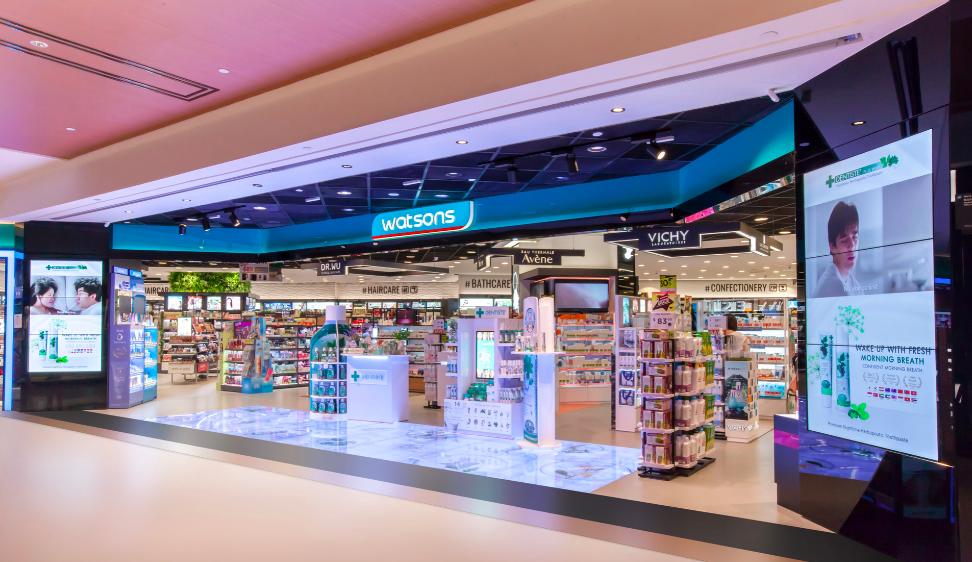
Core Viewpoint - In 2025, CK Hutchison Holdings (长和) is undergoing a significant asset restructuring involving over $21 billion, which includes divesting minority stakes in 43 global ports and plans for dual listings of Watsons in Hong Kong and London, aiming to unlock logistics asset value and generate over $19 billion in cash [1][2][3]. Group 1: Asset Restructuring - The restructuring is led by Li Ka-shing and his son, Li Zeju, marking the most substantial asset reorganization in decades, with a transaction scale exceeding $21 billion (approximately HKD 164 billion) [2]. - CK Hutchison is selling minority stakes in 43 global ports, with preliminary agreements formed with consortiums including BlackRock, with the transaction value estimated between $19 billion to $23 billion [3]. - The port asset sale aims to enhance liquidity and reduce exposure to risks associated with trade tensions and geopolitical uncertainties, with an expected cash return of over $19 billion after repaying some shareholder loans [3]. Group 2: Telecommunications and Retail - The telecommunications segment is being evaluated for independent listing or partial sale to convert high capital expenditures in 5G infrastructure into liquid capital, improving balance sheet flexibility [3]. - Watsons Group plans to dual list in Hong Kong and London, aiming to raise at least $2 billion, following an 8% growth in the first half of 2025, seen as a move to capitalize on favorable market conditions [5]. Group 3: Strategic Shifts - The Li family has increased its stake in Cheung Kong Holdings to 49% to strengthen control, with funds shifting from heavy assets affected by geopolitical regulations to lighter asset sectors like AI and biotechnology [2][7]. - The strategy reflects a shift towards "heavy real estate defense and light asset expansion," with a focus on generating liquidity from divesting non-core businesses [6][9]. Group 4: Challenges and Execution - The execution of the $21 billion port transaction is considered challenging due to regulatory approvals and the complexity of cross-border asset transactions [10][11]. - Market perceptions of the restructuring are mixed, with concerns about the potential for "discounting" due to the complexity of CK Hutchison's diversified business structure [13]. Group 5: Future Outlook - The restructuring is viewed as a "capital blood transfusion," allowing the Li family to exchange heavy assets for significant cash reserves, potentially providing strategic flexibility for future growth opportunities [17].