
能源保供

Search documents
能源企业 筹措资源 提前部署 力保能源供应安全稳定
Shang Hai Zheng Quan Bao· 2026-01-20 18:53
Group 1: Energy Supply and Demand - A new cold wave has led to a significant increase in electricity load across multiple regions, with Jiangsu's peak load reaching 128 million kilowatts, an increase of 18.5% from the previous day [2] - Shandong's electricity load set a winter record, reaching 111.09 million kilowatts and 115.995 million kilowatts on consecutive days [2] - Hebei's maximum load also hit a winter high of 52.294 million kilowatts due to adverse weather conditions [2] Group 2: Energy Supply Measures - Energy companies are intensifying efforts to ensure stable power supply, including enhanced inspections and maintenance of grid facilities [2] - Shenergy Group has updated over 2400 kilometers of aging gas pipelines in Shanghai to ensure reliable gas supply [3] - The Zhejiang Anji Power Plant, with a total capacity of 1686 megawatts and an efficiency of 64.15%, has commenced full operation to support winter electricity demand [3] Group 3: Fuel Production and Supply - In December 2025, China's industrial raw coal production reached 4.83 billion tons, a year-on-year increase of 1.2%, indicating a relatively loose supply-demand relationship [4] - Major coal companies are ramping up coal production and transportation to ensure supply [4] Group 4: Natural Gas Supply - The natural gas demand for the current heating season is projected to be between 206.1 billion and 210.1 billion cubic meters, a year-on-year increase of 3.2% to 5.2% [5] - China Petroleum's Longqing Oilfield is supplying over 16 million cubic meters of natural gas daily to meet demand in over 50 cities [6] - Intelligent monitoring systems are being utilized to enhance the safety and efficiency of gas supply during extreme weather conditions [6]



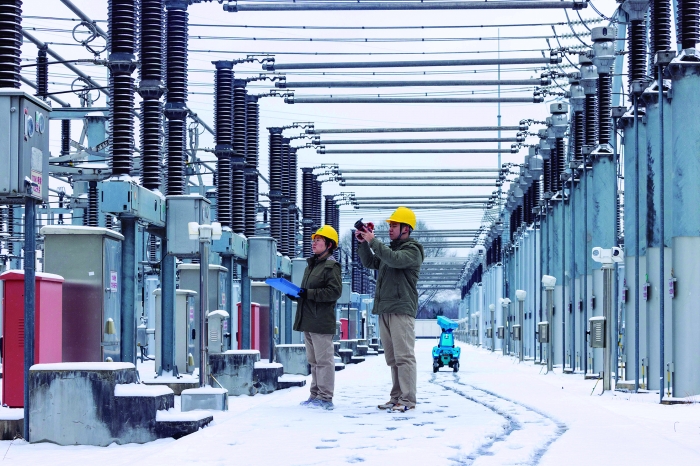
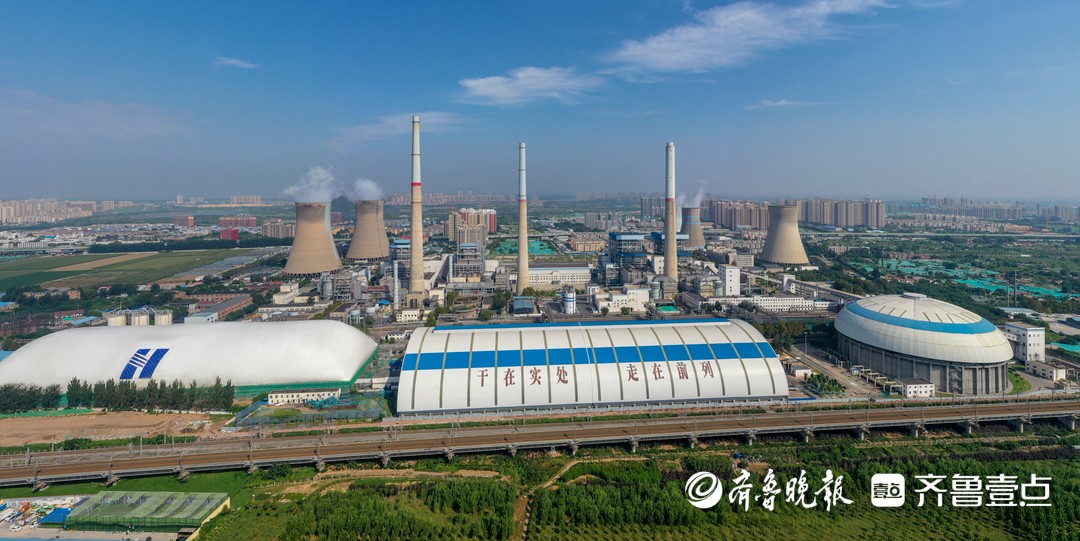
暖流涌动护泉城——黄台电厂2025-2026供热季保供纪实
Qi Lu Wan Bao· 2026-01-20 01:28
Core Viewpoint - Huangtai Power Plant is committed to ensuring energy supply stability and safety during the winter season, focusing on safety management, equipment reliability, and party leadership to protect the well-being of the citizens in Jinan [1]. Group 1: Safety Management - The plant has intensified inspections for cold weather vulnerabilities, increasing the frequency of checks on critical systems and equipment to ensure operational safety [3][4]. - A "Thunder Action" initiative has been launched to address safety weaknesses, focusing on human error prevention and enhancing safety culture across the organization [4]. - The plant emphasizes a proactive approach to safety, ensuring that all personnel are engaged in maintaining a safe working environment [4]. Group 2: Equipment Reliability - The plant has successfully completed five major maintenance tasks before the heating season, significantly improving the health of its units and establishing a robust foundation for energy supply [6]. - Daily inspections have been enhanced, focusing on both main and auxiliary equipment, with a systematic approach to identifying and addressing potential issues [6]. - Advanced monitoring tools, such as infrared thermometers and precision vibration meters, are utilized to detect early signs of equipment failure, ensuring timely intervention [6][7]. Group 3: Party Leadership and Teamwork - The plant's party committee has initiated a "Defect Reduction and Non-Stop Control" campaign, establishing 83 demonstration teams to integrate party activities into energy supply efforts [8]. - Political education and technical training are combined to enhance skills and promote a culture of safety and efficiency among employees [8]. - The active participation of party members in identifying and rectifying defects has led to significant improvements in operational safety and efficiency [9].
凛冬保供进行时!“地下尖兵” 筑牢能源生命线
Zhong Guo Neng Yuan Wang· 2026-01-19 08:11
凛冬已至,民生供暖进入关键窗口期。能源保供,是关乎千家万户温暖的"头等大事"。神东煤炭补连塔 煤矿开足马力保生产,该矿综采二队12417工作面复杂地质条件给煤炭开采带来严峻考验。面对挑战, 综采二队全体干部职工化身"地下尖兵",以精准高效的硬核举措攻坚克难,在百米井下筑牢坚实的能源 保供生命线,用担当与坚守,守护万家冬日暖意。 ...
国家统计局:2025年规模以上工业发电量97159亿千瓦时,比上年增长2.2%
Guo Jia Tong Ji Ju· 2026-01-19 04:33
Group 1: Energy Production and Supply - In 2025, energy production in China continues to grow steadily, with major energy products such as coal, oil, gas, and electricity reaching historical highs, enhancing energy supply security [1] - The industrial raw coal output reached 4.83 billion tons, marking a 1.2% increase from the previous year [1] - The crude oil output from industrial enterprises reached 21.6 million tons, a 1.5% increase year-on-year, maintaining over 200 million tons for four consecutive years [2] Group 2: Clean Energy Development - The construction of clean energy is accelerating, with hydropower, nuclear, wind, and solar power installations continuously increasing, and coal-fired power units undergoing significant upgrades [2][3] - Renewable energy generation reached 34,213 billion kilowatt-hours, an 8.8% increase from the previous year, accounting for 35.2% of total industrial power generation, up 2.1 percentage points [3] Group 3: Green Transition and Energy Efficiency - Under the "dual carbon" goals, China is actively promoting a green and low-carbon energy transition, with the proportion of coal consumption continuing to decline and clean energy consumption steadily increasing [3] - By 2025, the share of non-fossil energy in total energy consumption increased by approximately 2 percentage points, surpassing oil to become the second-largest energy type [3] - The total energy consumption in society is projected to grow by 3.5% year-on-year, with energy consumption per unit of GDP expected to decrease by over 5% [3]
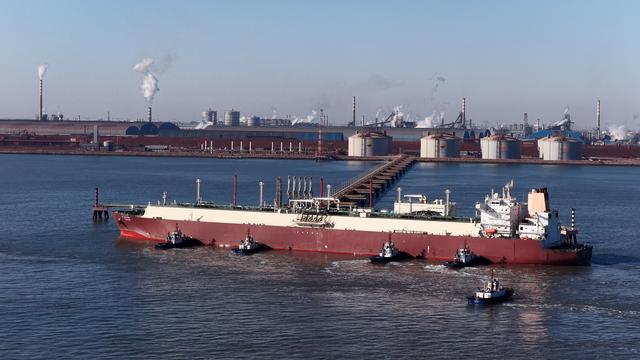
累计接卸600船,唐山LNG接收站全天候“送暖”京津冀
Bei Jing Ri Bao Ke Hu Duan· 2026-01-17 10:04
Core Insights - The "Al Mariah" vessel, carrying 261,000 cubic meters of LNG, successfully docked at the Tangshan LNG receiving station, marking the 600th LNG transport ship to arrive since the station's establishment [1] - The Tangshan LNG receiving station is one of the first LNG receiving stations in China designed, procured, constructed, and operated independently by China National Petroleum Corporation (CNPC), and it plays a crucial role in ensuring gas supply for the Beijing-Tianjin-Hebei region, especially during winter [1][2] - Since its inception in 2013, the Tangshan LNG receiving station has received LNG from 25 countries and regions, with a maximum daily gas supply accounting for 35% to 40% of Beijing's winter gas consumption [1] Group 1 - The arrival of the "Al Mariah" vessel provides reliable energy support for regional heating and industrial production during winter [2] - In 2025, the Tangshan LNG company plans to achieve an annual gasification and external supply of 5.969 billion cubic meters, including 5.175 billion cubic meters through gasification and 794 million cubic meters via truck [2] - The station has received over 23.56 million tons of LNG and supplied over 32.5 billion cubic meters of natural gas during the 14th Five-Year Plan period, contributing to reduced carbon dioxide emissions by replacing other fuels with clean natural gas [2] Group 2 - The Tangshan LNG receiving station has achieved a total external supply of over 66 billion cubic meters and received more than 47.8 million tons of LNG since its first shipment in 2013 [2] - The station's recent implementation of night-time docking capabilities allows for a reduction of up to 12 hours in vessel port time, significantly enhancing the terminal's utilization and winter LNG receiving capacity [3] - Maintenance work during the summer window has improved the safety and operational stability of the unloading equipment, ensuring a robust supply of natural gas for the upcoming winter [3]
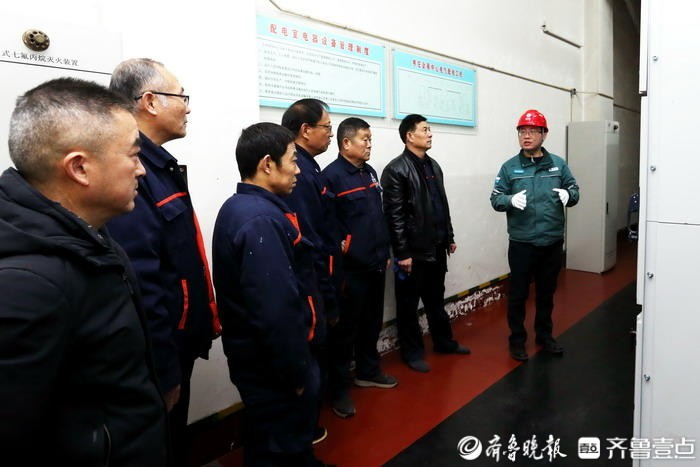
枣庄政企联合开展用户用电设备设施排查治理
Qi Lu Wan Bao· 2026-01-17 05:14
排查治理中,枣庄供电公司营销和运检专业协同,各自发挥专业特长,从技术层面解决问题。其中,营 销重点检查低压脱扣、裸导线(高压裸露点)治理、重要客户备自投装置和自备电源等事项。运检专业重 点负责分界点排查和分界点开关设备治理,对分界点开关设备进行改造,确保在客户设备"故障不出 门"的基础上,实现客户设备隐患排查治理动态清零。(通讯员鞠同心) 2025年11月24日,枣庄市能源局与枣庄供电公司联合下文,要求各区(市)发改局、能源中心要求高压客 户开展自查,并联合供电中心开展全面检查,市能源局和枣庄供电公司督导检查。 经过持续排查治理,枣庄市能源局、枣庄供电公司联合开展用户设备设施排查1.53万余户,治理整改 6263处。这是枣庄首次政企联合实施用户设备设施隐患排查治理,推动电力用户安全治理纳入市区镇三 级政府安全监督监管体系。 政企联合排查治理用户供电设施安全,是践行能源保供责任的主动作为,也是整治用户供电设施运维标 准低、失修等问题的重拳出击,更是推动全社会用电安全水平整体提升的得力举措。此次行动坚持政府 主导、政企联合,将电力用户排查治理纳入市区镇三级政府安全监督监管体系,根治危及人身安全、电 网安全运行和可 ...
中国石油天然气集团董事长戴厚良:大力推动国内油气勘探开发和增储上产 加快推动页岩油气革命
Ge Long Hui A P P· 2026-01-16 04:24
Core Viewpoint - China National Petroleum Corporation (CNPC) aims to complete the Tarim 1.2 million tons/year ethylene project by 2026, emphasizing domestic equipment localization and green production methods [1] Group 1: Project Development - The Tarim ethylene project will achieve over 98% localization of equipment, with significant advancements in fully electric drives and the first domestic production of major equipment [1] - The project will utilize a "blue hydrogen to blue ammonia + carbon dioxide to urea" model for green production, aiming to create a zero-carbon petrochemical park [1] Group 2: Energy Security and Supply - CNPC is committed to being a "pillar" for energy supply security, focusing on domestic oil and gas exploration and production to ensure national energy security [1] - The company plans to deepen international energy cooperation and enhance overseas energy production and supply bases, improving trade security and cross-border energy channels [1] Group 3: Industry Transformation - CNPC is accelerating the restructuring and upgrading of refining and chemical sectors, optimizing product and industrial structures to enhance the supply of high-quality energy and chemical products [1] - The company aims to play a key role in building a strong energy nation and ensuring the stability of the oil and gas industry supply chain [1]

指数3连跌“凉凉”!市场热度进一步降温,还有哪些投资机会?
Sou Hu Cai Jing· 2026-01-15 06:57
Group 1: ETF Market Trends - Most sectors are experiencing net inflows, indicating bottom-fishing behavior, with notable inflows in the CSI 2000, STAR 50, and Dividend Index ETFs [1] - The CSI 500 ETF and ChiNext ETF have shifted from balanced inflows and outflows to net inflows, while the CSI 300 ETF saw a significant inflow on Friday that offset previous outflows, resulting in a positive weekly inflow [1] - The level of major shareholder reductions has reversed from a four-week increasing trend back to early November levels, indicating a potential stabilization in market sentiment [1] Group 2: Energy Supply and Demand - The energy supply situation in China is stable, with sufficient coal reserves and a robust electricity grid, as traditional and clean energy sources are being ramped up to meet winter demand [3] - Coal prices are expected to show a low-to-high trend by 2026, with demand being a primary drag factor, while supply-side constraints remain strong [3] - The demand for energy is anticipated to improve in the second half of the year, which may drive coal prices upward [3] Group 3: Semiconductor Equipment Market - The semiconductor equipment sector is expected to see high single-digit percentage growth in the global wafer fabrication equipment market for 2025/2026, driven by rising prices from storage manufacturers and investments from major clients like Intel [5] - The normalization of demand in the Chinese mainland market is projected to reduce uncertainties related to previous regulatory constraints [5] - The investment outlook for the semiconductor equipment industry remains positive, with expectations of continued growth [5] Group 4: Market Sentiment and Economic Outlook - The short-term market trend appears weak, with significant inflows of new capital but a lack of strong profit-making opportunities [7] - The adjustment in the ChiNext index is attributed to recent pullbacks in high-performing stocks, leading to a retreat of short-term capital [11] - The macroeconomic policy in China is expected to maintain continuity and stability, supporting resilient economic growth and a potential recovery in inflation from low levels [11]

收官“十四五”|中国大唐:担当为基 保供为魂
Huan Qiu Wang· 2026-01-14 15:09
Core Viewpoint - China Datang has taken on the political responsibility of energy supply security, achieving significant advancements in power generation capacity and supply during the "14th Five-Year Plan" period, contributing to national energy strategy and enhancing public welfare [1][2]. Group 1: Power Generation and Supply - The installed power generation capacity of China Datang has reached 220 million kilowatts, with a cumulative power generation of 30.4 trillion kilowatt-hours, accounting for approximately 7% of national electricity supply [1]. - The company has established a reliable and green energy supply system for Beijing, supplying over 50% of the capital's electricity and more than 13% of its natural gas [2]. - The renewable energy generation capacity has increased by over 50% year-on-year, with new energy installations reaching 5.49 million kilowatts, a 170% increase compared to the same period in 2023 [2]. Group 2: Heating Supply - China Datang operates 58 heating plants and 11 heating enterprises, providing heating for over 9.6 billion square meters, with a total heating volume of 16.48 billion gigajoules [3]. - The company has implemented innovative heating solutions, transitioning from traditional methods to low-carbon and smart heating systems, achieving a 5.98% year-on-year increase in total heating volume [4]. Group 3: Safety and Reliability - The company has conducted 59 major inspections and completed maintenance on 334 units, addressing 355 significant defects to ensure stable and economic operation [5][6]. - The non-stop operation count has decreased by 105 times, a reduction of 68.62%, while the equivalent availability factor of units has improved from 93.12% to 93.48% [6]. Group 4: Fuel Supply and Management - China Datang has maintained coal inventory levels between 16 to 17 million tons during peak seasons, with a winter inventory of 17.19 million tons, ensuring a supply duration of 31.7 days [8]. - The company has significantly increased its coal production from 11.2 million tons to 40 million tons during the "14th Five-Year Plan" period, enhancing self-sufficiency in coal supply [9].
准能集团:扛责有为 高效稳供创新绩
Xin Hua Cai Jing· 2026-01-14 07:03
2025年,面对复杂的外部环境和艰巨的保供任务,国能准能集团始终将保障能源安全稳定供应作为首要 政治责任和核心使命,统筹发展和安全,聚焦主责主业、绿色转型、资源获取"三篇文章",通过一系列 科学精准、高效协同的举措,推动煤炭生产实现稳产、优产、高产。公司全年累计生产商品煤6275万 吨,创历史新高,再次以实绩书写了央企能源保供的责任和担当。 科学调度:下好保供"一盘棋" 二是强化煤质管控,优化产品结构。准能集团聚焦效益提升核心目标,深化煤质管控与产品结构优化, 建立"采—洗—运"全链条协同机制,保障商品煤热值均衡稳定,全年商品煤热值达4762kcal/kg,同比提 升37kcal/kg。同时,紧扣市场需求导向,持续做精煤炭产品体系,加大质优价高的块煤生产力度,全年 完成块煤产量105.2万吨,连续三年突破100万吨,实现增收创效。 三是加快资源获取,积蓄发展后劲。准能集团以前瞻性眼光和多元化策略,积极拓展资源储备。一方 面,跟踪政策与市场动态,紧盯资源获取重点区域、推进矿区资源深勘精勘、加快矿区周边空白资源整 合、参与外部资源项目调研与投资,并完成相关论证工作;另一方面,推动1342公顷采场接续用地项目 通过 ...