
双碳目标

Search documents
推动绿证市场高质量发展 提升社会用电“含绿量”
Huan Qiu Wang· 2026-01-14 08:13
Core Insights - The article emphasizes the growing importance of green electricity consumption in China, driven by events like the Hangzhou Asian Games and the Shanghai Import Expo, which achieved 100% green energy usage through green certificates [1] - China is positioned to become the largest market for green certificates globally, with a focus on developing a high-quality green certificate market to reflect the environmental value of green electricity [1][2] Group 1: Green Certificate Development - The National Energy Administration has established a comprehensive lifecycle management mechanism for green certificates, achieving full coverage in issuance and rapid growth in trading scale and user numbers [3] - In 2024, China issued 4.734 billion green certificates, a year-on-year increase of 28.36 times, with 3.158 billion being tradable [3] Group 2: Policy Measures and Market Goals - The recent policy document outlines 17 actionable measures to address insufficient demand and the undervaluation of green electricity's environmental benefits, focusing on a combined mandatory and voluntary consumption mechanism [6][7] - By 2027, the green certificate market aims to have a well-established trading system and improved mechanisms for green electricity consumption, with further enhancements expected by 2030 [7] Group 3: Integration with Other Mechanisms - The integration of green certificates with renewable energy consumption responsibilities, carbon emission controls, and carbon accounting is crucial for enhancing market vitality and fostering growth [8][9] - Local practices in provinces like Shanxi and Guangdong are promoting green electricity consumption through green certificate purchases, while cities like Shanghai and Beijing are developing carbon market accounting methods for green electricity [8] Group 4: Supporting Export Trade - The article highlights the increasing global trend towards green trade, with a focus on reducing carbon footprints in export products through green electricity consumption [10] - China, as the largest producer of green electricity, can meet the green power needs of export products, aligning with international standards and enhancing competitiveness [10][11]

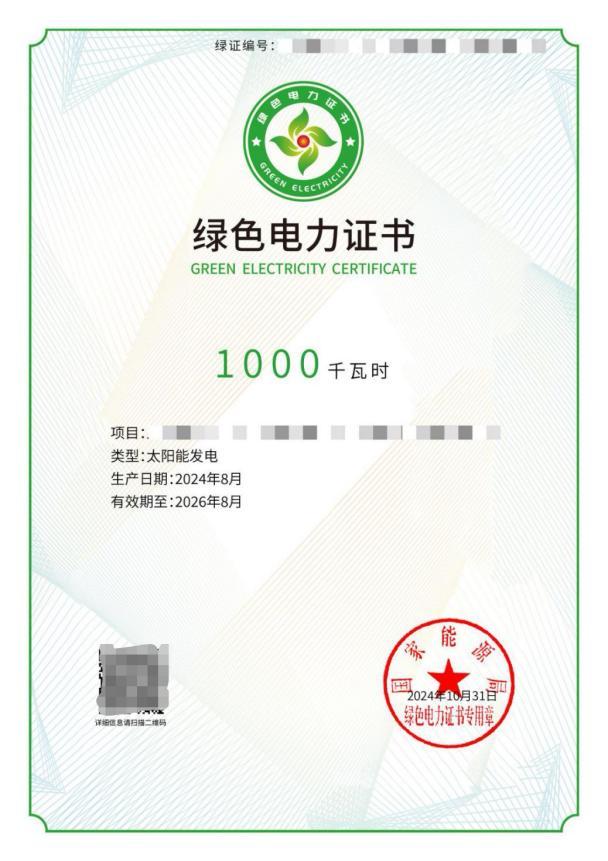
“塞上绿电”好风光
Jing Ji Ri Bao· 2026-01-14 08:13
素有"塞上江南"之称的宁夏,太阳能、风能资源充沛,可利用土地广阔,是全国首个新能源综合示 范区。近年来,宁夏大力推进新能源开发,可再生能源装机规模突破5000万千瓦,光伏发电成第一大电 源。当地的绿电优势正加速转化为经济优势,为区内外经济发展赋能添绿。 宁夏拥有丰富的太阳能、风能资源,光伏年平均利用小时数约1500小时,风电年平均利用小时数约 2000小时。加之区位优势独特,有沙漠、戈壁和荒漠等未利用土地可用于布局,建设大型光伏、风电项 目的基础得天独厚。 作为全国首个新能源综合示范区,宁夏近年来大力推进新能源开发,将绿电打造为自身绿色低碳转 型发展的一张名片。新型电力系统建设成效显著,单位国土面积新能源开发强度居全国首位,人均新能 源装机居全国前列。截至2025年8月,宁夏可再生能源装机规模历史性突破5000万千瓦,占总装机比重 达62.6%,光伏发电取代煤电成为第一大电源。 戈壁荒原,如何成就无限好"风光"?"塞上绿电"如何成为宁夏推动产业发展的重要优势? 宁夏还发挥规划引领作用,强化土地要素保障,通过开辟重点项目用地审批"绿色通道",切实推动 绿电产业项目建设。对绿电产业项目建设用地审批不受批次限制,允 ...
零碳产业园标准研讨会在京召开,首个国家标准将于今年审查报批
Xin Hua Wang· 2026-01-14 08:13
Core Insights - The seminar on "Zero Carbon Industrial Park Standards" was held in Beijing, focusing on the construction of zero carbon standards as a national strategy to promote high-quality development in China [1][6] - The development of the "Zero Carbon Industrial Park Construction Guidelines" is underway, which will serve as the first national standard for zero carbon parks, aiming to facilitate green low-carbon transformation [2] - Experts emphasized the need for a standardized system to overcome challenges in zero carbon park construction, including diverse technical paths and unclear carbon accounting boundaries [1][3] Group 1 - The construction of zero carbon industrial parks has been elevated to a national strategy, with the 2024 Central Economic Work Conference proposing the establishment of such parks [1] - The guidelines being developed will cover classifications, general principles, and construction systems for zero carbon parks, providing a model for future practices [2] - The zero carbon industrial park is seen as a crucial platform for integrating energy and industry, promoting a new era of energy civilization and industrial prosperity [4] Group 2 - The seminar gathered over 40 experts from various governmental and academic institutions to discuss the challenges and solutions for zero carbon park development [1][5] - The importance of achieving the "dual carbon" goals through zero carbon parks was highlighted, with successful pilot projects already demonstrating economic and environmental benefits [3][4] - Future efforts will focus on building a scientific, standardized, and internationally recognized evaluation system to enhance China's competitive edge in global green initiatives [6]
加快绿色低碳发展 助力美丽中国建设
Ren Min Ri Bao· 2026-01-14 08:13
Group 1: Carbon Industry Development - Sinopec established a carbon industry technology company to focus on carbon resource management and promote green low-carbon development [1] - The company has developed nine technologies for carbon capture and created a new path for large-scale carbon resource utilization [1] - It aims to build a carbon neutrality technology research center and a digital carbon credit platform to support low-carbon business models [1] Group 2: Green Supply Chain Initiatives - JD.com integrates green concepts into its development strategy, promoting green supply chain construction and advocating for green consumption [2] - The "Qingliu Plan" focuses on establishing industry standards in warehousing, transportation, and trading, leading to the creation of approximately 100 million green orders [2] - JD.com has developed a carbon footprint management platform that serves over 100 brands and manages more than 40 million shipping orders [2] Group 3: Ecological and Low-Carbon Development in Ordos - Ordos City promotes green low-carbon development, enhancing its livability, ecological, and low-carbon profiles [3][4] - The city has completed ecological construction on 22.05 million acres and achieved a vegetation coverage rate of over 70% [4] - Ordos has established 16 national-level green parks and factories, becoming one of the first cities in China to reach carbon peak [4] Group 4: Moutai's Environmental Commitment - Moutai prioritizes ecological protection and green development, investing 1.5% of its revenue into environmental protection [5] - The company implements water resource management and promotes a circular economy by utilizing 100% of its brewing by-products [5] - Moutai aims to achieve full lifecycle carbon tracking and has initiated several energy-saving technologies [5][6] Group 5: Carbon Sink Projects by Longjiang Forest Industry Group - Longjiang Forest Industry Group has completed afforestation on 3.015 million acres and developed voluntary carbon reduction projects [7] - The company has donated 10,000 tons of carbon reduction to support the "zero-carbon" Winter Olympics [7] - It aims to enhance carbon management capabilities and innovate carbon sink business models [7] Group 6: Green Development in Xifeng Group - Xifeng Group integrates green development into its entire production process, focusing on lifecycle management to reduce carbon emissions [9] - The company plans to achieve 60% clean energy usage within three years and promotes green supply chain initiatives [9] - Xifeng Group engages in environmental protection activities and collaborates with research institutions for industry transformation [9] Group 7: Zhongyuan Environmental Protection's Green Initiatives - Zhongyuan Environmental Protection focuses on innovative green low-carbon development, managing over 302 million tons of wastewater daily [10] - The company has transitioned traditional wastewater treatment plants into resource-oriented facilities [10] - It has developed technologies for low emissions and is involved in the clean energy sector [10] Group 8: Energy Supply and Green Transition by China National Petroleum Corporation - China National Petroleum Corporation emphasizes energy security and clean energy supply while implementing a three-step strategy for green transition [12] - The company aims to achieve a natural gas production of 140.36 billion cubic meters by 2024 and has installed over 10 million kilowatts of wind and solar power [12] - It is actively involved in carbon capture and storage projects, with over 9 million tons injected [13] Group 9: Chengdu Environment Group's Smart Environmental Management - Chengdu Environment Group is focusing on resource recycling and energy transition, aiming to reduce carbon emissions by 12% in three years [14] - The company is developing smart environmental management systems and enhancing digital technology applications [14] - It plans to establish zero-carbon benchmark facilities and promote carbon asset development [14] Group 10: Green Finance Initiatives by Industrial Bank - Industrial Bank is committed to supporting green low-carbon development through financial services and innovative products [15] - The bank aims to enhance the quality of green finance services and develop a climate risk management framework [15] - It has established a carbon account system with 18,000 corporate and 3.7 million personal accounts [16]
“氢”风正劲 聚能成势
Ren Min Ri Bao Hai Wai Ban· 2026-01-14 08:13
Core Insights - The hydrogen energy industry in Shaanxi Province is rapidly developing, with a focus on creating a comprehensive hydrogen energy ecosystem that includes production, storage, and fuel cell technology [1][8] Group 1: Industry Development - Shaanxi Province is accelerating the construction of a "full-chain" hydrogen energy industry ecosystem, with cities like Yulin and Weinan leading in hydrogen production and application [1][8] - The Xi'an Xuhydrogen Era Technology Co., Ltd. is set to launch the first fully automated hydrogen fuel cell stack production line in Shaanxi by the end of 2023, reflecting advancements in production capabilities [2][3] - The third-generation hydrogen fuel cell stack from Xuhydrogen Era is expected to have a rated power of 150KW and a power density of 4.1kW/L, with an annual production capacity of 2,000 units [3] Group 2: Collaboration and Innovation - The collaboration between local enterprises and academic institutions, such as the partnership with the Chinese Academy of Sciences, is crucial for overcoming technical challenges in hydrogen technology [3][5] - The establishment of a hydrogen fuel cell common testing platform in the Jinghe New City Industrial Park facilitates testing for various enterprises, enhancing innovation and efficiency [7] Group 3: Market Applications - Hydrogen-powered vehicles and applications are gaining traction in the tourism sector, with hydrogen-assisted vehicles being introduced in scenic areas [4] - The demand for hydrogen energy is increasing, with an average of 20 hydrogen heavy-duty trucks refueling daily at the hydrogen refueling station in Yulin [5] Group 4: Strategic Initiatives - Yulin City is actively pursuing partnerships with leading domestic and international enterprises, aiming to sign 20 key projects related to hydrogen storage and transportation by 2024, attracting investments of 8.5 billion yuan [8] - The province plans to establish a safe and stable hydrogen supply system and an efficient refueling network by 2025, promoting high-quality development in the hydrogen energy sector [9]
海博思创荣登2025北京企业百强榜 以创新实力引领高质量发展
海博思创· 2026-01-14 07:43
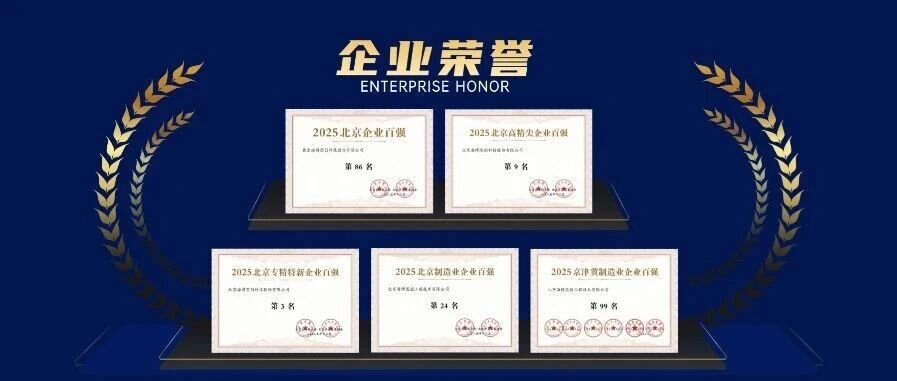
Core Viewpoint - Beijing Haibo Sichuang Technology Co., Ltd. and Beijing Haibo Sichuang Engineering Technology Co., Ltd. have achieved significant recognition by being included in five prestigious rankings, showcasing their leadership and influence in the industry [1][3]. Group 1: Awards and Recognition - The company has been recognized in the "2025 Beijing Top 100 Enterprises," "2025 Beijing Manufacturing Enterprises Top 100," "2025 Beijing High-Precision and Cutting-Edge Enterprises Top 100," "2025 Beijing Specialized, Refined, Characteristic, and Innovative Enterprises Top 100," and "2025 Beijing-Tianjin-Hebei Manufacturing Enterprises Top 100" [1][3]. - This recognition reflects the company's strong overall strength and its critical role in promoting energy structure transformation and supporting green economic development [3]. Group 2: Innovation and Strategic Development - In 2025, the company aims to accelerate high-quality development driven by innovation and strategic upgrades, having been selected as a national enterprise technology center [4]. - The "Energy Storage + X" strategy has been fully implemented, achieving breakthroughs in various scenarios such as independent energy storage stations, data centers, oil fields, and mining, with a global business presence in over 20 countries across five continents [4]. - The company has deepened collaborations with industry leaders like Huawei Digital Energy and CATL, exploring innovative financing models that combine energy storage assets with specialized operations and comprehensive financial solutions [4]. Group 3: Future Outlook - The company is committed to continuing its focus on technology-driven innovation, expanding application scenarios, and promoting intelligent manufacturing and green operations, contributing to the collaborative development of the Beijing-Tianjin-Hebei region and the national "dual carbon" goals [4].
技术创新+产品赋能 新能源重卡配套率攀升 特百佳2025为何这么强?| 头条
第一商用车网· 2026-01-14 07:08
Core Viewpoint - In 2025, the new energy heavy truck industry in China is experiencing significant growth, with TeBaijia Power Technology Co., Ltd. emerging as a leading supplier of power systems for new energy heavy trucks, showcasing its strong market position and innovative efforts in a competitive landscape [1]. Group 1: Market Position and Product Development - TeBaijia's drive motors are widely compatible with major brands such as FAW Liberation, China National Heavy Duty Truck Group, Dongfeng Commercial Vehicle, and Foton, with increasing market compatibility across various truck models [1]. - The company has developed a modular platform that includes new products like the central drive system for heavy trucks and electric drive bridge systems, addressing industry pain points such as weight, cost, and performance [3][5]. - TeBaijia's products are now operational in over 300 cities across China, demonstrating their reliability and efficiency in logistics, mining, and port applications [19]. Group 2: Recognition and Awards - TeBaijia's chairman, Huang Gaocheng, was awarded the "2024 Jinshan Craftsman" title for his dedication to innovation and excellence in the industry [5]. - The company received the "2025 Mechanical Industry Science and Technology Award" for its project on key technologies in new energy heavy mobile machinery, highlighting its technological advancements [11]. - TeBaijia was recognized as a "2025 ESG Model Enterprise," reflecting its commitment to sustainable development and social responsibility [13]. Group 3: Strategic Collaborations and Innovations - A strategic partnership was established with Tongji University to create a "New Energy Commercial Vehicle Powertrain Joint Laboratory," focusing on key technologies for efficiency and reliability [9]. - TeBaijia showcased its flagship products at the IATW 2025 Shanghai International Automotive Innovation Technology Week, emphasizing its innovative capabilities [15]. - The company won the "2025 Annual New Energy Heavy Truck Powertrain Innovation Award," further solidifying its position as a leader in technological innovation [21]. Group 4: Future Outlook - TeBaijia aims to continue its focus on the new energy commercial vehicle power sector, leveraging technological advancements to support China's green energy transition and achieve carbon neutrality goals [23].

国寿投资绘制高水平绿色投资全景图
Sou Hu Cai Jing· 2026-01-14 07:00
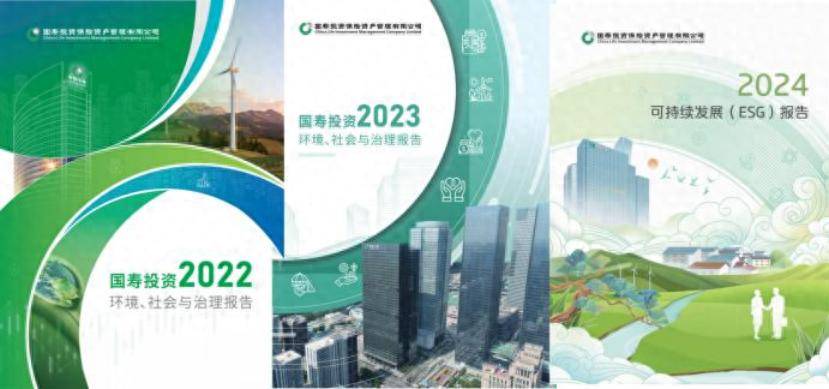
Core Viewpoint - The article highlights the significant progress made in China's green transformation over the past five years, emphasizing the role of insurance funds in supporting this transition through investments in clean energy and green industries [1][2][7]. Group 1: Achievements in Green Transformation - China's energy consumption per unit of GDP has decreased by 11.6% since 2020, equivalent to a reduction of 1.1 billion tons of CO2 emissions [1]. - The proportion of coal consumption has dropped from 56.8% in 2020 to 53.2% in 2024, while the share of non-fossil energy consumption has significantly increased [1]. - The forest coverage rate has exceeded 25%, making China one of the fastest-growing countries in terms of green coverage [1]. Group 2: Role of Insurance Funds - Insurance funds, due to their large scale and long duration, are well-suited to meet the funding needs of energy structure adjustments, industrial upgrades, and green technology innovations [1]. - China Life Group's subsidiary, Guoshou Investment, has developed a clear logic for green finance, focusing on top-level design and strengthening strategic guidance [2][7]. Group 3: Guoshou Investment's Green Finance Practices - Guoshou Investment has invested nearly 55 billion yuan in clean energy and green transportation sectors, with over 1 billion yuan in green assets certified by LEED and WELL [2]. - The company has published special ESG reports for three consecutive years, showcasing its commitment to environmental, social, and governance standards [4][10]. Group 4: Strategic Investments and Collaborations - Guoshou Investment has strategically invested 1.5 billion yuan in Shenzhen Energy Environmental Co., leveraging its comprehensive financial services to support the company's industrial upgrades [5][10]. - The company has established a governance structure for ESG, ensuring that ESG factors are integrated into investment decisions and management processes [8][10]. Group 5: Future Directions and Innovations - Guoshou Investment plans to continue enhancing its green development strategy, focusing on ESG research and expanding its green investment portfolio [16]. - The company aims to innovate financial products that support high-energy-consuming enterprises in their low-carbon transitions, with cumulative investments exceeding 2 billion yuan [14][15].
免费报名【生物基化学品与材料专场】,SynBio China第五届中国合成生物学及生物制造大会!
synbio新材料· 2026-01-14 06:32
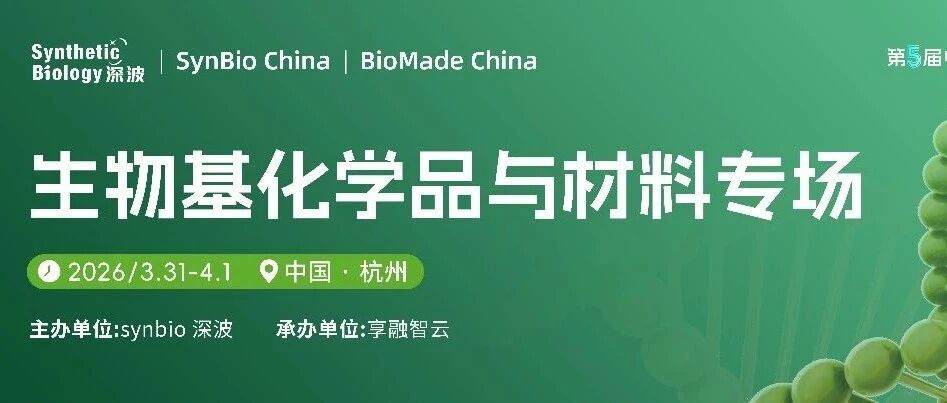
Core Insights - The article emphasizes the importance of bio-based chemicals and materials as a key pillar of the bio-manufacturing industry, highlighting their advantages such as renewable raw materials and low carbon emissions throughout their lifecycle, which positions them to replace traditional petroleum-based products in various sectors like packaging, textiles, and automotive [2] - The Chinese government prioritizes the development of bio-based new materials, categorizing them as strategic materials, and has implemented multiple supportive policies for the industry. However, challenges remain, including cost competitiveness, stability of raw material supply chains, product performance optimization, and market acceptance [2] Event Details - The "5th China Synthetic Biology and Bio-Manufacturing Conference" will be held in Hangzhou from March 31 to April 1, 2026, with an expected attendance of 1,000 participants [4] - The conference aims to gather insights from various sectors including industry, academia, and research to address challenges in the bio-based chemicals and materials industry and promote high-quality development [2][4] Forum Setup - The conference will feature multiple sessions, including: - Day 1 AM: Bio-Manufacturing Industry Ecological Conference and Life China Third Functional Food and Nutrition Science Conference - Day 1 PM: Special sessions on food and drug synergy, efficacy skincare, and AI + bio-manufacturing - Day 2 AM: Special sessions on functional raw materials and bio-manufacturing, and bio-manufacturing processes - Day 2 PM: Special sessions on future food and all-age nutrition, and bio-based chemicals and materials [8] Proposed Topics - Topics to be discussed include: - Green bio-manufacturing of bio-based bulk chemicals - Molecular and material innovation based on synthetic biology technology - Large-scale production and high-value utilization of bio-based platform compounds - Development and application of furan bio-based new materials technology - Industrialization practices for high-value utilization of non-food biomass [13]
煤矿瓦斯“变身”记
Shan Xi Ri Bao· 2026-01-14 00:45
Core Viewpoint - The transformation of coal mine gas, also known as coalbed methane, from a hazardous waste into a valuable resource through advanced extraction and utilization technologies is highlighted as a significant development in the energy sector. Group 1: Gas Extraction and Utilization - The company has established 90 surface coalbed gas extraction wells in the Dafu Temple coal mine, with 24 wells currently operational, producing approximately 43,000 cubic meters of gas daily [2] - The extraction process involves advanced techniques such as drainage, pressure reduction, diffusion, and seepage, achieving a gas concentration of about 70% [1] - The company has developed a low-concentration gas power plant, which has a maximum annual power generation capacity exceeding 100 million kilowatt-hours, successfully utilizing all gas with a concentration above 8% [2] Group 2: Technological Advancements - The company invested 1.2 billion yuan in 2010 to build the first generation of low-concentration gas utilization facilities, followed by a 70 million yuan investment in 2022 for the third generation of waste heat recovery systems [3] - The new systems enable low-concentration gas to be converted into a heat source, providing stable and clean heating for the entire mining area, with an annual heating capacity of 21 megawatts [3] Group 3: Industry Impact and Future Goals - The company aims to achieve nearly 100 million cubic meters of gas utilization and over 200 million kilowatt-hours of power generation by 2025, setting new records in the industry [4] - The comprehensive gas management and utilization solutions developed by the company have been successfully implemented in various regions, contributing to the national efforts in coal mine gas management [4] - The company emphasizes the importance of technological innovation to enhance gas extraction efficiency and promote tiered utilization of gas, aligning with national energy security and carbon neutrality goals [4]