
城市更新

Search documents
重点城市土地市场热度回升,核心区域受热捧
Sou Hu Cai Jing· 2026-01-08 15:39
Core Insights - The report indicates a rebound in land supply transactions in key cities, with high premium competition for core area plots due to their scarcity, while suburban and non-core areas see more transactions at base prices [2][10] - Real estate companies are focusing more on core assets and adopting a cautious approach towards non-core areas, leading to a stable yet increasingly differentiated market [10] Land Supply and Transactions - From November 17 to December 14, 2025, six key cities had 210 land plots available for bidding, with a starting price of 48.32 billion yuan, reflecting a 32.01% month-on-month increase and covering an area of 6.1211 million square meters [3] - During the same period, 167 plots were successfully sold across these cities, with a total transaction value of 56.644 billion yuan, marking a 27% increase in transaction value and a 17% increase in land area sold [6][10] Regional Analysis - In Beijing, 13 plots were listed, including 3 residential plots with a total area of 151,900 square meters and a starting price of 8.925 billion yuan [5] - Shanghai had 11 plots listed, primarily industrial, with a total area of 297,900 square meters and a starting price of 633 million yuan [5] - Guangzhou proposed 39 plots, including 7 residential plots with a total planned area of 516,700 square meters and a starting price of 10.281 billion yuan [5] - Chengdu announced 79 plots, with 22 residential plots concentrated in the Shuangliu District, covering a total area of 129,600 square meters and a starting price of 2.427 billion yuan [6] Transaction Trends - In Beijing, 12 plots were sold, with a total area of 315,900 square meters and a total transaction price of 11.219 billion yuan, mostly at base prices [7] - Shanghai saw 14 plots sold, totaling 297,800 square meters and 10.79 billion yuan, with most transactions at base prices except for one plot [8] - In Guangzhou, 4 residential plots were sold, totaling 2.283 billion yuan, primarily at base prices [9] - Shenzhen had 12 plots sold, with 3 residential plots showing a clear divide in pricing between core and non-core areas [9] Policy and Market Dynamics - Recent central government initiatives emphasize urban renewal and the integration of urban and rural development, aiming for high-quality real estate development [11] - Local governments are innovating policies and market operations to drive urban renewal, with examples from Chongqing and Shanghai showcasing successful models [12] - The issuance of urban renewal REITs is expected to attract more social capital, enhancing the financing channels for revitalizing existing assets [13]

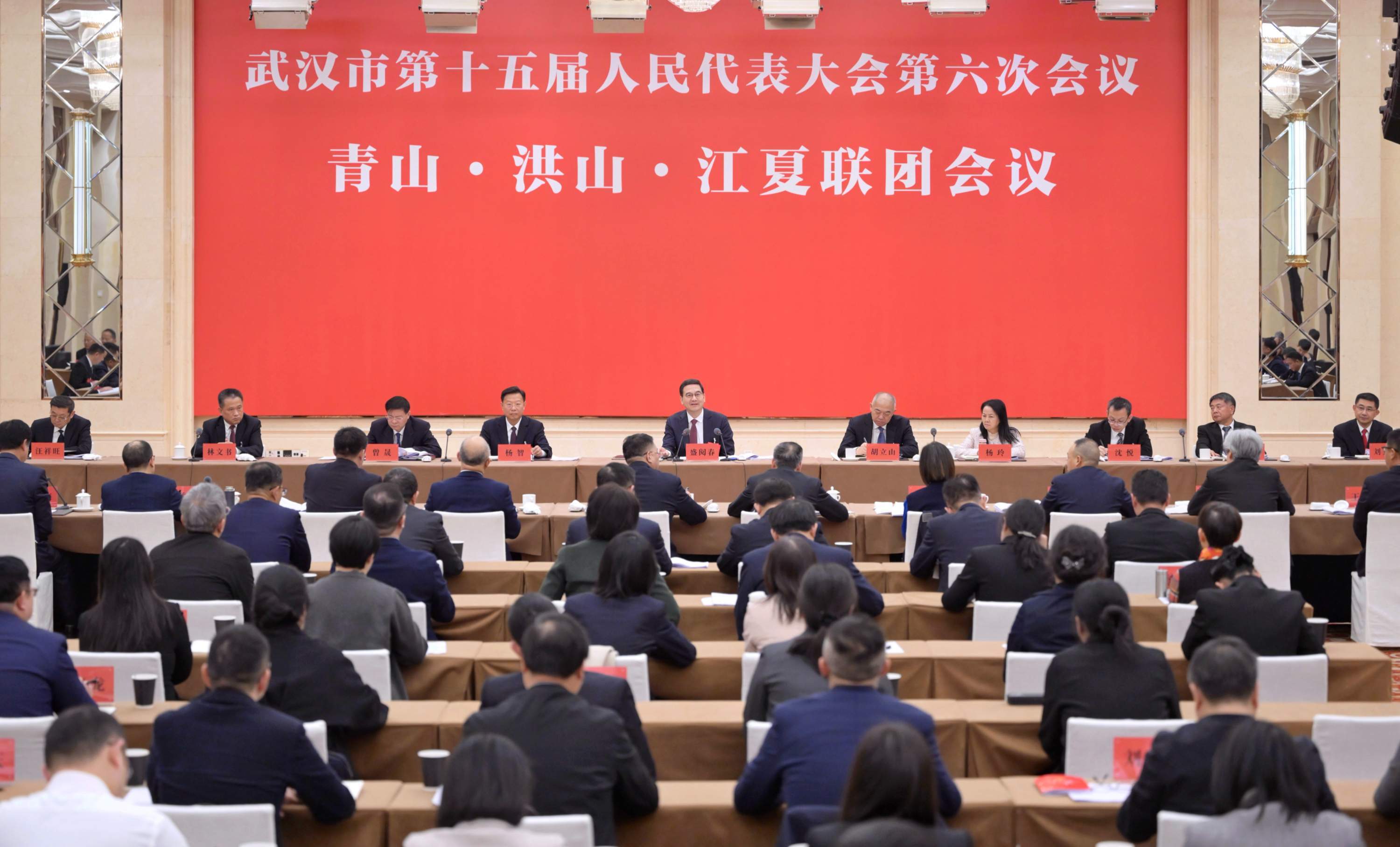
盛阅春参加青山洪山江夏代表团联团审议:推动大光谷片区协同联动发展,为武汉“十五五”发展提供坚实支撑
Chang Jiang Ri Bao· 2026-01-08 14:18
Core Viewpoint - The article emphasizes the importance of collaborative development in the Greater Optics Valley area, focusing on technological and industrial innovation to support Wuhan's "14th Five-Year Plan" and contribute to the city's overall development goals [1][5]. Group 1: Government Initiatives and Goals - The city government aims to implement the spirit of the 20th Central Committee's Fourth Plenary Session and the Central Economic Work Conference, promoting confidence and action to drive development [1][5]. - Wuhan is positioned at a critical juncture for urban capability enhancement, transformation acceleration, and regional collaboration, with a focus on becoming a national central city and building a modernized Wuhan [5][6]. Group 2: Contributions from Key Districts - East Lake High-tech Zone, Qingshan District, Hongshan District, and Jiangxia District are recognized for their significant contributions to the city's development, with a strong industrial foundation and innovation resources [6]. - These districts are tasked with leading high-quality development, enhancing innovation capabilities, and promoting the transformation of traditional industries and the growth of emerging sectors [6]. Group 3: Economic and Social Development Strategies - The government plans to boost consumption and investment, aiming for qualitative improvements and reasonable growth in the economy [6]. - There is a focus on urban renewal, integrating innovation with development, and improving public services to meet the aspirations of the populace for a better life [6].
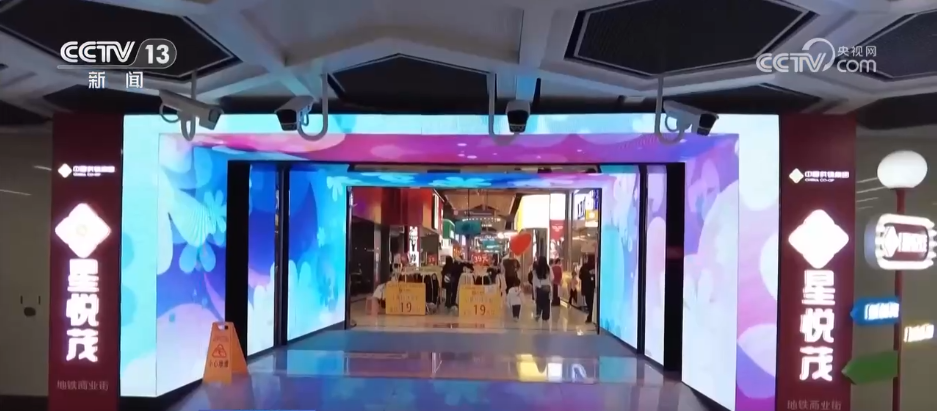
一线调研 | 传统供销社“挖潜”消费新空间 服务向“新”引导消费新潮流
Yang Shi Wang· 2026-01-08 12:51
Core Insights - The article highlights the emergence of new consumer spaces in underground areas of cities, particularly in the western regions of China, where supply and marketing cooperatives are actively developing new commercial complexes and markets [1][8]. Group 1: Underground Commercial Development - In Guiyang, a 600-meter-long underground commercial street has been created, featuring over 160 brands, attracting a diverse customer base, especially young people [1][6]. - The unique topography of Guiyang has led to the development of "lightweight" products that cater to high-frequency consumer needs [3][6]. - The underground commercial space has added nearly 30,000 square meters of commercial area and created over 4,000 jobs in the Yunyan District of Guiyang [8]. Group 2: Integration of Transportation and Commerce - In Nanchang, the integration of supply and marketing cooperatives with metro services has resulted in the establishment of convenience stores within metro stations, enhancing the shopping experience for commuters [9][12]. - The tourism market in Guizhou is expected to grow steadily, with a reported 25% year-on-year increase in total tourism revenue in Guiyang's Yunyan District [10]. Group 3: Future Plans and Innovations - The China Supply and Marketing Cooperative plans to add 500,000 square meters of underground commercial space during the 14th Five-Year Plan, aiming to connect urban and rural areas and enhance consumer access [14][16]. - The cooperative system has established over 3,400 urban and rural markets nationwide, transitioning from traditional outlets to a smart distribution network to better meet new consumer demands [16].
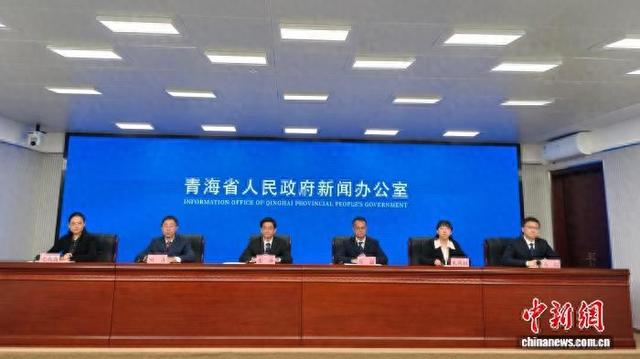
青海:五年改造城镇老旧小区17.4万套
Xin Lang Cai Jing· 2026-01-08 12:49
Core Insights - Qinghai Province has implemented significant urban renovation projects, including the renovation of 174,000 old urban residential units and 11,500 shanty housing units, improving living conditions for nearly 500,000 residents [1][3] - During the "14th Five-Year Plan" period, Qinghai has updated approximately 3,500 kilometers of water supply, drainage, gas, and heating pipelines, effectively eliminating existing urban flooding points [3] - The province has achieved a centralized sewage collection rate of 74.92% and increased urban green space to 13,400 hectares, with a green coverage rate of 36.71% [3] Housing and Urban Development - A total of 1,276 million square meters of new commercial housing has been sold, with the per capita housing construction area reaching 40.72 square meters [6] - The construction of 11,000 units of affordable rental housing has been completed, and housing rental subsidies have been issued to 25,000 households, ensuring support for low-income families [6] - The housing provident fund service quality has been enhanced, supporting housing consumption amounting to 70.832 billion yuan [6] Rural Housing Standards - The Qinghai Provincial Housing and Urban-Rural Development Department has developed a modern housing standard implementation plan for high-altitude areas, providing technical support for the construction of quality housing in pastoral regions [8]
伟星新材:一直非常注重现金流的管理以及应收账款的管控
Zheng Quan Ri Bao Wang· 2026-01-08 12:13
Core Viewpoint - The company emphasizes a commitment to sustainable development through cash flow management and accounts receivable control, while also focusing on opportunities in urban renewal and digital infrastructure [1] Group 1: Company Strategy - The company adheres to the guiding principles of "seeking progress while maintaining stability" and "risk control first" [1] - The company has maintained a steady development trend since its listing, reflecting its focus on long-term sustainable growth [1] - The company is committed to actively returning value to investors in accordance with its articles of association and the three-year shareholder return plan [1] Group 2: Growth Opportunities - The company aims to seize opportunities in "urban renewal" and "digital infrastructure" [1] - The company plans to promote high-quality development through focusing on its core business, leading innovation, and deepening transformation [1]

北京发文激励城市更新提质增效
Zheng Quan Shi Bao Wang· 2026-01-08 11:55
近日,北京市规划和自然资源委员会、北京市住房和城乡建设委员会联合印发了《北京市城市更新范围 内无手续建筑认定处理指导意见(试行)》(以下简称《指导意见》)。据了解,《指导意见》属于 《北京市城市更新条例》配套政策文件,旨在推动化解城市更新范围内部分现状建筑物因历史原因形成 的无手续或手续不完善问题,激励城市更新项目实施,进一步优化城市功能布局,促进存量空间资源提 质增效,加快推进城市更新项目实施。 《指导意见》建立以法律法规实施节点为界,结合历史规划管控范围及实施时序、建筑用途、公益属 性、规划兼容性等标准的分类处置规则,为历史遗留问题提供精准化解路径。其中明确,属于以下情形 之一可以启动现状认定:一是首都功能核心区内1984年1月5日《城市规划条例》施行前已建成,其他区 1990年4月1日《中华人民共和国城市规划法》施行前已建成,调查时无新的违法建设行为。二是符合无 需或豁免办理规划许可,以及无需变更规划许可等现行政策。三是已取得规划许可并按许可进行建设, 实际现状用途与原批准内容不一致,但符合城市更新和用途转换兼容等相关政策,不属于负面清单情形 的。四是建设前取得了区级及以上人民政府或市级及以上部门批准同 ...
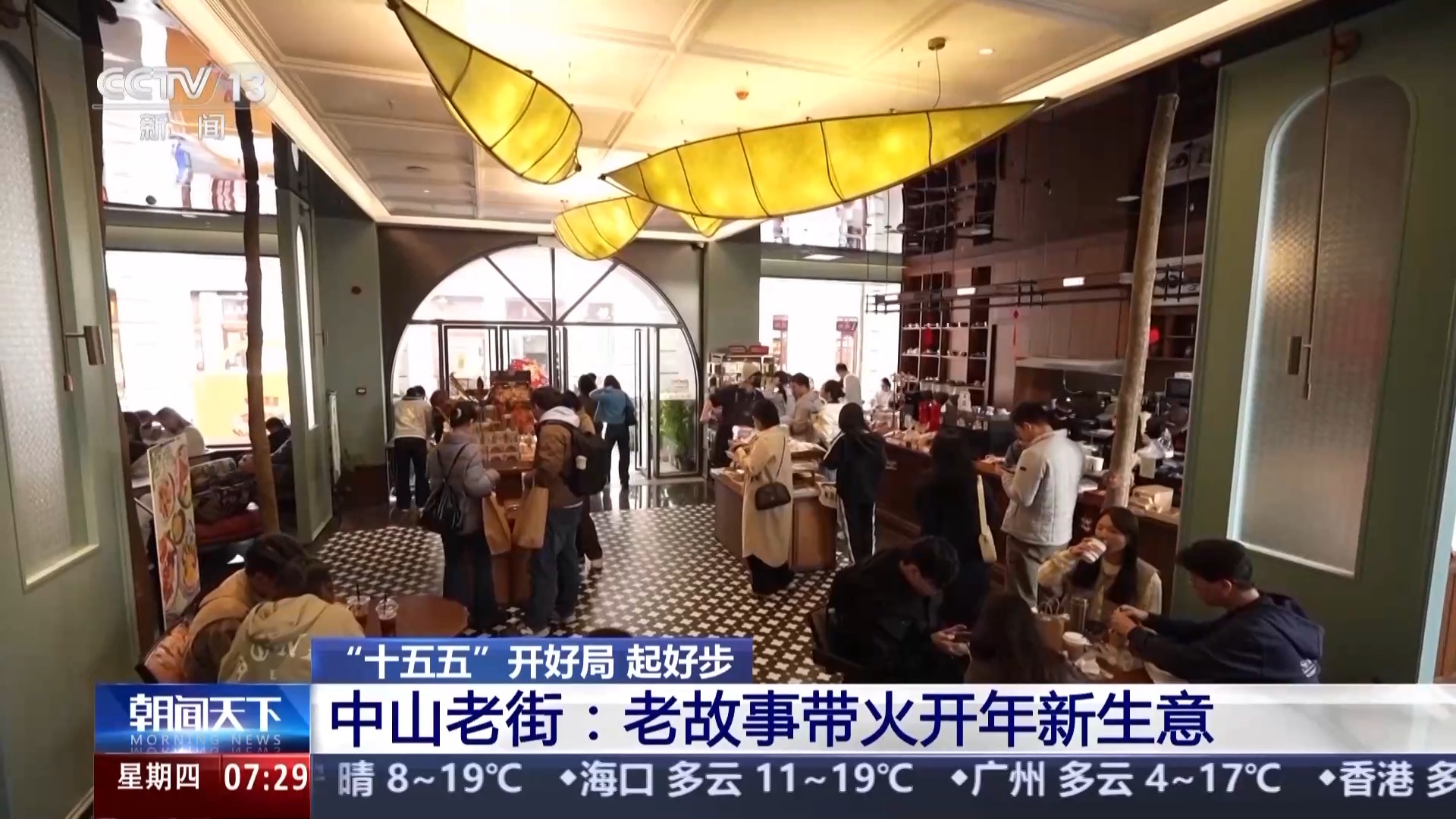
“十五五”开好局 起好步丨老街改造焕发活力 让历史记忆找到了新舞台
Yang Shi Xin Wen Ke Hu Duan· 2026-01-08 06:52
刚刚过去的这个元旦,是中山孙文西路一期改造结束以后,迎来的首个元旦假期。三天时间,这条500米的老街接待游客超65万人,拉动整条街及周边商圈 消费超6000万元。为什么能有这么火?记者在老街上注意到一个有趣的现象,沿街兴建的骑楼改造后化身为一家家特色商铺,但最显眼的一楼,却没有人用 来卖货。这家糕点铺,一楼展示的全是百年来的历史沉淀和匠心传承,而这家餐厅,则把一楼打造成了一个南洋文化展示空间。 让文化流量变成商业增量,走遍这条老街,记者发现,商户们都在这么干。哪怕只有一层的商铺,也是一半是展柜一半是商品,整条街187家商户,七成店 铺都在做和文化沾边的生意,元旦期间新开的25家店铺,更是家家都有文创,吃的看的玩的,引来不少游客不停买买买。 新的一年,城市更新不断在开年的节奏中探寻着新的增长点。在广东中山,一条百年老街经过更新改造后,不仅让每一份历史记忆找到了新舞台,还把老味 道、老故事做成了火热的好生意。 中山市香山古城保护活化中心主任 田湘攸:这栋建筑改造以后,希望它恢复成当时的那种酒店业态,让来这里逛的游客也能体验到这条街独一无二的历史 的沧桑感和它的厚重的记忆。还有很多栋像这样的建筑,我们都是按照这个原 ...
从交通基础的网络完善到城市更新的品质升级,从医疗服务的普惠到教育事业的走心
Nan Jing Ri Bao· 2026-01-08 03:42
Group 1: Urban Development and Infrastructure - The opening of the elevated main line of National Highway 312 between Ningzhen and Qixianghe has improved connectivity between the two areas, reducing travel time by nearly 20 minutes for residents [1] - Nanjing has been selected as one of the first pilot cities for urban renewal during the 14th Five-Year Plan, launching 48 urban renewal pilot projects, enhancing the quality of urban life [2][3] - The city has implemented micro-transformation plans to alleviate traffic congestion, resulting in a 30% decrease in congestion index and a 20% increase in average vehicle speed on key road segments [3] Group 2: Transportation Enhancements - The newly opened 2-kilometer dual six-lane expressway has significantly reduced travel time from 90 minutes to 40 minutes for drivers traveling to Zhenjiang [5] - Nanjing's urban rail transit system has expanded to 524.4 kilometers, adding 129.7 kilometers since the end of the 13th Five-Year Plan, enhancing commuting convenience for residents [6] - The introduction of the "Little Blue Whale" micro-circulation bus brand has improved access to public transportation, addressing the "last mile" issue for residents [6] Group 3: Social Services and Welfare - Nanjing has implemented a high-quality, inclusive elderly care service strategy, achieving 100% coverage of district-level elderly service centers and over 1,400 community care centers [9] - The city has introduced a "zero out-of-pocket" policy for hospitalization expenses related to childbirth, significantly reducing financial burdens for families [10] - The establishment of "Ninghai Shiguangli," an all-age dining facility, exemplifies the city's commitment to enhancing elderly care services [7][8] Group 4: Education Improvements - Nanjing has launched 24 educational projects during the 14th Five-Year Plan, including the installation of air conditioning in all ordinary classrooms, improving the learning environment for students [11][12] - The city has added approximately 120,000 new compulsory education seats and over 40,000 high school seats, facilitating access to quality education [12] - Comprehensive health monitoring and nutritional standards have been established for students, ensuring their well-being and academic performance [12]
综合提升让老城区焕发新的生命力,代表委员建言:城市更新要用好改革“关键一招”
Chang Jiang Ri Bao· 2026-01-08 01:23
Core Viewpoint - Wuhan is undergoing a unique urban renewal process, focusing on revitalizing old neighborhoods and integrating new developments to enhance urban vitality and attract businesses [6][7]. Group 1: Urban Renewal Goals and Strategies - Wuhan's government aims to advance the renewal of 80 "small but beautiful" areas by 2026, adding over 10,000 new housing units and implementing 57 projects for urban village and scenic area renovations [5]. - The city is shifting from single-item renovations to comprehensive upgrades, as exemplified by the transformation of old industrial areas into vibrant cultural parks [7][8]. Group 2: Challenges and Solutions - Urban renewal faces systemic challenges, including outdated standards and a lack of specialized laws, which hinder effective implementation [6][11]. - Innovative solutions, such as flexible mechanisms for land use and density transfer, are being explored to address the complexities of urban renewal [8][11]. Group 3: Community Involvement - Community participation is crucial for successful urban renewal, as demonstrated by the West Bridge community's approach to installing elevators in old residential buildings, which involved residents in decision-making and implementation [9][10]. - The emphasis is on mobilizing the entire community to take ownership of their living environment, ensuring that post-renewal spaces are cherished and maintained [10]. Group 4: Policy and Legislative Framework - There is a call for the establishment of a dedicated urban renewal regulation in Wuhan to clarify responsibilities and streamline processes, addressing current legislative gaps [11]. - A multi-faceted financing model is suggested to support urban renewal initiatives, ensuring that both policy and community efforts align for sustainable development [11].
“十四五”时期,浙江建成保障性租赁住房123.4万套(间)
Zhong Guo Xin Wen Wang· 2026-01-08 00:44
Group 1 - The core viewpoint of the articles highlights the achievements and future plans of Zhejiang Province in housing and urban development during the "14th Five-Year Plan" period [1][2] Group 2 - During the "14th Five-Year Plan," Zhejiang has constructed a total of 204,000 public rental housing units, 1,234,000 units of guaranteed rental housing, and 18,000 units of allocated guaranteed housing [1] - The province has built 571 model areas for urban and rural styles and 1,536 future communities, while also upgrading 28,000 kilometers of urban underground municipal pipelines [1] - The average urban green space per capita in the province has reached 15.7 square meters, and the urban sewage treatment rate has achieved 98.4% [1] - Zhejiang has added 6 historical and cultural towns, 16 villages, and 20 districts during the "14th Five-Year Plan," along with 838 historical buildings and 65 traditional villages [1] - The implementation of the "Zhejiang Province Urban Community Renewal Regulations" aligns with the national shift towards stable urban development and quality improvement [2] - Zhejiang plans to complete 4,951 urban renewal projects with an investment of 369.7 billion yuan by 2025 [2] - The provincial housing and urban-rural development department aims to enhance growth stability, quality improvement, integration, governance, reform, and risk prevention for the upcoming "15th Five-Year Plan" [2]