
机器人技术

Search documents
具身智能奇点时刻来临?业内专家:技术尚未收敛,后端场景有先发优势
Zheng Quan Shi Bao Wang· 2025-08-05 10:05
以"创业投资开启AI技术与应用共振周期"为主题的启明创投.创业与投资论坛近日在沪举行。在"具身智 能的奇点时刻"专题对话环节,多名业内专家一致认为,具身智能已站在奇点到来的早期窗口。当前, 具身智能技术虽未完全收敛,但已处于快速发展阶段。 启明创投主管合伙人周志峰表示,具身智能机器人将率先在拣选、搬运、组装等场景实现规模化部署, 积累大量机器人第一视角数据与带触觉的操作数据,构建"模型—本体—场景数据"的闭环飞轮。这一飞 轮将驱动模型能力迭代,最终推动通用机器人迈向大规模落地。 站在具身智能奇点的"前夜",原力灵机联合创始人兼首席执行官、旷视科技联合创始人唐文斌表示,投 身具身智能行业最大的信心,来自于看到大模型领域链式推理(CoT)与智能体(Agent)能力的巨大潜力。 唐文斌认为,机器人从专用走向通用有两个必要条件,一个是对物理世界的精确感知能力,一个是对复 杂任务的规划和推理能力。 "具身智能技术过去两年的发展速度,已超越此前多年积累,进入'越跑越快'阶段。"它石智航创始人兼 首席执行官陈亦伦表示,一方面,业内对端到端技术的信息倍增,操作领域实验室样机能力显著提升; 另一方面,多模态大模型发展潜力十足, ...
从赛场到产业:RoboMaster机甲大师赛如何锻造未来工程师?
Huan Qiu Wang Zi Xun· 2025-08-05 07:57
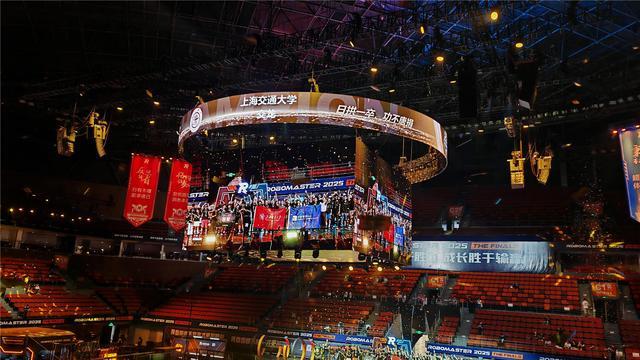
Core Insights - The RoboMaster 2025 competition concluded with Shanghai Jiao Tong University's team winning the championship, highlighting the practical knowledge gained by students beyond theoretical learning [2][12] - The event showcased seven types of robots, emphasizing teamwork and technical skills in a competitive environment [5][6] Group 1: Competition Overview - The RoboMaster 2025 featured complex terrains, including secondary steps and narrow tunnels, pushing teams to design robots capable of navigating real-world scenarios [15][16] - The competition involved various robots such as infantry robots and drones, which were developed by participating university teams [5][6] Group 2: Educational Impact - Participants engaged in a comprehensive engineering process, from demand analysis to prototype optimization, fostering a deeper understanding of engineering principles [9][10] - The competition encouraged collaboration among students from different disciplines, enhancing teamwork and project management skills [10][12] Group 3: Technological Advancements - Innovations such as edge computing and autonomous navigation were highlighted, showcasing the potential for real-world applications in industries like mining and security [6][16] - The event has led to the emergence of new technologies, including hybrid robots that combine wheels and legs for better adaptability [15][16] Group 4: Career Development - Many participants have gone on to join leading tech companies or national research institutions, indicating the event's role in shaping future talent in the tech industry [12][18] - Approximately 10% of participants have started their own tech companies, focusing on cutting-edge fields like AI and robotics [16]

马斯克再获天价薪酬
Di Yi Cai Jing Zi Xun· 2025-08-05 01:45
Core Viewpoint - Tesla's CEO Elon Musk has been granted a compensation package worth over $29 billion in stock options to ensure his leadership during a critical business transformation period for the company [2]. Group 1: Compensation Plan - In 2018, Tesla shareholders approved a compensation plan that granted Musk large stock options contingent on achieving specific goals, initially valued at $2.6 billion, which soared to $56 billion by early 2024 [3]. - A Delaware court annulled the 2018 compensation plan, citing that Musk engaged in deceptive negotiations with non-independent board members, leading to a flawed approval process [3]. - Tesla's board established a special committee to reassess Musk's compensation matters, particularly after Musk moved the company's headquarters to Texas [3]. Group 2: Stock Options Details - Musk has the right to purchase 96 million shares at $23.34 each, the same exercise price as the 2018 award, with a five-year holding requirement, amounting to a total stock incentive value of $29.5 billion based on Monday's closing price [4]. Group 3: Control and Focus - The new stock award will increase Musk's ownership in Tesla from 12.7% to over 15%, indicating the board's belief that he is best suited to tackle the company's growing challenges [5]. - The initiative aims to keep Musk focused on Tesla as it transitions from its primary automotive business to autonomous taxi and robotics technology [5]. - Recent financial reports indicate that Tesla's vehicle sales are under pressure, and Musk has warned of "several tough quarters" before significant revenue growth from autonomous driving software and services [5]. Group 4: Investor Sentiment - Analysts suggest that despite the substantial compensation package, investors recognize the benefits derived from Musk's management of Tesla, and this stock grant will keep him engaged with the company over the next two years [6].


极智嘉-W预计上半年收入同比增长27%至32%
Zheng Quan Shi Bao Wang· 2025-08-05 00:34
Core Insights - The company expects revenue for the first half of 2025 to be approximately RMB 995 million to 1.03 billion, representing a year-on-year growth of 27% to 32% [1] - The net loss is projected to be between RMB 45 million to 55 million, narrowing by 90% to 92% year-on-year [1] - Adjusted net loss (non-IFRS measure) is anticipated to be between RMB 10 million to 20 million, also narrowing by 90% to 95% year-on-year [1] Revenue Growth Drivers - Revenue growth is primarily attributed to an increase in the delivery volume of warehouse mobile robot solutions during the reporting period [1] - The significant narrowing of adjusted net loss is mainly due to the dual growth in revenue and gross profit from the warehouse mobile robot solutions business [1] - Additionally, the appreciation of the Euro against the RMB has resulted in notable foreign exchange gains [1]
超290亿美元!特斯拉再授予马斯克天价薪酬方案
Di Yi Cai Jing· 2025-08-04 23:22
Core Insights - Elon Musk's stake in Tesla is expected to rise above 15% due to a new compensation plan that grants him shares worth over $29 billion, aimed at retaining his leadership during a critical business transformation [1][4] - The new stock award is seen as a move to ensure Musk's continued focus on Tesla amid challenges in the automotive sector and a shift towards autonomous driving and robotics [4][5] Compensation Plan - In 2018, Tesla shareholders approved a compensation plan for Musk that initially valued at $2.6 billion, which soared to $56 billion by early 2024 due to rising stock prices [2] - A Delaware court annulled the original compensation plan, citing unfair approval processes by the board, leading Musk to appeal the decision [2][3] - A special committee was formed to reassess Musk's compensation under Texas law, with a new interim award of 96 million shares being issued [3] Shareholder Impact - The new stock award will increase Musk's ownership from 12.7% to over 15%, reinforcing his control over the company [4] - The board believes that this incentive will keep Musk engaged with Tesla, despite his involvement in other ventures like xAI, SpaceX, and Neuralink [4] Market Context - Tesla's stock price has dropped nearly 25% this year, underperforming the broader market, and the company faces pressure on vehicle sales [1][4] - Analysts suggest that the compensation plan reflects investor confidence in Musk's management, as they have benefited from his leadership [5]
机器人越来越真实,以后不用找老婆了?
Xin Lang Cai Jing· 2025-08-04 14:24
Core Insights - The article discusses the increasing realism of robots and their potential impact on personal relationships, suggesting that they may reduce the need for human companionship in the future [2] Group 1 - The advancement in robotics technology is making robots more lifelike and capable of mimicking human interactions [2] - There is a growing societal acceptance of robots as companions, which could lead to significant changes in personal relationships [2] - The implications of these developments raise questions about emotional connections and the future of human relationships [2]

“RWA时代高端农产品创新研讨会”召开 大禹节水签署重要战略合作协议加速布局智慧农业
Zheng Quan Ri Bao· 2025-08-04 05:06
Core Viewpoint - Dayu Water-saving Group is focusing on the integration of blockchain technology with high-end agriculture, aiming to drive agricultural modernization and innovation through technological empowerment [2][4]. Group 1: Event Overview - Dayu Water-saving held a high-end agricultural innovation seminar themed "Technology Empowers Agriculture, Innovation Leads the Future" in Tianjin, gathering experts from agricultural technology, financial technology, and policy research [2]. - The seminar featured a strategic cooperation agreement between Dayu Water-saving and Costa Group, focusing on the technological development of the blueberry industry and optimizing facility agriculture [2][3]. Group 2: Technological Innovations - The chairman of Costa Group emphasized that smart irrigation and robotic harvesting technologies are key solutions to agricultural labor shortages, expressing optimism about the collaboration with Dayu Water-saving [2][3]. - The chairman of Zhongke Yuandong introduced the innovative applications of smart harvesting robots in facility agriculture, highlighting the technology's potential for implementation in Yunnan's blueberry base [3]. Group 3: Expert Insights - Experts at the seminar recognized the vast potential of blockchain technology for digital asset confirmation in agriculture, innovative supply chain financial models, and carbon credit trading [3]. - A professor from China Agricultural University stressed the importance of collaboration between academia and industry to enhance high-quality agriculture and modern capital integration [3]. Group 4: Strategic Implications - Analysts noted that the seminar and signing actions clearly demonstrate Dayu Water-saving's strategic path in deepening its smart agriculture layout, targeting the high-end blueberry market and addressing labor shortages through robotic solutions [4]. - The exploration of RWA in agricultural asset financialization reflects the company's long-term strategic vision to establish a digital infrastructure in agriculture and seize future value opportunities [4].


大禹节水举办“RWA时代高端农产品创新研讨会”
Zhong Zheng Wang· 2025-08-04 04:45
Group 1 - The seminar titled "Innovation in High-end Agricultural Products in the RWA Era" was held by Dayu Irrigation Group, focusing on the integration of blockchain technology with high-end agriculture to promote digital and intelligent agricultural development [1] - Dayu Irrigation's chairman emphasized the revolutionary potential of emerging technologies such as artificial intelligence, robotics, and blockchain in transforming agriculture, and the company aims to explore the application value of RWA in agricultural asset circulation [1] - The vice president of China Agricultural University highlighted the importance of combining high-quality agricultural products with modern capital and praised Dayu Irrigation's leadership in agricultural technology innovation, calling for collaboration between academia and industry to strengthen agricultural development [1] Group 2 - Dayu Irrigation signed a strategic cooperation agreement with Australia's Costar Group to focus on technology research and development in the blueberry industry and optimize facility agriculture, aiming to rapidly scale up planting areas and create a high-standard digital berry planting demonstration base [2] - The company also signed a robotics research and development cooperation agreement with Zhongke Yuandian to promote the large-scale application of intelligent picking robots in facility agriculture, injecting technological momentum into modern agriculture [2] - During the seminar, participants discussed the paths and impacts of integrating RWA with agriculture, agreeing that blockchain technology presents new opportunities for agricultural asset digitization, supply chain finance, and carbon credit trading, while also emphasizing the need for improved policy compliance [2]
为三农发展提供金融助力 大禹节水积极推动高端农产品与水利资产RWA
Zhong Guo Jin Rong Xin Xi Wang· 2025-08-04 01:44
Core Viewpoint - The company Dayu Water-saving is leveraging multi-party collaboration in the agricultural industry to promote the tokenization of high-end agricultural products and water assets, providing new financial support for agricultural development [1][3]. Group 1: Company Overview - Dayu Water-saving was listed on the Growth Enterprise Market in October 2009 and focuses on solving issues related to agriculture, rural areas, and water resources, establishing a complete digital water management ecosystem [1]. - The company has a global presence, with products and services spanning over 60 countries and regions [1]. Group 2: Technological Innovation - The chairman of Dayu Water-saving emphasized the critical role of technological innovation in agricultural development, highlighting the transformative potential of AI, robotics, and blockchain technologies [1]. - The company is exploring the application value of RWA in the circulation of agricultural assets to support the modernization of agriculture [1]. Group 3: Agricultural Initiatives - Dayu Water-saving's agricultural division collaborates with American company Driscoll's for high-end berry cultivation and engages in various high-value-added planting businesses, including peppers, potatoes, and processed tomatoes [1][2]. - The company has developed a fully automated data collection and intelligent irrigation system to support its agricultural operations, ensuring product quality and data-driven asset management [1]. Group 4: Strategic Partnerships - Dayu Water-saving has signed strategic cooperation agreements with Kosta Group and Zhongke Yuandian to focus on technology research and development in the blueberry industry and optimize facility agriculture [2]. - The collaboration aims to scale up blueberry cultivation and promote the application of intelligent harvesting robots in modern agriculture [2]. Group 5: RWA Development - The company has noted attempts in some regions to explore RWA for high-end agricultural products, viewing it as a significant step in combining agricultural assets with digital finance [3]. - Dayu Water-saving is actively researching and promoting the RWA path for high-end agricultural products and water assets, although it has not yet generated revenue from RWA activities [3].
京东的炒菜机器人引发关注,研究机器人的高级工程师咋看待
Qi Lu Wan Bao Wang· 2025-08-02 05:05
Group 1 - JD's "Qixian Xiaochu" restaurant has introduced a cooking robot that operates alongside human staff, significantly increasing efficiency and reducing labor costs [1] - The restaurant experienced a surge in demand on its opening day, indicating strong consumer interest in this new dining model [1] - Industry insiders report that multiple restaurant companies are exploring cooking robot technology, highlighting a growing trend in the sector [1] Group 2 - Experts caution that the current cooking robots lack true intelligence and primarily rely on precise control rather than artificial intelligence [1][2] - The standardization of cooking by robots may lead to a loss of unique flavors and culinary creativity that human chefs provide [2] - The cost of robot technology has decreased significantly, enabling broader applications across various sectors, including both industrial and household uses [2]
