
普惠金融

Search documents
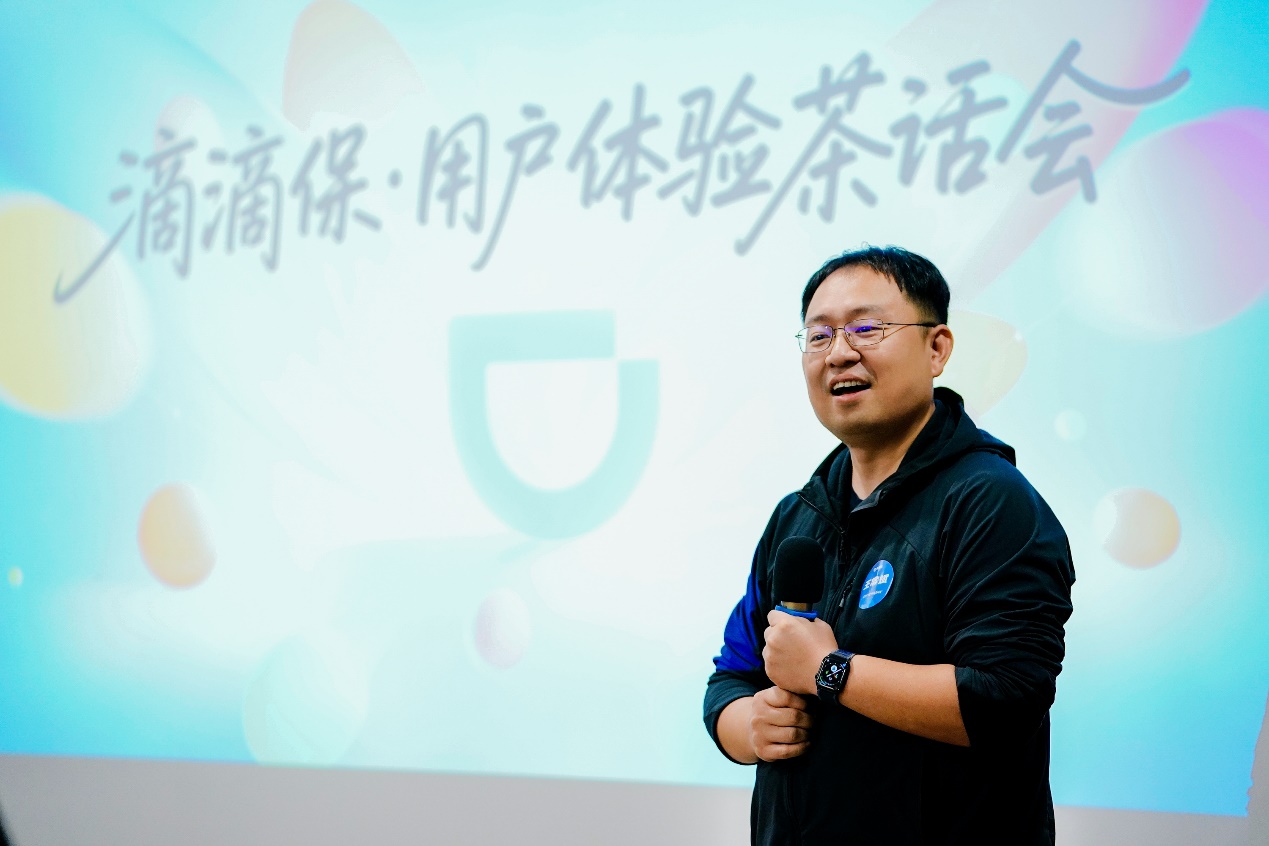
滴滴保推出千万赠险计划 持续践行普惠金融服务
Zhong Guo Jing Ji Wang· 2025-12-10 11:13
Group 1 - Didi's insurance brand "Didi Bao" announced it will provide 10 million insurance policies annually, covering various scenarios in travel and family life, aiming to offer convenient and secure insurance services to more users [1] - Wang Changbin, head of Didi Digital Insurance, stated that different users have varying insurance needs based on their travel and personal life scenarios, and the initiative aims to provide diverse protection for users to live and travel with peace of mind [1] Group 2 - Didi Digital (formerly Didi Finance) was established in 2016 and launched its insurance services the same year, with "Didi Bao" officially going live [2] - In October 2017, Didi Digital introduced Didi Bao for drivers, offering tailored insurance solutions for ride-hailing drivers, leveraging its insurance agency and technological innovations to provide professional and convenient internet insurance services [2] - Didi Bao has served millions of drivers and compensated them for income losses amounting to tens of millions of yuan [2] - Didi Bao offers a comprehensive protection system for drivers, including basic coverage for medical, critical illness, and accidents, along with customized insurance products like work interruption insurance and care insurance [2] - In December 2021, Didi Bao launched work interruption insurance to explore innovative insurance solutions for drivers' economic income protection, allowing claims to be initiated online at any time [2] - Didi Bao has introduced nearly 100 insurance products, serving tens of millions of users, with total compensation amounts reaching hundreds of millions of yuan [2]


“双精准”革新:科技驱动下的创新实践
Qi Lu Wan Bao· 2025-12-10 11:04
Core Viewpoint - Ping An Property & Casualty Insurance Company of Qingdao has launched a digital map-based agricultural insurance model called "Double Precision," marking a significant step towards high-quality development in agricultural insurance [1][2]. Group 1: Innovation in Agricultural Insurance - The "Double Precision" model addresses traditional agricultural insurance challenges such as inaccurate data, vague loss assessment, and unfair claims by utilizing a high-precision digital map for comprehensive digital mapping of "land, rights, assets, and people" [1]. - The model transitions from "experience-driven" to "data-driven," employing satellite remote sensing, AI recognition, and meteorological big data to create an integrated monitoring system for dynamic tracking of crop growth throughout its lifecycle [1][2]. - The system provides early warnings before disasters and combines online remote loss estimation with offline inspections post-disaster to ensure objective and fair loss assessments, enhancing claims efficiency and protecting the rights of insured farmers [1]. Group 2: Accessibility and Fairness in Services - The "Ainongbao" app allows farmers to self-insure, verify standards, report claims, and check claim statuses, ensuring equal recording and verification of all land information, thus breaking down service barriers that favored larger agricultural operators [2]. - The accurate ecological data generated supports the development of green insurance products, contributing to the advancement of "green finance" and promoting sustainable agricultural transformation [2]. Group 3: Recognition and Future Plans - The innovative practices of Ping An Property & Casualty Insurance in Qingdao have received high praise from authoritative bodies, including the Ministry of Agriculture and Rural Affairs and experts from Central University of Finance and Economics, for their replicable and promotable value [2]. - The company aims to deepen the "insurance + technology + service" model and solidify its leading position in the industry, providing robust support for rural revitalization and contributing to financial services for agriculture [3].

兴银理财:深耕践行普惠理财,做好普惠金融大文章
Zhong Guo Zheng Quan Bao· 2025-12-10 08:50
兴银理财党委委员、副总裁 章杉杉 兴银理财在金融为民理念指导下,从"普"和"惠"两方面入手,深耕普惠理财,丰富普惠金融的深刻内 涵,让金融"活水"润泽千家万户。 一是扩大普及范围,拓宽普惠金融广度。 在渠道合作上,兴银理财发挥兴业银行集团联动力量,深耕中小金融机构理财和农村金融理财蓝海,协 同中小银行理财净值化转型,陪伴中小银行财富管理业务发展。在农信机构代销合作方面,截至2025年 6月末,兴银理财已公告合作法人农信机构数量超440家,合作覆盖浙江、江苏、广东、广西、福建、陕 西、吉林、新疆等20个省级行政区,省级农信机构合作覆盖率达67%。 党的二十届四中全会明确指出,要加大保障和改善民生力度,扎实推进全体人民共同富裕。2025年6 月,由国家金融监督管理总局和中国人民银行印发的《银行业保险业普惠金融高质量发展实施方案》指 出,未来五年,基本建成高质量综合普惠金融体系,普惠金融促进共同富裕迈上新台阶。 作为国民经济的血脉,金融可以通过其普惠性打破传统经济资源分配不均的壁垒,为全社会提供相对平 等的金融服务环境,所以普惠金融是适应新时代、把握新变化、构建新格局的重要命题,是促进实现共 同富裕、实现社会主义现 ...
“不干就输了”,退伍老兵虾田创业,借力分期乐普惠盘活四百亩小龙虾
Xin Lang Cai Jing· 2025-12-10 07:53
炒股就看金麒麟分析师研报,权威,专业,及时,全面,助您挖掘潜力主题机会! 深圳的服装厂、豆制品工厂、建筑工地等等,丁建军干过活的地方很多,"艺多不养家",丁建军如此自 嘲,透着对安稳的向往。2019年下半年,他带着在广东攒下的积蓄回到潜江老家,决定把创业的起点定 在虾塘里。 起步并不顺利。丁建军包下一百五六十亩地,几乎投进了所有积蓄。"2020年虾苗涨到四十多块一斤, 地租也往上走。"可没想到,等到成品虾上市时,收购价却跌到了八九块钱。"缺乏经验,行情波动大, 第一年就亏了五六十万。"丁建军说。 编者按:一个从军多年的老兵,退伍后辗转多地打工,最终成为经营400多亩虾田的创业者。丁建军用 五年多时间,在湖北潜江的田埂上走通了这条属于自己的路。他的创业历程中,有挫败也有坚持,有摸 爬滚打积累的养殖经验,也有常常面临经营资金周转的困境。作为普惠金融万千受益者中的一员,丁建 军的经历恰是缩影。在分期乐普惠深入县域产业肌理的属地化服务加持下,一个个微小梦想正在县域乡 土间蓬勃生长。 眼下正是稻虾共作的休整期,水田里的水稻秸秆经水浸泡,下半截已泛起深褐色,正悄悄腐熟成来年小 龙虾最爱的天然养料。湖北潜江后湖养殖户丁建军 ...


靶向赋能 精准滴灌 普惠金融助力经济高质量发展的吉林实践
Jin Rong Shi Bao· 2025-12-10 02:13
Core Viewpoint - The financial institutions in Jilin Province are leveraging inclusive finance to support key sectors such as agriculture, small and micro enterprises, and technology innovation, leading to significant economic development in the region [1]. Group 1: Financial Support for Biopharmaceuticals - Changchun Zhuoyi Biological Co., Ltd. has benefited from sufficient credit support from the Bank of China, enabling the company to invest in technology and expand production capacity [2]. - The Bank of China has actively engaged with technology companies, providing tailored financial products and services, which has led to successful project approvals and funding for various enterprises [3]. Group 2: Support for Technology Enterprises - The Bank of China has established a specialized service team to assist a pharmaceutical company with a large-scale headquarters project, resulting in the approval of significant credit lines [3]. - Qiushi Spectrum Technology Co., Ltd. has received early-stage support from CITIC Bank, which included a 5 million yuan credit line to facilitate research and development, later increased to 80 million yuan as the company grew [4]. Group 3: Financing Solutions for Automotive Industry - The automotive industry in Changchun faces challenges in financing for small and micro enterprises due to their asset size and lack of traditional collateral [6][7]. - Ping An Bank has introduced a "whitelist scenario loan" scheme that transforms the identity value of core enterprises in the supply chain into financing guarantees, allowing small enterprises to secure loans based on their relationships and order data [8]. Group 4: Agricultural Financing Initiatives - The Bank of China has implemented a green approval channel to expedite loan processing for agricultural enterprises, significantly enhancing their operational capabilities [11]. - Jilin Rural Commercial Bank has developed digital inclusive financial products to support farmers, achieving a loan balance of 208.4 billion yuan for agricultural loans [13]. Group 5: Support for Specialty Industries - Postal Savings Bank has focused on financing for specialty industries in Jilin, providing nearly 15 billion yuan in loans to support local agricultural sectors [14]. - Industrial and Commercial Bank of China has launched various loan products to support grain and important agricultural products, enhancing financial supply for stable production [14].

从“规模扩张”到“价值创造” 保险业进入深度转型攻坚期
Jin Rong Shi Bao· 2025-12-10 02:03
Core Viewpoint - The 20th Central Committee's Fourth Plenary Session has approved the "Proposal on Formulating the 15th Five-Year Plan for National Economic and Social Development," which emphasizes the strategic role of the insurance industry in China's modernization process, transitioning from scale expansion to value creation [1][3]. Group 1: Strategic Positioning - The insurance industry is positioned as a core supporter of the social security system, evolving from a supplementary role to a co-builder of the system, addressing both basic social security gaps and personalized insurance needs [2]. - Insurance is expected to play a significant role in major national initiatives such as rural revitalization, technological innovation, and green development, serving as a financial tool and risk barrier [2]. - The industry is recognized as a risk manager for economic and social stability, addressing both traditional and emerging risks, including cybersecurity and data security [2]. Group 2: Historical Missions - The insurance industry has three historical missions during the 15th Five-Year period: safeguarding public welfare and promoting common prosperity, empowering the real economy, and enhancing risk governance to ensure national security [3]. - The focus on improving the insurance sector's role in reducing wealth disparities and supporting high-quality economic development is emphasized [3]. Group 3: Development Opportunities - The proposal outlines five key growth areas for the insurance industry: technology finance, green finance, inclusive finance, pension finance, and digital finance, presenting unprecedented development opportunities [4][5][6][7]. - Technology finance will create new risk protection demands and innovative insurance products, while green finance will expand the insurance product system to meet the needs of the green transition [4][5]. - Inclusive finance will tap into the potential of underserved markets, particularly in agricultural and health insurance, while pension finance will address the growing demand for retirement solutions amid an aging population [6]. - Digital finance will drive efficiency through technology, enhancing customer experience and enabling the development of customized insurance products [6]. Group 4: Challenges and Transformation - The insurance industry faces challenges such as product homogeneity, supply-demand mismatches, and a concentration of market power among leading firms, which hinder sustainable development [8]. - To transform challenges into development momentum, the industry must shift from scale-oriented to value-oriented growth, focusing on core protection functions and optimizing business structures [9][10]. - The industry should also transition from product competition to ecosystem competition, integrating services and resources to provide comprehensive solutions [10]. - Emphasizing technology-driven approaches will enhance product innovation and operational efficiency, while global collaboration will expand international business opportunities [10][11]. - A proactive risk management model is essential, focusing on prevention, control, and compensation to strengthen the overall risk management framework [11].
让普惠金融的脚步行走于“白山黑水”之间 访中国人民银行吉林省分行党委书记、行长朱兆文
Jin Rong Shi Bao· 2025-12-10 02:02
Core Viewpoint - The article emphasizes the importance of developing inclusive finance in Jilin Province, aligning with the national "14th Five-Year Plan" to enhance financial services for various sectors, particularly agriculture and small enterprises, to promote high-quality economic development [1]. Group 1: Inclusive Finance Development - Jilin Province aims to deepen inclusive finance by providing targeted financial services for agriculture, small and micro enterprises, and technology-driven companies, enhancing accessibility for these groups [1][2]. - The province has established a "key entity list + bank precise matching" service mechanism to support small farmers and agricultural industry chains, with agricultural loans reaching 639.6 billion yuan, accounting for 22.5% of total loans [2]. - Initiatives include the "Golden Run Jilin" campaign, which has facilitated 1,068 financing matchmaking events, connecting 15,000 businesses and achieving financing intentions of 163.51 billion yuan [7]. Group 2: Financial Support for Small and Micro Enterprises - The province has implemented a financial service capacity enhancement project for small and micro enterprises, resulting in a 71.2% increase in loan balances and a 58% rise in the number of credit accounts by September 2025 compared to the end of 2020 [1][2]. - Special actions have been taken to support private enterprises, including seasonal financial service campaigns and targeted loan support, with a focus on high-quality development [1][2]. Group 3: Policy Tools and Financial Mechanisms - The People's Bank of China in Jilin has utilized various monetary policy tools to enhance the effectiveness of inclusive finance, including record-high re-loan and re-discount amounts, totaling 2,434.1 billion yuan [5]. - Structural monetary policy tools have been employed to guide financial support, with 234 billion yuan allocated for various sectors, including clean coal utilization and technological innovation [5]. - The province has also implemented measures to improve transparency in loan pricing, benefiting 1,829 small and micro enterprises with loans totaling 4.8 billion yuan [8]. Group 4: Information and Technology Integration - The establishment of diverse information channels is crucial for addressing information asymmetry in inclusive finance, with initiatives to share enterprise information between banks and relevant departments [6][7]. - The "Jiqi Yintong" platform has facilitated 38,000 financing requests from small and micro enterprises, resulting in 1.15 billion yuan in financing [7]. - Efforts to enhance the efficiency of financing connections through digital technology have been emphasized, with significant support for new agricultural operators [7].
成都银行 书写“十四五”特色金融答卷
Si Chuan Ri Bao· 2025-12-09 20:35
业绩增长突飞猛进 万亿规模筑牢发展基石 "十四五"期间,成都银行始终以"稳健经营、高质量增长"为导向,交出一份亮眼的经营业绩答 卷,实现历史性跨越,资产规模从2020年末的6524.34亿元跃升至万亿级别,一举成为西部城商行 中首个迈入"万亿俱乐部"的成员。截至2025年9月末,该行总资产规模已达1.38万亿元,较年初增 长10.81%,继续保持稳健的增长步伐。 在资产规模稳步扩张的同时,成都银行的存贷款业务连续4年呈现千亿级增长态势。截至2024年 末,存款总额8859亿元,较上年末新增1054.38亿元,同比增幅13.51%;贷款总额达到7426亿元, 较上年末新增1168.26亿元,同比增幅18.67%,存贷比达到83.8%,资产结构进一步优化。该行持 续加大信贷投放力度,为区域实体经济注入强劲的金融动能。 □金宇杏 "十四五"以来,扎根巴蜀二十七载的成都银行,始终锚定国家战略与区域发展脉搏,坚守"服务地 方经济、服务小微企业、服务城乡居民"初心,深耕科技金融、绿色金融、普惠金融、养老金融、 数字金融"五篇大文章",实现规模、效益、质量三维跃升。其间,该行连续跻身英国《银行 家》"全球银行1000强"与 ...
连续12年!青岛农商银行再获外汇业务合规与审慎经营评估“A类银行”称号
Sou Hu Cai Jing· 2025-12-09 09:44
近日,国家外汇管理局青岛市分局公布2025年度外汇业务合规与审慎经营评估结果,青岛农商银行凭借 扎实的合规管理、专业的跨境服务能力,再次斩获"A类银行"称号。这也是青岛农商银行在国家外汇管 理局青岛市分局的指导与支持下,连续第12年获此殊荣。 深耕本土市场多年,青岛农商银行以产品创新回应企业跨境金融需求。针对中小微外贸企业"融资难、 融资贵"问题,围绕企业海关、国际结算等数据推出"外贸易贷",累计发放融资款项4.36亿元;围绕原 产地证业务数据推出"贸信e贷",累计发放融资款项1148万元;引入转贷款专项资金支持,推出"外贸提 振贷",累计发放融资款项7亿元。聚焦"一带一路"合作机遇,创新推出"中巴清算直通车",累计为76家 企业办理业务金额超千万美元,为企业开拓南亚市场搭建高效结算桥梁。在普惠金融领域持续突破,落 地全省首笔"单一窗口"线上三方赔转协议"银信融"业务,创新实现保单融资三方协议"线上秒签",大幅 提升小微企业融资效率,让金融服务更具温度与速度。 合规根基筑牢:为业务发展保驾护航 合规是金融业务的生命线。青岛农商银行严格落实"了解客户、了解业务、尽职审查"展业三原则,深刻 把握"实质真实"核心要 ...

学习贯彻党的二十届四中全会精神丨中信保诚人寿在行动
Xin Lang Cai Jing· 2025-12-09 09:42
Core Viewpoint - The 20th Central Committee's Fourth Plenary Session has outlined a strategic framework for China's economic and social development over the next five years, emphasizing new and higher requirements for financial work. CITIC Prudential Life Insurance aims to integrate its development into the national strategy while focusing on five key areas: technology finance, green finance, inclusive finance, pension finance, and digital finance [1][10]. Strategic Transformation Driving Development - CITIC Prudential Life Insurance is guided by the Party's innovative theories and has implemented the "1628" strategic plan, which focuses on innovation as a driving force. This plan includes six key projects aimed at enhancing service capabilities and achieving a comprehensive upgrade from "risk compensation" to "service empowerment" [11][12]. - The company's performance reflects the success of its transformation, with insurance business revenue reaching 27.833 billion yuan and net profit at 3.14 billion yuan for the first three quarters of 2025. Total assets exceeded 270 billion yuan, and the asset management scale of its subsidiary approached 370 billion yuan. The solvency ratios are well above regulatory requirements, with a comprehensive solvency ratio of 215% and a core solvency ratio of 110% [2][11]. Focus on Pension Finance - Pension finance is a core area for CITIC Prudential Life Insurance, directly impacting the well-being of families. The company views the national strategy for addressing population aging as a significant opportunity and aims to develop a comprehensive pension finance system [3][13]. - The company has optimized its product structure, achieving a 606% year-on-year increase in sales of pension-related products by September 2025, indicating strong market recognition of its pension solutions [3][13]. Comprehensive Advancement in Financial Services - In addition to focusing on pension finance, CITIC Prudential Life Insurance has made solid progress in other areas, demonstrating a systematic approach to serving the needs of the real economy and people's livelihoods [4][14]. Technology Finance - The company leverages its stable long-term insurance funds to support advanced manufacturing and technological innovation, serving over 440 national-level specialized and innovative enterprises and providing group insurance services to nearly 160 related companies [5][6][15]. Green Finance - CITIC Prudential Life Insurance actively implements the "dual carbon" strategy, integrating ESG principles into investment decisions. By September 2025, the scale of its green and social responsibility investments reached 21.527 billion yuan, ranking among the top in the joint venture life insurance sector [7][16]. Inclusive Finance - The company remains committed to the principle of "finance for the people," innovating inclusive insurance products that cover both the elderly and children. By mid-2025, inclusive life insurance had effectively covered 631,900 individuals, with a total effective insurance amount of 97.04 billion yuan [8][17]. Digital Finance - CITIC Prudential Life Insurance is advancing "customer management digitization" as a strategic initiative, enhancing the application of big data and artificial intelligence. This has led to significant improvements in electronic insurance applications, smart underwriting, and claims efficiency [9][18].