
人民币资产

Search documents
上半年外汇收支数据向好,外资增配人民币资产成亮点
第一财经· 2025-07-22 15:55
Core Viewpoint - The article discusses the resilience of China's foreign exchange market in the face of complex external environments, highlighting the stable operation and strong fundamentals of the market despite increased risks and challenges [1][2]. Group 1: Foreign Exchange Market Performance - In the first half of the year, China's foreign exchange market demonstrated strong resilience, with a net inflow of cross-border funds amounting to $127.3 billion, continuing the trend from the second half of the previous year, and a 46% increase in net inflow in the second quarter [2]. - The foreign exchange market showed several positive trends, including a steady increase in foreign-related income and expenditure, a balanced supply and demand, and stable foreign exchange reserves [2]. - The RMB appreciated by 1.9% against the USD in the first half of the year, maintaining a stable range of 7.15 to 7.35, which helped stabilize market expectations [2][3]. Group 2: International Balance of Payments - China's current account surplus has been steadily increasing, indicating a balanced international payment situation, with a corresponding financial account deficit that is roughly equivalent to the current account surplus [3]. - From January to May, direct investment inflows into China reached $31.1 billion, a 16% year-on-year increase, while securities investment inflows amounted to approximately $33 billion, reversing the previous year's outflow trend [3]. Group 3: Policy and Regulatory Environment - The foreign exchange management authorities have been optimizing policy supply and deepening reforms to enhance the convenience of cross-border trade and investment, while also cracking down on illegal activities [4]. - Over 400 cases of foreign exchange violations were addressed in the first half of the year, demonstrating the effectiveness of regulatory measures [4]. Group 4: Foreign Investment in RMB Assets - Foreign investment in RMB assets has remained stable, with foreign holdings of domestic RMB bonds exceeding $600 billion, marking a historically high level [6]. - In the first half of the year, foreign investors net purchased $10.1 billion in domestic stocks and funds, reversing the net selling trend of the past two years [6]. - The attractiveness of RMB assets is expected to continue growing, supported by a stable macroeconomic environment and positive investment sentiment from international financial institutions [6][7].

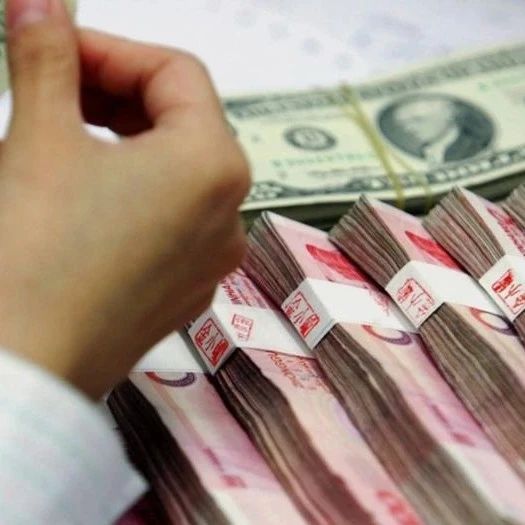
新华鲜报|净增持101亿美元!外资持续加码人民币资产
Sou Hu Cai Jing· 2025-07-22 13:29
Core Insights - Foreign investment in RMB-denominated assets has shown stability and growth, with foreign holdings of domestic RMB bonds exceeding $600 billion and net inflows into domestic stocks and funds reaching $10.1 billion in the first half of the year, particularly increasing to $18.8 billion in May and June [1][3] - The overall foreign investment in RMB assets is expected to continue its stable and sustainable growth, supported by a robust macroeconomic environment and improved financial market conditions in China [3][5] Group 1 - The GDP of China grew by 5.3% year-on-year in the first half of the year, with domestic demand contributing 77% to economic growth in the second quarter, an increase of 17 percentage points [4] - The implementation of policies to expand domestic demand is expected to further consolidate the positive economic trend, with several international investment banks upgrading their ratings on Chinese assets from neutral to overweight [5] - China's financial market has developed a comprehensive and deep system, with both bond and stock markets ranking second globally, providing diverse options for foreign investors [5] Group 2 - The demand for diversified global asset allocation has created favorable opportunities for foreign investment in China, as RMB assets are seen as important for risk diversification and yield enhancement [5] - In the first five months of the year, net inflows of equity investment into China reached $31.1 billion, a 16% year-on-year increase, while outbound direct investment remained stable at $51.9 billion [6] - As of March 2025, China's external liabilities are projected to be $7.1 trillion, with external assets at $10.7 trillion, reflecting the effectiveness of attracting foreign investment and holding RMB assets [6]
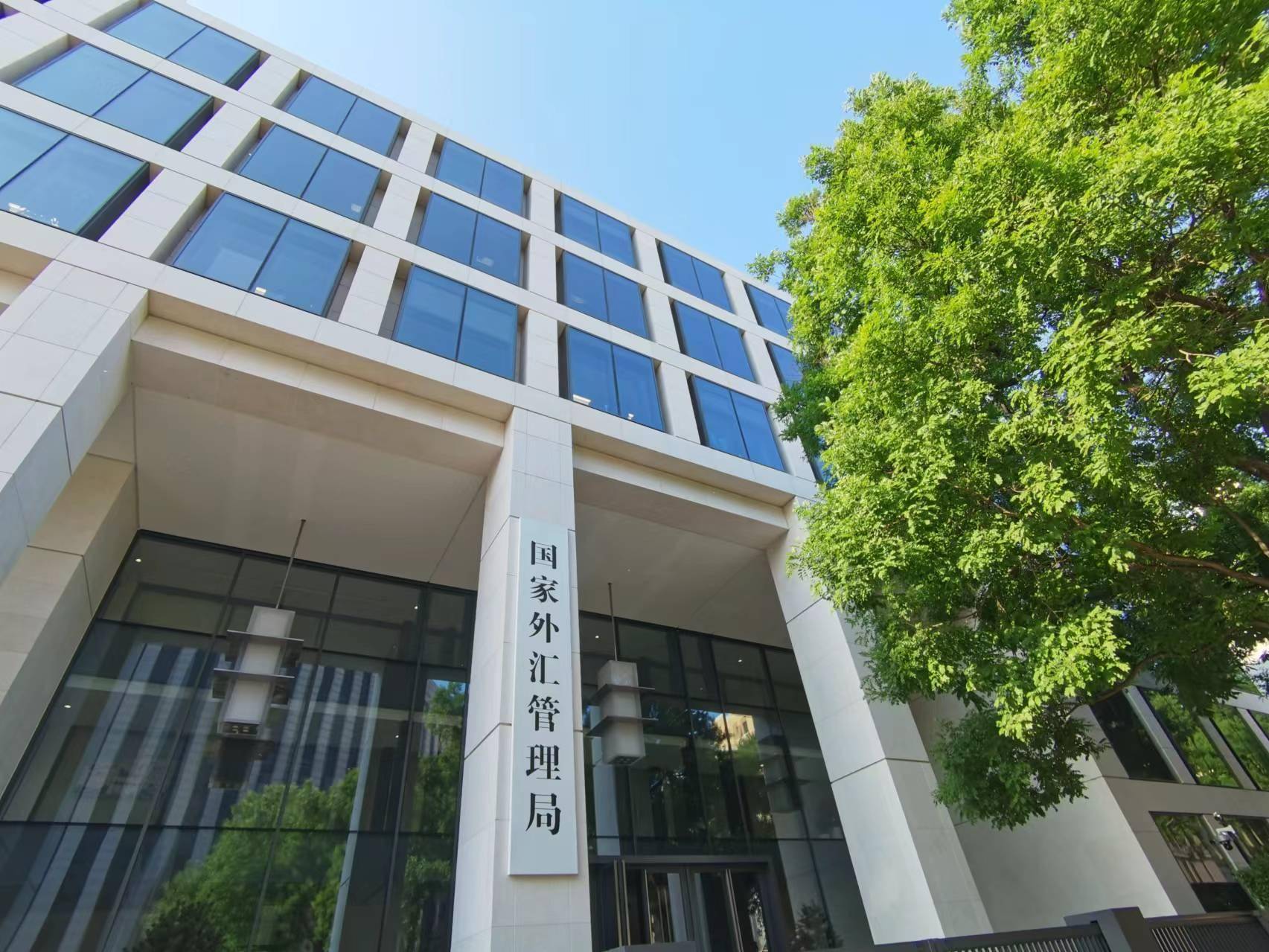
上半年外汇收支数据向好,外资增配人民币资产成亮点
Di Yi Cai Jing· 2025-07-22 11:33
Core Viewpoint - The Chinese foreign exchange market has demonstrated resilience amid complex external conditions, maintaining stability and showing no significant unilateral appreciation or depreciation expectations for the Renminbi [1][2][4]. Group 1: Foreign Exchange Market Performance - In the first half of the year, the net inflow of cross-border funds from non-bank sectors reached $127.3 billion, continuing the trend from the second half of last year, with a 46% quarter-on-quarter increase in Q2 [2]. - The Renminbi appreciated by 1.9% against the US dollar in the first half, fluctuating within the range of 7.15 to 7.35, indicating its role as a stabilizer for macroeconomic and international balance of payments [2][3]. - The foreign exchange market has shown balanced supply and demand, with active trading and stable foreign exchange reserves [2][4]. Group 2: International Balance of Payments - The current account surplus has been steadily increasing, maintaining a reasonable equilibrium, while the non-reserve financial account has shown a deficit roughly equivalent to the current account surplus [3]. - Direct investment inflows into China reached $31.1 billion from January to May, a 16% year-on-year increase, while securities investment net inflows were approximately $33 billion, reversing the previous year's outflow trend [3][6]. Group 3: Foreign Investment in Renminbi Assets - Foreign investment in Renminbi assets has remained stable, with foreign holdings of domestic Renminbi bonds exceeding $600 billion, a historically high level [6]. - In the first half of the year, foreign investors net increased their holdings of domestic stocks and funds by $10.1 billion, reversing a two-year trend of net reductions [6]. - The attractiveness of Renminbi assets is expected to grow, with foreign investors currently holding about 3% to 4% of the market value of domestic bonds and stocks, indicating potential for sustainable growth in foreign allocations [6][7].
外资净增持境内股票和基金101亿美元!国家外汇局最新发声
Zheng Quan Shi Bao· 2025-07-22 10:10
Core Viewpoint - The National Foreign Exchange Administration emphasizes that China's foreign exchange market is expected to remain stable in the second half of the year, supported by robust economic fundamentals, steady progress in opening up, and enhanced market resilience [3][4]. Economic Fundamentals - China's GDP grew by 5.3% year-on-year in the first half of the year, with domestic consumption and capital formation contributing 77% to economic growth, an increase of 17 percentage points from the previous quarter [3]. - The country is committed to expanding domestic demand as a long-term strategy, promoting the integration of technological and industrial innovation [3]. Foreign Exchange Market Resilience - The resilience of China's foreign exchange market has improved, with a more flexible exchange rate mechanism that can respond to external pressures [4]. - The corporate awareness of exchange rate risk has increased, with the foreign exchange hedging ratio and the proportion of cross-border RMB transactions reaching historical highs of around 30% [4]. Cross-Border Capital Flows - In the first half of the year, there was a net inflow of $127.3 billion in cross-border funds from non-bank sectors, continuing the trend from the second half of last year, with a 46% increase in the second quarter [5]. - Foreign investment in domestic stocks and bonds increased, with a net inflow of $10.1 billion in stocks and funds, reversing the previous two years' net outflow trend [6]. International Investment Trends - A survey indicated that 30% of global central banks plan to increase their allocation to RMB assets, reflecting the growing appeal of RMB-denominated investments for risk diversification [7]. Banking Sector Developments - Six new banks initiated foreign exchange business reforms in the first half of the year, bringing the total to 22 banks involved in these reforms [8]. Service Trade Performance - China's service trade income grew by 13% year-on-year in the first half of the year, with cross-border travel income increasing by 42% and the service trade deficit decreasing by 14% [9]. Direct Investment Trends - From January to May, net inflows of equity direct investment into China increased by 16% year-on-year, amounting to $31.1 billion [10]. Currency Exchange Rate Stability - The RMB appreciated by 1.9% against the USD in the first half of the year, maintaining stability within a range of 7.15 to 7.35 [11]. - The market shows no significant expectations for RMB appreciation or depreciation, indicating rational trading behavior [12]. Market Activity - The total trading volume in the domestic RMB foreign exchange market reached $21 trillion in the first half of the year, a 10.2% increase year-on-year [14]. - The combined scale of bank settlement and sale of foreign exchange reached $2.3 trillion, marking the second-highest level for the same period historically [15]. - The total scale of foreign-related income and expenditure reached $7.6 trillion, a historical high for the same period, with a year-on-year growth of 10.4% [16].

数据擦亮人民币资产“成色”
经济观察报· 2025-07-16 11:19
Core Viewpoint - The article emphasizes that China's economy has shown a stable and improving performance in the first half of the year, which is reflected in the financial data and the "credit image" of RMB assets, influencing their future valuation [1][29]. Financial Data Summary - In June, new RMB loans amounted to 2.24 trillion yuan, and the new social financing scale reached 4.2 trillion yuan, with a year-on-year growth of 8.9% in social financing stock and 8.3% in broad money supply (M2) [5][9]. - The Shanghai Composite Index increased by 2.76% in the first half of the year, while the 10-year government bond yield showed a "first up then down" trend [6]. - The RMB against the USD fluctuated but stabilized below 7.2 yuan after mid-May, with a 2.41% increase noted [7][9]. Economic Performance Indicators - The GDP for the first half of the year was 66.0536 trillion yuan, with a year-on-year growth of 5.3% [16]. - The contribution rates of the three drivers of economic growth were 52% from final consumption expenditure, 16.8% from capital formation, and 31.2% from net exports of goods and services [20]. Consumer Market Insights - The total retail sales of consumer goods reached 24.55 trillion yuan, growing by 5% year-on-year, with notable acceleration in service consumption [21]. - Six characteristics of consumption in the first half include accelerated service consumption, enhanced holiday consumption, and the rise of new consumption models [21]. Investment Trends - Fixed asset investment totaled 24.9 trillion yuan, with a nominal growth of 2.8%, indicating a cautious investment climate influenced by external complexities and internal price declines [22]. - The real estate market is experiencing a downturn, with sales area and amount decreasing, necessitating efforts to stabilize the market [23]. Policy and Future Outlook - The article suggests that the macroeconomic policies will continue to support stable economic growth, with a focus on high-quality development and structural improvements [27][28]. - The expectation for the second half of the year is positive, with ongoing support for consumption and investment policies [25][26].

数据擦亮人民币资产“成色”
Jing Ji Guan Cha Wang· 2025-07-16 06:17
Group 1: Monetary Policy and Financial Data - The monetary policy has shown significant support for the real economy, with June's new RMB loans reaching 2.24 trillion yuan and new social financing scale at 4.2 trillion yuan, leading to an 8.9% year-on-year growth in social financing stock and an 8.3% growth in M2 [3][5] - The financial market remains resilient despite external challenges, with the Shanghai Composite Index rising by 2.76% in the first half of the year and the offshore RMB appreciating by 2.41% against the USD [3][5] - The structure of loans has improved, with corporate loans accounting for nearly 90% of new loans, and significant growth in green, technology, and inclusive loans [6][5] Group 2: Economic Performance - The GDP for the first half of the year was 66.05 trillion yuan, reflecting a year-on-year growth of 5.3%, with per capita disposable income also increasing by 5.3% nominally [9][10] - The contribution of final consumption expenditure to GDP growth was 52%, indicating strong domestic demand, while fixed asset investment reached 24.9 trillion yuan, growing by 2.8% nominally [12][13] - The service sector's contribution to GDP growth exceeded 60%, highlighting its increasing importance in the economy [16][17] Group 3: Future Outlook - The economic outlook for the second half of the year is optimistic, supported by stable growth in the first half and ongoing macroeconomic policies aimed at sustaining economic stability [15][16] - The government plans to introduce measures to stimulate consumption, which is expected to continue driving economic growth [13][12] - The resilience of trade is evident, with a 2.9% increase in total goods import and export value, despite external pressures [16][17]

央行江会芬:债券通“南向通”参与投资者将扩容至非银机构
Jing Ji Guan Cha Wang· 2025-07-08 04:06
Group 1 - The People's Bank of China announced three new measures to enhance financial market connectivity between the mainland and Hong Kong, supporting the development of the offshore RMB market [1][2] - The first measure involves improving the operation mechanism of the "Southbound Bond Connect," allowing more domestic investors to invest in the offshore bond market, with recent expansions to include non-bank institutions such as brokerages, funds, insurance, and wealth management [1] - The second measure optimizes the offshore repurchase business mechanism under the Bond Connect, broadening the range of tradable currencies and enhancing liquidity management for foreign investors [1][2] Group 2 - The third measure focuses on optimizing the swap connect mechanism to better meet investors' interest rate risk management needs, including expanding the range of products and adjusting daily trading limits [2] - The Bond Connect has seen significant growth, with cumulative transactions reaching 915.6 billion yuan and an average daily transaction volume of 48.2 billion yuan as of May, marking a 31-fold increase compared to the first month of operation [2] - Despite global market volatility due to U.S. tariff policies, the Chinese bond market remains stable, with foreign institutions increasing their holdings of Chinese bonds by nearly 200 billion yuan since the beginning of the year [3]
国家外汇局副局长李斌:2025年第一季度 重因素推动外债规模企稳回升
news flash· 2025-06-27 09:11
Core Insights - The Deputy Director of the State Administration of Foreign Exchange, Li Bin, indicated that China's external debt is expected to see a slight increase in the first quarter of 2025, driven by various factors including international changes and domestic economic recovery [1] Group 1 - China's external debt scale is projected to stabilize and slightly increase in Q1 2025 due to multiple influences [1] - The currency structure of external debt is being optimized, while the maturity structure remains stable [1] - Increased foreign investment in RMB-denominated bonds is contributing to the stabilization and growth of external debt [1] Group 2 - The external shocks have intensified since 2025, leading to significant fluctuations in international financial markets [1] - Despite these challenges, China's economy continues to show stable growth, demonstrating resilience and risk management capabilities in its domestic financial markets [1] - The attractiveness of RMB assets has further improved, encouraging foreign investment [1]
人民币资产,火!
天天基金网· 2025-06-20 03:27
Core Viewpoint - The article emphasizes the increasing interest of international investors in RMB assets amid global capital market volatility and the need for portfolio rebalancing [1][2]. Group 1: Global Capital Market Dynamics - The global capital market has experienced significant volatility this year, particularly affecting the status of USD assets as a "safe haven" [1]. - International investors are actively seeking to rebalance their investment portfolios in response to these market changes [1]. Group 2: China's Economic Potential - Several foreign financial institutions highlighted the unique advantages of Chinese assets in global fund diversification during the 2025 Lujiazui Forum [1]. - Howard Marks noted that despite global market fluctuations, China's economy exhibits structural advantages, summarized as "1234" characteristics [3][4]. - The "1" represents a single goal of transitioning to high-quality growth, which requires two transformations: green and digital [3]. - The "3" refers to the coordinated efforts of monetary policy, fiscal policy, and structural reform policy to guide the economy [4]. - The "4" highlights four fundamental advantages of China: a highly educated workforce, a large middle-class market, excellent infrastructure, and a comprehensive supply chain [4]. Group 3: Financial Market Internationalization - Howard Marks proposed two key suggestions for enhancing the internationalization of China's financial market: deepening the opening of investment asset categories to foreign investors and optimizing the foreign product access mechanism [6][7]. - Gokul Laroia emphasized the importance of collaboration between Shanghai and Hong Kong to attract significant capital flows, noting that even a small outflow from the US could represent a substantial amount [4][5]. - David Perez de Albeniz mentioned that 70% of the 1,500 fund companies they collaborate with are interested in the Chinese market, indicating a strong demand for investment opportunities in China [4]. Group 4: Recommendations for Attracting Foreign Investment - High Laroia highlighted the necessity of creating a conducive environment for RMB internationalization, suggesting that both Shanghai and Hong Kong play crucial roles in this process [7]. - The establishment of a globally adaptable credit rating system and a liquid secondary market are essential for attracting patient capital and facilitating foreign investment in China [7].

银河证券:预计6月A股市场将大概率震荡上行
news flash· 2025-05-30 04:42
银河证券:预计6月A股市场将大概率震荡上行 订阅A股市场资讯 +订阅 金十数据5月30日讯,最近市场受外围扰动非常明显,从A股自身来看,银河证券认为,当前短期扰动 因素增加主要是美国不确定性重新增加,美欧关税风波再起、美国经济仍存不确定性等,都将压制风险 偏好。预计6月A股市场将大概率震荡上行。国内经济持续复苏,工业增加值4月累计同比维持在6%左 右,显示工业生产保持稳定增长。随着经济复苏的持续叠加国内政策保持积极态势,并且我国监管层多 次发声表达对A股市场的呵护,人民币资产作为美国信用的一种对冲可能受益,多因素共振将持续助力 市场风险偏好提升。近期市场波动加大、行业轮动加快,未来市场主线有望逐步聚焦于核心资产。 (券商中国) ...