
洗钱

Search documents
涉欺诈银行和洗钱,印度富豪逾8亿美元企业资产遭查封
Xin Hua She· 2025-11-04 16:24
Core Points - The Enforcement Directorate of India has seized assets worth over 75 billion rupees (approximately 846 million USD) belonging to Anil Ambani and his associated companies as part of an investigation into allegations of bank fraud and money laundering [1] - Anil Ambani, born in 1959 in Mumbai, is the chairman of Reliance Group, one of India's largest private enterprises, which was founded by his father, Dhirubhai Ambani [1] - The seized assets include office spaces, residences, and over 53 hectares of land, with the Enforcement Directorate stating that multiple companies under Reliance Group have engaged in fraudulent transfers of public assets [1] Company Overview - Reliance Group was split in 2005 between Anil Ambani and his brother Mukesh Ambani, with Anil receiving sectors such as energy, telecommunications, and finance, while Mukesh took control of petrochemicals and currently serves as the chairman of Reliance Industries [1] - The Enforcement Directorate aims to recover the illicit funds for legitimate claimants [1]
ED attaches RCom's land worth over ₹4,462 crore in money laundering case
MINT· 2025-11-03 16:26
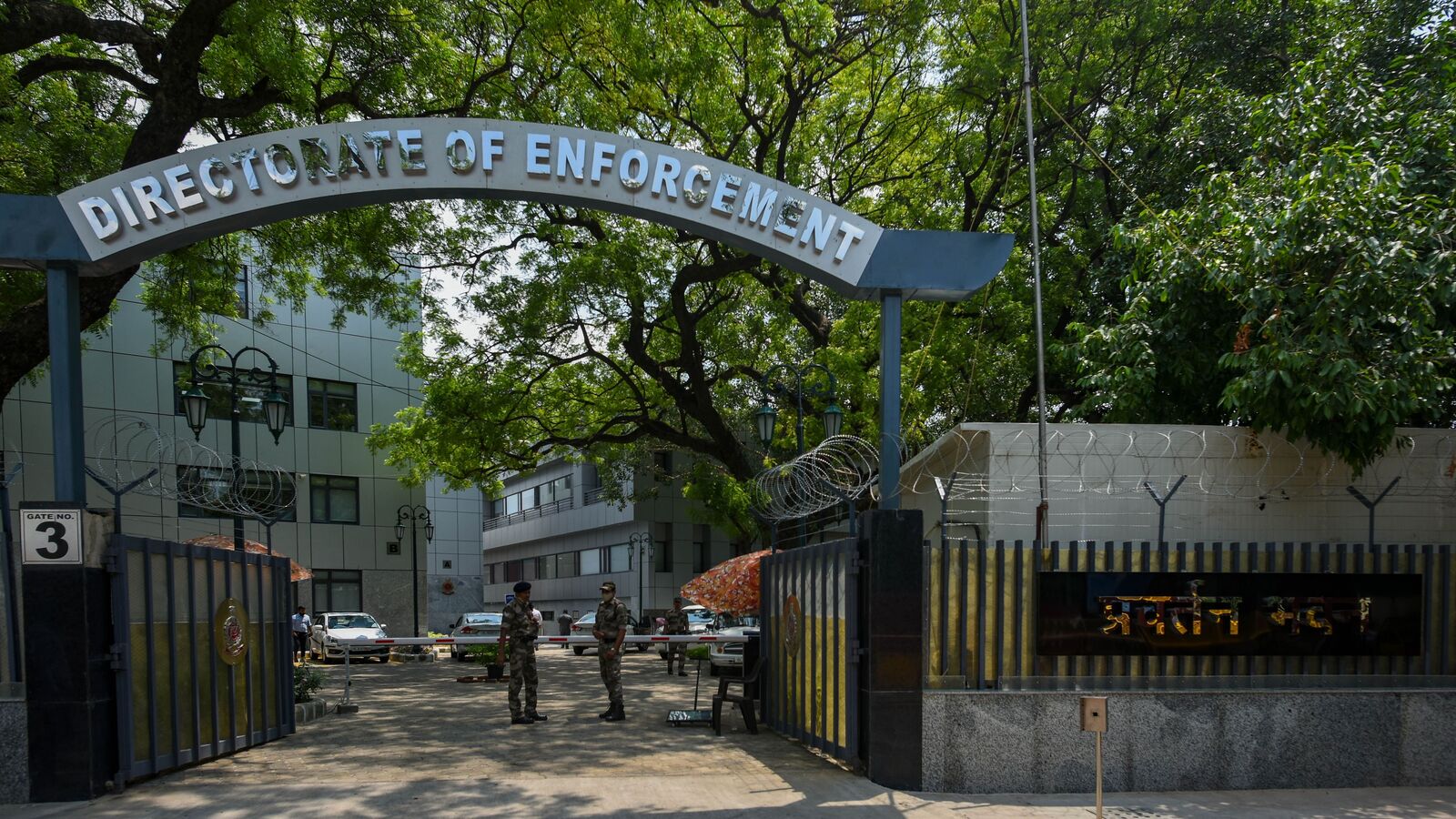
New Delhi: The enforcement directorate (ED) has provisionally attached over 132 acres of land in Dhirubhai Ambani Knowledge City (DAKC), Navi Mumbai, Maharashtra, valued at approximately ₹4,463 crore under the Prevention of Money Laundering Act.This brings the total asset seizures to more than ₹7,500 crore in cases involving Reliance Communications Ltd (RCom), Reliance Commercial Finance Ltd, and Reliance Home Finance Ltd, the investigating agency said on Monday.ED, in a statement, said that earlier it had ...

美英围剿太子集团,新加坡家办再卷入“洗钱风暴”
3 6 Ke· 2025-11-03 12:57
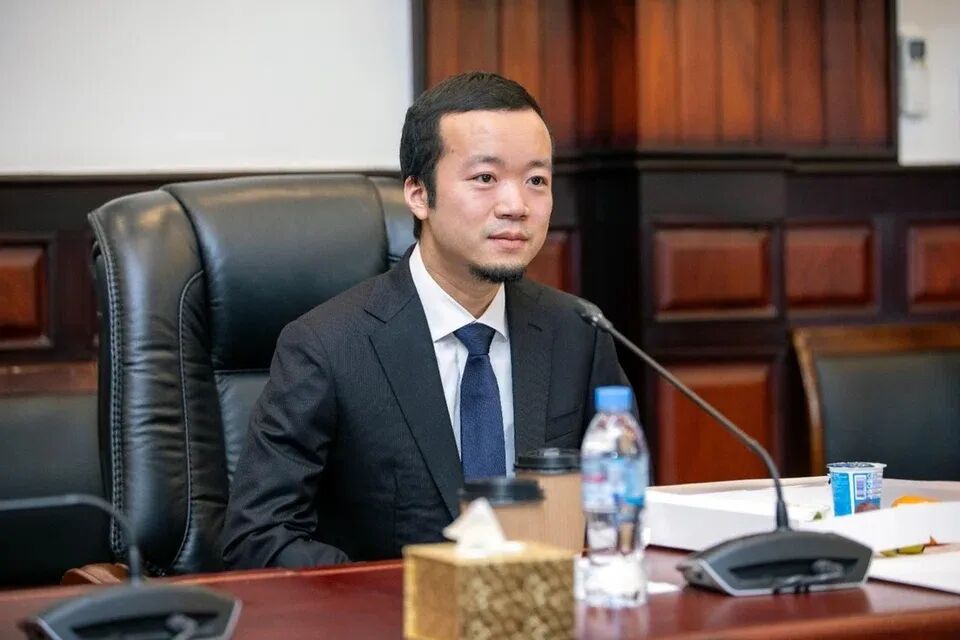
Core Insights - The joint legal action by the US and UK against Chen Zhi, chairman of the Prince Group, exposes a significant cross-border money laundering network in Southeast Asia, highlighting vulnerabilities in Singapore's financial system [1][2][16]. Group 1: Legal Actions and Allegations - On October 14, 2025, the US and UK jointly filed charges against Chen Zhi for leading a large-scale cross-border investment scam and money laundering operation, marking the most extensive coordinated action against Southeast Asian cybercrime to date [2][16]. - The US Treasury's Office of Foreign Assets Control (OFAC) sanctioned the Prince Group and 146 related individuals and entities, while the New York Eastern District Attorney charged Chen with conspiracy to commit telecommunications fraud and money laundering [2][16]. - The case revealed that the Prince Group, which ostensibly operates in real estate, banking, and hospitality, is actually involved in human trafficking and forced labor within scam operations described as "prison-like" environments [2][4]. Group 2: Chen Zhi's Background and Operations - Chen Zhi, born in 1987 in Fujian, China, acquired Cambodian citizenship through a $250,000 donation and has since built the Prince Group into one of Cambodia's most influential private enterprises, expanding into various sectors [4][16]. - He faces five charges, including forced labor, human trafficking, bribery, corporate money laundering, and international asset concealment, with potential penalties of up to 40 years in prison if convicted [4][16]. Group 3: DW Capital and Money Laundering Mechanisms - DW Capital, established by Chen in Singapore, has been identified as a central hub for laundering operations, utilizing family office structures and shell companies to create a facade of legitimacy [5][20]. - The firm claimed to manage over 60 million SGD and enjoyed tax incentives, but it has been reported that it does not hold the necessary capital markets services license, raising questions about its compliance [5][20]. - Chen's team reportedly established over ten management and holding companies in Singapore, with many registered at the same address, facilitating money laundering activities [6][20]. Group 4: Regulatory Implications and Responses - The case has prompted Singaporean authorities to investigate DW Capital and related entities, with the Monetary Authority of Singapore (MAS) indicating that local banks had flagged suspicious transactions as early as 2024 [16][20]. - Following the sanctions, Singapore's police issued a disposal prohibition order against Chen's network, seizing approximately 150 million SGD in assets [16][20]. - The incident has raised concerns about Singapore's reputation as a financial hub, with calls for a reassessment of its regulatory framework to prevent misuse by cross-border criminal organizations [21][24]. Group 5: Future Regulatory Landscape - The Prince Group case serves as a stress test for Singapore's financial system, highlighting the need for a balance between attracting legitimate capital and preventing illicit financial flows [21][24]. - In response to the growing scrutiny, Singapore has begun tightening regulations, including the introduction of a family office regulatory framework and enhanced anti-money laundering measures [21][24]. - The ongoing situation emphasizes the importance of maintaining integrity and transparency in financial operations, as Singapore seeks to uphold its status as a trusted wealth management center [24].
江苏大妈6万枚比特币和陈志的12枚比特币,最终还是没有去中心化
Sou Hu Cai Jing· 2025-11-02 03:02
Core Insights - Two individuals, Chen Zhi and Qian Zhimin, have emerged as major fraudsters, with significant amounts of Bitcoin confiscated from them, highlighting the challenges of using decentralized currencies for illicit activities [1][3]. Group 1: Fraudulent Activities - Chen Zhi, associated with the Prince Group in Cambodia, had approximately 130,000 Bitcoins seized, valued at around $15 billion, obtained through threats, illegal detention, and fraud [3]. - Qian Zhimin, the actual controller of Tianjin Lantian Ge Rui Electronic Technology Co., had about 61,000 Bitcoins confiscated, worth nearly 50 billion yuan, through high-yield investment schemes that ultimately led to investor losses [3][5]. Group 2: Money Laundering Techniques - Both individuals converted their illicit gains into Bitcoin to launder money, purchasing high-value assets like real estate, yachts, and luxury cars to enjoy material benefits while attempting to legitimize their illegal earnings [3][5]. - The use of non-custodial wallets, which are secure and not subject to freezing by authorities, was intended to protect their assets, but ultimately, the keys to these wallets were compromised [6][9]. Group 3: Legal Consequences and Challenges - The confiscation of their Bitcoins raises questions about how authorities can access the private keys necessary for seizing assets stored in non-custodial wallets, often relying on coercion of associates to reveal these keys [6][9]. - Chen Zhi's current whereabouts are unknown, indicating that he has evaded capture, while Qian Zhimin has admitted guilt in a UK court regarding money laundering activities [9].

电诈头目陈志仍下落不明!新加坡出手:冻结8.2亿元资产,查封扣押6处房产、1艘游艇、11辆豪车
Mei Ri Jing Ji Xin Wen· 2025-10-31 15:52
在英国和美国联合制裁柬埔寨"太子集团"及其创始人陈志后,新加坡也出手了。 据红星新闻报道,新加坡警方10月30日查封并扣押了柬埔寨商人陈志及其"太子集团"在新加坡的6处房产,同时对其他相关金融资产发出禁止处置令,涉 及银行账户、证券账户及现金,总价值超过1.5亿新元(约合8.2亿人民币)。此外,一艘游艇、11辆豪车以及多瓶名酒亦被纳入禁令范围。 被新加坡警局扣押的游艇 每经编辑|何小桃 此前,陈志价值约150亿美元的比特币被美国执法部门扣留;英国也对其实施制裁,冻结伦敦19处房产及所有在英资产。 另外,根据报道,韩国主要反对党国民力量党议员姜民国(音译)20日援引韩国金融监督院的数据称,"太子集团"在五家韩国银行的柬埔寨分行进行了52 次交易,牵扯金额超过1970亿韩元。(1韩元约合0.005元人民币)。 姜民国说,现在"太子集团"还有超910亿韩元的资产仍存放在几家韩国银行的柬埔寨分行。银行界传出消息称,在韩国官方正式决定发起制裁之前,包括 韩国国民银行在内的五家韩国银行已经率先冻结了"太子集团"的资产。一位银行业消息人士解释称,根据国际反洗钱协议,一旦国际社会对某个对象实施 制裁,那涉事银行须立刻冻结受影 ...

转账“刷流水”领取“扶贫金”?警惕掉入“洗钱”陷阱
Yang Shi Xin Wen· 2025-10-29 18:15
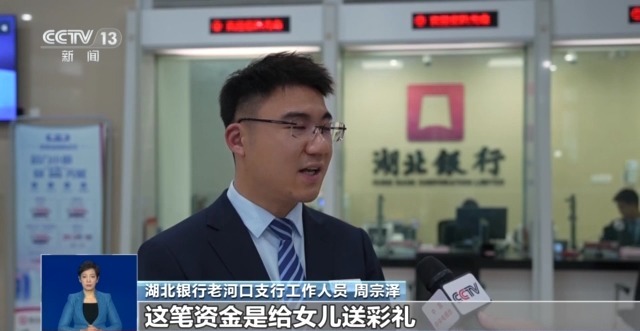
Core Viewpoint - The article highlights a recent case of a scam involving "poverty alleviation funds" where individuals are tricked into providing their bank account information to strangers, leading to potential involvement in money laundering activities [1][11]. Group 1: Incident Overview - A woman in Hubei attempted to withdraw 300,000 yuan from her bank account shortly after the funds were transferred, raising suspicions among bank staff [2][4]. - The bank staff contacted the sender of the funds to verify the transaction, which revealed inconsistencies in the reasons provided by the woman for the withdrawal [4][8]. Group 2: Police Investigation - The police were alerted to the suspicious transaction and began investigating the source of the funds, leading to the discovery that the money was part of a scam [6][12]. - The investigation revealed that the funds were fraudulently obtained from a victim in Yanji City, who was misled into transferring money to the woman's account [14]. Group 3: Scam Mechanism - The woman was contacted by someone claiming to be a government official, who instructed her to provide her bank account for receiving "poverty alleviation funds" and promised a reward for her assistance [16][18]. - The police emphasized the importance of not lending or renting personal bank accounts to others, as it could lead to becoming an unwitting accomplice in fraudulent activities [18].
男子进金店豪购黄金,店员当场报警,民警一查发现……
Sou Hu Cai Jing· 2025-10-29 13:11
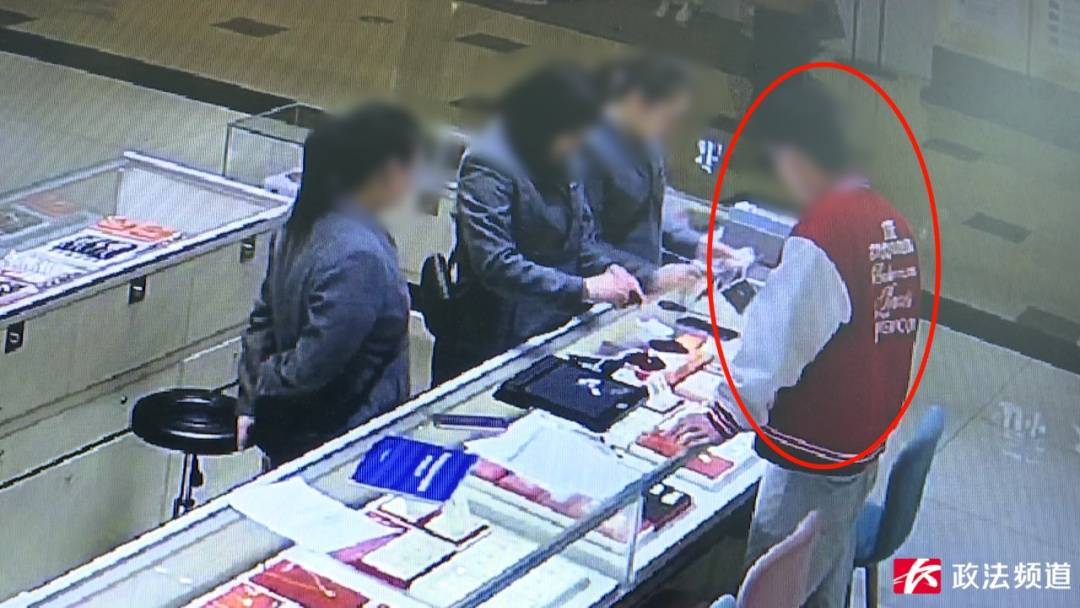
Core Points - A suspicious individual purchased 82.5 grams of gold worth 88,000 yuan in a jewelry store, raising alarms among staff who reported the incident to the police [1] - The individual was found to be from another province with no prior activity in Changsha, and his identification information did not match the purchase details, indicating potential fraud [1][3] - The police discovered that the suspect was involved in a money laundering scheme for a telecom fraud gang, using a shopping card to buy large amounts of gold to "clean" the illicit funds [3] Summary by Sections - **Incident Description** - A man purchased 82.5 grams of gold for 88,000 yuan, which triggered suspicion among the jewelry store staff [1] - The police were alerted and found discrepancies in the suspect's identity and behavior during the purchase [1] - **Investigation Findings** - The suspect had no previous records in Changsha and exhibited unusual behavior during the transaction [1] - Upon further investigation, 150 grams of gold were recovered from the suspect's location [3] - **Criminal Activity** - The suspect was aiding a telecom fraud gang by transferring funds and concealing criminal proceeds [3] - The police issued a warning to the public about the risks of large cash withdrawals or gold purchases directed by others, emphasizing the legal implications of assisting in money laundering [3]
电诈帝国坍塌:陈志的千亿黑金谜局与全球围猎
Sou Hu Cai Jing· 2025-10-28 03:55
Core Insights - The article discusses the rise and fall of Chen Zhi, who transformed from a small-town internet café manager in China to the head of the Prince Group in Cambodia, which was involved in real estate, finance, and gambling, but is now under investigation by multiple law enforcement agencies [2][3][4]. Group 1: Background and Rise - Chen Zhi started his career in a small fishing village in Fujian, China, and quickly recognized the profit potential in private server gaming, leading to his first financial success [5]. - After moving to Cambodia in 2009, he capitalized on the lack of regulatory oversight in the gambling and internet sectors, establishing cross-border fraud teams [5][6]. - In 2015, he founded the Prince Group, which appeared to engage in legitimate business but primarily profited from scams and online gambling [5][6]. Group 2: Operations and Wealth Accumulation - At its peak, the Prince Group had a workforce of 5,000 to 10,000 employees and registered over 700,000 fraudulent accounts [6]. - Chen Zhi's wealth grew rapidly, with daily cash flows reaching $30 million, and he invested heavily in luxury real estate in Singapore, acquiring properties worth approximately $40 million SGD [11]. - He also controlled about 6% of global Bitcoin mining capacity through his company LuBianMining, with $15 billion worth of Bitcoin seized by U.S. authorities [12][19]. Group 3: Legal Challenges and Investigations - In October 2025, U.S. authorities seized 127,000 Bitcoins from Chen Zhi and charged him with conspiracy to commit telecom fraud and money laundering, each carrying a maximum sentence of 20 years [19]. - The U.S. Treasury Department sanctioned Chen Zhi and 146 associated individuals, while the UK froze his real estate assets [19][20]. - Chinese law enforcement had been investigating the Prince Group since 2020, revealing extensive fraud operations with over 5 billion RMB involved [20]. Group 4: Industry Implications - The case highlights significant challenges in cryptocurrency regulation, as the anonymity of Bitcoin allows for nearly untraceable cross-border transactions [23]. - It also underscores the complexities of international law enforcement collaboration, particularly in asset recovery for victims [24]. - The investigation has prompted a reevaluation of family office regulations in Singapore, which had previously attracted significant foreign investment but also facilitated money laundering [17][25].
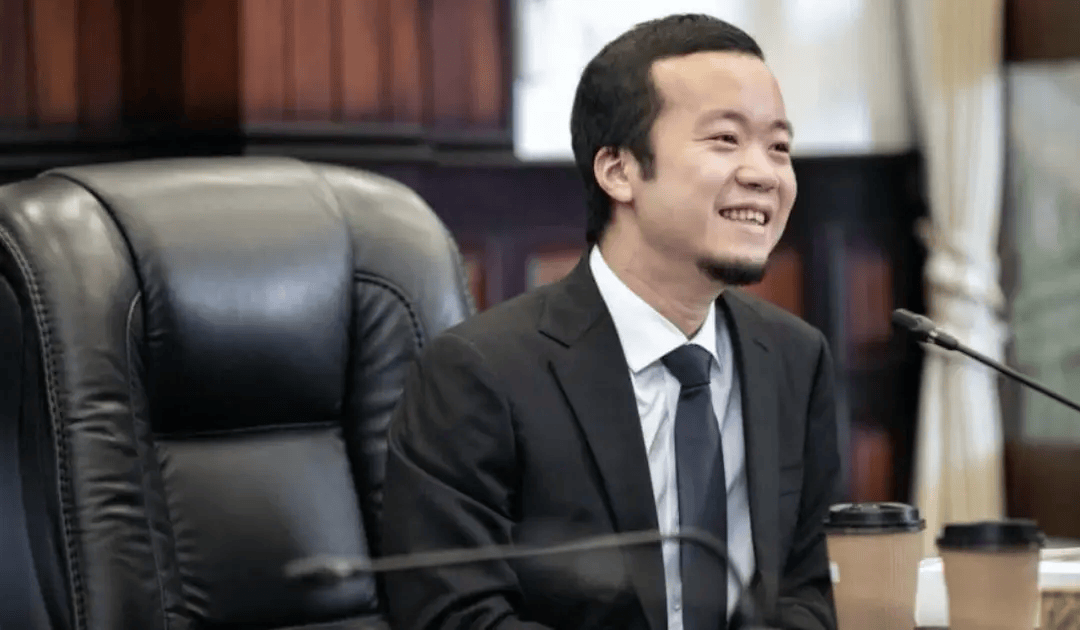
界面调查: 柬埔寨诈骗大佬陈志的前世今生
Sou Hu Cai Jing· 2025-10-27 14:35
Core Points - Chen Zhi, a prominent figure in Cambodia's real estate sector, has been accused of leading a massive international fraud operation, resulting in the seizure of approximately $15 billion worth of Bitcoin by U.S. authorities [2][7][10] - The Prince Holding Group, founded by Chen Zhi, is implicated in extensive scams and money laundering activities, with the majority of its income derived from illegal operations [12][14][22] - Chen Zhi's operations have drawn attention from multiple countries, leading to sanctions and investigations into his business practices and connections with government officials [6][15][33] Company Overview - Prince Holding Group is one of Cambodia's largest conglomerates, claiming to operate over 100 business entities across more than 30 countries, with significant investments in real estate, financial services, and tourism [12][22] - The group has been involved in various legitimate business ventures, but many of these are reportedly unprofitable and serve primarily to disguise fraudulent activities [12][14] - Chen Zhi's real estate investments in Cambodia are estimated to exceed $2 billion, including major developments like the Prince Plaza in Phnom Penh [12] Fraud Operations - Chen Zhi is accused of establishing at least 10 scam centers in Cambodia, where thousands of workers were trafficked and coerced into executing large-scale online fraud [7][11] - The primary method of fraud employed by the Prince Holding Group is known as "pig butchering," a sophisticated investment scam targeting victims globally [11][14] - Evidence from the indictment includes detailed records of profits and operational strategies for various scams, indicating a highly organized and systematic approach to fraud [3][4][11] Financial Implications - The indictment reveals that the Prince Holding Group generated an estimated daily income of over $30 million from fraudulent activities, amounting to an annual revenue of approximately $11 billion, which is nearly one-third of Cambodia's GDP [14] - Chen Zhi's operations have resulted in significant financial losses for victims worldwide, with estimates of total losses exceeding billions of dollars [7][10] Legal Actions and Investigations - U.S. authorities have initiated legal proceedings against Chen Zhi and his associates, with charges including wire fraud conspiracy and money laundering conspiracy, potentially leading to a maximum sentence of 40 years in prison [11][14] - The U.S. Department of Justice has identified 128 companies and 18 individuals associated with the Prince Holding Group for sanctions, many of which are offshore shell companies with no legitimate business activities [22][25] Community and Public Perception - Despite the serious allegations, Chen Zhi has maintained a public image as a philanthropist in Cambodia, funding various charitable initiatives and educational programs [32][33] - The Cambodian government has expressed a willingness to cooperate with investigations but has defended Chen Zhi's business practices as compliant with local laws [33]

150亿美元比特币黑金账本:电诈大佬陈志的崛起与坍塌
Sou Hu Cai Jing· 2025-10-25 04:24
Core Points - Chen Zhi, a prominent figure in Cambodia's real estate sector, has been accused by U.S. authorities of leading a transnational fraud empire, with approximately $15 billion in Bitcoin seized [1][6][10] - The Prince Holding Group, founded by Chen, is implicated in extensive online gambling and fraud operations, with evidence suggesting that a significant portion of its revenue comes from illegal activities [10][21] - Chen's operations have drawn international scrutiny, leading to sanctions and asset freezes in multiple countries, including the U.S. and the U.K. [1][6][21] Group 1: Background and Rise - Chen Zhi, born in Fujian, China, founded Cambodia's largest real estate group at the age of 28, amassing significant wealth [1][4] - His business empire, Prince Holding Group, claims to operate over 100 entities across 30 countries, with investments exceeding $2 billion in real estate alone [10][21] - Chen's early ventures included managing internet cafes and running online gaming services, which laid the groundwork for his later success [4][10] Group 2: Criminal Activities - U.S. indictments reveal that Chen and his associates maintained detailed records of bribery and fraud operations, including the management of multiple scam centers in Cambodia [2][3][6] - The indictment highlights the use of "pig butchering" scams, where victims are lured into fraudulent investment schemes, resulting in substantial financial losses [8][10] - Chen's operations reportedly generated annual revenues of approximately $11 billion from these scams, significantly impacting victims worldwide [11][20] Group 3: Legal Actions and Consequences - The U.S. Department of Justice has initiated civil forfeiture proceedings to seize over 127,271 Bitcoins linked to Chen, marking one of the largest cryptocurrency asset seizures in history [6][15][17] - Chen faces serious charges, including wire fraud conspiracy and money laundering conspiracy, with potential penalties of up to 40 years in prison if convicted [9][10] - The investigation has led to the identification of 128 companies and 18 individuals associated with Chen's operations, many of which are shell companies with no legitimate business activities [21][23] Group 4: Public Perception and Impact - Despite his criminal allegations, Chen has cultivated a public image as a philanthropist in Cambodia, funding various charitable initiatives and educational programs [31][32] - The Cambodian government has expressed a willingness to cooperate with investigations but maintains that Chen's business operations comply with local laws [32][33] - The unfolding scandal has sparked significant public discourse in Cambodia, with citizens calling for accountability and expressing disillusionment with Chen's previously respected status [32][33]
