
大数据

Search documents
拓尔思(300229.SZ):目前未涉及OCS(全光交换)技术及相关Scale-Up智算网络底层硬件研发
Ge Long Hui· 2025-12-25 06:42
格隆汇12月25日丨拓尔思(300229.SZ)在互动平台表示,公司目前未涉及OCS(全光交换)技术及相关 Scale-Up智算网络底层硬件研发。拓尔思的核心聚焦于人工智能与大数据在行业应用层的深度融合,包 括大模型、智能体平台及多模态分析系统等软件与解决方案。 ...

国家税务总局:前11个月数字经济核心产业销售收入同比增长10%
Jing Ji Guan Cha Wang· 2025-12-25 06:32
Core Insights - The core viewpoint of the article highlights the robust growth of the digital economy's core industries, with a notable increase in sales revenue compared to the overall growth of enterprises in the country [1] Group 1: Sales Growth - In the first 11 months of the year, the sales revenue of the digital economy's core industries increased by 10% year-on-year, significantly outpacing the overall growth rate of enterprises [1] - The sales revenue of intelligent manufacturing sectors, such as smart device manufacturing and electronic components manufacturing, grew by 28.2% and 10.9% respectively [1] - The digital technology application sector, which includes AI models, big data, and IoT, saw a sales revenue increase of 14.3%, with internet-related services and IT services growing by 16.1% and 15.2% respectively [1]
【企业优秀案例】浙江皇马尚宜5G+智能工厂项目
Sou Hu Cai Jing· 2025-12-25 06:12
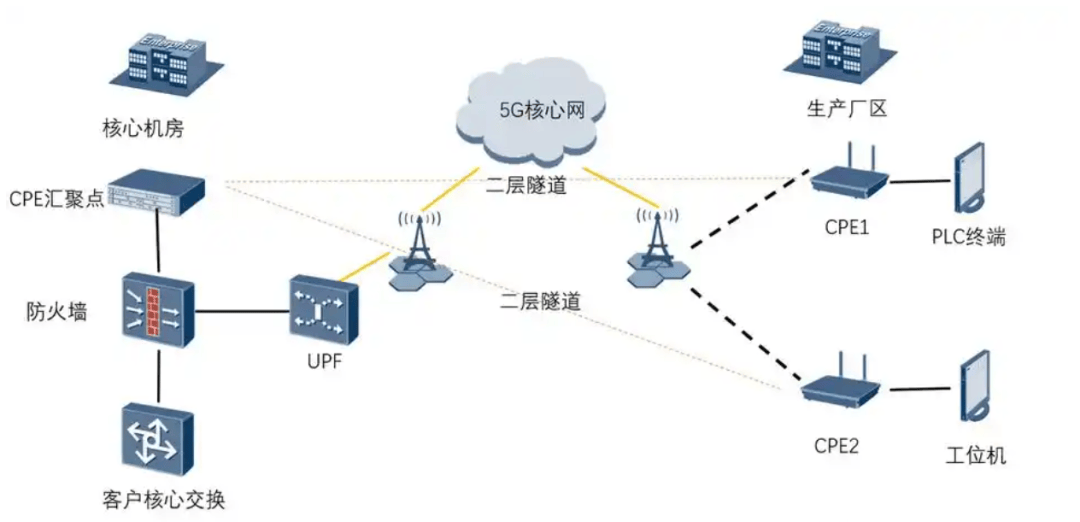
Core Viewpoint - The 5G + Smart Factory project by Zhejiang Huangma Shangyi aims to address the challenges of multi-variety, small-scale, and intermittent production in the specialty industrial surfactant sector, enhancing production efficiency and competitiveness through digital transformation and the integration of new technologies [1][3]. Group 1: Project Background - The project is closely aligned with industry development needs and the company's strategic goals, focusing on the urgent demand for domestic products to replace imported high-end products in the specialty surfactant market [3]. - Zhejiang Huangma Technology, a leading company in the specialty surfactant field, has a production capacity of nearly 300,000 tons per year and is leveraging this project to enhance its core competitiveness and meet market demands for high-quality, low-cost products [3]. Group 2: Key Approaches - **5G Network Construction**: The project emphasizes the establishment of a comprehensive 5G network to support smart upgrades, ensuring stable high-speed connectivity across the factory for real-time data transmission [4][5]. - **Data Collection via 5G**: The integration of 5G technology allows for real-time, high-speed data collection from various production equipment and environmental monitoring points, significantly improving operational efficiency and safety [7][15]. Group 3: Industrial Internet Platform - The fusion of 5G with the industrial internet platform enables real-time data transmission from equipment and sensors, creating a vast industrial data resource pool for enhanced data processing and analysis [10][16]. - This platform facilitates collaboration across different departments and supply chain partners, breaking down information silos and improving overall operational efficiency [12][16]. Group 4: Results and Impact - The implementation of 5G technology has led to significant improvements in production efficiency, management levels, and product quality, enabling the company to achieve a high degree of automation and intelligent decision-making [5][16]. - The project supports proactive maintenance and real-time monitoring of equipment health, thereby reducing downtime and enhancing equipment utilization [10][16].


长护险新突破!明年起逐步覆盖全民,每年千亿资金入场
Di Yi Cai Jing· 2025-12-25 05:03
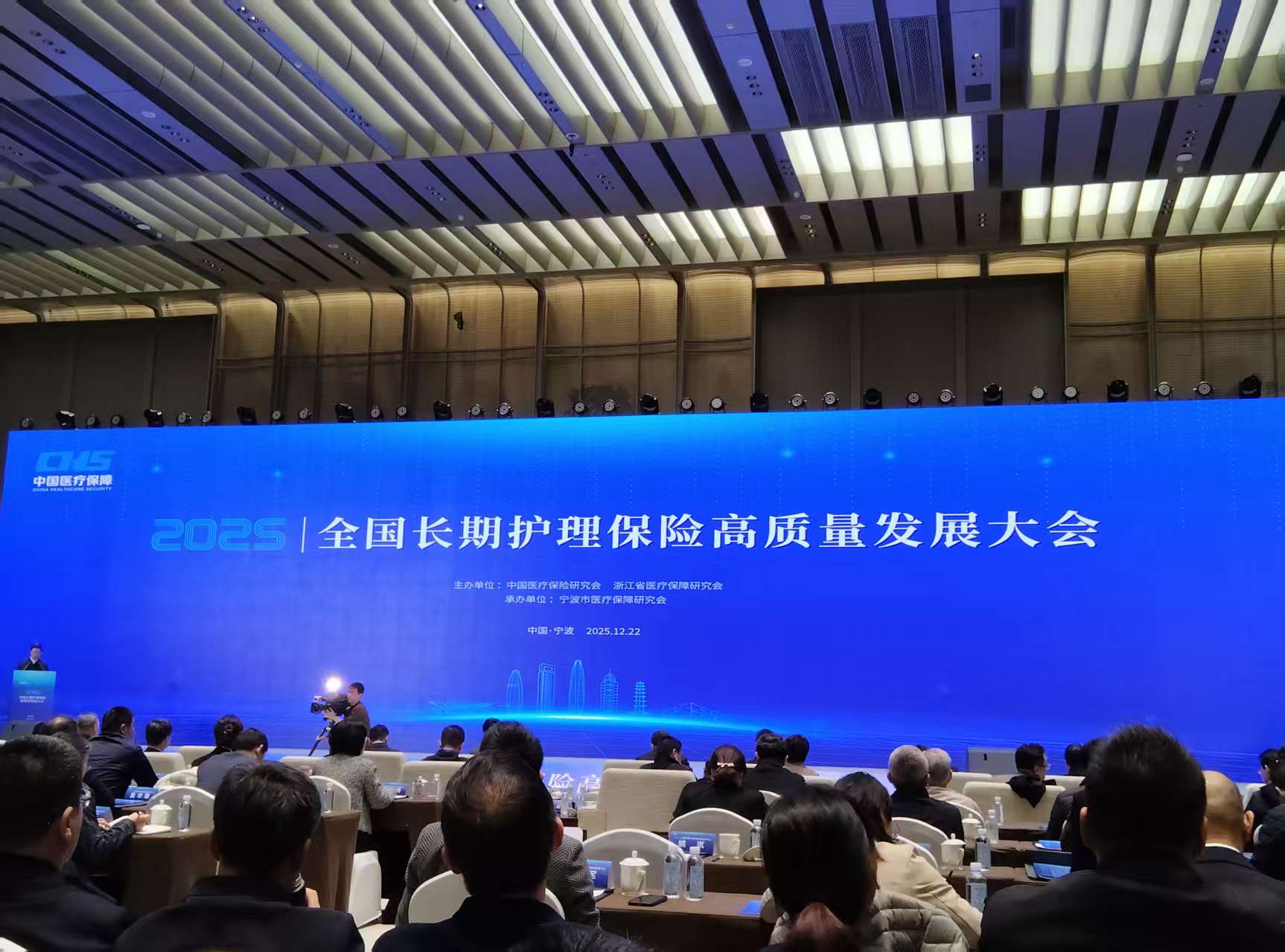
Core Insights - The "14th Five-Year Plan" period will see the transition of long-term care insurance (LTCI) from pilot programs to a comprehensive establishment, aiming for a nationwide system that is equitable, sustainable, and covers all citizens [1][7] - The National Healthcare Security Administration (NHSA) aims to accelerate the establishment of a LTCI system with Chinese characteristics, focusing initially on severe disability coverage [1][2] Group 1: System Development - LTCI has already covered nearly 300 million people, benefiting over 3.3 million disabled individuals, with total fund expenditures exceeding 100 billion yuan [2] - The LTCI system breaks the urban-rural divide in social insurance, providing equal protection for all disabled individuals regardless of location or occupation [7] - The pilot program in Ningbo has seen 8.39 million participants, with a significant disparity in disability rates between urban and rural residents [7] Group 2: Financial Implications - The LTCI system is expected to inject over 100 billion yuan annually into the market, providing a stable payment channel for long-term care services [11] - During the pilot phase, the LTCI fund purchased over 100 billion yuan worth of care services, with the number of designated service institutions increasing tenfold to 12,000 [11][12] Group 3: Market Development - The LTCI has stimulated the growth of the long-term care service industry, leading to the establishment of over 162 new care institutions in Ningbo and creating more than 8,000 related jobs since 2017 [12][13] - The introduction of standardized and digitalized LTCI scenarios has created opportunities for the application of advanced technologies such as AI and IoT in the care sector [15] Group 4: Future Directions - By the end of 2028, Zhejiang plans to establish a dynamic adjustment mechanism for funding linked to personal income and economic growth, aiming for unified provincial standards [8] - The NHSA encourages localities to embrace new technologies and innovative practices in LTCI, aiming for a unique development path in the sector [15]
中天精装:子公司浙江中天数算科技有限公司主要从事AI集成服务相关业务
Mei Ri Jing Ji Xin Wen· 2025-12-25 03:55
Core Viewpoint - The company is making progress in AI and computing power, focusing on AI integrated services and targeting various industries such as healthcare, film, education, and edge computing [1]. Group 1: Company Developments - The subsidiary Zhejiang Zhongtian Shusuan Technology Co., Ltd. is primarily engaged in AI integrated services [1]. - The company aims to concentrate on value-added services in the big data industry and artificial intelligence research and development [1]. - As of now, the company has initiated some business activities in this area, although the current revenue scale is small and will not significantly impact the company's operating performance for the fiscal year 2025 [1].

拓尔思:公司目前未涉及OCS(全光交换)技术及相关Scale-Up智算网络底层硬件研发
Mei Ri Jing Ji Xin Wen· 2025-12-25 03:53
每经AI快讯,有投资者在投资者互动平台提问:贵公司是否有OCS(全光交换)技术? 拓尔思(300229.SZ)12月25日在投资者互动平台表示,公司目前未涉及OCS(全光交换)技术及相关 Scale-Up智算网络底层硬件研发。拓尔思的核心聚焦于人工智能与大数据在行业应用层的深度融合,包 括大模型、智能体平台及多模态分析系统等软件与解决方案。 (记者 王瀚黎) ...
太极股份涨2.25%,成交额8023.61万元,主力资金净流出349.11万元
Xin Lang Cai Jing· 2025-12-25 02:56
Core Viewpoint - Taiji Co., Ltd. has shown a mixed performance in stock trading, with a slight increase in share price but a net outflow of funds, indicating potential investor caution amid a backdrop of revenue growth and profitability improvements [1][2]. Group 1: Stock Performance - On December 25, Taiji's stock price increased by 2.25%, reaching 24.57 yuan per share, with a trading volume of 80.24 million yuan and a turnover rate of 0.54%, resulting in a total market capitalization of 15.31 billion yuan [1]. - Year-to-date, Taiji's stock price has risen by 4.16%, with a 4.07% increase over the last five trading days, a 2.03% increase over the last 20 days, but a decline of 10.36% over the last 60 days [1]. Group 2: Financial Performance - For the period from January to September 2025, Taiji reported a revenue of 4.865 billion yuan, reflecting a year-on-year growth of 12.15%, while the net profit attributable to shareholders was 4.0465 million yuan, marking a significant year-on-year increase of 114.31% [2]. - Since its A-share listing, Taiji has distributed a total of 1.191 billion yuan in dividends, with 284 million yuan distributed over the past three years [3]. Group 3: Shareholder Information - As of December 19, the number of shareholders for Taiji reached 56,200, an increase of 0.64% from the previous period, while the average number of circulating shares per shareholder decreased by 0.63% to 11,038 shares [2]. - Among the top ten circulating shareholders, Hong Kong Central Clearing Limited holds 8.8238 million shares, a decrease of 1.4159 million shares from the previous period [3].

中远海科涨2.10%,成交额3141.01万元,主力资金净流入168.74万元
Xin Lang Cai Jing· 2025-12-25 02:56
Core Viewpoint - The stock of China Merchants Heavy Industry (中远海科) has shown fluctuations in trading activity, with a recent increase in share price and notable changes in shareholder composition, reflecting ongoing developments in the company's financial performance and market position [1][2]. Group 1: Stock Performance - As of December 25, the stock price of China Merchants Heavy Industry rose by 2.10% to 16.07 CNY per share, with a trading volume of 31.41 million CNY and a turnover rate of 0.53%, resulting in a total market capitalization of 5.973 billion CNY [1]. - Year-to-date, the stock has increased by 2.03%, with a 4.76% rise over the last five trading days, but has seen a decline of 2.49% over the last 20 days and 8.64% over the last 60 days [1]. - The company has appeared on the "龙虎榜" (a trading board for stocks with significant trading activity) five times this year, with the most recent appearance on July 23, where it recorded a net purchase of 63.76 million CNY [1]. Group 2: Financial Performance - For the period from January to September 2025, China Merchants Heavy Industry reported a revenue of 1.198 billion CNY, a year-on-year decrease of 3.85%, and a net profit attributable to shareholders of 13.27 million CNY, down 90.65% year-on-year [2]. - The company has distributed a total of 338 million CNY in dividends since its A-share listing, with 160 million CNY distributed over the past three years [3]. Group 3: Shareholder Composition - As of November 28, the number of shareholders for China Merchants Heavy Industry was 44,600, a decrease of 5.24% from the previous period, with an average of 8,327 circulating shares per shareholder, an increase of 5.53% [2]. - Notable changes in institutional holdings include Hong Kong Central Clearing Limited becoming the third-largest shareholder with 2.0113 million shares, and Nuoan Active Return Mixed A (001706) entering as the sixth-largest shareholder with 1.7108 million shares [3].

大名城跌2.05%,成交额6157.73万元,主力资金净流出134.53万元
Xin Lang Cai Jing· 2025-12-25 02:42
Core Viewpoint - The stock of Shanghai Daming City has experienced fluctuations, with a recent decline of 2.05%, and the company has shown mixed financial performance in 2025, with a significant drop in revenue but an increase in net profit [1][2]. Group 1: Stock Performance - As of December 25, the stock price of Daming City was 4.30 yuan per share, with a market capitalization of 9.997 billion yuan [1]. - Year-to-date, the stock has increased by 18.13%, with a 5-day increase of 5.65%, a 20-day increase of 1.65%, and a 60-day increase of 1.18% [1]. - The company has appeared on the trading leaderboard four times this year, with the most recent net buy of 16.6979 million yuan on November 14 [1]. Group 2: Financial Performance - For the period from January to September 2025, Daming City reported revenue of 1.938 billion yuan, a year-on-year decrease of 49.15%, while net profit attributable to shareholders was 258 million yuan, an increase of 10.66% [2]. - Cumulative cash dividends since the company's A-share listing amount to 763 million yuan, with 6.9749 million yuan distributed in the last three years [3]. Group 3: Shareholder Information - As of September 30, 2025, the number of shareholders for Daming City was 48,100, a decrease of 8.87% from the previous period [2]. - The second-largest circulating shareholder is Hong Kong Central Clearing Limited, holding 235 million shares, an increase of 3.6475 million shares from the previous period [3].

生意宝涨2.36%,成交额1291.38万元,主力资金净流入88.04万元
Xin Lang Cai Jing· 2025-12-25 01:54
Group 1 - The core viewpoint of the news is that Shengyibao's stock has shown fluctuations in price and trading volume, with a recent increase of 2.36% to 18.21 CNY per share, and a total market capitalization of 4.602 billion CNY [1] - As of September 30, the number of shareholders for Shengyibao decreased by 6.48% to 39,900, while the average circulating shares per person increased by 6.93% to 6,312 shares [2] - The company reported a revenue of 411 million CNY for the period from January to September 2025, reflecting a year-on-year growth of 8.69%, while the net profit attributable to shareholders was -2.8077 million CNY, showing a significant improvement of 81.11% year-on-year [2] Group 2 - Shengyibao's main business revenue composition includes 87.10% from supply chain services, 3.54% from network infrastructure services, and 3.53% from network information promotion services, among others [1] - The company has cumulatively distributed 241 million CNY in dividends since its A-share listing, with 37.908 million CNY distributed in the last three years [3] - Shengyibao operates in the digital media sector, specifically in the portal website category, and is involved in concepts such as virtual digital humans, electronic payments, and big data [2]
