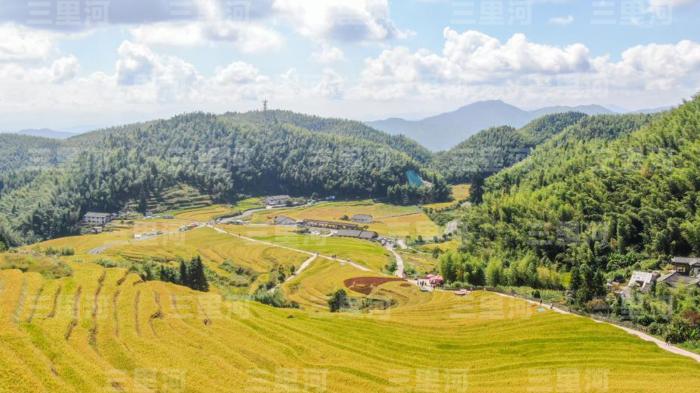
农业新质生产力

Search documents
解读中央一号文件|三个“更” 提升农业全产业链发展
Zhong Guo Jing Ji Wang· 2026-02-04 20:58
Core Viewpoint - The central government of China has outlined key tasks in the 2026 Central No. 1 Document, focusing on agricultural modernization and rural revitalization, emphasizing the enhancement of agricultural production capacity and quality efficiency [1] Group 1: Agricultural Technology and Innovation - The new round of technological revolution presents significant opportunities for agricultural development, with a focus on modernization driven by technological progress and innovation [2] - Key tasks include strengthening integrated innovation, emphasizing the role of enterprises in innovation, and promoting the integration of production, learning, and research [2] - The document highlights the expansion of application scenarios for modern technologies, such as artificial intelligence and drones, which are becoming essential tools for farmers [2] Group 2: Agricultural Development Goals - The document aims to establish agriculture as a modernized large industry, focusing on enriching agricultural connotations, completing industrial systems, and increasing product added value [4] - It emphasizes a diversified food supply system, integrating agriculture with forestry, animal husbandry, and fishery, while also promoting post-production development to enhance the value of agricultural products [4][5] Group 3: Agricultural Trade Coordination - In 2025, China's agricultural product imports reached $207.4 billion, ranking second globally, which helps fill structural supply gaps in the domestic market [6] - The document promotes the coordination of agricultural trade and production, aiming for a sustainable development of agricultural trade while ensuring domestic supply and enhancing the competitiveness of agricultural products [7] - It emphasizes the importance of balancing agricultural imports to ensure food security and maintain a stable domestic market [7]
中央一号文件部署“提升农业科技创新效能”
Zheng Quan Ri Bao· 2026-02-04 16:12
随着现代信息技术、生物技术等科学技术的创新应用,农业新质生产力的发展前景愈发广阔。2月3日, 《中共中央国务院关于锚定农业农村现代化扎实推进乡村全面振兴的意见》(以下简称"中央一号文 件")发布,重点围绕发展农业新质生产力进行了部署。 具体来看,中央一号文件提出,"提升农业科技创新效能",并明确"因地制宜发展农业新质生产力,促 进人工智能与农业发展相结合,拓展无人机、物联网、机器人等应用场景,加快农业生物制造关键技术 创新"。 田利辉表示,展望未来,各地发展农业新质生产力关键在于"精准滴灌"与"系统集成"。一要聚焦生物育 种、智能农机等环节强化攻关;二要推动人工智能、物联网与耕种管收全链条融合;三要夯实数字乡村 底座,培育懂科技、爱农业的新农人队伍。核心是以需求为导向打通实验室至田间地头的转化通道,让 农业新质生产力真正扎根乡土、惠及农民,实现科技赋能与乡土智慧的同频共振。 宋向清表示,各地发展农业新质生产力可以聚焦三方面:立足区域特点推进技术场景化应用,针对性推 广智能装备与物联网技术;建设县域农业数字基础设施,打通数据壁垒;依托产学研协同加快成果转化 等。 "中央一号文件明确'因地制宜发展农业新质生产力' ...
无人机成为“新农具”,中央一号文件部署农民增收
第一财经· 2026-02-04 15:51
Core Viewpoint - The article emphasizes the new opportunities for agricultural and rural development brought by the latest technological revolution and industrial transformation, as outlined in the "14th Five-Year Plan" central document, which highlights the integration of advanced technologies like drones and robotics into agriculture [2][4]. Group 1: Agricultural Modernization and Technology Integration - The central document calls for enhancing agricultural production capacity and quality, implementing precise assistance, and promoting stable income growth for farmers [2][7]. - China has become the largest country in terms of agricultural drone ownership, with over 300,000 units out of approximately 500,000 globally, indicating a significant technological advancement in agriculture [2][4]. - The integration of artificial intelligence in agriculture is expected to transform traditional farming practices into data-driven and algorithm-enhanced operations, thereby accelerating the digital transformation of agriculture [4][5]. Group 2: Policy Measures for Farmer Income Growth - The central document outlines four key tasks aimed at improving agricultural productivity and farmer income, including stabilizing farming income and developing local industries [7][8]. - By 2025, the average disposable income for farmers is projected to reach 24,456 yuan, reflecting a 6% increase from the previous year, while the income disparity between urban and rural residents is expected to narrow [7][8]. - A comprehensive set of policies is proposed to support farmers, including stabilizing crop prices, implementing subsidies, and promoting rural e-commerce and new business models to enhance income opportunities [8][9]. Group 3: Employment and Skills Development for Farmers - The document emphasizes the importance of stable employment for migrant workers, proposing measures such as vocational training and support for key industries to enhance job opportunities [9][10]. - Ensuring timely payment of wages and addressing wage arrears are critical to supporting migrant workers, especially during peak periods like the pre-Chinese New Year [9][10]. - The integration of migrant workers into urban life through improved skills and access to public services is expected to enhance their overall income and living conditions [10].

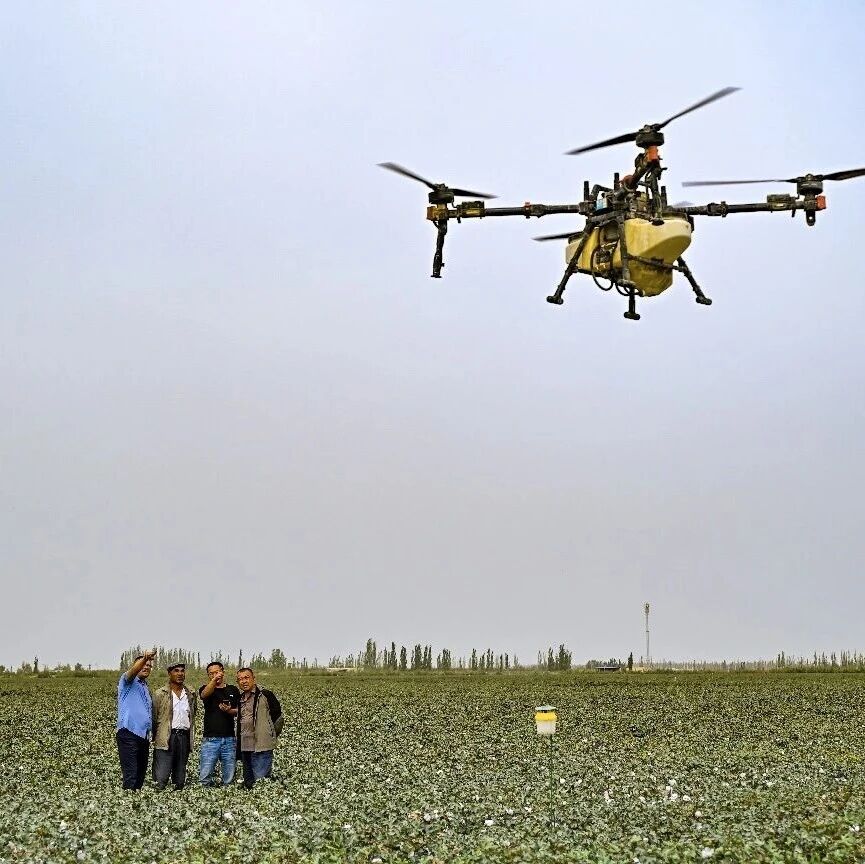
无人机成为“新农具”,中央一号文件部署农民增收
Di Yi Cai Jing· 2026-02-04 13:51
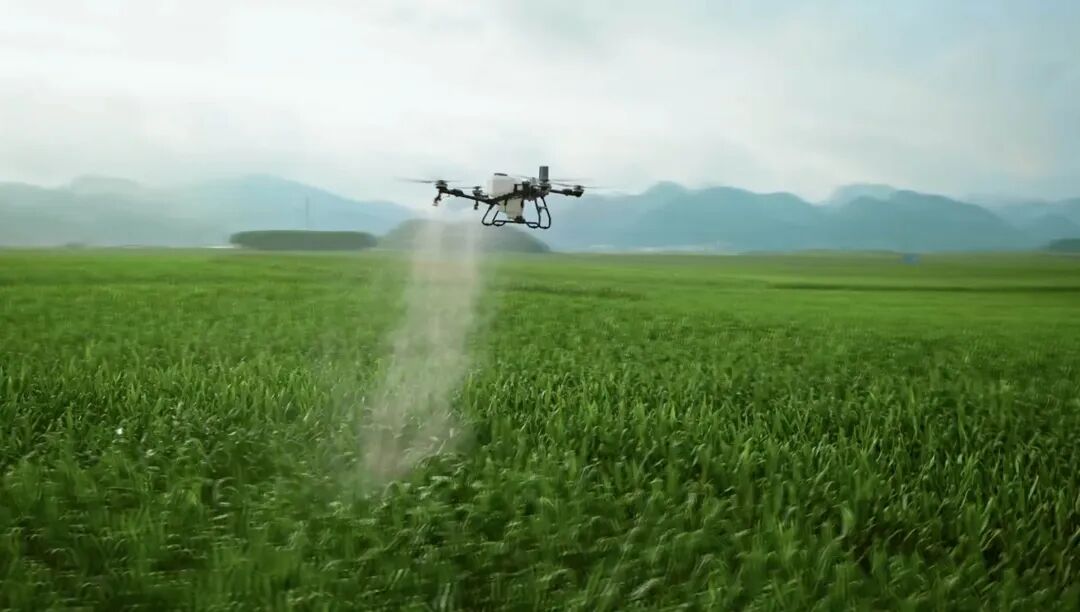
"我国已成为农用无人机保有量第一大国,全球约有50万台农用无人机,我国就超过了30万台。" 新一轮科技革命和产业变革,给农业农村发展带来了新机遇。 "十五五"首个中央一号文件《中共中央 国务院关于锚定农业农村现代化 扎实推进乡村全面振兴的意 见》要求,提升农业综合生产能力和质量效益、实施常态化精准帮扶、积极促进农民稳定增收、因地制 宜推进宜居宜业和美乡村建设。文件还提出"拓展无人机、物联网、机器人等应用场景",这是无人机和 机器人首次写入中央一号文件。 中央财办分管日常工作的副主任、中央农办主任韩文秀2月4日在国新办新闻发布会上表示,中央一号文 件既突出年度性,部署2026年必须完成的任务,又明确"十五五"乃至更长一个时期的战略性、方向性要 求。围绕解决农民群众急难愁盼,集成推出了务实管用、有含金量的政策举措,着力办好一批民生实 事。 "我国已成为农用无人机保有量第一大国,全球约有50万台农用无人机,我国就超过了30万台。"中央财 办副主任、中央农办副主任祝卫东在发布会上回答第一财经记者提问时表示,要抓住这一轮科技革命机 遇,促进人工智能与农业发展相结合,让更多新质生产力成为现代农业发展的"新引擎"。 农业科 ...
中央一号文件的这些提法,值得关注!
Xin Hua She· 2026-02-04 13:49
2026年中央一号文件2月3日发布,对锚定农业农村现代化、扎实推进乡村全面振兴作了全面部署。我们梳理了文件中的一些新提法新举措,一 起学习了解。 制华社 中央一号文件的这些提法,值得关注! 严查严惩 食品非法添加 严格落实食品安全责任制,强化多部 l协同和全链条监管,严查严惩非法 舔加和农兽药残留超标等问题。 新华社 XINHUA NEWS 一号文件的这些提法,值得关注! 中中- 强化价格、补贴、保险等政策支持和 协同,健全种粮农民收益保障机制。 种粮农民 48.75 (Fu 8 非粮化 3 34 340 着眼保护耕作层和粮食生产能力,优化 耕地调查规则,完善设施农用地管理制 度,稳妥有序做好耕地"非粮化"整改 和撂荒地复耕利用。 中央一号文件的这些提法,值得关注! 促进人工智能 与农业发展相结合 因地制宜发展农业新质生产力,促进 人工智能与农业发展相结合,拓展无 人机、物联网、机器人等应用场景, 加快农业生物制造关键技术创新。 新华市 中央一号文件的这些提法,值得关注! r E 3 4 点保障机制 新华市 中央一号文件的这些提法,值得关注! 规范农产 直播 实施农村电商高质量发展工程,推 动电商平台下沉赋能 ...
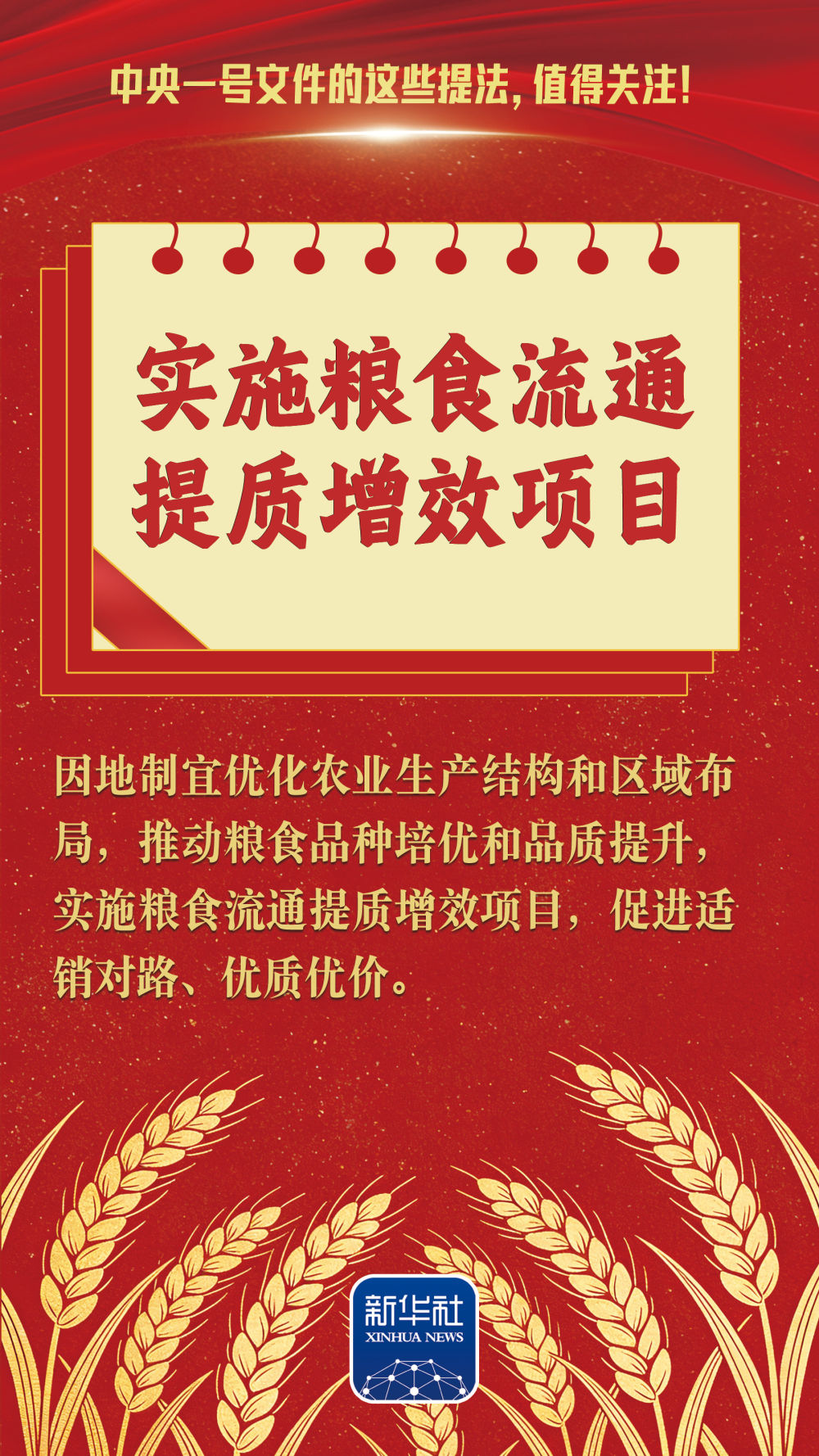
中央农办详解中央一号文件:促进农民增收 多渠道增加财产性收入
2 1 Shi Ji Jing Ji Bao Dao· 2026-02-04 13:35
Core Viewpoint - The recently released Central Document No. 1 outlines major tasks and key work in the "Three Rural Issues" sector for the year, emphasizing four key tasks and two major support guarantees to promote agricultural modernization and rural revitalization [1][2]. Group 1: Key Tasks - The four key tasks focus on enhancing agricultural production capacity and quality, implementing normalized precise assistance, promoting stable income growth for farmers, and advancing the construction of livable and workable beautiful villages [1][2]. - The document emphasizes the need to maintain national food security, consolidate poverty alleviation achievements, and improve rural industry, construction, and governance levels [1]. Group 2: Support Guarantees - The two major support guarantees include strengthening institutional innovation and enhancing the Party's comprehensive leadership over "Three Rural Issues" work [1]. - The document aims to leverage the Party's leadership as a significant advantage and improve the effectiveness of agricultural support policies through reform and innovation [1]. Group 3: Normalized Precise Assistance - The document introduces normalized precise assistance as a new phase in poverty alleviation, emphasizing the need for dynamic management of assistance recipients to prevent poverty [2][4]. - It outlines four design arrangements for normalized assistance, including dynamic management of assistance recipients, precise and efficient assistance methods, stratified and categorized assistance regions, and maintaining overall stability in assistance policies [4][5]. Group 4: Food Security and Technological Innovation - Food security is highlighted as a critical task, with a focus on maintaining stable grain production and enhancing agricultural production capacity through technological innovation [6][7]. - The document outlines three measures to promote agricultural technology innovation, including strengthening integrated innovation, expanding application scenarios, and facilitating the transformation of technological achievements [7][8]. Group 5: Income Growth Measures - The document proposes a comprehensive set of measures to promote stable income growth for farmers, including stabilizing farming income, developing county-level industries, and supporting employment for migrant workers [9][10]. - Specific measures include utilizing price, subsidy, and insurance policies to protect farmers' income, promoting local economic development, and enhancing employment support for migrant workers [9][10]. Group 6: Land Contracting and Management - The document emphasizes the importance of land contracting, stating that the second round of land contracting will be extended for another 30 years, ensuring stability for most farmers [11]. - It highlights the need for standardized management of land use rights and the importance of protecting the legal rights of both parties involved in land transfers [11].
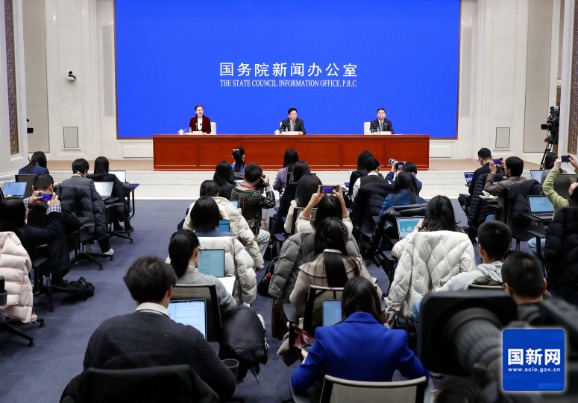
2026年中央一号文点评:锚定农业农村现代化,聚焦粮食稳产提质、畜牧业健康发展、农业科技创新
Guoxin Securities· 2026-02-04 13:31
Investment Rating - The industry investment rating is "Outperform the Market" (maintained) [2] Core Insights - The 2026 Central Document emphasizes agricultural modernization, focusing on stabilizing grain production, promoting healthy development in animal husbandry, and enhancing agricultural technology innovation [3][4][5] - The grain production target has been raised to approximately 1.4 trillion jin, with initiatives to improve grain quality and variety [5][6] - The document acknowledges the success of previous measures in the livestock sector and introduces new strategies to boost dairy product consumption [8][9] - Agricultural technology innovation is highlighted, with a focus on the implementation of breeding actions and the integration of AI in agriculture [15][21] Summary by Sections Grain Sector - The document sets a grain production target of stabilizing at around 1.4 trillion jin and emphasizes quality improvement and variety enhancement [5][7] - It includes measures to protect farmers' interests, such as determining minimum purchase prices for rice and wheat [5][7] - The document also stresses the importance of developing a futures market for agricultural products [5][7] Livestock Sector - The document reinforces the need for comprehensive regulation of pig production capacity and acknowledges the success of previous measures in stabilizing the beef and dairy industries [8][9][11] - It promotes measures to enhance dairy product consumption and supports the development of forage crops [9][11] Agricultural Technology - The document continues to emphasize the implementation of breeding actions and the promotion of breakthrough varieties [15][16][17] - It encourages the development of high-end intelligent agricultural machinery and the integration of AI, drones, and IoT into agricultural practices [21][25] Investment Recommendations - The report recommends several companies across different segments, including: - Livestock: YouRan Agriculture, Modern Agriculture [27] - Swine: HuaTong Co., DeKang Agriculture, MuYuan Co., Wen's Co., TianKang Bio, and ShenNong Group [27] - Pet Industry: GuaiBao Pet [27] - Feed: HaiDa Group [27] - Poultry: LiHua Co., YiSheng Co., and ShengNong Development [27] - Animal Health: HuiSheng Bio [27] - Planting Chain: Hainan Rubber, QuanYin High-Tech, Guotou Fengle, and LongPing High-Tech [27]





当AI成“新农具”:从靠天吃饭到“数据掌舵”
Xin Lang Cai Jing· 2026-02-04 12:20
(来源:大象新闻) 锄禾日当午,汗滴禾下土。 在传统观念,农业总是和辛苦联系在一起。 2026年2月3日,中央一号文件《中共中央 国务院关于锚定农业农村现代化 扎实推进乡村全面振兴的意见》发布,这是党的十八大以来第14个指导"三 农"工作的中央一号文件,也是"十五五"首个中央一号文件。文件明确提出,因地制宜发展农业新质生产力,促进人工智能与农业深度融合。 一号文件高屋建瓴。走进中原大地,你会发现,这早已不是纸面蓝图,而是农民手机里跳动的数据、泵站里自动启停的阀门、天空中巡航的无人机。 在新乡获嘉县弘晟合作社,种粮大户们早就不用看天吃饭了,浇水也不用再扛铁锹,只需要在手机上点几下。2022年开始,获嘉县投资9.3亿元,建设30 万亩高标准农田,覆盖全县11个乡镇163个村。农民们只需在手机操作,就可以指挥田地里的任意一个喷灌器进行作业,"深埋滴灌"系统便将水肥精准送 达小麦根部。 不仅如此,农民们手机里的"智慧农业"软件,连接着当地高标准农田数智中心,墒情、虫情、苗情、灾害预警等一目了然。比着普通耕地,种高标准农 田,就像年轻人玩游戏,啥时候该浇地、施肥,还有病虫害防治,系统都会及时预警提醒。 这些不是个案,而 ...
@所有人,中央一号文件这些提法与你有关→
Jin Rong Shi Bao· 2026-02-04 11:33
Core Viewpoint - The "Opinions" issued by the Central Committee and State Council emphasize the importance of modernizing agriculture and rural areas, focusing on stable grain production, targeted assistance, and promoting farmers' income growth as key strategies for rural revitalization [1][2]. Group 1: Agricultural Production Capacity and Quality - The document highlights the necessity of ensuring national food security, with a target grain output of approximately 1.4 trillion jin [2]. - It stresses the integration of production capacity, ecological sustainability, and income growth, aiming to enhance agricultural productivity and quality [2]. - The focus is on optimizing agricultural production structures and improving grain quality to meet market demands [2]. Group 2: Implementation of Targeted Assistance - By 2025, over 7 million individuals will be identified for assistance to prevent poverty, with a focus on improving education, healthcare, housing, and water safety [3]. - The concept of "normalized precise assistance" is introduced to ensure the sustainability of poverty alleviation efforts, integrating support into the broader rural revitalization strategy [3][4]. - The approach emphasizes continuous and stable policy implementation to address the needs of vulnerable populations [3][4]. Group 3: Agricultural Technology Innovation - The document outlines plans to enhance agricultural modernization, with a goal of establishing over 75.68 million mu of high-standard farmland by 2025 [5]. - It aims for a mechanization rate of 76.7% in crop farming, with significant advancements in smart agriculture technologies [5]. - The focus is on developing high-end agricultural machinery and integrating AI and other technologies into agricultural practices [6]. Group 4: Promoting Farmers' Income Stability - The "Opinions" prioritize measures to ensure stable income growth for farmers, with a target of 24,456 yuan in per capita disposable income by 2025, reflecting a 6% increase from the previous year [7]. - The document outlines a comprehensive set of policies to address challenges such as low agricultural product prices and employment pressures for migrant workers [7][8]. - It emphasizes the importance of integrating various agricultural sectors to enhance income opportunities for farmers [8]. Group 5: Expanding Rural Consumption - The document encourages the expansion of rural consumption through various initiatives, including supporting new consumption models and enhancing service levels [8]. - It highlights the potential of integrating rural consumption with technology, culture, and tourism to create immersive experiences [9]. - The focus is on fostering new business models and enhancing the overall quality of rural services to stimulate economic growth [9].
锚定农业农村现代化 中央一号文件精准落子
Xin Lang Cai Jing· 2026-02-04 11:16
Core Insights - The 2026 Central No. 1 Document focuses on agricultural and rural modernization as a key aspect of China's overall modernization strategy, emphasizing the need to address shortcomings in the agricultural sector [1][3] - The document outlines specific strategies to enhance agricultural production, rural construction, and farmers' income, marking a shift towards a more targeted approach in rural development [3][8] Group 1: Agricultural Production - The document prioritizes "enhancing agricultural comprehensive production capacity and quality efficiency," aiming to increase crop yields and improve the quality of agricultural products [3][4] - It emphasizes the integration of artificial intelligence and advanced technologies such as drones and IoT in agriculture, marking a significant step towards smart agricultural practices [3][4] Group 2: Rural Construction - The principle of "tailoring to local conditions" is highlighted as essential for rural construction, avoiding a one-size-fits-all approach and ensuring that projects meet the actual needs of farmers [5][6] - The document calls for a systematic improvement in rural infrastructure, public services, and living conditions, aiming to create a more comfortable and sustainable rural environment [6][7] Group 3: Farmers' Income - The document stresses the importance of increasing farmers' income as a core objective, linking it to the overall goal of enhancing the quality of life for rural residents [7][8] - It proposes a multi-channel approach to income growth, focusing on industry development, employment support, and the cultivation of local industries to empower farmers economically [9][10]