夜间经济

Search documents
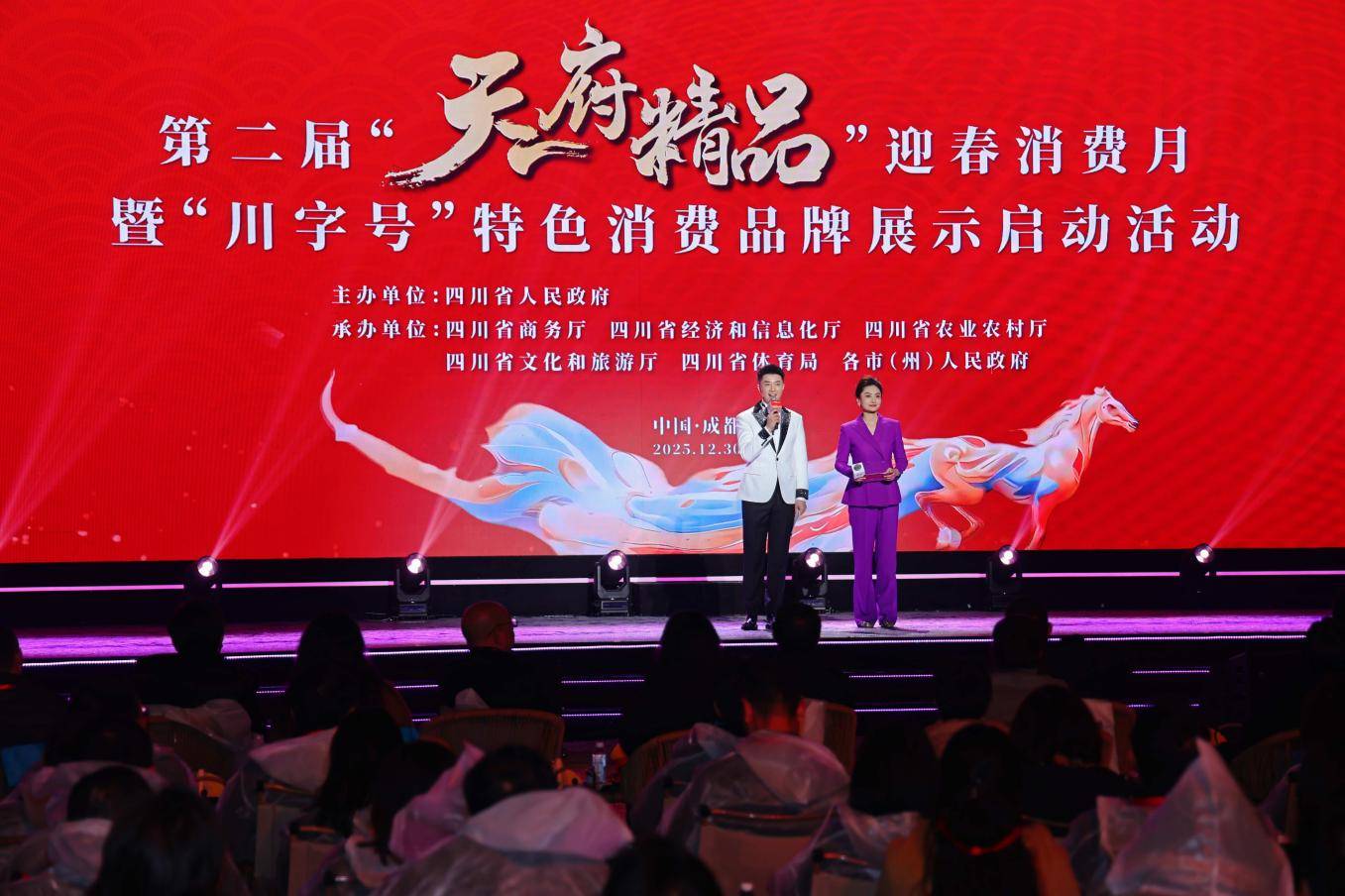
第二届“天府精品”迎春消费月启幕,解锁 61 天消费新体验
Sou Hu Cai Jing· 2025-12-31 13:18
Core Viewpoint - The second "Tianfu Boutique" Spring Consumption Month and "Chuan Brand"特色消费品牌展示 has been launched in Chengdu, aiming to enhance consumer experience and promote local products and services [1][3][4]. Group 1: Event Overview - The event is themed "Tianfu Boutique·Beautiful Encounter" and will run from December 30, 2025, to February 28, 2026, covering 61 days and featuring nine key activities along with numerous consumer promotion events [3][10]. - The event aims to meet diverse consumer needs during the New Year and Spring Festival, focusing on four main themes: "Fashion·Shopping," "Culinary·Feasting," "Leisure·Enjoyment," and "Comfort·Travel" [3][10]. Group 2: Product and Service Highlights - The "Chuan Brand"特色消费品牌展区 showcases over 150 products from 15 cities in Sichuan, with more than 90% being local brands or products manufactured in Sichuan [9]. - The event features innovative products such as ice cream robots and AI plush toys, highlighting the transition from traditional manufacturing to intelligent manufacturing in Sichuan [8][9]. Group 3: Consumer Engagement Activities - Key activities include the Sichuan E-commerce Festival in January 2026, which will involve over 100 key enterprises and thousands of merchants, featuring more than 200 live-streaming events showcasing Sichuan products [10]. - The 29th China (Sichuan) New Year Shopping Festival will host various themed exhibition areas with participation from nearly 30 countries and regions, creating a "global New Year flavor" experience for consumers [10]. Group 4: Economic and Market Impact - The event aims to promote a shift in consumption structure from product-focused to a balanced emphasis on both product and service consumption, highlighting the potential of service consumption as a new growth area [11][13]. - The collaboration between Sichuan and Chongqing will facilitate over 300 promotional activities, enhancing consumer access to local products and services [14][17].

静安“夜间消费券”来了
Jie Fang Ri Bao· 2025-12-31 01:47
Core Viewpoint - Shanghai Jing'an District is launching a "Night Consumption Voucher" initiative during the New Year's holiday to stimulate consumer spending for 2026, with a focus on the night economy [1] Group 1: Voucher Details - The "Night Consumption Voucher" will be available from December 31, 2025, to January 3, 2026, and can be used at participating merchants from 6 PM to midnight [1] - The vouchers will be automatically issued and redeemed through a payment system, eliminating the need for consumers to pre-claim them [2] - There are three discount tiers for the vouchers: "Spend 1000 to get 358 off," "Spend 500 to get 158 off," and "Spend 200 to get 58 off," with discounts exceeding 65% for larger purchases [2] Group 2: Participation and Accessibility - The initiative covers the night economy area from "Wujiang Road to Fengshengli," including various dining and retail establishments [1] - The collaboration between the Jing'an District government and Alipay aims to address issues with traditional voucher systems, making it easier for consumers, especially the elderly and working individuals, to participate [2] - Consumers can check the list of participating merchants and remaining voucher amounts in real-time on Alipay [2] Group 3: Broader Context - The initiative aligns with the ongoing "New Year’s Eve Never Closes" tradition on Nanjing Road, where over ten million yuan in vouchers are used to boost New Year consumption, with many merchants extending their hours until midnight [2]
重庆解放碑商圈:商脉贯古今 消费添新韵
Ren Min Wang· 2025-12-31 01:13
Core Viewpoint - The Liberation Monument business district in Chongqing is evolving into a vibrant cultural and commercial hub, blending historical significance with modern consumer experiences, thereby driving new vitality in the consumption market [3][5][6]. Group 1: Historical Significance and Development - The Liberation Monument area has a rich history, with significant commercial milestones such as the opening of Chongqing's first department store in 1950 and the establishment of the first foreign enterprise in 1989 [4]. - The area has been recognized as a national demonstration pedestrian street and a national-level night cultural and tourism consumption gathering area, highlighting its importance in Chongqing's economic landscape [5]. Group 2: Cultural and Commercial Integration - Recent developments have transformed historical sites into modern attractions, such as the Chongqing Financial History Museum and cultural exchange venues, integrating history into contemporary commercial life [6]. - The area features over 30 cultural relics and more than 20 popular tourist attractions, making it a rich cultural resource and a key area for historical preservation [5]. Group 3: New Consumption Trends - The business district is diversifying its offerings with new consumption formats, including unique bars, entertainment venues, and flagship stores of international brands, enhancing the consumer experience [7][8]. - The introduction of over 200 flagship stores and hosting of numerous international events have positioned the area as a key player in the "first release economy" and night economy [8]. Group 4: Internationalization and Economic Growth - The Liberation Monument area serves as a vital trade window for Chongqing, leveraging its status as a free trade zone and aiming to create a world-class business environment [9][10]. - The district has attracted over 700 foreign enterprises and is recognized for its consumer-friendly environment, with significant international engagement through various economic activities [10]. Group 5: Future Development Plans - Future initiatives aim to enhance the area's commercial upgrade and international appeal, establishing it as a leading destination for global commerce and cultural exchange [10].
成都零售商协会:全面启动“新春欢乐购”,加快培育市场消费新IP、新业态、新模式
Sou Hu Cai Jing· 2025-12-30 10:34
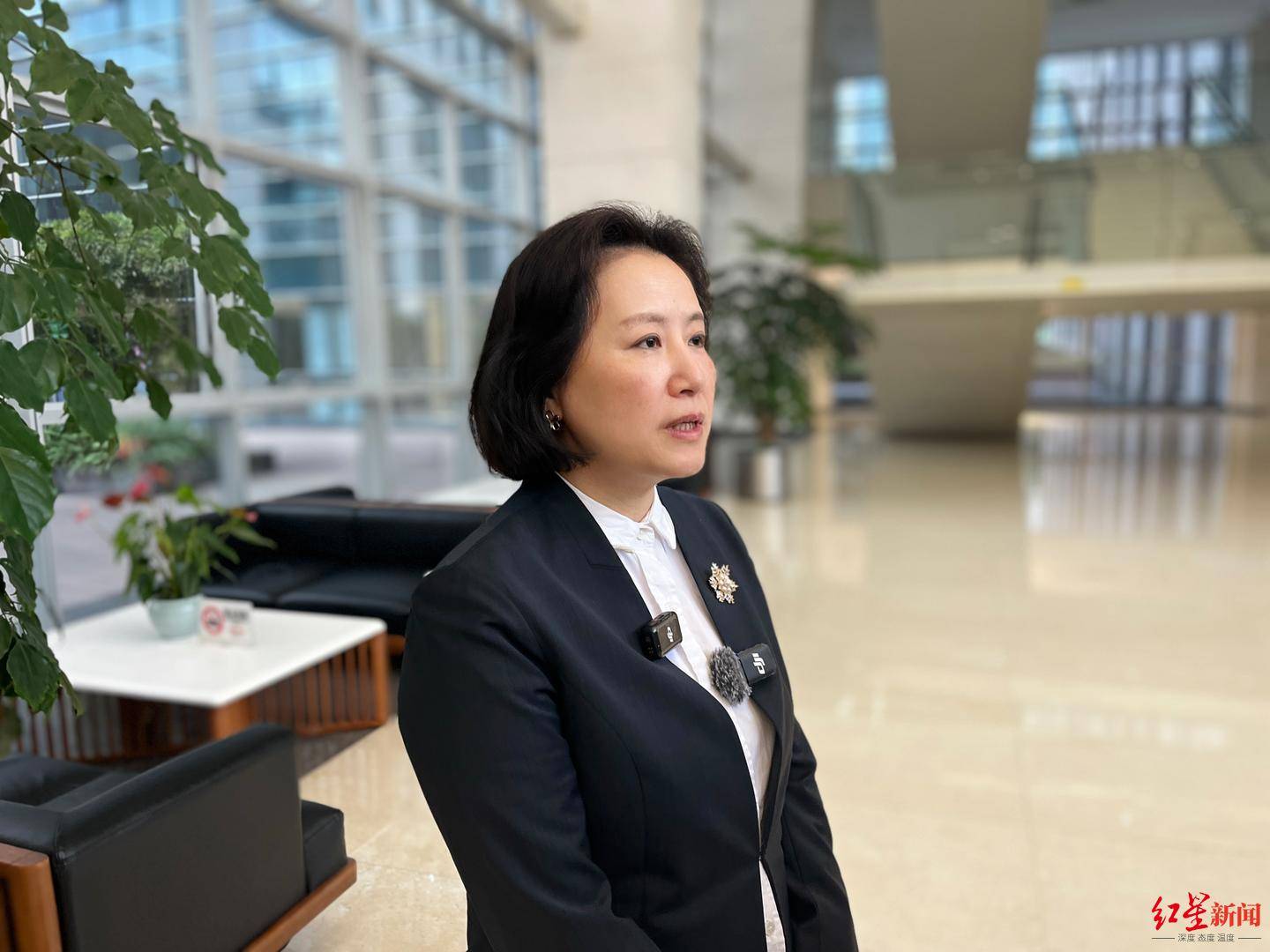
据介绍,作为成都一年一度的新春消费大IP,连续多年举办的"成都新春欢乐购"已形成了较强的市场影响力和品牌知名度,"2026成都新春欢乐购"将在消费 场景打造以及市场主体参与规模方面进行再升级,切实为广大消费者备足各类特色新春消费大餐,打好全年消费"收官战",冲刺明年消费市场"开门红"。 "除了传统的促销活动外,我们也将积极响应此次会议中关于消费场景建设的具体要求,持续推动消费新产品、新业态、新场景'不断出新'。"欧建瓴谈到, 2026年协会将牵头推出一批消费领域场景清单,并组织全市商业企业共同研究,打造更多亮点突出、市民喜闻乐见的新型消费场景,为消费者带来全新的购 物体验。 "今年成都入境游消费总额位居副省级城市前列,成绩显著。"在吸引外资消费方面,欧建瓴提到,明年协会将进一步扩大入境退税点的覆盖范围,同时号召 全市商业企业针对外来旅游者的需求,打造更具吸引力的新产品,提升成都作为国际消费目的地的竞争力。此外,协会还将积极推动企业"走出去",带领成 都商业企业前往省外以及"一带一路"倡议共建国家、东南亚等地区考察学习,借鉴先进的新场景建设经验和商业模式,为成都消费市场注入新的活力。 "我们将继续发挥桥梁纽带作 ...

全市征集消费“三新”试点项目
Xin Lang Cai Jing· 2025-12-25 18:26
Core Viewpoint - The city is launching a project to support new consumption pilot projects aimed at activating consumer traffic in various scenarios, with a focus on nighttime economy and innovative consumption experiences [1] Group 1: Support for New Consumption Projects - The city will provide special support for projects that activate consumer traffic in various scenarios [1] - There is an emphasis on developing the nighttime economy, encouraging diverse activities such as night shopping, dining, tourism, and entertainment [1] - The guidelines specify support for projects related to elderly and child-friendly consumption environments, ice and snow economy, RV camping, and low-altitude tourism [1] Group 2: Cultural IP and Innovation - The guidelines highlight the importance of tapping into cultural IP value and promoting cross-industry innovation [1] - There will be strong support for the collaboration between globally recognized IPs, domestic trendy IPs, and local historical cultural IPs with consumer resources [1] - The initiative encourages the integration of international or domestic animation IPs with cultural heritage resources to create comprehensive consumption scenarios [1]
沈阳打造优质消费供给 挖掘扩展内需潜力
Sou Hu Cai Jing· 2025-12-25 10:59
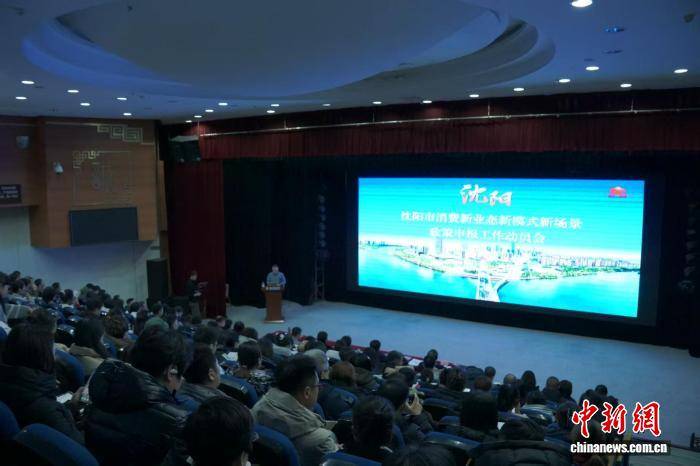
据介绍,沈阳支持健全首发经济服务体系,支持打造一批首发中心、首发经济集聚区,在重点商圈商 街、创意园区、文化场所等打造多层次的新品发布平台载体。支持具有引领性的国内外品牌开设高能级 首店、旗舰店、概念店,并推动首店向总店、总部提升发展。 同时,沈阳将打造一批商旅文体健融合的消费新场景。推动形成服务消费集聚区,支持重点商圈商街、 文旅集聚区、传统购物型商超、废旧工业厂区向多元消费场景升级,拓展增加文化时尚、健康体育、艺 术展览、主题社交、休闲娱乐等服务消费功能,推动重点赛事活动及演出"进商圈、进街区、进景区"。 发展夜间经济,打造夜间文化和旅游消费集聚区。支持外贸优品展销中心、特色购物中心或购物区、外 贸优品品牌集聚的特色商业街优化升级,推广自主品牌+直供直销,打造具有特色和吸引力的消费场 景。 12月25日,消费新业态新模式新场景政策申报工作动员会在沈阳举行。沈阳市商务局 供图 会议强调,要以扩大优质消费供给为核心,以创新消费场景载体为抓手,以激发市场主体活力为关键, 从严从实培育优质试点项目,确保政策举措落地见效。 依托互联网数字娱乐平台和知识产权(IP)孵化平台,沈阳将打通设计、开发、生产、营销、推广全产 ...
盐湖文商旅丨(106) 盐湖新“夜”态!一半松弛,一半烟火,这样的酒馆谁不爱?
Sou Hu Cai Jing· 2025-12-23 21:39
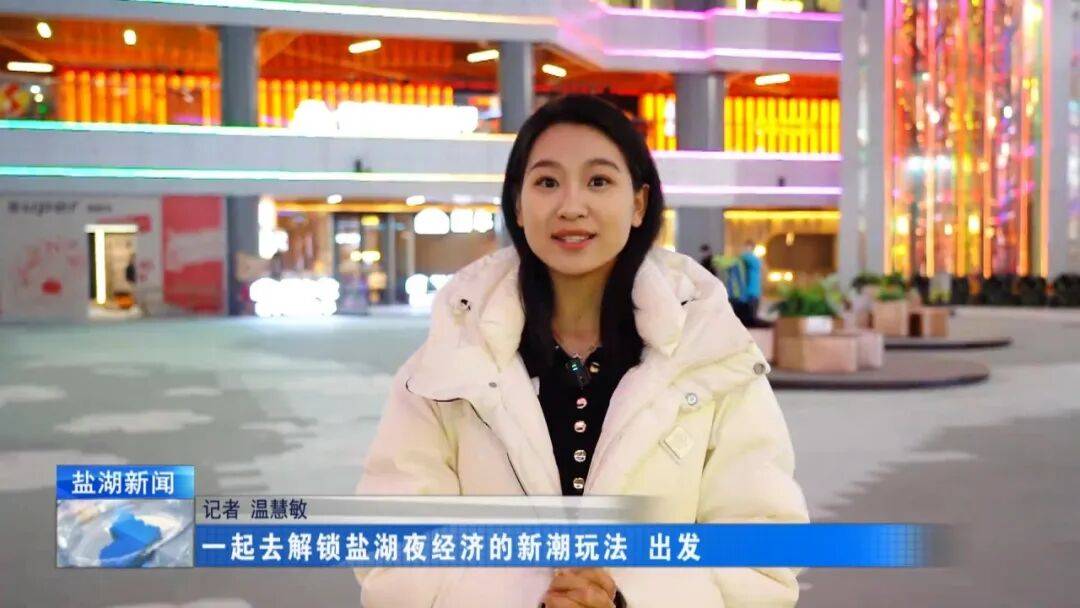
△新闻视频 夜幕降临,华灯初上,盐湖区的夜间消费市场正升腾起全新的消费热潮。今年以来,聚焦新消费场景打造,持续丰富夜间经济业态,以海伦司、民谣仓库 为代表的特色酒吧、潮流小酒馆密集落地,如雨后春笋般点亮城市夜版图,为区域夜间经济注入强劲活力。 记者 温慧敏 记者 温慧敏 不同于传统酒馆的喧闹,海伦司的风格更偏向于轻松友好。这里还有盲盒社交活动,可以让顾客将自己的联系方式和旅行心愿写在卡片上,与其他桌的顾 客进行交换,让陌生社交变得简单又有趣。 海伦司小酒馆负责人 孙博言 如今的盐湖区,正以新业态为笔,勾勒着盐湖夜经济的全新面貌。民谣、酒香、烟火气正在交织成城市的独特风貌。今天,就让我们顺着音乐的旋律,一 起去解锁盐湖夜经济的新潮玩法,出发! 跟随记者镜头,我们首先来到位于欢乐港的海伦斯小酒馆。一走进店内,动感的音乐瞬间吧氛围拉满,东南亚异域风装修搭配霓虹灯光,时尚又有活力。 灯光亮度和座位布局都刚刚好,既保证了大家的私密空间,又不会让人觉得有距离感。 我们的核心是让海伦司的年轻社交属性,跟咱们本地千年的盐文化深度绑定。产品上,我们专门推出了"盐湖微醺"特调,巧妙融入了本地盐湖元素,喝起 来既有酒香又有盐湖特色 ...
北京出新政促高质量充分就业
Zhong Guo Xin Wen Wang· 2025-12-19 06:23
Group 1 - The core viewpoint of the news is that Beijing is implementing new policies to promote high-quality and sufficient employment through various measures, including modernizing human resources and enhancing public employment services [1][2] Group 2 - The implementation opinions emphasize the need for collaboration between education and employment, suggesting that employment status should be a key factor in resource allocation, quality assessment, and enrollment planning in higher education [1] - There is a focus on developing new employment fields and positions, particularly in the digital economy, green industries, and service sectors such as childcare and elder care [1] - The policies aim to optimize the public employment service mechanism by establishing a unified human resources market and promoting the development of human resources service industry parks [2]
今年上半年临沂市实现文化产业增加值126.82亿元
Qi Lu Wan Bao· 2025-12-18 12:02
Core Viewpoint - Since the beginning of the 14th Five-Year Plan, Linyi City has focused on promoting cultural tourism through policy empowerment, project-driven initiatives, and innovative business models, leading to significant growth in the cultural and tourism industries, which have become key drivers of the city's economic growth [1] Group 1: Economic Performance - In the first half of the year, the cultural industry added value reached 12.682 billion yuan, while the tourism industry added value was 18.981 billion yuan, representing year-on-year growth of 5.6% and 7.7% respectively [1] - The city is on track to exceed 100 million visitors and achieve a tourism revenue target of 100 billion yuan this year [1] Group 2: Policy Initiatives - A series of policies have been implemented to boost cultural and tourism consumption, including the "Nine Policy Measures to Boost Cultural and Tourism Consumption" and the "Action Plan for Deepening Integration and Expanding Cultural and Tourism Consumption" [1] - Initiatives such as cultural and tourism consumption seasons, tourism team rewards, and various festivals have been launched to directly stimulate consumption growth [1] Group 3: Project Development and Product Supply - Key cultural tourism projects like Langya Ancient City and Mengtong Scenic Area have been completed and are attracting tourists [2] - New consumer experience activities and tourism routes have been introduced, enhancing the diversity of cultural tourism products [2] Group 4: System and Mechanism Improvement - The "Linyi City Tourism Industry 100 Billion Action Plan (2024-2026)" has been established, focusing on enterprise cultivation and financial support for the tourism sector [3] - Financial products tailored for the tourism industry, such as "Homestay Loans" and "Cultural Tourism Revitalization Loans," have been launched to support market participants [3] Group 5: Future Development Plans - Linyi City aims to enhance its tourism appeal by focusing on three major campaigns: beautifying the Yihe River, activating Mount Meng, and breaking through all-region tourism [3] - The city plans to accelerate key project construction and enrich new business formats and scenarios in the cultural tourism sector to establish itself as a nationally recognized tourist destination [3]
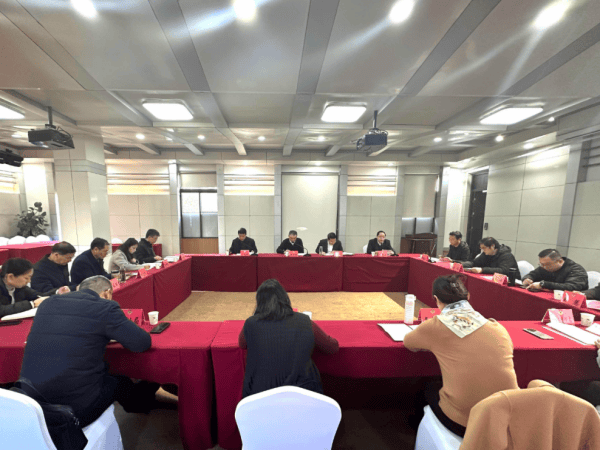
南通市崇川区召开“提质扩容提振消费 大力促进服务业繁荣发展”专题协商会
Sou Hu Cai Jing· 2025-12-12 14:20
崇川区政协经济科技和农业农村委员会全体成员参加会议。(来源:崇川区委宣传部) 会议现场(崇川区委宣传部供图) 会上,崇川区政协经济科技和农业农村委员会详细介绍了专题协商先期视察调研情况,与会政协委员代 表立足自身领域,围绕消费信心提振、消费场景创新、体制机制完善等关键问题积极建言献策。崇川区 商务局、教体局、文旅局、市场监督管理局相关职能部门针对委员提出的诉求与建议,现场作出回应互 动。 会议强调,服务业是崇川经济增长的"主引擎"、吸纳就业的"主渠道",提质扩容提振消费是推动高质量 发展的重要途径。崇川区要辩证把握发展机遇与挑战,立足主城区区位优势、政策红利与消费潜力,破 解产业能级、消费动能、要素保障等方面的短板;要以系统思维夯实发展根基,强化规划引领优化服务 业布局,激活动能提升发展质效,培育首店经济、夜间经济等新业态,同时强化要素供给与环境保障, 让居民能消费、敢消费、愿消费;要以协商实效助力决策落地,持续深化调研协商,强化委员履职担 当,加强协商成果转换。 12月9日,南通市崇川区政协召开"提质扩容提振消费 大力促进服务业繁荣发展"专题协商会。崇川区政 协主席顾保红,崇川区委常委、副区长李建波出席会议 ...