
酸辣粉

Search documents
自贡荣县电商龙头开年全速冲 荣丰科技首日发万单订单
Sou Hu Cai Jing· 2026-02-26 13:46
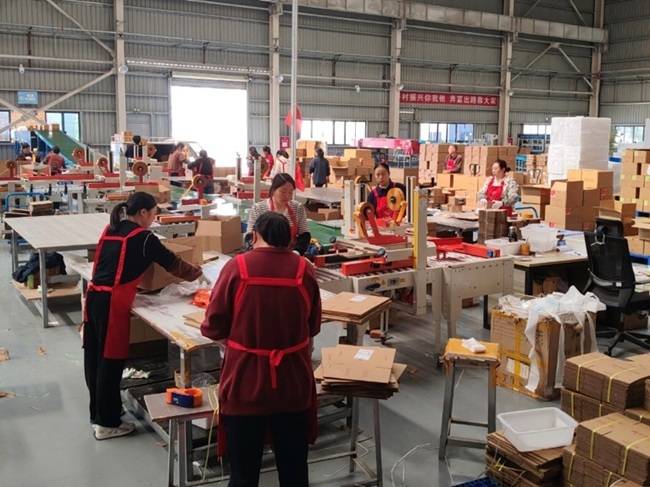
Core Insights - The company, Rongfeng Technology, has received over 10,000 pre-orders during the Spring Festival and is fully operational on the first working day after the holiday, ensuring all orders are dispatched [1] - Rongfeng Technology is a leading enterprise in the e-commerce industry of Rong County, focusing on local specialty agricultural products and utilizing a comprehensive "content e-commerce + live sales + standardized supply chain" model [3][4] Company Operations - The company has established an intelligent warehousing center and a brand operation center in Chengdu, achieving standardized management throughout the agricultural product supply chain from planting to sales [4] - Rongfeng Technology has developed over 60 specialty products, including seasoning for "Bobo Chicken" and "Spicy Rabbit," with cumulative sales of over 50 million bags for the seasoning alone [3] Economic Impact - The company has positively impacted over 5,000 local farmers and expanded planting areas by over 20,000 acres through its operations, contributing to increased income for thousands of farmers [4] - The local government supports the company's growth and aims to enhance the e-commerce sector, promoting the transformation of local farmers from selling raw materials to selling products and brands [4]

新闻调查丨“村戏搭台、招工唱戏”莞铜携手促进高质量充分就业
Yang Shi Xin Wen· 2026-02-21 22:27
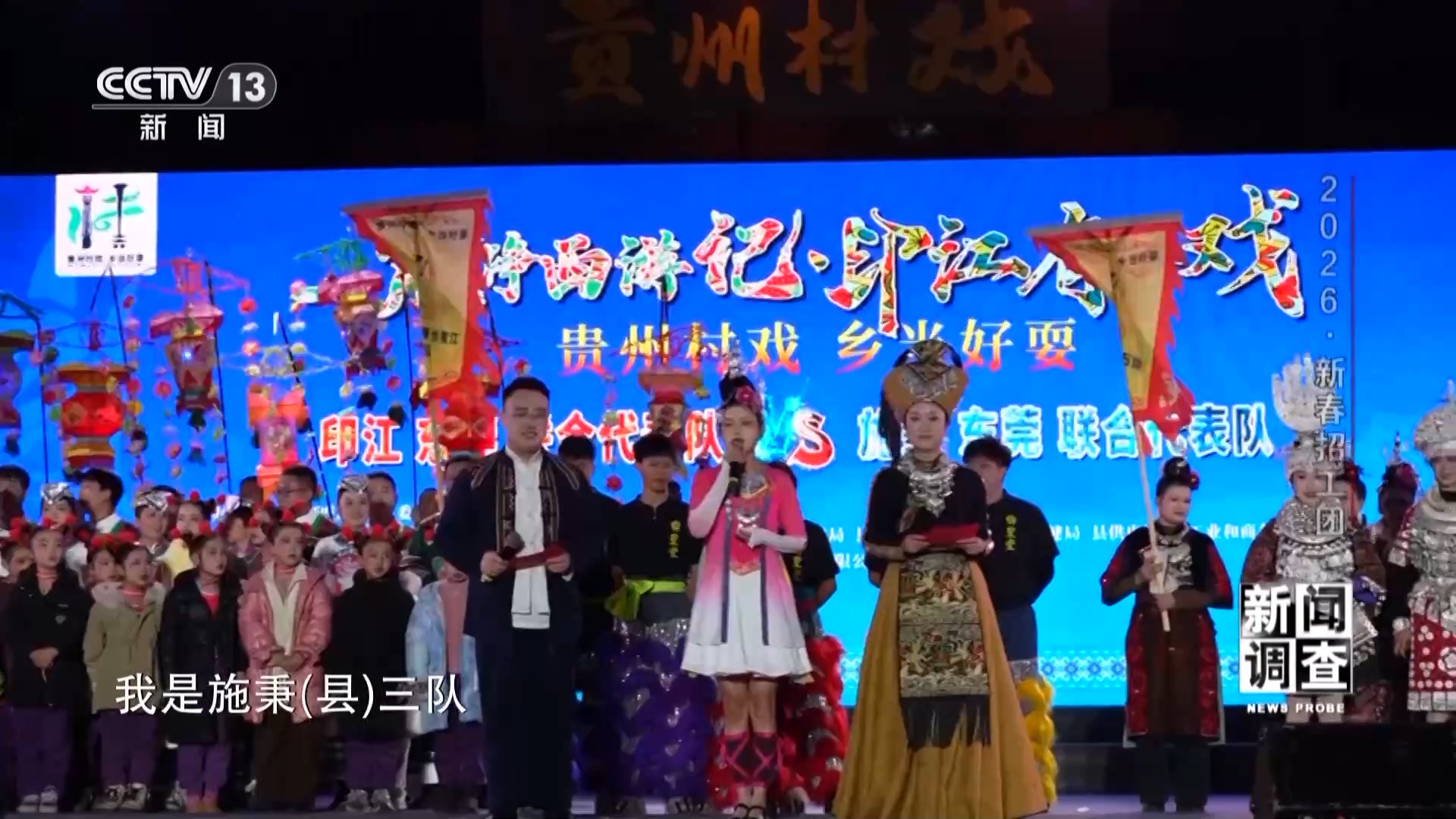
Group 1 - The core idea of the news is the collaboration between Dongguan and Tongren to facilitate employment through innovative recruitment methods during the Spring Festival, integrating cultural activities with job opportunities [1][6][14] - The recruitment event features local cultural performances, referred to as "village drama," which serves as a platform for job recruitment, showcasing the integration of cultural and employment initiatives [2][4] - Dongguan's human resources department has been organizing recruitment activities in Tongren annually since 2021, focusing on the critical period of job transitions around the Spring Festival [6][8] Group 2 - In 2025, Dongguan's total employment scale reached 5.5749 million, showing a year-on-year increase of 2.5%, indicating a positive employment outlook [8] - Approximately 44% of enterprises in Dongguan reported an increase in labor demand after the Spring Festival, while over 30% indicated stable demand, reflecting a slight rise compared to previous years [8] - The collaboration aims to enhance talent skills and broaden employment pathways, with both cities focusing on complementary development in various sectors [15][27] Group 3 - The recruitment team from Dongguan included over 20 representatives from local enterprises and human resources departments, aiming to meet the labor needs of Dongguan companies during the Spring Festival [16] - The event also highlights the importance of local enterprises in Tongren, such as a toy factory that employs workers from nearby resettlement areas, offering flexible working hours and competitive salaries [18][20] - Dongguan's toy industry, with over 5,500 production and supporting enterprises, is transitioning from manufacturing to creating intellectual property, indicating a shift in the industry landscape [26] Group 4 - The demand for skilled workers is increasing, particularly in the fields of new energy and intelligent manufacturing, which require technical expertise rather than traditional labor [30] - Dongguan's vocational institutions are adapting to this demand by training "degree + skill" composite talents, reflecting a broader trend in provinces like Guangdong and Shandong [32][35] - The local government in Tongren is also promoting free skills training activities to enhance the competitiveness of returning workers during the Spring Festival [37] Group 5 - The recruitment event also included a focus on the local economy, with Tongren's GDP exceeding 172.2 billion yuan in 2025, and a growth rate of 5.6%, the highest in Guizhou province [15][46] - The event showcased the changing labor market dynamics, with local enterprises leveraging e-commerce and live streaming to boost sales and employment opportunities [44][56] - The collaboration between Dongguan and Tongren is seen as a model for balancing labor supply and demand, with a focus on enhancing employment stability and promoting local economic development [39][67]
除了自嗨锅,其他自热火锅品牌如颐海国际目前的经营状况如何?
Sou Hu Cai Jing· 2026-02-16 10:13
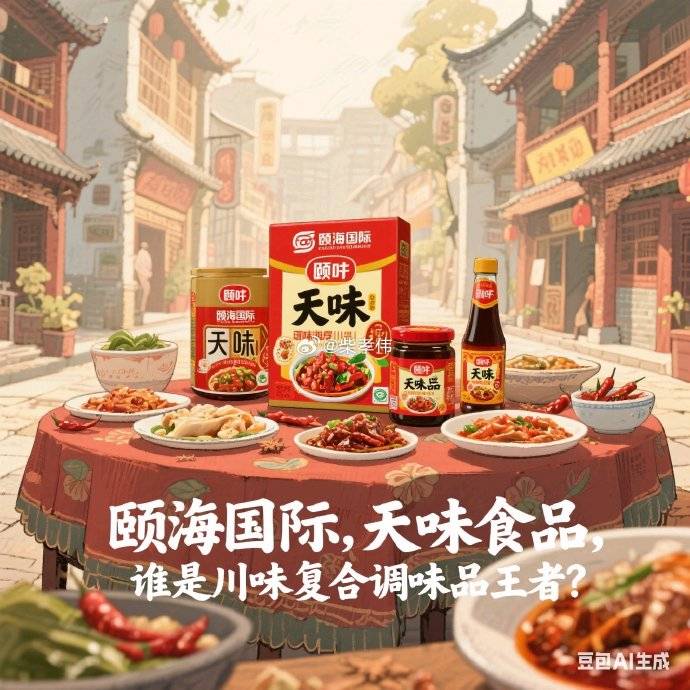
Core Insights - The self-heating hot pot market is undergoing significant contraction, exemplified by the bankruptcy of self-heating pot company, which had a valuation of 7.5 billion yuan and liabilities exceeding 140 million yuan, indicating overall industry shrinkage [1] - Leading companies like Yihai International are showing resilience through supply chain and channel transformations despite a slowdown in growth [1] Industry Overview - The self-heating hot pot market saw a 32.67% year-on-year decline in sales in Q4 2024, with market share dropping from 1.84% in 2022 to below 1% [1] - Price sensitivity among consumers has increased, with products priced above 30 yuan dropping to 44.02% of sales, alongside concerns over food safety and taste defects accelerating industry consolidation [1] Yihai International - Yihai International reported revenue of 6.54 billion yuan in 2024, a 6.4% increase, with third-party business accounting for 69.8% of revenue and growing at 10.4% [1] - The company is implementing three strategies to address growth challenges: 1. Expanding distribution channels and international presence through 3,000 distributors and a factory in Thailand covering 49 countries [1] 2. Diversifying product offerings, including a 56.7% growth in non-hot pot items like sour and spicy noodles [1] 3. Controlling costs by establishing raw material bases, although investment in health-oriented product development remains a shortcoming [1][2] Tianwei Foods - Tianwei Foods achieved revenue of 3.476 billion yuan in 2024, a 10% year-on-year increase, with net profit soaring by 36.77% [4] - Key success factors include: - Focus on specific product categories, with Chinese cuisine condiments generating 1.771 billion yuan, accounting for 50.9% of revenue and a market share of 11.1% [4] - Strong distribution network with 2,207 distributors covering 700,000 terminals and over 80% penetration in county-level markets [4] - Health-oriented innovations, such as fresh matsutake soup base and reduced-salt series, responding to consumer demand [4] Industry Future - Future competition will focus on three dimensions: 1. Precise scene targeting, emphasizing self-heating food as an "emergency need" rather than a substitute for daily meals [6] 2. Technological upgrades to improve safety and freshness of heating packs and ingredients [6] 3. Empowering B-end clients, with Yihai providing customized base materials to chain restaurants and Tianwei acquiring companies to enter the restaurant supply chain [6] - Leading companies are shifting towards "value competition," with Yihai replicating its "hot pot + dining" model in Southeast Asia and Tianwei exploring overseas Chinese markets through H-share listings [6]
深圳东门步行街大变样:传统商圈如何寻到新活力|新春走基层
证券时报· 2026-02-16 04:26
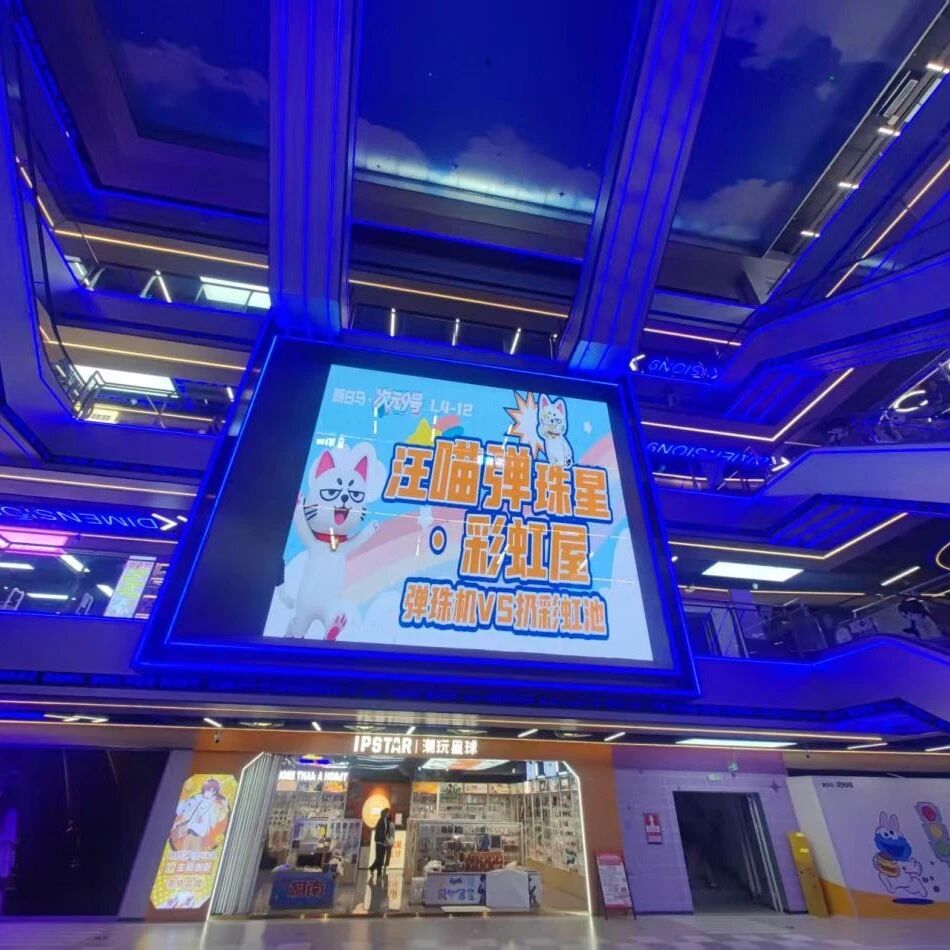
Core Viewpoint - The article highlights the transformation of Dongmen Pedestrian Street in Shenzhen, emphasizing its ability to adapt and rejuvenate while maintaining its traditional charm, particularly in the context of the upcoming Spring Festival [1][5]. Group 1: Transformation and Development - Dongmen Pedestrian Street has undergone significant renovations, including building upgrades, underground utility improvements, and the establishment of a smart business district, all aimed at revitalizing the area without major demolitions [1][5]. - The street has seen an increase in foot traffic, becoming a popular destination during the festive season, showcasing its successful transformation [1][5]. Group 2: New Commercial Concepts - New commercial spaces are being developed, such as the "New White Horse·Dimension 9," which focuses on a blend of anime, gaming, and virtual idols, catering to the interests of the younger generation [3][5]. - The introduction of the "谷子经济" (Guzi Economy), which targets the "二次元" (two-dimensional) demographic, is a strategic move to foster new consumption growth points in Shenzhen [5]. Group 3: Market Positioning and Strategy - The revitalization strategy of Dongmen emphasizes "micro-renovations" to preserve local culture while integrating modern technology and cultural elements, thus finding a new market position [5][6]. - Industry experts suggest that traditional commercial areas like Dongmen should leverage nostalgia and innovative planning to attract customers and differentiate themselves in a competitive market [5][6].
安龙芭蕉芋粉条产销两旺
Xin Lang Cai Jing· 2026-01-22 22:14
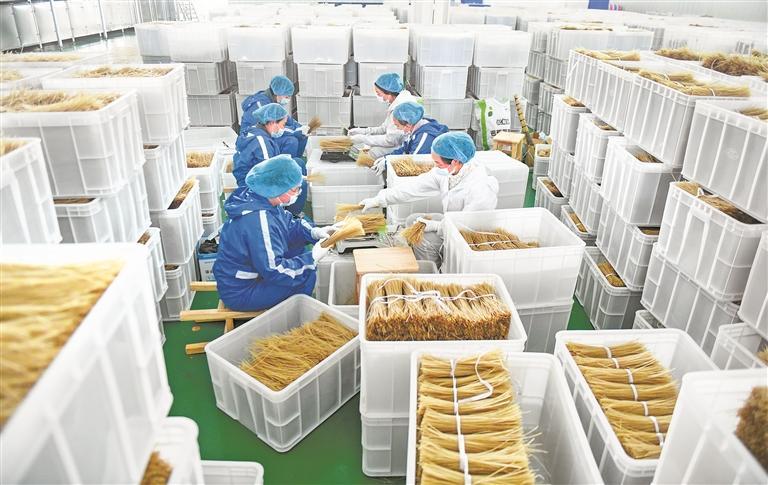
Group 1 - The core viewpoint of the article highlights the increasing production of starch-based products, particularly noodles, in Guizhou Province, as the demand rises during the festive season [4] - Guizhou XinChang Starch Technology Co., Ltd. is operating at full capacity, producing over 10 tons of noodles daily and is expected to purchase 30,000 tons of taro this year [4] - The local government in Anlong County is promoting large-scale cultivation of high-starch taro and developing deep processing of taro, which has led to a successful market for products like noodles, vermicelli, starch, and spicy powder, thereby expanding income channels for farmers [4]
农村实用人才达185.5万人,河南大力培育农业人才队伍 筑牢人才支撑 建设农业强省
Ren Min Ri Bao· 2026-01-21 22:25
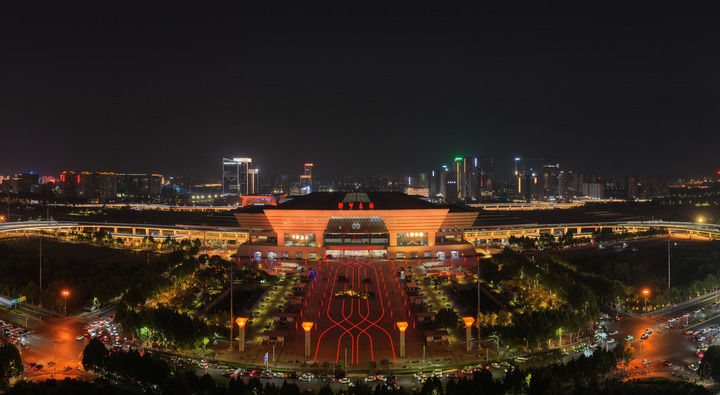
Core Insights - The agricultural province of Henan has maintained a stable grain production of over 130 billion jin for nine consecutive years, emphasizing its significance in China's agricultural landscape [1] - The transformation of traditional agriculture to modern agriculture in Henan is driven by talent cultivation and innovative thinking, focusing on technology and industry innovation [1] - The province is investing in agricultural education reform to produce skilled professionals who are knowledgeable and passionate about agriculture, addressing the long-standing issue of insufficient specialized talent [2][3] Talent Development - Henan has 185.5 million practical rural talents, with a focus on training village leaders and new agricultural operators to enhance farmers' skills and knowledge [1] - The province's agricultural universities are reforming their education systems to emphasize practical experience, with over 7,000 students expected to engage in agricultural research and enterprises by 2025 [2] - The "Shennong Talent" program has recognized several individuals in Henan, highlighting the province's commitment to nurturing strategic scientists in agriculture [3] Infrastructure and Innovation - Henan is establishing high-level platforms for agricultural research and innovation, including the Central Plains Agricultural Valley, which integrates research, education, and application [7] - The province has created a comprehensive agricultural innovation system, with 67 provincial-level agricultural research platforms and 88 seed enterprises, enhancing the agricultural value chain [7] - The introduction of new agricultural technologies and practices, such as the successful hybridization of wheat with wild relatives, showcases the province's advancements in agricultural science [7] Skills Training - A systematic approach to agricultural skills training has been initiated, with a target of training 730,000 individuals by 2025, fostering a new generation of skilled farmers [9][11] - The training programs are designed to be comprehensive, covering various aspects of agriculture, including e-commerce and sustainable farming practices [9] - The success of these training initiatives is evident in the increased income of rural residents, with a projected growth rate of 6.0% in disposable income for rural households by 2025 [13] Economic Impact - The agricultural industry in Henan is evolving towards higher value chains, with the emergence of modern food industry clusters worth trillions [13] - The province's grain production is expected to reach 135 billion jin by 2025, reinforcing its role as a key player in national food security [12] - The continuous growth in rural residents' disposable income outpaces that of urban residents, indicating a positive trend in rural economic development [13]
破立之间 优势再造谱新篇——河南在融入和服务全国统一大市场建设中释放增长动力
Xin Hua Wang· 2026-01-14 02:18
Core Viewpoint - The strong domestic market is a strategic support for China's modernization, with a focus on building a unified national market and addressing barriers to its construction [1][3]. Group 1: Economic Development and Reforms - In 2025, Henan aims to integrate and serve the national unified market as a strategic measure for high-quality development, with key economic indicators ranking among the top in major economic provinces [1]. - Henan has launched a "clearance and barrier-breaking" campaign targeting ten key areas of concern for enterprises and the public, addressing issues like market access and high logistics costs [3][5]. - The province has implemented reforms to simplify the process for businesses relocating, consolidating multiple application steps into a single registration process [5][6]. Group 2: Logistics and Transportation - Logistics costs are a significant concern for businesses, with logistics accounting for about 20% of total costs for some companies [6]. - Henan is enhancing its transportation network by upgrading waterways and promoting multimodal transport to reduce logistics costs [6][14]. - The province's logistics costs as a percentage of GDP were 13.4% in the first three quarters of 2025, slightly below the national average [8]. Group 3: Infrastructure and Connectivity - Henan is focusing on building a "national unified market circulation hub" to leverage its geographical advantages for better connectivity [11][21]. - The province has made significant investments in inland shipping and transportation infrastructure, including the development of major ports and waterways [14][16]. - By the end of November 2025, Henan's port throughput reached 60.68 million tons, a year-on-year increase of 20.2% [16]. Group 4: Economic Performance - In the first three quarters of 2025, Henan's GDP reached 48,867.57 billion yuan, growing by 5.6%, which is 0.4 percentage points higher than the national average [22]. - The province's strategic emerging industries and high-tech manufacturing sectors saw value-added growth of 12.5% and 15.7%, respectively [24]. - Henan's total import and export value reached 840.24 billion yuan in the first eleven months of 2025, a year-on-year increase of 13.5% [21]. Group 5: Consumer Market and Investment - Henan has actively adapted to new consumption trends, implementing initiatives to boost domestic demand and enhance consumption quality [28]. - The province's fixed asset investment and retail sales of consumer goods grew by 4.3% and 5.8%, respectively, in the first eleven months of 2025 [29]. - Major projects in the province have significantly stimulated investment activity, with projects over 100 million yuan seeing an 8.6% increase in completed investment [26].
做好“土特产”这篇大文章
He Nan Ri Bao· 2026-01-09 23:15
Group 1 - The phrase "Ten barrels of spicy and sour noodles, eight barrels made in Henan" illustrates the significant position of Henan enterprises in the spicy and sour noodle industry [1] - Tongxu County's spicy and sour noodle industry park has 23 large-scale enterprises and 76 production lines, producing 720 million barrels annually and creating employment for 61,000 people, making it the largest production base in the country [1] - The total industrial output value of the spicy and sour noodle industry chain in Tongxu County has exceeded 8 billion yuan [1] Group 2 - Henan has accelerated the upgrade of its industrial chain, focusing on modern food industry clusters, including 20 advantageous specialty industrial chains such as wheat, corn, rice, and sweet potatoes [2] - The province produces half of the country's ham sausages, one-third of instant noodles, one-quarter of steamed buns, three-fifths of dumplings, and four-fifths of spicy and sour noodles, establishing a modern grain industry system [2] - The central rural work conference emphasizes the importance of cultivating county-level industries to increase farmers' income, while the provincial meeting stresses responsibility and innovation in rural work [2] Group 3 - The concept of a modern large industry involves not only scale but also the integration of chains and clusters to achieve significant development through cooperation [3] - There is a need to extend agricultural industrial chains, enhance value chains, and build supply chains to foster new economic momentum in rural areas [3] - Emphasizing unique regional resources and differentiated development can promote county economic growth and contribute to rural revitalization [3]
刘宁到信阳息县调研推动工作时强调:着力抓好小麦田管促苗情转化升级 发挥优势努力把农业建成现代化大产业
He Nan Ri Bao· 2026-01-08 11:12
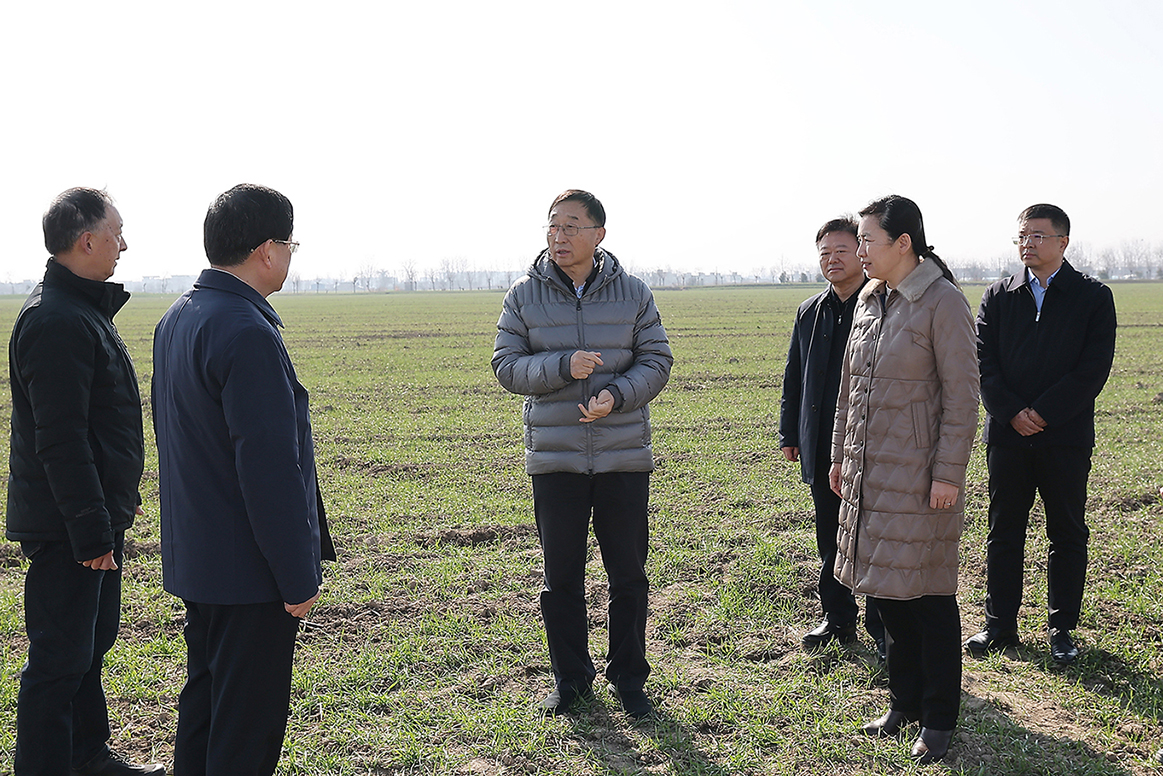
Group 1 - The article emphasizes the importance of agricultural production and modern agricultural development in Xixian County, highlighting the need to ensure food security and improve wheat management practices [2][4] - Liu Ning, the provincial secretary, visited local farms to assess winter wheat growth and management, stressing the significance of monitoring weather conditions and implementing effective agricultural techniques to enhance crop yield [2][3] - The article discusses the development of the agricultural industry in Xinyang, focusing on the enhancement of agricultural competitiveness through brand building and extending the agricultural supply chain [3] Group 2 - Liu Ning highlighted the need for collaboration between research and industry to cultivate high-quality wheat varieties and increase the added value of agricultural products, aiming to expand the market reach of these products beyond Henan [3] - The article mentions the importance of developing a modern industrial system with regional characteristics, enhancing agricultural production capacity, and integrating into the national market [4] - Liu Ning also addressed the significance of promoting red culture and leveraging historical resources to support the revitalization of the old revolutionary areas [4]
农业大省的乡村富民产业图景
He Nan Ri Bao· 2026-01-02 23:22
Core Insights - The conference on rural revitalization highlighted the integration of traditional agriculture with modern industry in Henan, aiming to increase farmers' income and reshape rural landscapes through diversified development [1] Group 1: Agricultural Production - Henan has maintained a stable grain production of over 130 billion jin for nine consecutive years, leading the nation in oilseed, edible fungi production, and live pig stock [1] - The province is actively developing specialty agriculture, with products like Lingbao apples and Huanchuan's "rice-shrimp-turtle" model gaining national recognition and market access [1] Group 2: Agricultural Processing Industry - Henan has developed a robust agricultural processing sector with over 6,103 enterprises, including 119 national-level agricultural industrialization leading enterprises, ranking second in the country [2] - The province is focusing on deep processing of agricultural products, enhancing value through products like frozen dumplings and trending items such as spicy sour noodles and tea beverages [2] Group 3: Labor and Market Expansion - The labor force and large market in Henan have fostered the growth of labor-intensive industries like rural garment processing and handicrafts, creating local employment opportunities [3] - The improvement of rural logistics networks and cold chain systems has facilitated the movement of agricultural products from villages to cities, enhancing market access [3] Group 4: Cultural and Ecological Integration - Henan is promoting rural tourism by integrating agricultural culture and scenic landscapes, creating new income channels for villagers through dining, accommodation, and direct sales of agricultural products [4] - The average disposable income for rural residents is projected to reach 21,330 yuan by 2024, with a reduction in the urban-rural income gap from 2.16 in 2020 to 1.97 [4] - By 2027, Henan aims to establish a well-structured rural industry framework with 18 industrial chains generating a total output value of 2.5 trillion yuan, benefiting over 12 million farmers [4]