耐心资本

Search documents
金融监管总局召开2026年监管工作会议提出:优化科技金融服务 积极培育耐心资本
Zhong Guo Zheng Quan Bao· 2026-01-15 23:58
金融监管总局1月15日消息,金融监管总局当日召开的2026年监管工作会议提出,不断提升金融服务经 济社会质效。强化促消费、扩投资的金融供给,高效服务扩大内需战略。优化科技金融服务,积极培育 耐心资本,助力新质生产力发展。 二是严密防范化解相关领域风险。推动城市房地产融资协调机制常态化运行,助力构建房地产发展新模 式。依法合规支持融资平台债务风险化解。严防严打严处非法金融活动。 三是切实提高行业高质量发展能力。做好统筹规划,稳妥推进中小金融机构减量提质,合理优化机构布 局。深入整治无序竞争,持续规范行业秩序。督促银行保险机构专注主业、错位发展。推进金融高水平 对外开放。 四是全面加强和完善金融监管。聚焦实质风险、解决实际问题,不断强化"五大监管",提高依法监管能 力,做实分类分级监管。加快推进"金监工程"设计和建设。扎实履行统筹金融消费者保护职责。有效发 挥"四级垂管"整体效能。积极参与国际金融治理改革。 五是不断提升金融服务经济社会质效。做好金融"五篇大文章",坚持投资于物和投资于人紧密结合,持 续加大对重大战略、重点领域和薄弱环节的支持力度。强化促消费、扩投资的金融供给,高效服务扩大 内需战略。优化科技金融 ...
金融监管总局召开2026年监管工作会议提出 优化科技金融服务 积极培育耐心资本
Zhong Guo Zheng Quan Bao· 2026-01-15 23:39
金融监管总局1月15日消息,金融监管总局当日召开的2026年监管工作会议提出,不断提升金融服务经 济社会质效。强化促消费、扩投资的金融供给,高效服务扩大内需战略。优化科技金融服务,积极培育 耐心资本,助力新质生产力发展。 会议深入贯彻党中央、国务院决策部署,系统总结2025年工作,统筹安排2026年重点任务。会议提出, 2025年,金融监管总局系统上下紧紧围绕防风险、强监管、促高质量发展工作主线,迎难而上、真抓实 干,牢牢守住不发生系统性金融风险的底线,各项工作取得积极进展。 具体而言,坚定不移推进全面从严治党。有力有序防范化解重点风险,中小金融机构改革化险取得重大 进展,城市房地产融资协调机制扩围增效,积极支持融资平台经营性金融债务接续置换重组。强监管严 监管氛围逐步形成,金融监管法制加快健全,严厉惩治违法违规行为,会同公安等部门坚决打击金融领 域"黑灰产"。综合施策引领行业改革转型,持续推进保险业"报行合一"和预定利率调整,加力推动银行 业提质增效。精准有效支持经济稳中向好,出台超长期贷款相关政策服务"两重"建设,支持小微企业融 资协调工作机制走深走实,科技金融"四项试点"稳步推进,保险经济减震器和社会稳 ...
更长存续 更少返投 更硬科技 撬动耐心资本 创投“国家队”打法升级
Zhong Guo Zheng Quan Bao· 2026-01-15 22:50
Core Insights - The National Venture Capital Guiding Fund, launched at the end of 2025, has a 20-year duration and aims to support hard technology sectors without regional investment return requirements, marking a significant shift in China's venture capital landscape [1][2]. Group 1: Fund Characteristics - The guiding fund is designed to leverage a substantial amount of fiscal resources, aiming to mobilize trillions in social capital, focusing on strategic emerging industries and early-stage innovative small and medium enterprises [2]. - The fund's long duration and flexible return requirements are seen as beneficial for fostering a unified national market and aligning with the developmental needs of technology enterprises [2][5]. Group 2: Investment Trends - There is a noticeable trend of state-owned capital funds increasing their investments in hard technology, with significant investments in semiconductor and AI sectors, indicating a long-term commitment to strengthening key industrial chains [2][6]. - The guiding fund's approach emphasizes early and small investments, which aligns with the growth trajectories of innovative companies, as evidenced by the involvement of state-owned funds in various successful startups [1][6]. Group 3: Changes in Investment Strategy - The investment strategy has evolved to allow longer fund durations and more flexible return mechanisms, moving away from rigid return requirements that previously distorted investment decisions [4][5]. - A focus on a more patient capital approach is emerging, with an emphasis on supporting the entire lifecycle of investments rather than prioritizing quick returns [4][6]. Group 4: Sector-Specific Investments - The state-owned venture capital "national team" is actively investing in critical sectors such as semiconductors, advanced manufacturing, artificial intelligence, and new materials, reflecting a strategic focus on enhancing domestic capabilities [6][7]. - Investments in aerospace and robotics are also highlighted, showcasing the diverse interests of the national team in fostering innovation across various high-tech fields [7].

撬动耐心资本 创投“国家队”打法升级
Zhong Guo Zheng Quan Bao· 2026-01-15 20:48
Core Insights - The National Venture Capital Guiding Fund, launched at the end of 2025, has a 20-year duration and aims to support hard technology sectors without regional reinvestment requirements, marking a significant shift in China's venture capital landscape [1][2] Group 1: Fund Characteristics - The fund emphasizes a focus on hard technology and strategic emerging industries, primarily targeting seed, early, and mid-stage innovative small and micro enterprises [2] - The fund's long duration and flexible reinvestment requirements are designed to align with the growth cycles of hard technology companies, promoting a more market-oriented investment approach [3][4] Group 2: Investment Trends - State-owned capital is increasingly investing in hard technology, with significant contributions from central enterprises and local government funds, such as the 18.32 billion USD investment from the National Integrated Circuit Fund into SMIC [2][3] - Local government funds are also expanding, with Beijing establishing a 100 billion yuan fund focused on AI and robotics, and Chengdu launching a fund covering similar future industries [2] Group 3: Investment Strategy Evolution - The investment strategy has shifted towards longer fund durations and more flexible reinvestment mechanisms, with 53% of new guiding funds allowing for durations over 10 years [3][4] - The focus has moved from short-term gains to respecting industry growth patterns, reducing the pressure for forced exits during market downturns [3][4] Group 4: Key Sectors and Companies - The state venture capital "national team" is actively investing in critical sectors such as semiconductors, advanced manufacturing, AI, and new materials, with notable investments in companies like Moer Technology and Longxin Technology [1][6] - In the semiconductor sector, investments have been made in key areas such as core equipment and materials, while in AI, the focus includes hardware and software solutions [6][7] Group 5: Future Industry Focus - The national team is also targeting emerging fields like embodied intelligence and robotics, with investments in companies that facilitate faster technological validation and industrial scaling [7] - The collaboration between the guiding fund and various capital sources is expected to accelerate the formation of a mature patient capital ecosystem, driving China's high-quality economic development [7]
优化科技金融服务 积极培育耐心资本
Zhong Guo Zheng Quan Bao· 2026-01-15 20:48
● 本报记者 张佳琳 金融监管总局1月15日消息,金融监管总局当日召开的2026年监管工作会议提出,不断提升金融服务经 济社会质效。强化促消费、扩投资的金融供给,高效服务扩大内需战略。优化科技金融服务,积极培育 耐心资本,助力新质生产力发展。 会议深入贯彻党中央、国务院决策部署,系统总结2025年工作,统筹安排2026年重点任务。会议提出, 2025年,金融监管总局系统上下紧紧围绕防风险、强监管、促高质量发展工作主线,迎难而上、真抓实 干,牢牢守住不发生系统性金融风险的底线,各项工作取得积极进展。 会议要求,要切实提高政治站位,强化责任担当,主动作为、靠前谋划,扎实推动监管工作取得更大成 效。 一是有力有序有效推进中小金融机构风险化解。着力处置存量风险,坚决遏制增量风险,牢牢守住 不"爆雷"底线。 二是严密防范化解相关领域风险。推动城市房地产融资协调机制常态化运行,助力构建房地产发展新模 式。依法合规支持融资平台债务风险化解。严防严打严处非法金融活动。 三是切实提高行业高质量发展能力。做好统筹规划,稳妥推进中小金融机构减量提质,合理优化机构布 局。深入整治无序竞争,持续规范行业秩序。督促银行保险机构专注主业、 ...
筑牢养老金融基石 书写保险强国答卷 ——深刻领会中央经济工作会议精神,推动养老保险行业高质量发展
Jin Rong Jie· 2026-01-15 13:37
Core Viewpoint - China is accelerating towards a deeply aging society, with over 20% of the population aged 60 and above, making pension security a critical issue for family welfare, economic stability, and national security [1][2][3] Group 1: Strategic Necessity for Multi-Pillar Pension System - The aging population and declining birth rates have increased the old-age dependency ratio to 22.8%, necessitating the establishment of a "third pillar" commercial pension insurance system [4] - The basic pension replacement rate has dropped to around 45%, significantly below the international standard of 70%, indicating that reliance on the first pillar is insufficient [5] - With per capita GDP exceeding $12,000, the demand for life insurance is expected to grow, highlighting the potential for the pension annuity market in China [6][7][8] Group 2: Development of Third Pillar Pension Annuities - The third pillar pension system, centered on voluntary savings, is projected to reach a scale of 13.6 trillion yuan by 2035, indicating vast future growth potential [10] - Insurance companies are exploring diversified products and services, with pension annuity insurance becoming a key product due to its strong certainty and long-term protection features [11] - Ping An Life has launched the "Yuxiang Xinrui 2.0" pension annuity insurance, which has already served over 40,000 customers and generated over 10 billion yuan in first-year premiums [6][11] Group 3: Industry Dynamics and Collaboration - The synergy between banks and insurance companies is crucial for the development of pension finance, leveraging banks' extensive customer base and insurance companies' asset-liability management capabilities [9] - The integration of medical and health services with pension finance is emphasized as a strategic path for high-quality development in the industry [4] Group 4: Future Directions and Recommendations - The government is incorporating "pension finance" into its financial strategy, requiring a systematic approach to policy support and market supply [4] - To enhance the attractiveness of pension annuity products, it is recommended to include more eligible products in personal pension tax rebate accounts and gradually increase the contribution limits [10] - Ping An Life aims to continue supporting the high-quality development of the Chinese economy while safeguarding the pension welfare of millions of families [11]

田轩:中国风投存续期仅为美国一半,如何培养“耐心资本”?
Xin Lang Cai Jing· 2026-01-15 07:36
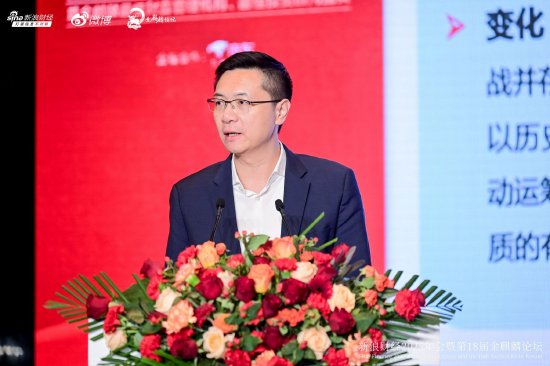
Group 1 - The forum on the outlook of global and Chinese capital markets was held on January 15, 2026, featuring a keynote speech by Tian Xuan, highlighting the need for an effective capital market [1] - Venture capital is identified as a key driver of technological innovation, with significant differences between the venture capital markets in the US and China [3][13] - US venture capital funds typically have a lifespan of 10 to 12 years, while Chinese funds have a shorter lifespan of 5 to 7 years, limiting the ability of Chinese firms to invest in early-stage, high-tech projects [3][13] Group 2 - The structure of venture capital funding in the US is predominantly composed of institutional investors, with about 98% being such entities, providing stable long-term support for innovation [4][14] - In contrast, over 80% of Chinese venture capital investors have state-owned backgrounds, including government-led funds and state-owned enterprises, which may lead to less patient capital [4][14] - The current investment evaluation and assessment mechanisms in China are based on annual cycles, which may discourage early-stage investments due to the high failure rates typically associated with such ventures [9][18] Group 3 - Higher tolerance for failure among lead venture capitalists correlates with increased innovation quantity and quality in portfolio companies post-IPO [11][19] - The need for a more inclusive innovation market is emphasized, suggesting that a shift in mindset towards accepting failures could enhance overall innovation outcomes [11][19]

从智谱与MiniMax股东结构看科技金融生态演进
Zheng Quan Ri Bao· 2026-01-14 15:42
Core Viewpoint - The recent listings of Beijing Zhipu Huazhang Technology Co., Ltd. and MiniMax on the Hong Kong Stock Exchange mark a significant milestone as they become among the first AI large model companies to go public, attracting considerable market attention due to their impressive shareholder structures [1] Group 1: Shareholder Structure - The shareholder structure of both AI companies is characterized by three distinct layers: early-stage venture capital firms, industry-backed capital from major tech companies, and long-term "patient capital" from sovereign funds and insurance [1][2] - This multi-layered shareholder arrangement reflects a capital relay model that supports the growth of innovative enterprises, indicating a mature financial ecosystem for technology innovation in China [1][2] Group 2: Role of Different Capital Types - The integration of various types of capital, including risk capital, industry capital, and patient capital, is essential for supporting technology innovation, particularly in high-risk sectors like AI [2] - Early-stage venture capital takes on high risks, while industry capital connects to commercialization paths, and patient capital focuses on long-term returns after technology barriers are established [2] Group 3: Commercialization Challenges - The primary challenge for innovative companies, especially in hard technology, lies in the commercialization phase rather than in technology development [3] - Major industry players like Alibaba and Tencent play a crucial role by integrating cutting-edge technologies into their vast business ecosystems, creating a symbiotic relationship that enhances both investment and technological application [3] Group 4: Importance of Patient Capital - The introduction of patient capital, such as sovereign funds and insurance, prior to a company's IPO serves as a strategic anchor and aids in managing expectations, stabilizing market confidence amid volatility in the tech sector [4] - This type of capital is crucial for fostering a stable investment environment that supports the long-term growth of innovative enterprises [4] Group 5: New Financing Paradigm - The diverse shareholder composition behind Zhipu and MiniMax illustrates the evolving financial ecosystem in China, outlining a new financing paradigm characterized by market discovery, industry empowerment, and long-term support [4] - Continuous optimization of institutional design is necessary to ensure that various types of capital effectively collaborate within the innovation chain, thereby enhancing the financial support for high-level technological self-reliance [4]
形成四五十万亿股权基金!黄奇帆重磅提议
Sou Hu Cai Jing· 2026-01-14 13:39
Core Viewpoint - Huang Qifan emphasizes the need to increase direct financing through a dual approach, developing both the stock market and equity investment funds, suggesting the establishment of a guiding fund involving various financial sources [1][2]. Group 1: Funding Sources for Equity Investment - Huang Qifan estimates that if 3% of China's bank capital is allocated to equity investment, it could generate approximately 1 trillion yuan as a source for equity investment funds [1]. - The social security fund could potentially contribute around 2 trillion yuan if 30% of its assets are directed towards equity investment [1]. - Insurance funds, if allocated 30% for equity investment, could yield between 3 trillion to 4 trillion yuan for equity investment funds [1]. Group 2: Potential Scale of Equity Investment Funds - The aggregation of funds from banks, social security, insurance, and foreign exchange could create a guiding fund of over ten trillion yuan, potentially leading to a scale of 40 to 50 trillion yuan in equity investment funds to support corporate equity [2]. Group 3: Current Developments in Financial Asset Investment Companies (AIC) - As of 2024, the pilot program for financial asset investment companies has expanded to 18 cities, with signed agreements exceeding 350 billion yuan [3][4]. - The number of bank-affiliated AICs has grown to nine, with total signed amounts surpassing 3.8 billion yuan [5]. Group 4: Recent Initiatives and Fund Launches - The establishment of the Jianyuan Zhengxing Fund, with a scale of 7 billion yuan, marks the first instance of AICs participating in Shenzhen's strategic industry investments [6]. - China Bank has successfully launched a science and technology mother fund, expanding its scale to over 50 billion yuan, with a focus on long-term capital investment [6][7]. Group 5: Role of Social Security and Insurance Funds - Multiple social security science and technology funds have been launched in 2025, totaling 2.1 billion yuan, which will help attract more social capital to strategic industries [8]. - Since the policy shift in late 2020, insurance capital has increasingly invested in private equity, becoming a significant source of long-term capital for the VC/PE sector [9][10]. Group 6: Regulatory Changes and Future Expectations - The recent notification from the National Financial Supervision Administration allows insurance companies to invest up to 30% in single venture capital funds, enhancing support for the equity investment industry [9]. - The alignment of insurance capital with long-term investment characteristics is expected to facilitate a more stable investment environment in the equity investment sector [10][11].

聂新勇持仓15年:陕西“交大老师”63岁冲上市
Sou Hu Cai Jing· 2026-01-14 09:15
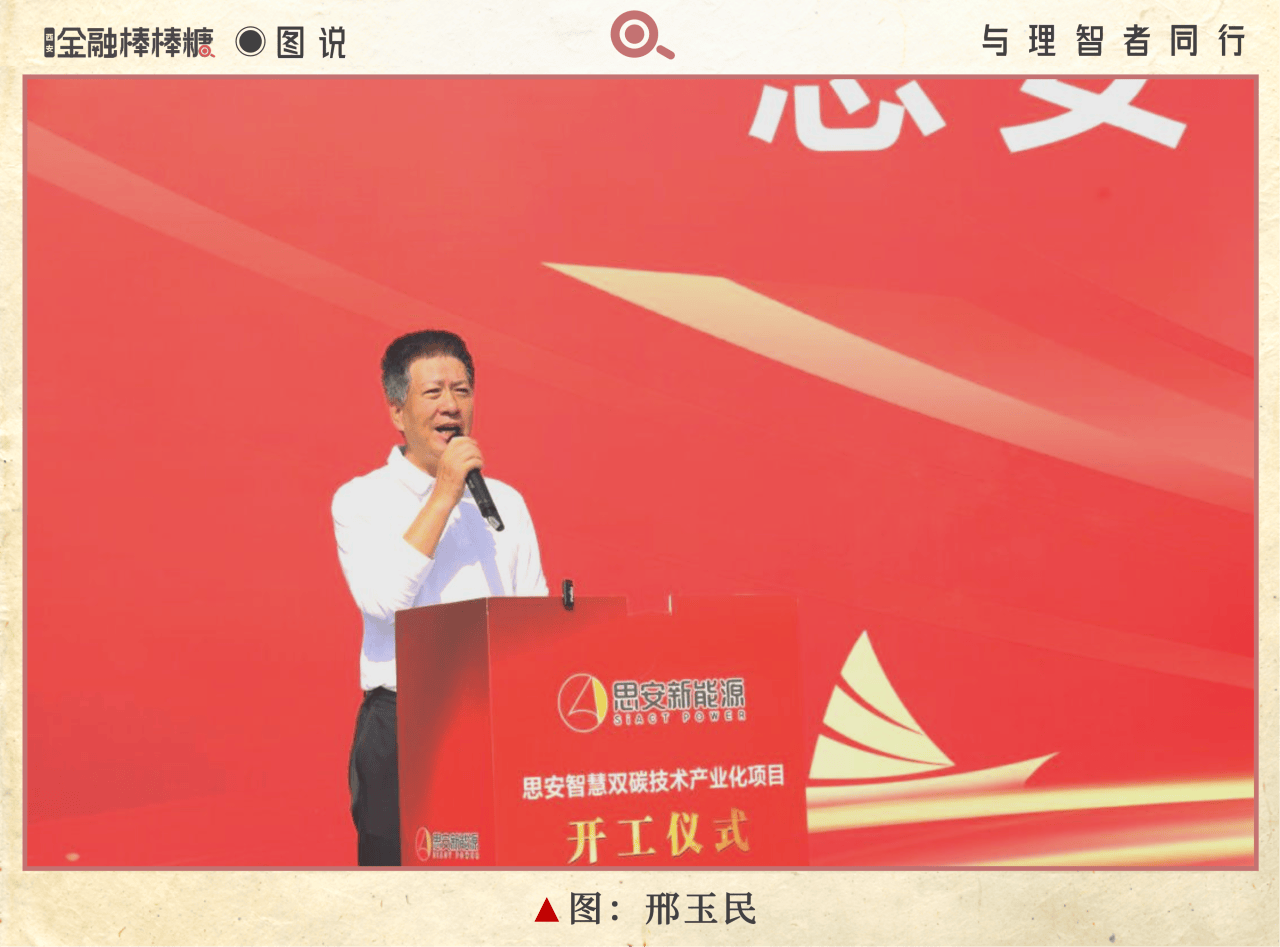
民营投资大佬确实有耐心。 2025年12月1日,思安新能源股份有限公司(简称"思安新能")的上市辅导备案报告正式公示,我们注意到,这家由"交大老师"在2008年创立的科创企业在 新三板挂牌后4个月内即开启了北交所上市征程。 我们发现,曾经执掌湘火炬的"资本老将"——聂新勇自2010年就坚守其中。 用通俗的语言表达,思安新能是一家帮助大型企业节能的智慧综合能源服务商。 公司位于西安高新区,基于自主研发的一系列标准化产品和解决方案,重点布局高载能、清洁供热、集中供热、装备制造、轨道交通、战略新兴等产业。公 开信息显示,其主营业务包括能源管理服务、能源系统建造与改造服务和能源数智化服务。 思安新能由邢玉民(63岁)在2008年初创立,创业前曾有7年均任西交大能源与动力工程学院热能工程系助教、讲师(至1994年),其女邢至珏为一致行动 人,2013年之前任民生证券项目经理。既是"父女档",也是"产融结合"的另一表达。 值得一提的是,邢玉民可以说是陕西较早一批下海创业的教师,其在离开交大前的1992年就已任西安市思安高技术公司总经理。 如今的思安新能已取得不少成绩。公司不仅在2021年即获得工信部首批重点专精特新"小巨 ...