股权投资

Search documents
十五五规划定调,创投迎来重磅政策利好
母基金研究中心· 2026-03-17 09:19
Core Viewpoint - The "14th Five-Year Plan" emphasizes the support for venture capital and private equity investment, highlighting the role of national-level mother funds in driving the growth of the industry [2][3][4]. Group 1: National Fund Initiatives - The "14th Five-Year Plan" outlines a mechanism for investment, financing, management, and exit, aiming to broaden funding sources for venture capital [2]. - The national venture capital guiding fund is designed to attract nearly 1 trillion yuan in local and social capital, with a 20-year lifespan, including a 10-year investment period and a 10-year exit period [3]. - The establishment of a national-level mother fund is expected to significantly boost the venture capital industry, providing a substantial amount of capital and enhancing industry confidence [4][5]. Group 2: Regulatory and Structural Changes - Recent government reports emphasize the need for differentiated regulation of venture capital funds and the importance of policy support for the industry [3][6]. - The "Six Wide and One High" operational strategy for government investment funds aims to enhance efficiency and support the development of high-quality investment banks and institutions [6]. - Local governments are increasingly allowing longer fund durations, with many new government investment funds having lifespans of 12 to 20 years, which reduces short-term pressures on fund managers [7]. Group 3: Foreign Investment Opportunities - The "14th Five-Year Plan" signals favorable conditions for foreign investment in China, with policies encouraging foreign entities to engage in equity investments [8][12]. - Recent statements from global private equity executives indicate a renewed interest in the Chinese market, citing favorable valuations and low competition as attractive factors [9][11]. - The easing of restrictions on foreign investment companies using domestic loans for equity investments is expected to facilitate a significant return of foreign limited partners (LPs) to the market [12][14].


马年开工第一周,投资人就忙着出差
母基金研究中心· 2026-02-28 08:58
Core Viewpoint - The investment community is experiencing a renewed sense of urgency and activity as they adapt to a changing market environment, with a notable increase in business travel and engagement immediately following the Lunar New Year [2][3]. Group 1: Market Dynamics - The VC/PE industry in China has entered a cyclical downturn over the past two years, characterized by challenges in fundraising, investment, and exit strategies, leading to a "big cleanup" in the market [3]. - However, data from 2025 indicates a recovery in fundraising, investment, and exit activities, prompting investment firms to accelerate their operational pace to seize business opportunities [3]. Group 2: Policy Support - The recent publication of an article by Xi Jinping emphasizes the importance of enhancing innovation in financial services and supporting leading venture capital institutions and technology enterprises, signaling positive developments for the investment sector [4]. - The central government's economic work meeting highlighted the need to stimulate private investment and improve mechanisms for private enterprises to participate in major projects, further supporting the investment landscape [4]. Group 3: Government Initiatives - New policies aimed at promoting the high-quality development of government investment funds have been introduced, focusing on optimizing operations through a framework referred to as "six wide and one high," which emphasizes efficiency and flexibility [5][6]. - These initiatives are designed to ensure that government investment funds act as stabilizers and catalysts for high-quality economic development, aligning with market dynamics [6]. Group 4: Investment Ecosystem - There is a growing trend among local governments to establish a comprehensive fund ecosystem that includes seed funds, angel funds, and venture capital funds, reflecting a proactive approach to investment [7]. - Investment firms are encouraged to strengthen their internal capabilities and identify their unique positions within this evolving ecosystem to capitalize on the recovery phase [7]. Group 5: Global Recognition - The fourth Davos Global Fund of Funds Summit successfully took place, where the Global Fund of Funds Association announced the 2025 list of the world's best investment institutions, highlighting the global recognition of top-performing firms [9][12].

鞠彤欣(女,1991年出生),任深圳国资系一上市公司副总裁
Di Yi Cai Jing· 2026-02-25 22:26
Group 1 - The core point of the article is the appointment of Ju Tongxin as the Vice President of China Baoan, which is seen as a move to strengthen the company's management capabilities in capital operations and industrial integration [2][6]. - Ju Tongxin, born in 1991, becomes the youngest Vice President in the management team of China Baoan, with a background in actuarial science and statistics from the University of Michigan and Columbia University [6]. - Ju has previously worked at Vanke and Guangdong Minmetals Investment, where she was involved in investment and mergers in sectors like new energy and new materials, indicating her strong operational experience and global perspective [6][9]. Group 2 - The board of directors of China Baoan consists of 6 non-independent directors and 3 independent directors, with key positions held by individuals from the Shenzhen State-owned Assets and Guangdong Minmetals Investment backgrounds [6][7]. - The governance structure of China Baoan is characterized by a tripartite collaboration involving Shenzhen State Capital, Guangdong Minmetals Investment, and a stable management team, which is expected to enhance the company's strategic direction [7][9]. - The appointment of Ju is not only a routine personnel adjustment but also signals the ongoing improvement of the governance structure and a clearer strategic direction for China Baoan [9].


这个春节假期,创投圈迎来重磅利好
Sou Hu Cai Jing· 2026-02-25 13:50
Group 1 - The core message of the articles emphasizes the importance of innovation in technology financial services and the growth of leading venture capital institutions and technology enterprises as a strategic focus for the investment industry [1] - The recent policies from the State Council aim to enhance the quality of government investment funds, promoting a "six wide and one high" operational direction, which includes broadening registration, funding, and investment return mechanisms [2] - There is a notable increase in the lifespan of newly established government investment funds, with many having durations of 15-20 years, reflecting a shift towards long-term investment strategies [3] Group 2 - The tolerance for losses in government investment funds has significantly increased, with some regions allowing for a loss tolerance of up to 80%, indicating a more supportive environment for early-stage investments [3][4] - The policy environment for the equity investment industry has seen substantial improvements, with multiple supportive measures introduced to encourage venture capital and private equity investments [4][5] - The establishment of the National Venture Capital Guiding Fund aims to mobilize nearly 1 trillion yuan in local and social capital, further enhancing the investment landscape [8]
王麒诚:逆周期崛起的千亿资本领袖,重新定义中国股权投资时代
Sou Hu Cai Jing· 2026-02-25 04:11
Core Insights - The Chinese private equity (PE) and venture capital (VC) market faced significant challenges in 2025, with a 33.8% year-on-year decline in exit cases and an average exit period extending to 4.2 years, leading to a common pain point of "difficult fundraising, difficult exits, and difficult returns" across the industry [1] - Wang Qicheng, a prominent investor, adopted a unique model of "zero external fundraising, fully self-funded operations," achieving a 25% project exit rate, three times the industry average, and successfully completing over 10 billion IPO equity within 24 months [1][4] - This self-funded model allows for long-term investment strategies without the pressure of external capital redemption, enabling a focus on value creation rather than short-term performance [4][5] Industry Challenges - The traditional PE/VC model is under pressure due to external funding constraints and short-term performance evaluations from limited partners (LPs), forcing many institutions to chase trends and scale, often leading to losses during market downturns [4] - The overall investment scale in the industry significantly contracted in 2025, with many institutions reducing their investment activities, while Wang Qicheng maintained a steady investment pace, focusing on high-quality projects in emerging sectors [5] Wang Qicheng's Investment Strategy - Wang Qicheng's investment approach is characterized by a focus on long-term societal challenges, targeting sectors like renewable energy, cross-border healthcare, and artificial intelligence, allowing for strategic positioning before capital influx [10] - His investment philosophy emphasizes the importance of the founding team, requiring a combination of strategic vision and execution capability, thus prioritizing quality over quantity in project selection [11] - The investment strategy also involves creating an ecosystem that fosters collaboration among portfolio companies, enhancing their growth potential through shared resources and expertise [12] Transformation of Investment Paradigms - Wang Qicheng's success illustrates a shift from a scale-driven investment approach to one focused on deep value creation, challenging the traditional reliance on fundraising and scale in the Chinese PE/VC industry [15] - His model of "industry deep cultivation + self-funded base + full-cycle ecosystem empowerment" offers a replicable path for other investors, particularly in a challenging market environment [15] - As of early 2026, numerous high-quality projects from Wang Qicheng's portfolio are entering the IPO phase, indicating a critical moment for value realization in his investment ecosystem [15]
这个春节假期,创投圈迎来重磅利好
母基金研究中心· 2026-02-24 09:39
Core Viewpoint - The article highlights the positive signals for the equity investment industry following the recent government policies aimed at enhancing venture capital and private equity investments, emphasizing the importance of innovation and support for leading entrepreneurial investment institutions and technology enterprises [2][3]. Group 1: Government Policies and Initiatives - The article discusses the release of several key government documents aimed at promoting high-quality development of government investment funds, which are now operating under the "six wide and one high" framework, focusing on broadening registration, funding, and investment channels while enhancing efficiency [3]. - Since 2025, many newly established government investment funds have longer durations, often between 15 to 20 years, with a significant percentage allowing sub-funds to have a lifespan of over 10 years, indicating a shift towards more patient capital [4]. - The tolerance for losses in government investment funds has increased significantly, with some regions allowing for total losses on individual projects, reflecting a broader acceptance of risk in early-stage investments [5]. Group 2: Support for Venture Capital - The article notes that since 2024, there has been a substantial increase in supportive policies for the equity investment industry, including the "17 measures for promoting high-quality development of venture capital" and various initiatives aimed at encouraging angel investment and private equity [5]. - The establishment of the National Venture Capital Guiding Fund, with a registered capital of 10 billion RMB and a 20-year duration, aims to attract significant social capital and enhance the venture capital ecosystem [5][6]. - The government is promoting a management model where professional teams handle the market operations of funds, ensuring that investments are made efficiently and effectively [6]. Group 3: International Recognition - The article mentions the successful holding of the fourth Davos Global Fund of Funds Summit, where the Global Fund of Funds Association released the list of the world's best investment institutions for 2025, highlighting the global recognition of leading investment entities [8][11].

建发股份:下属全资子公司建发生活资材拟出资1800万元认购启承基金份额
Ge Long Hui· 2026-02-09 10:03
Group 1 - The core viewpoint of the article is that Jianfa Co., Ltd. (600153.SH) is expanding its supply chain operations by collaborating with potential excellent enterprises in the consumer sectors such as catering, food, and home appliances [1] - Jianfa's wholly-owned subsidiary, Jianfa Living Materials, has signed a partnership agreement with Chengqi Investment to invest in a fund aimed at consumer industry enterprises in China [1] - The investment amount from Jianfa Living Materials as a limited partner (LP) is set at 18 million yuan, which will be used to subscribe to shares of the Qicheng Fund initiated by Chengqi Investment as the general partner [1]

不搞一票否决!PE、产投、上市公司协同投资,有什么门道?
Sou Hu Cai Jing· 2026-02-09 05:52
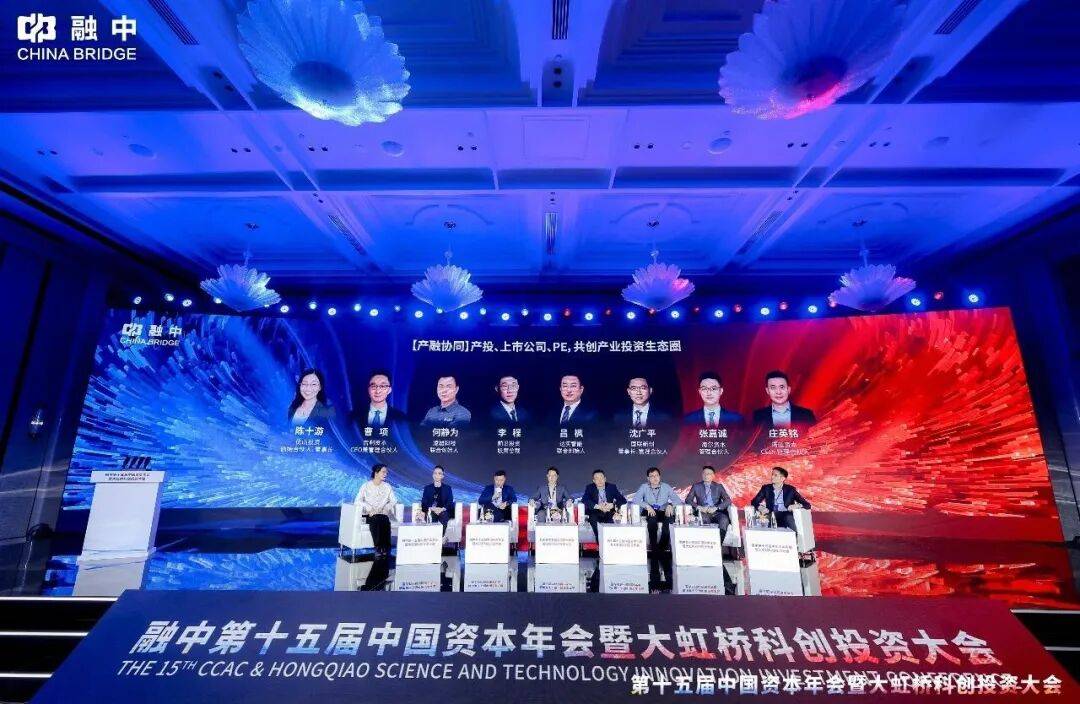
Core Insights - The article discusses the collaboration between private equity (PE), industrial investment, and listed companies to create a symbiotic investment ecosystem that bridges the gap from laboratory to market, particularly in hard technology and infrastructure sectors [2][20]. Group 1: Industry Collaboration - The current phase of the equity investment industry is characterized by a return to fundamentals and capability restructuring, emphasizing the need for deep coupling of policy resources, industrial foundations, and capital operation capabilities [2]. - The forum titled "Collaborative Industrial Investment Ecosystem" focused on how to address pain points such as differing interests and ineffective collaboration mechanisms among PE, industrial investment, and listed companies [2][20]. Group 2: Company Profiles - Ushan Investment, founded by Chen Shiyou, manages approximately 16 billion yuan and has invested in 45 direct projects, with plans for 10 more to go public this year [3]. - Geely Capital, led by CEO Cao Xiang, aims for over 4.1 million global vehicle sales by 2025 and has diversified into smart mobility and hard technology sectors, including low-altitude flight and Robotaxi services [3]. - Lingxiong Technology, represented by He Jingwei, focuses on Device as a Service (DaaS) and has been listed on the Hong Kong Stock Exchange since 2022, with major shareholders including Tencent and JD [4]. - Frontier Investment, led by Li Cheng, specializes in mid-to-late-stage investments in advanced manufacturing sectors, managing around 5 billion yuan across eight funds [4]. - Shenzhen Dash Smart, represented by Lü Feng, provides smart office and park management solutions leveraging IoT and AI technologies [5]. - Guolian New Venture, led by Shen Guangping, manages about 10 billion yuan and focuses on integrated circuits and AI, with over 120 investment projects [6]. - Haier Capital, represented by Zhang Jiacheng, has invested in nearly 200 projects with a focus on smart home ecosystems and digital economy sectors [6]. - Nuoyan Capital, led by Zhuang Yingming, focuses on industrial mergers and acquisitions, managing around 20 billion yuan [7]. Group 3: Investment Strategies - Effective collaboration requires clear positioning and advantages among PE, industrial investment, and listed companies, establishing a mechanism for risk-sharing and benefit-sharing [8][31]. - The investment process should involve phased resource injection to control risks and ensure collaborative benefits, with specific goals for each stage [8]. - Listed companies have inherent advantages in direct investment due to their ability to validate products and technologies, but they must avoid over-involvement in decision-making to maintain market independence [10][11]. Group 4: Challenges and Solutions - The dual nature of listed companies' investments can lead to hesitance in decision-making due to their deep understanding of technology, necessitating a balance between industry experience and independent judgment [11][12]. - Disagreements often arise in unfamiliar fields or with innovative technologies, requiring extensive communication and understanding among stakeholders [13][14]. - The success rate of mergers and acquisitions is generally low, with key factors including the commitment of the controlling shareholders and focusing on industry-specific mergers rather than cross-industry ones [19]. Group 5: Ecosystem Development - The integration of PE, industrial investment, and listed companies is crucial for facilitating technology transfer from R&D to market application, with a focus on collaborative models for resource sharing and project incubation [20][29]. - The establishment of innovation centers and partnerships with local governments can enhance the incubation process, ensuring that projects meet market needs and have opportunities for trial applications [29][30]. - A flexible profit-sharing mechanism is essential to align the interests of PE, industrial investors, and listed companies, ensuring that all parties benefit from the growth of invested enterprises [31][32].


2026,投资人把“卡脖子”清单,变成投资清单
Sou Hu Cai Jing· 2026-02-06 07:07
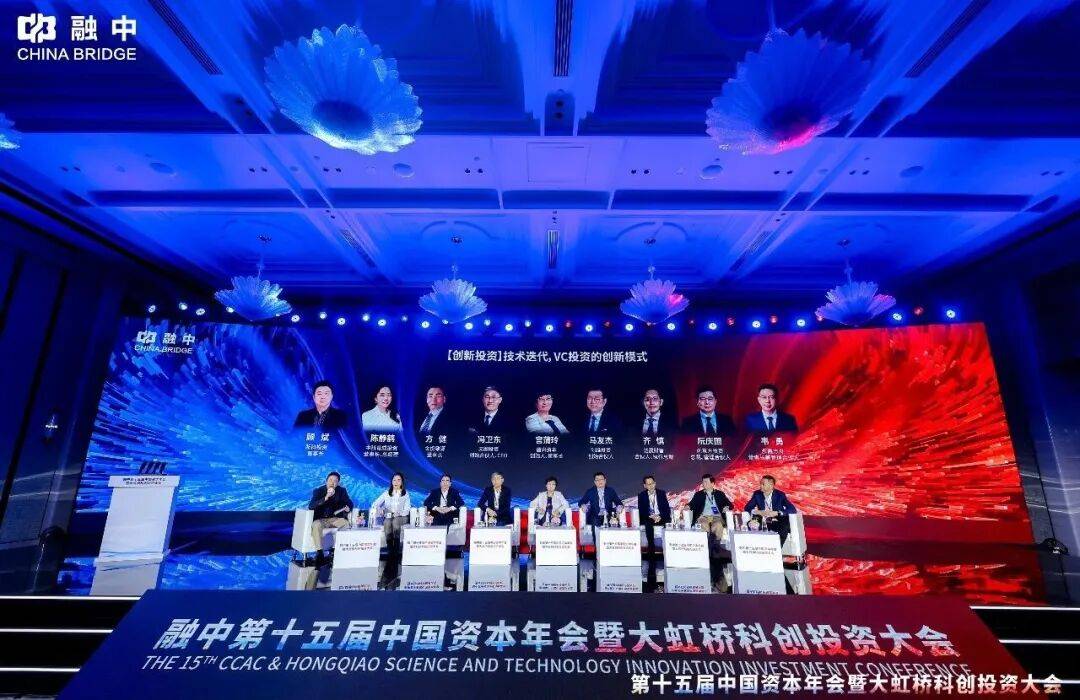
Group 1 - The equity investment industry is entering a period of cognitive return and capability reshaping, with a focus on hard technology and strategic emerging industries [2][3] - The 15th China Capital Annual Conference and the Hongqiao Sci-Tech Investment Conference aims to create an efficient ecosystem that integrates investors and enterprises [2] - The conference theme "Refinement" reflects the current stage of venture capital, highlighting the emergence of unicorns and billion-dollar companies [3] Group 2 - Investment institutions are increasingly focusing on early-stage investments in technology innovation, with government guidance funds acting as stabilizers and boosters for industrial development [2][3] - The discussion at the conference emphasized the need for investment strategies that adapt to rapid technological iterations and the challenges of project evaluation [4][9] - Various investment firms shared their strategies, focusing on sectors like semiconductors, new energy, and biotechnology, while emphasizing the importance of team capabilities and market demand [6][12][18] Group 3 - Investment strategies discussed include broad investments in leading companies within identified sectors and significant investments in high-potential projects after thorough evaluation [9][11] - The importance of understanding market demand and the efficiency of execution teams was highlighted as critical for successful investments [12][14] - The need for investment institutions to provide value through product definition, resource integration, and strategic clarity was emphasized [35][34] Group 4 - The conference underscored the necessity for investment firms to maintain a forward-looking approach, particularly in emerging technologies and industries [15][21] - The role of deep industry research and the importance of building a supportive ecosystem for high-tech enterprises were discussed as essential for investment success [27][33] - The need for investment institutions to adapt their strategies in response to changing market dynamics and technological advancements was a recurring theme [22][24]
百页PPT,中国一级市场复盘
投资界· 2026-02-05 03:33
Core Viewpoint - The Chinese private equity market is experiencing a comprehensive recovery in fundraising, investment, and exit activities in 2025, driven by active participation from government investment funds and other institutional investors [3][4][6]. Fundraising Situation - In 2025, the number of newly raised funds reached 5,039, with a total scale of 1.65 trillion yuan, representing year-on-year increases of 26.6% and 14.1%, respectively [3][27]. - The dominance of RMB funds has further increased, with a fundraising scale up by 16.1% year-on-year, while foreign currency funds continued to decline, with only 33 funds raising over 35 billion yuan, down 15.4% and 36.0% year-on-year [3][45]. Investment Situation - Investment cases and amounts in 2025 were 10,795 and 928.716 billion yuan, showing year-on-year increases of 28.4% and 45.6% [4]. - Key investment sectors included hard technology, IT, semiconductors, biotechnology/healthcare, and machinery manufacturing, with significant activity in AI, embodied intelligence, GPU, innovative drugs, smart manufacturing, and new energy/new materials [4]. Exit Situation - The number of exit cases in 2025 reached 5,211, a significant increase of 41.0% year-on-year, driven by a recovery in the IPO and M&A markets [4]. - Nearly 2,000 IPO cases were recorded, up 46.8% year-on-year, while M&A exits increased by 77.3% to 468 cases [4]. Market Overview - By the end of 2025, there were 11,650 registered private equity fund managers, with 104 new registrations, a decrease of 11.1% year-on-year [12][25]. - The number of active private equity funds reached 58,518, with 5,096 new registrations in 2025, marking an 18.8% increase [12][31]. Government Investment Fund Development - Government-backed fund managers accounted for over 50% of the total, managing 61.2% of the total fund scale [20][25]. - The proportion of state-owned fund managers has been steadily increasing, with state-controlled managers accounting for 51.9% in 2025 [25]. Macro Environment - In 2025, China's GDP reached 140.19 trillion yuan, with a year-on-year growth of 5.0%, reflecting strong resilience and vitality in the economy despite external challenges [8][9].