
财富管理转型

Search documents
银行开门红提前启幕,净息差承压下的战略突围
Jin Rong Jie· 2025-12-10 08:40
Core Insights - The banking industry is undergoing a significant transformation in its "opening red" marketing strategy, with many banks starting their campaigns a month earlier than the traditional December kickoff. This shift is driven by the need to adapt to narrowing net interest margins and increasing market competition, focusing on wealth management as a strategic choice to enhance profitability through the expansion of intermediary business [1][2]. Group 1: Market Conditions - The net interest margin for commercial banks is under continuous pressure, with a reported decline to 1.43% in Q1 2025, down 9 basis points from the end of 2024. Some A-share listed banks have seen their net interest margins fall below the industry warning line of 1.8% [2]. - The economic environment is intensifying competition among banks, prompting many to initiate their "opening red" strategies early to gain a competitive edge. Wealth management is identified as a key growth area within intermediary business [2]. Group 2: Strategic Responses - Three core strategies are proposed for banks, especially smaller ones, to navigate the transformation towards wealth management: - Actively pursue asset management licenses and collaborate with existing wealth management companies to issue products, thereby retaining customer funds and stabilizing intermediary income [3]. - Deepen collaboration with third-party institutions such as funds, insurance, and trusts to enhance product offerings and meet diverse customer needs, which can lead to steady growth in non-interest income [3]. - Utilize big data to analyze customer profiles and preferences, allowing for tailored wealth management services for high-net-worth clients and standardized, low-cost investment options for the general public, thereby increasing the contribution of individual clients to intermediary income [4]. Group 3: Industry Outlook - The early start and focus shift in the "opening red" campaign signify that the banking industry is entering a critical phase of transformation. As net interest margins stabilize but long-term pressures remain, the shift towards wealth management is not only a marketing focus but also a core competitive advantage for achieving high-quality development in the banking sector [4].



银河证券:当前证券板块估值处于历史低位 建议关注综合实力强劲的头部券商
Zheng Quan Shi Bao Wang· 2025-12-10 00:19
人民财讯12月10日电,银河证券认为,国家"稳增长、稳股市"、"提振资本市场"的政策目标将持续定调 证券板块未来走向,流动性适度宽松环境延续、资本市场环境持续优化、投资者信心重塑等多方面因素 共同推动证券板块景气度上行。当前环境下,中长期资金加速入市,市场活跃度维持高位,资本市场展 现出"健康牛"态势,财富管理转型、国际业务拓展、金融科技赋能均有望成为行业提升ROE驱动力。当 前板块估值处于历史低位,防御反弹攻守兼备。建议关注综合实力强劲的头部券商,以及在财管、自 营、跨境等业务领域具备差异化竞争优势的券商。 ...
吴清明确证券业“十五五”发展方向
2 1 Shi Ji Jing Ji Bao Dao· 2025-12-08 05:32
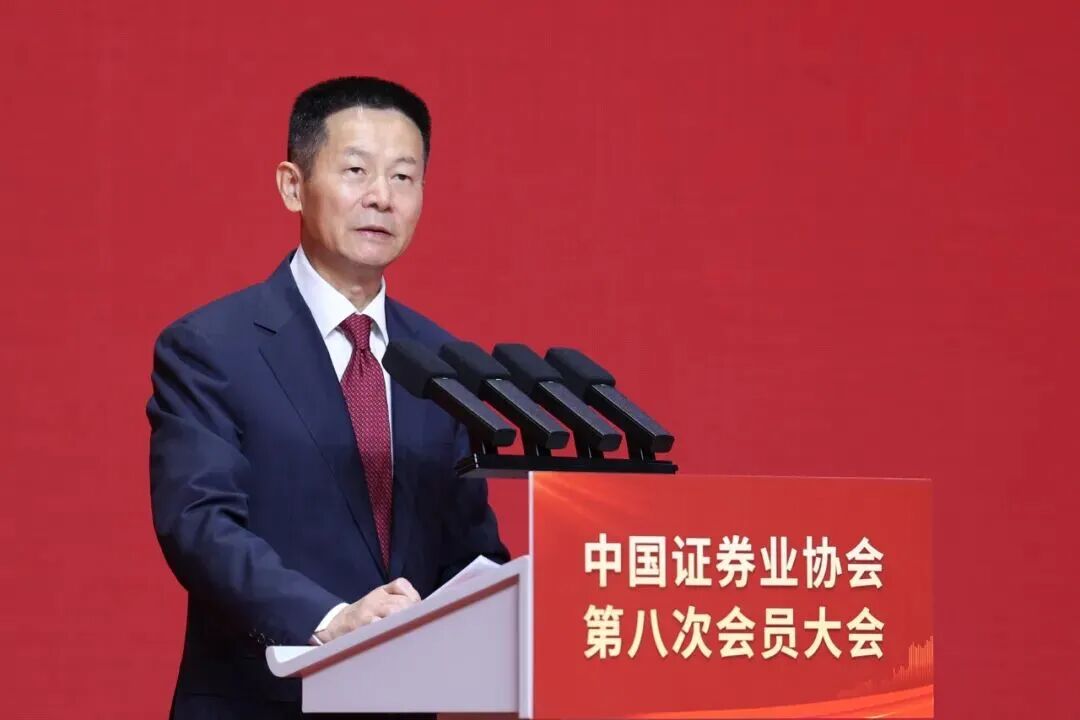
12月6日,中国证券业协会第八次会员大会在京召开。证监会主席吴清在会上发表讲话,系统总结了行业过去四年多的发展成绩,并为"十五五"时期证券 业如何迈向"一流"明确了方向。 吴清在讲话中首先肯定了证券行业自第七次会员大会以来取得的发展成果,并用一组数据勾勒出行业的成长轨迹:截至当前,全行业107家证券公司总资 产达到14.5万亿元,净资产3.3万亿元,较四年多前分别增长超过60%和40%。更为关键的是,客户数量超过2.4亿,增长26%,意味着资本市场与普通民众 的联系日益紧密。 服务实体经济的效能显著提升。吴清透露,四年多来,证券行业助力近1200家科技创新企业成功上市,服务各类企业境内股债融资规模突破51万亿元。同 时,在承销科创债、绿色债券等创新产品方面,规模也超过了2.5万亿元。 行业结构也在持续优化。标志性的合并重组案例平稳落地,头部机构引领作用增强,部分中小机构则在细分领域找到了差异化发展路径。对外开放方面, 已有11家外资独资或控股证券公司在内地市场展业。 在肯定成绩的同时,吴清也坦言,对标高质量发展要求和国际一流标准,行业在专业能力、创新能力、合规风控及文化建设等方面仍有提升空间。 锚定新使命:服 ...

吴清明确证券业“十五五”发展方向
21世纪经济报道· 2025-12-08 05:28
记者丨崔文静 编辑丨姜诗蔷 12月6日,中国证券业协会第八次会员大会在京召开。证监会主席吴清在会上发表讲话,系统 总结了行业过去四年多的发展成绩,并为"十五五"时期证券业如何迈向"一流"明确了方向。 吴清指出,行业总资产已突破14.5万亿元,服务超2.4亿客户,并助力了近1200家科创企业上 市。面向未来, 他提出机构需强化服务新质生产力、助力财富管理转型、建设国际一流投行 及促进高水平开放四大使命,并从专业能力、差异化发展、风险防控等多方面规划了具体路 径。 大会同期完成了协会换届选举。会议选举朱健为新任会长,吴运浩为执行副会长,徐刚、张冀 华、汪兆军当选专职副会长,刘成、刘健、邹迎光、张纳沙、陈亮、林传辉、周易、霍达、曾 山当选兼职副会长;王晟当选监事长,苏军良当选副监事长。 行业"成绩单":规模与结构双优化,抗风险能力经受考验 吴清在讲话中首先肯定了证券行业自第七次会员大会以来取得的发展成果,并用一组数据勾勒 出行业的成长轨迹:截至当前, 全行业107家证券公司总资产达到14.5万亿元,净资产3.3万亿 元,较四年多前分别增长超过60%和40%。更为关键的是,客户数量超过2.4亿,增长26%, 意味着资 ...
无证上岗卖基金!浙江两银行遭证监会责令改正
Hua Xia Shi Bao· 2025-12-05 05:14
无证上岗销售基金 日前,浙江证监局连发两份行政监管措施决定书,分别对嘉兴银行与浙江稠州商业银行作出责令改正的 决定。 经查,浙江稠州商业银行在基金销售方面存在多项问题。部分基金销售业务人员未取得基金从业资格; 部分基金宣传材料、基金销售制度修订未经合规审查;存在为个别未完成风险测评的客户办理基金销售 业务;通过手机APP销售基金时,未提示投资者阅读基金合同、招募说明书;在向普通投资者销售高风 险产品时,未履行特别的注意义务。 本报(chinatimes.net.cn)记者张萌 卢梦雪 北京报道 没有基金从业资格,却堂而皇之地销售基金产品? 日前,浙江证监局对嘉兴银行、浙江稠州商业银行分别作出责令改正决定,指出两家银行存在多项违规 行为。不仅部分基金销售业务人员未取得从业资格,嘉兴银行基金销售业务部门的分管负责人亦未取得 从业资格,违反相关规定。 今年下半年以来,已有多家银行因类似问题被监管部门采取责令改正、出具警示函等措施,包括江苏江 南农商银行、海南银行、晋商银行等。 有业内人士向《华夏时报》记者分析称,中小银行在推进财富管理转型过程中,对合规经营重视不足, 合规理念和内控机制建设滞后,是导致相关现象屡禁不 ...

华安证券董事长章宏韬:根植江淮沃土 做“最懂安徽的券商”
Shang Hai Zheng Quan Bao· 2025-12-04 19:24
Core Viewpoint - Huazhong Securities has demonstrated significant growth in revenue and profit, attributed to both favorable market conditions and strategic transformation efforts, emphasizing a diversified business model to enhance resilience against market fluctuations [3][4]. Group 1: Financial Performance - In the first three quarters of 2025, Huazhong Securities achieved operating revenue of 4.423 billion yuan, a year-on-year increase of 67.32%, and a net profit attributable to shareholders of 1.883 billion yuan, up 64.71% [3]. - The third quarter showed even stronger performance, with net profit increasing by 97.61% and revenue rising by 60.72% year-on-year [3]. Group 2: Business Strategy - The company has shifted from a traditional reliance on market fluctuations to a more stable growth model by optimizing its business structure, focusing on wealth management, investment banking, and proprietary investment [3][4]. - Huazhong Securities has implemented a "three investment linkage" model, integrating investment, banking, and research to drive sustained performance [4]. Group 3: Regional Focus and Innovation - The firm emphasizes its deep integration with the Anhui regional economy, leveraging local advantages to enhance its service offerings and support for the real economy [5][6]. - Huazhong Securities has actively participated in the capital processes of numerous technology enterprises in Anhui, facilitating significant financing and supporting their growth [7]. Group 4: Government Support and Strategic Positioning - The company benefits from strong support from the Anhui provincial government and its major shareholders, which enhances its strategic capabilities and resource access [8]. - Huazhong Securities aims to be the most knowledgeable brokerage in Anhui, focusing on unique and differentiated service paths to stand out in a competitive market [8][9].


证券ETF龙头(159993)红盘向上,A股并购重组市场快速扩容
Xin Lang Cai Jing· 2025-12-03 02:13
证券ETF龙头紧密跟踪国证证券龙头指数,为反映沪深市场证券主题优质上市公司的市场表现,并为投 资者提供更丰富的指数化投资工具,编制国证证券龙头指数。 数据显示,截至2025年11月28日,国证证券龙头指数(399437)前十大权重股分别为东方财富(300059)、 中信证券(600030)、华泰证券(601688)、广发证券(000776)、招商证券(600999)、国泰海通(601211)、兴 业证券(601377)、东方证券(600958)、光大证券(601788)、财通证券(601108),前十大权重股合计占比 79.05%。 截至2025年12月3日 09:43,国证证券龙头指数(399437)上涨0.17%,成分股兴业证券(601377)上涨 1.17%,中信建投(601066)上涨0.91%,广发证券(000776)上涨0.53%,中信证券(600030)上涨0.37%,东 吴证券(601555)上涨0.34%。证券ETF龙头(159993)上涨0.16%,最新价报1.26元。 消息面上,在政策引导和产业整合现实需求的双轮驱动下,A股并购重组市场正以惊人速度扩容,据上 交所此前发布的数据,自"并购 ...
夯实文化软实力 积极履责显担当 | 招商证券党委书记、董事长霍达:以“陪伴式”投教助力夯实资本市场根基
Zhong Guo Zheng Quan Bao· 2025-12-02 23:35
编者按 日前,党的二十届四中全会审议通过"十五五"规划建议,明确提出"优化金融机构体系,推动各类金融 机构专注主业、完善治理、错位发展",这为包括证券公司在内的金融机构实现高质量发展指明了方 向。近年来证券公司在持续强化经营数据等"硬指标"的同时,纷纷发力文化建设并积极承担社会责任, 不断夯实"软实力",实现经营效益和社会效益双丰收。 为学习宣传贯彻党的二十届四中全会精神,中国证券报联合中国证券业协会推出"夯实文化软实力 积极 履责显担当"系列专题报道,旨在通过分享证券公司在加强文化建设以及服务经济、社会、环境和谐发 展方面的典型案例与先进经验,体现证券公司近年来在培育中国特色金融文化、践行行业文化理念、履 行社会责任的积极成效,共同推动证券行业高质量发展。本篇为系列报道第十六篇。 治国有常,利民为本。党的二十届四中全会体现了以人民为中心的立场。全会强调,"十五五"时期经济 社会发展必须坚持人民至上,以满足人民日益增长的美好生活需要为根本目的,加大保障和改善民生力 度,扎实推进全体人民共同富裕。 招商证券(600999)党委书记、董事长霍达日前在接受中国证券报记者专访时表示,实现人民对美好生 活的向往是中国式 ...

从金博会看证券业转型“攻守道”
Zheng Quan Ri Bao· 2025-11-30 16:21
Core Insights - The article highlights the importance of the 19th Shenzhen International Financial Expo as a window into the transformation trends of financial institutions, showcasing advancements in financial technology and customer engagement strategies [1] Group 1: Financial Technology as a Competitive Edge - Financial technology has evolved from a mere business support tool to a core engine driving the transformation of the securities industry, with firms integrating AI, big data, and smart algorithms into their operations [2] - Intelligent algorithms are reshaping traditional investment trading models, exemplified by Guosen Securities' "Xinyi Victory T0 Strategy," which utilizes smart algorithms to capture intraday price fluctuations and enhance investor returns [2] - AI systems are taking on complex data processing and decision support roles, as demonstrated by Shanxi Securities' "FICC Bond Trading Robot," which significantly reduces information transmission time and improves trading efficiency [2] Group 2: Personalized and Scenario-Based Services - Securities firms are transitioning from generalized services to personalized and scenario-based offerings, enabled by smart technology, allowing for tailored services for diverse client needs [3] - The continuous evolution of services relies on support from financial technology system suppliers, with companies like Huawei showcasing AI applications in auditing, risk control, and product recommendations [3] Group 3: Building Trust through Educational Initiatives - While firms leverage financial technology to expand their business, engaging and interactive educational activities serve as a shield to build customer trust, facilitating the transition from customer acquisition to retention [4] - Interactive activities at the expo, such as financial knowledge games and trading competitions, not only educate investors but also enhance the firms' brand image and service warmth [4] Group 4: Addressing Investor Needs - Many ordinary investors express a desire for direct communication with financial institutions to understand service offerings that meet their needs, highlighting the importance of tailored wealth management solutions [5] - The transformation towards wealth management is a core strategy for securities firms, with investor education being crucial for converting new customers into loyal ones [5] Group 5: Future Outlook on Wealth Management - The shift towards comprehensive wealth management is expected to become a significant growth driver for securities firms, especially as traditional brokerage commissions decline [5] - The differentiation between leading and smaller firms will intensify, with digital capabilities and unique product offerings becoming key competitive factors in the wealth management transformation [5] Group 6: Comprehensive Transformation Strategy - The path for securities firms is clear: leveraging financial technology as a spear to expand service breadth and depth, while using personalized services as a shield to solidify customer trust [6] - This dual approach aims to reshape the ecosystem around customer-centricity, leading to a higher quality and sustainable growth phase for the industry [6]


打造一流投行 中信建投证券获众多荣誉
Mei Ri Jing Ji Xin Wen· 2025-11-29 05:25
Core Insights - The 2025 Capital Market High-Quality Development Forum recognized CITIC Securities for its outstanding performance in various sectors, winning five prestigious awards, including "Best Investment Bank Manager" and "Best Equity Asset Management Team" [1] - CITIC Securities ranked seventh in the "2025 China Securities Industry Listed Company Brand Value Top 30," maintaining its position from the previous year, reflecting its commitment to high-quality industry development [1] Investment Banking - CITIC Securities has consistently focused on serving the real economy and implementing national strategies, completing 49 A-share equity financing projects with a total underwriting amount of RMB 908.5 billion from 2024 to the first half of 2025 [2] - The company underwrote 2,388 bonds with a total amount of RMB 7,825.36 billion, ranking high in both scale and project quality within the industry [2] - In the first half of 2025, CITIC Securities completed 16 IPO projects with a total underwriting amount of RMB 146.37 billion and 33 equity refinancing projects totaling RMB 762.13 billion [3] - Notable projects included the first IPO after the release of the new "National Nine Articles" and significant refinancing efforts for energy supply companies [3][4] Asset Management - CITIC Securities aims to build a comprehensive asset management institution, focusing on customer-centric services and enhancing its investment research capabilities [5] - As of the first half of 2025, the asset management business scale reached RMB 4,852.38 billion, with a diverse product line including various types of funds and investment vehicles [5] - The company was awarded "Best Equity Asset Management Team" for its deep expertise and professional standards in managing equity assets [5] Digital Services - The "Dragonfly Point Gold" app was recognized as the "Best Brokerage App," serving as a key platform for customer service and integrating various financial services [6][8] - The app achieved significant user engagement, with 6.94 million monthly active users and 2.82 million daily active users in the first ten months of 2025 [6] - The app's AI-driven features enhance user experience and service efficiency, with plans for further integration of AI services [7] Investor Education - CITIC Securities received two awards for its investor education initiatives, highlighting its commitment to providing professional and accessible educational services [8][9] - The investor education base has reached over 130 million people through various activities, and the company has actively engaged in international investor education efforts [8][9] - The recognition reflects the company's comprehensive competitive strength across its business chain, with a focus on enhancing service capabilities in the capital market [9]

