双碳目标

Search documents
补齐本地化绿色甲醇加注能力短板 10万吨级沪产绿醇项目投产
Jie Fang Ri Bao· 2026-01-02 02:34
Core Viewpoint - The Shanghai green methanol project, which began construction on January 2, 2025, and was completed and put into operation within 361 days, aims to provide green fuel for international shipping vessels at Shanghai Port and enhance Shanghai's pricing power in the global green shipping fuel market [1][4]. Group 1 - The project is significant for China's early achievement of its "dual carbon" goals, as green methanol serves as a crucial alternative to traditional energy sources [2]. - The project addresses the lack of local green methanol refueling capabilities at Shanghai Port, which previously relied on transporting green methanol from other regions [2][4]. - The project integrates waste management and resource recycling, creating a full-cycle green supply chain from waste to raw materials to production and refueling [2][3]. Group 2 - The proximity of the project to Shanghai Port allows for local production and refueling of green methanol, significantly reducing carbon emissions and logistics costs associated with transportation [3]. - The project has received ISCC EU and PLUS certifications, granting it access to the European market, and aims to fill the local refueling gap at Shanghai Port [4]. - With an annual production capacity of 100,000 tons, the project is positioned as a stabilizing force for the supply of green methanol, which is critical for meeting the fuel demands of international shipping vessels [4].


【盘点2025】敦煌首次实现全年全域用绿电
Xin Lang Cai Jing· 2026-01-02 02:01
敦煌市能够全年用绿电,关键是当地清洁能源发展提速。位于河西走廊戈壁深处的敦煌市,风、光资源 丰富,风电可开发量达2800万千瓦,光电可开发量达8600万千瓦。新时代,在"双碳"目标引领下,当地 不断追风逐光、向"新"向"绿",能源绿色低碳转型步伐持续加快。近年来,先后获批国家首个百万千瓦 太阳能光伏发电示范基地、国家首批新能源示范城市、国家低碳城市试点。目前,敦煌市电源总装机容 量达到434万千瓦,全部为风、光、水等可再生能源,没有火电。 【强信心 看发展】 【盘点2025】 敦煌首次实现全年全域用绿电 每日甘肃网敦煌1月1日讯(新甘肃·甘肃日报记者王占东)记者从国家电网敦煌市供电公司获悉,2025 年1月1日至12月31日,敦煌市首次实现全年全域用绿电。 绿电,是指在生产过程中二氧化碳排放量为零或趋近于零的电力,其主要来源为太阳能、风力等可再生 能源。 敦煌市居民企业能够用上稳定的绿电,也得益于当地领先甘肃的电网建设水平。2025年,国家电网敦煌 市供电公司结合全域绿色清洁用能特征,打造安全高效、柔性灵活、智慧融合的"全域零碳"现代智慧配 电网。在电网迎峰度夏、迎峰度冬等特殊时期,全新的电网灵活调度,让各类 ...
行进的海岸线 | 逐光深蓝 海洋产业“焕新”前行
Yang Guang Wang· 2026-01-02 01:19
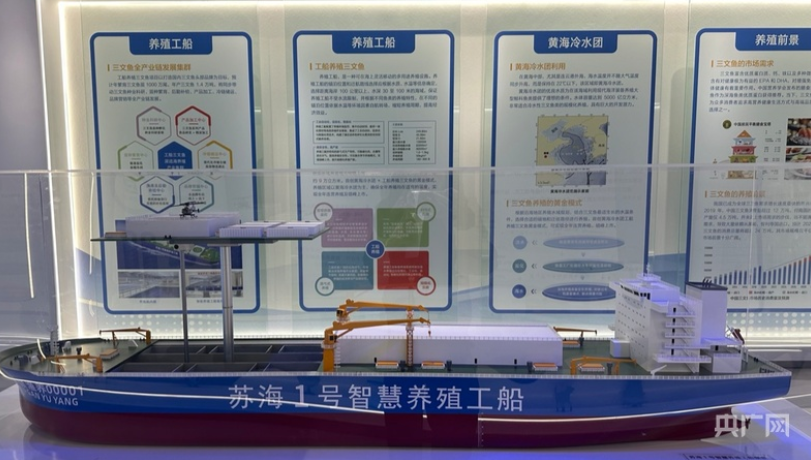
Group 1 - The core narrative of China's coastal line is shifting from "scale growth" to "quality upgrade" in the marine economy, injecting strong momentum into the construction of a marine power [1] - Marine aquaculture is the cornerstone of the marine economy, evolving from nearshore farming to smart ocean ranching, aiming for a win-win in ecological and economic benefits [2] - The "Suhai No. 1" self-propelled closed aquaculture vessel in Jiangsu Lianyungang is expected to produce 8,000 tons of salmon annually, marking a shift away from traditional weather-dependent farming [3] Group 2 - Technological empowerment is transforming aquaculture from "experience-driven" to "data-driven" decision-making, enhancing product quality and sustainability [5] - The ecological priority is essential for sustainable industry development, as demonstrated by the restoration of tidal flats in Liaoning, leading to increased natural resource yields [7] - Under the "dual carbon" goals, marine energy is transitioning from a supplementary energy source to a primary one, with offshore wind power leading globally in grid-connected capacity for five consecutive years [8] Group 3 - The synergy between ports, industries, and culture is driving the high-quality development of the marine economy in coastal areas, with significant growth in cargo throughput in Ningde and the establishment of wind power manufacturing clusters in Guangdong [10] - Cultural tourism integration is enhancing the human touch of ports, with innovative projects revitalizing local economies and attracting youth entrepreneurship [12] - The concept of "urban-rural symbiosis" is ensuring that marine economic benefits reach the populace, exemplified by local fishermen transitioning to tourism roles [13]

如何将绿电的供给优势转化为绿色转型动能?
Jing Ji Ri Bao· 2026-01-01 23:34
Core Viewpoint - The expansion of green electricity application is a clear requirement from the Central Economic Work Conference, aimed at achieving carbon neutrality goals and enhancing industrial green competitiveness [1] Group 1: Current Status and Trends - As of October 2025, the total installed capacity of renewable energy in China is expected to reach 2.22 billion kilowatts, accounting for nearly 60% of the national total installed capacity [1] - In the first half of 2025, the national green electricity trading volume reached 154 billion kilowatt-hours, a year-on-year increase of 49.3%, indicating a rapid marketization and scaling of green electricity trading [1] - Regions like Guangdong have seen green electricity trading volumes increase by over 60% year-on-year in the first half of 2025, showcasing positive development momentum [1] Group 2: Challenges and Issues - The flexibility of the power system has shortcomings, with insufficient scale of flexible resources like pumped storage and new energy storage, leading to challenges in matching supply and demand during high output periods of renewable energy [2] - The market mechanism for green electricity needs standardization, as the relationship between electricity, certificates, and emission reduction effects requires further quantification [2] - There is structural differentiation in application scenarios and consumption motivation, with high-energy-consuming industries showing more urgent demand for green electricity compared to small and medium enterprises and public service sectors [2] Group 3: Strategic Recommendations - A coordinated planning approach should be adopted to advance large-scale development of renewable energy alongside the main grid and cross-province transmission channels, focusing on a diversified regulation system [3] - The establishment of a unified national trading platform for green electricity and certificates is essential to enhance efficiency in cross-province and cross-region electricity trading [3] - Public institutions and state-owned enterprises should lead the way in green electricity consumption by signing long-term procurement agreements, while government policies should incentivize key enterprises to join zero-carbon supply chains [4]
新浪财经资讯AI速递:昨夜今晨财经热点一览 丨2026年1月2日
Sou Hu Cai Jing· 2026-01-01 23:21
Group 1: Berkshire Hathaway and Warren Buffett - Warren Buffett officially handed over the CEO position of Berkshire Hathaway to Greg Abel after 60 years of leadership, achieving a 19.9% annualized compound return from 1964 to 2024, with a total return exceeding 5.5 million percent, significantly outperforming the market [1] - The company emphasizes that its core culture of long-term investment will continue despite the change in leadership, although the unique public influence and decision-making style of Buffett may change [1] Group 2: Chinese Credit Repair Policy - A new credit repair policy from the People's Bank of China allows individuals with overdue loans of no more than 10,000 yuan from 2020 to 2025 to have their overdue records cleared if repaid by March 31, 2026, aimed at helping those with damaged credit rebuild it efficiently [1] Group 3: Domestic GPU Companies - Shanghai Suiruan Technology has completed its IPO counseling, becoming the last of the "four domestic GPU dragons" to initiate the listing process, focusing on cloud AI chips with its latest products showing outstanding performance [2][6] - The company is collaborating with leading internet firms to advance the construction of AI training clusters, potentially reaching scales of tens of thousands of cards [2] Group 4: U.S. Stock Market and Interest Rate Expectations - The U.S. stock market was closed on New Year's Day, with a significant drop in the market prior due to cooling interest rate cut expectations from the Federal Reserve, which has lowered the probability of a rate cut in January [3] - Market participants are closely monitoring the "January effect" and overall market trends, with differing views on the prospects of a tech-led bull market [3] Group 5: Gold Prices and Market Trends - Gold prices have reached historical highs over 50 times in a year, driven by global economic uncertainty, increased geopolitical risks, and ongoing central bank purchases of gold, as investors seek gold as a key asset for value preservation [4] Group 6: U.S. Dollar Index and Federal Reserve Leadership - The U.S. dollar index ended 2025 with its largest annual decline in eight years, down approximately 8%, with expectations that a dovish successor to Powell could lead to further dollar weakness [5] - The selection of the new Federal Reserve chair will be crucial in determining the dollar's trajectory in 2026, with potential candidates like Hassett and Waller being closely watched [5] Group 7: Commercial Aerospace IPOs - New regulations from the Shanghai Stock Exchange allow commercial aerospace companies with zero revenue and negative profits to apply for IPOs if they meet certain criteria, accelerating the listing process for unicorns in the sector [7] - This move is expected to open up financing channels for the commercial aerospace industry, benefiting major stakeholders like Goldwind Technology and Zhangjiang Hi-Tech [7] Group 8: Fat Donglai Group's Sales Performance - Fat Donglai Group reported sales exceeding 23.5 billion yuan in 2025, significantly surpassing the founder's target of 20 billion yuan, with the supermarket segment contributing over 12.6 billion yuan [8] Group 9: Moutai's Marketing Strategy - The iMoutai platform launched a regular offering of the 1,499 yuan Flying Moutai, marking a shift towards a fully market-oriented marketing system aimed at stabilizing prices and reducing speculation [9] - This strategy includes a product matrix that promotes a diverse range of offerings beyond the flagship Flying Moutai, transitioning the marketing focus from product-driven to consumer-driven [9] Group 10: Nuclear Power Developments - The Zhangzhou Nuclear Power Unit 2 has officially commenced commercial operation, marking the completion of the first phase of the project utilizing China's self-developed third-generation nuclear technology, "Hualong One" [10] - The unit is expected to generate an annual output of 10 billion kilowatt-hours, contributing to energy structure optimization and supporting carbon neutrality goals [10]
电力圆桌:需求侧协同能源转型的市场机制与政策支撑研究:以广东为例
Sou Hu Cai Jing· 2026-01-01 20:53
Core Insights - The report focuses on the collaborative energy transition from the demand side, emphasizing the importance of demand-side resources in ensuring power system security, enhancing energy efficiency, and promoting renewable energy consumption, using Guangdong as a case study [1][15]. Market Mechanism - The report suggests constructing a multi-dimensional market framework and a demand-side resource pool sharing mechanism to transform dispersed resources into observable, measurable, and credible trading units through digital technology [2][16]. - Guangdong has developed a dual-track operation mechanism of "dispatch-marketing," which avoids resource duplication risks through priority clearing and data transmission logic, enabling flexible market integration [2][16]. Government Governance - A three-tier governance system is proposed, categorizing responsibilities at the national, provincial, and municipal levels to ensure effective resource allocation and management [2][16]. - The report advocates for revising laws to clarify the status and rights of new entities, establishing mandatory standards to break data barriers, and enhancing the dual-track market of "electricity + capacity" in Guangdong [2][16][18]. Demand-Side Resource Development - Demand-side resources include user-side loads, energy storage, virtual power plants, and load aggregators, with significant development potential in Guangdong, expected to reach 13.35 million kilowatts by 2025, accounting for 8.1% of the province's maximum load [1][19]. - The report identifies five operational models for demand-side resource development, including direct participation in demand response and vehicle-grid interaction, while highlighting existing challenges such as visibility and market pathways [1][19]. Policy Support - The report outlines the evolution of policies supporting demand-side resource development, transitioning from administrative control to market mechanisms, and emphasizes the need for a diversified participation framework [36][37]. - It highlights the importance of new operational entities, such as virtual power plants and energy service providers, in enhancing energy efficiency and reducing carbon emissions [36][37].

青海众控德令哈35万千瓦光热发电示范(试点)项目开工
Xin Lang Cai Jing· 2026-01-01 20:49
Group 1 - The Qinghai Zhongkong Delingha 350,000 kW solar thermal power demonstration project is the largest tower solar thermal power project under construction and planning globally, marking a new development stage in the solar thermal power sector [1] - The total investment for the project is approximately 5.567 billion yuan, featuring a 14-hour ultra-long energy storage system to address the industry's challenge of energy generation during the day and consumption at night [1] - Once completed, the project is expected to generate an annual electricity output of 985 million kWh, sufficient to meet the annual clean electricity needs of 500,000 households, saving 295,000 tons of standard coal and reducing carbon dioxide emissions by 1.5303 million tons each year [1] Group 2 - The project aligns with national strategies, aiming for a total installed capacity of 15 million kW for solar thermal power in China by 2030, with electricity costs comparable to coal power [2] - The Delingha project is a key initiative for Qinghai to establish itself as a national clean energy industry hub, providing essential support for China's dual carbon goals [2] - The project will enhance grid peak regulation capabilities and improve the absorption of renewable energy, contributing significantly to the construction of a new power system [2]
云南省不断加快经济社会发展全面绿色转型
Xin Lang Cai Jing· 2026-01-01 15:41
用绿电生产绿品,正是云南以绿色能源赋能产业转型升级的生动实践。从电解铝到硅光伏、新能源电 池,从鲜花、咖啡到文旅康养,源源不断的绿电有力支撑传统产业转型升级,特色产业做大做强,新兴 产业加快崛起,助力企业认证绿色产品、创建绿色工厂、打造零碳园区,全方位赋能经济社会发展全面 绿色转型。 不仅如此,我省一批零碳园区加快建设,其中,大理祥云经开区、曲靖经开区入选国家级零碳园区建设 名单;首批确定4个绿电直连项目,将推动绿电就地就近消纳约11亿千瓦时,满足企业绿色用能需求, 提升云南制造出海竞争力;依托通信时延优势,我省加快布局"绿电+智算"新赛道,推动绿色能源与数 字产业深度融合。 滚滚江水上、崇山峻岭间,水电站机组高速运转,"大风车"迎风旋转,光伏板"逐光生金",源源不断的 绿电跨越千里点亮万家灯火;智慧工厂、零碳园区,"以绿制绿"正重构产业生态,各行业以更低能耗、 更少排放加速绿色蜕变。 从降碳、减排到治污、增绿,云南高质量发展的强劲脉搏里涌动着浓浓绿意。 "要建立健全绿色低碳循环发展经济体系,加快产业、能源、交通、城乡建设、消费等重点领域绿色转 型。""加快绿色低碳发展,拓宽绿水青山向金山银山转换的渠道",省 ...
“华龙一号”,有新进展
财联社· 2026-01-01 13:09
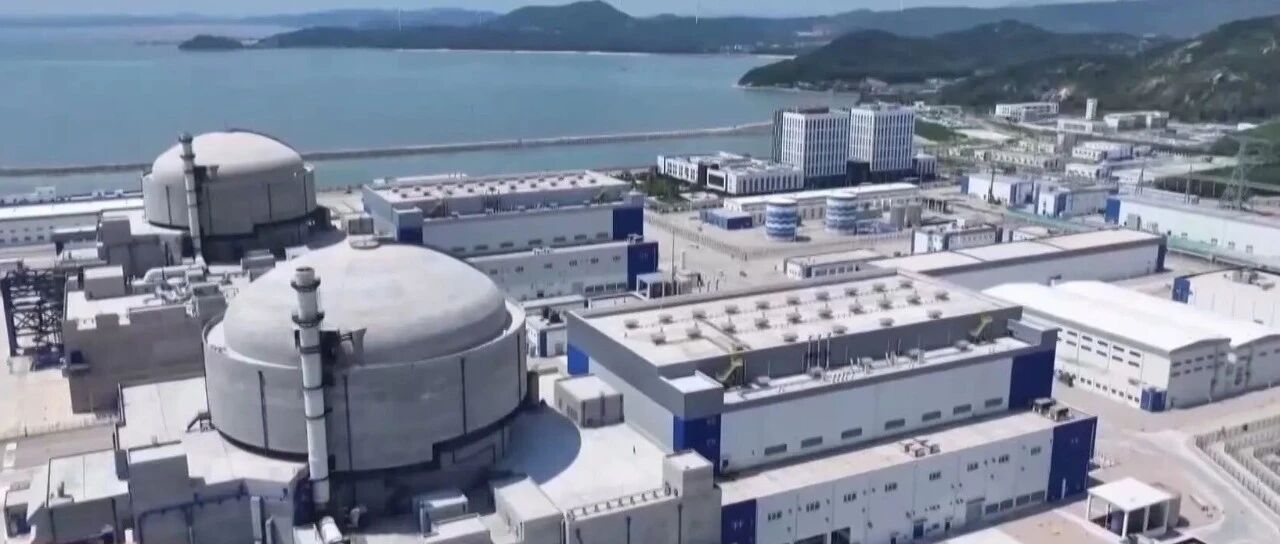
今日,中核集团旗下中国核电投资控股的漳州核电项目迎来重大里程碑。 经过严格的168小时满功率连续运行考核验证,漳州核电2号机组 于当日正式投入商业运行。 这标志着漳州核电一期工程(1、2号机组)全面建成并投入商业运营,为国家优化能源结构、实现"双碳"目标 注入强劲的清洁动能。 漳州核电2号机组采用我国自主研发、拥有完整自主知识产权的第三代压水堆核电技术——"华龙一号"。 该技术被誉为中国核电走向世界 的"国家名片",其成功应用与批量化建设,是我国实现从核电大国迈向核电强国历史性跨越的关键支撑。据了解,单台"华龙一号"核电机组 设计年发电量可达100亿度,相当于每年减少标准煤消耗超300万吨,减排二氧化碳约816万吨。 据悉,该基地后续工程也在有序推进中:3号、4号机组目前处于土建和安装施工阶段;5号、6号机组的前期准备工作也在扎实进行中。待 漳州核电基地6台机组全面建成投产后,预计每年可提供清洁电力约600亿 度 。 目前,"华龙一号"技术已成为全球范围内在运和在建机组数量最多的第三代核电技术,标志着中国在先进核电技术领域已跻身世界前列,综 合竞争力达到国际领先水平。 漳州核电基地作为"华龙一号"技术批量化建 ...

从碳普惠到生态联盟:天力商服的“价值共生样本”
Zhong Guo Jing Ying Bao· 2026-01-01 12:29
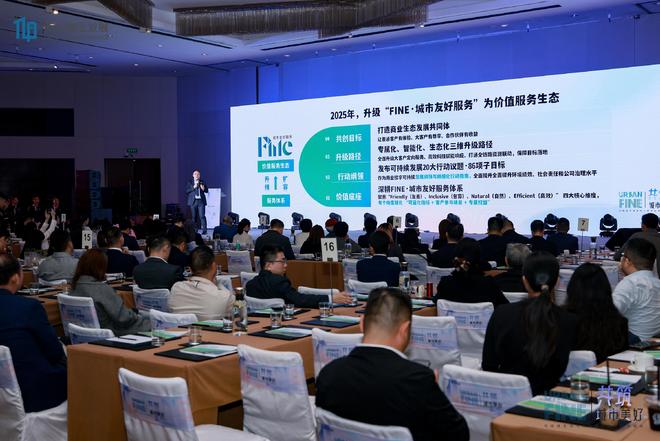
Core Insights - The commercial office space is undergoing a profound transformation from functional utility to value co-creation in the context of the "dual carbon" goals and the upgrade of quality consumption [1][3] - The green transformation of commercial buildings has become a necessity for improving living quality, urban resilience, and future sustainability [1] Group 1: Sustainable Practices - Tianli Property Development has implemented a series of sustainable practices since 2025, showcasing a clear path for the transition of commercial office spaces into a multi-dimensional value ecosystem [1] - In early 2025, Tianli launched a "Carbon Neutrality White Paper," outlining its carbon neutrality commitments and action roadmap, demonstrating industry leadership and foresight [3] - By September 2025, Tianli became the first in the industry to achieve both carbon management system certification and practical carbon inclusivity, launching the "CarbonHug" app to quantify and incentivize low-carbon behaviors [3] Group 2: Management Framework - In November 2025, Tianli released "20 Major Action Topics and 86 Sub-goals for Sustainable Development in Commercial Buildings," breaking down green operations and resource recycling into measurable and executable tasks [3] - The "FINE City Friendly Service System" was upgraded to form a complete sustainable development loop, integrating strategic guidance, mechanism assurance, scenario implementation, and ecological co-construction [3] Group 3: Service Innovation - Tianli introduced the "FINE Friendly Service Experience Officer" mechanism, inviting clients to participate in service design and supervision, creating a value co-creation loop [4] - Customized service plans are implemented for key clients, transitioning from merely providing space to offering comprehensive solutions [4] Group 4: Resource Sharing Platform - Tianli has established a resource-sharing platform with a scale of billions, connecting enterprises, capital, technology, and services, breaking physical boundaries of buildings [5] - The company aims to create a high-quality building ecological community characterized by efficient resource linkage, warm experiences, and integration of diverse entities [5] Group 5: Future Directions - Looking ahead, Tianli will focus on sustainable development practices, iterative service product matrices, and expansion of commercial ecological alliances, exploring diverse applications of green technologies [5]