
粮食安全

Search documents
一粒稻米的“国家使命”
Huan Qiu Shi Bao· 2025-05-16 00:14
Core Viewpoint - The article emphasizes the importance of rice oil in enhancing food security and its potential as a high-end edible oil with health benefits and market potential, particularly in the context of China's agricultural strategy and self-sufficiency goals [8][9][14]. Industry Insights - The global oilseed market is witnessing a significant shift, with China diversifying its imports to ensure food security, including a notable $900 million procurement intention from Argentina [8]. - In 2024, China's oilseed imports are projected to reach 20 million tons, with a self-sufficiency rate of only over 30%, highlighting the need for alternative sources to reduce dependency on single markets [8]. - The rice oil industry is identified as an underdeveloped sector with substantial growth potential, with the potential to reduce soybean imports by over 12% if rice oil production is fully promoted [9][11]. Company Developments - Yihai Kerry's Golden Dragon Fish has been recognized for its innovative processing techniques and contributions to the rice oil industry, which includes 52 core patented technologies [11][13]. - The company has successfully entered international markets, including Japan, Australia, and the U.S., showcasing the global appeal of its rice oil products [11][12]. - The Shanghai R&D center of Yihai Kerry has over 300 scientists focused on grain and oil research, with more than 800 patents, laying a solid foundation for the broader promotion of rice oil [13]. Health Benefits - Rice oil is praised for its nutritional advantages, containing beneficial components such as γ-oryzanol, plant sterols, and vitamin E, which contribute to health and wellness [14][15]. - The World Health Organization recognizes rice oil as one of the top three recommended healthy cooking oils, further validating its health benefits [14]. - The company emphasizes strict quality control measures to ensure the safety and nutritional integrity of its rice oil products, aligning with health initiatives in China [15].


小麦也有“身份证” 丰收和播种在这里“同框”
Yang Shi Xin Wen· 2025-05-15 13:52
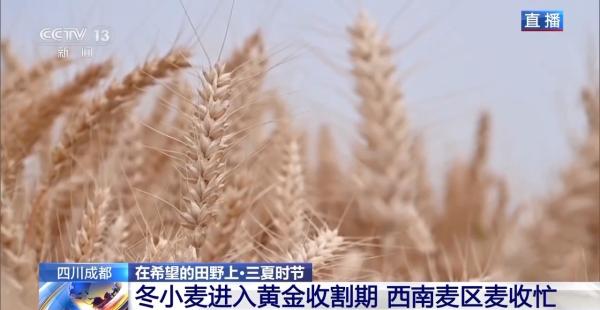
我国是全球最大的小麦生产国,每年的5月中旬至6月是冬小麦的黄金收割期,率先开镰收割的是西南麦 区,然后是长江中下游麦区、黄淮海麦区、西北麦区。西南麦区冬小麦面积1500万亩左右、占我国冬小 麦面积的4.5%。总台央视记者蒋树林在西南麦区的四川天府粮仓麦收现场,来连线他看看现场的情况↓ 总台央视记者 蒋树林:这里是天府粮仓国家级现代农业产业园,整个园区是90多平方公里,我所在的 集中连片高标准农田项目区有10万亩之多。 这里的麦子颗粒饱满,可以说是丰收在望。除了有风吹麦浪的浪漫之外,我们还有实力的展示。一边是 成熟后正在收割的小麦,另一边是已经整理好的稻田正在插秧,可以说稻麦同框。 当丰收和播种同框,当水稻和小麦相遇,在这样的情况下,农机和人力如何精准调配,大数据和机械化 如何精准服务于我们的农民?今天在现场和我一同见证这场收获和收割的还有来自四川农业大学的马均 教授,他也是长期蹲守在这个园区,来请他给我们进行分享。 四川农业大学教授 马均:以前从城里到这里要一个多小时,现在只需半个小时,交通十分便捷。而且 在农村,国家也修建了很多的乡村公路,还有机耕道,交通四通八达,保证人力物力和机器迅速准确地 到达田间地头 ...
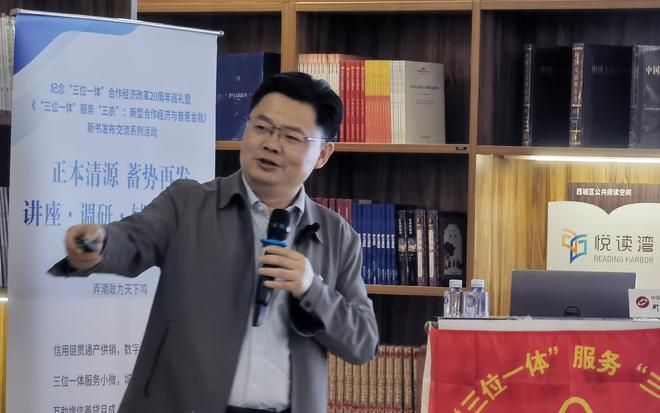
专访陈林:“三位一体”合作经济是通往共同富裕的现实路径
Xin Jing Bao· 2025-05-15 10:22
Core Viewpoint - The "three-in-one" cooperative economy model, initiated in Zhejiang, aims to integrate production, supply, and credit services to enhance agricultural efficiency and support farmers, with significant recognition and implementation at the national level [1][2][4]. Group 1: Historical Context and Development - In January 2006, Xi Jinping proposed the "three-in-one" cooperative economy concept, which was piloted in Zhejiang, particularly through the efforts of Chen Lin, who played a crucial role in its development [1]. - The model gained national attention, with the Central Government emphasizing its importance in various policy documents, including the 2017 and 2021 Central No. 1 documents, which called for the strengthening of farmer cooperatives and comprehensive cooperation [1][2]. Group 2: Challenges and Solutions - During the nationwide promotion of the "three-in-one" model, some regions experienced "deformation" and "diminution" of the original concept, prompting Chen Lin to publish a book addressing these issues and proposing solutions [2][4]. - Chen Lin highlighted the importance of focusing on the needs of farmers rather than bureaucratic divisions, advocating for a cooperative approach that integrates various sectors to enhance agricultural productivity [6][8]. Group 3: Financial Implications - The cooperative economy is seen as a mechanism to ensure financial security and support farmers' income, with the potential to address the challenges posed by traditional financial systems that often overlook small farmers [16][27]. - The upcoming implementation of the "Food Security Law" emphasizes the role of new agricultural entities, such as family farms and cooperatives, in enhancing food production capabilities and ensuring farmers' interests [16]. Group 4: International Comparisons and Lessons - International examples, such as the success of agricultural cooperatives in the U.S. and Japan, illustrate the effectiveness of cooperative models in maintaining market stability and supporting farmers' interests [22][23]. - The cooperative model is essential for creating a robust agricultural sector in China, enabling farmers to negotiate better terms with larger market players and ensuring food security [23].
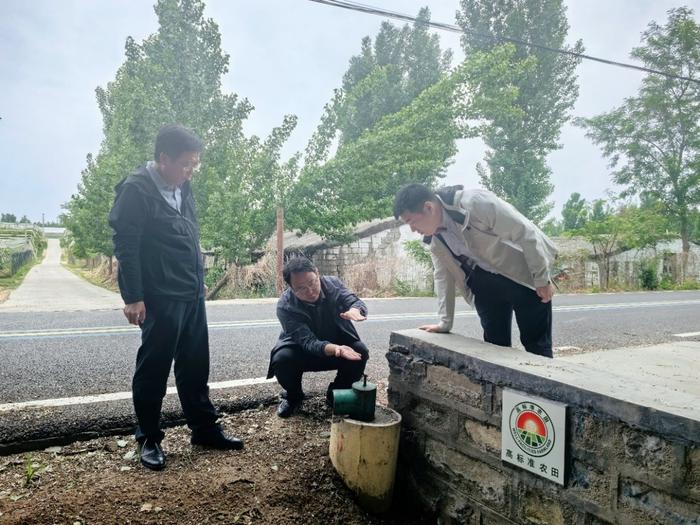
中国人寿财险莱芜市中心支公司推出高标准农田管护保险 夯实粮食安全根基
Zheng Quan Ri Bao Zhi Sheng· 2025-05-15 09:17
Core Viewpoint - The high-standard farmland management insurance provided by China Life Property & Casualty effectively addresses the maintenance and repair issues of agricultural facilities, ensuring timely support for farmers during critical periods like spring plowing [1][3][5]. Group 1: Insurance Mechanism - The high-standard farmland management insurance covers damages caused by natural disasters such as storms, heavy snow, lightning, heavy rain, and floods, as well as mechanical damage, electrical accidents, technical risks, and human errors [3][5]. - In 2023, the insurance was implemented for 42,000 acres of high-standard farmland, transferring risks associated with natural disasters and accidents amounting to 306 million yuan [5][6]. Group 2: Operational Efficiency - Since the beginning of 2023, China Life Property & Casualty has repaired and compensated for damages to 23 agricultural facilities, significantly enhancing their operational efficiency and lifespan [6]. - The insurance program is funded by the local government through project surplus funds and management fees, leveraging a three-pronged approach of pre-assessment, preventive measures, and post-compensation to ensure the safety and effective operation of agricultural water conservancy facilities [6]. Group 3: Future Plans - The local agricultural bureau plans to expand the insurance coverage to include all high-standard farmland facilities that have been delivered, further strengthening the safety net for food security [6].

全力以赴抗旱减灾保收成 持续巩固提升生态环境保护成效
Xi An Ri Bao· 2025-05-15 02:42
Group 1 - The core viewpoint emphasizes the importance of implementing ecological civilization and agricultural policies to ensure drought relief and environmental protection [1][2] - The government is focusing on enhancing wastewater treatment facilities and improving monitoring systems to increase treatment efficiency [1] - There is a strong emphasis on maintaining water quality and ecological health through effective management of water resources and irrigation practices [1][2] Group 2 - The government is committed to ensuring food security by implementing agricultural policies that support farmers and enhance grain production [2] - There is a directive to improve the management of construction waste through a closed-loop system that emphasizes reduction, collection, transportation, disposal, and utilization [2]
从田间地头走向世界舞台 中国一拖东方红品牌引领农机发展护航粮食安全
Zhong Guo Chan Ye Jing Ji Xin Xi Wang· 2025-05-14 23:16
Core Insights - The "Dongfanghong" brand has become a symbol of agricultural mechanization and modernization in China, reflecting the country's development over the past 70 years [2][4] - China YTO Group has produced nearly 3.9 million tractors and over 3.5 million power machinery units, leading the market share in large and medium-sized tractors, playing a crucial role in ensuring national food security and promoting agricultural modernization [2] Group 1: Historical Development - The establishment of the first tractor manufacturing plant in 1955 marked the beginning of China's agricultural mechanization journey, with the first "Dongfanghong" crawler tractor produced in 1958 [1] - The brand has evolved from producing crawler tractors during the planned economy to advanced technologies like unmanned driving and hybrid power post-reform [2] Group 2: Current Achievements - China YTO has positioned itself as a "chain leader" in agricultural machinery, focusing on technological advancements and industry upgrades to support national strategies [2] - The company emphasizes quality management and has received multiple awards for its products, including the Henan Provincial Governor Quality Award and nominations for the China Quality Award [2] Group 3: Brand and Cultural Development - The company is committed to cultural heritage and brand spirit, enhancing brand influence through industrial tourism and educational activities [3] - China YTO has established a comprehensive media strategy to promote its brand, achieving 21 awards in 2024 to boost brand recognition and reputation [3] Group 4: International Expansion - The YTO brand has been registered in over 100 countries, with operations in more than 90 countries and regions, supported by a network of over 100 dealers [3] - The company is adapting its product offerings to meet diverse market demands and is actively participating in the Belt and Road Initiative to enhance its international presence [3]
联合国:五分之一人口挨饿 加沙面临饥荒风险
news flash· 2025-05-14 08:56
联合国:五分之一人口挨饿 加沙面临饥荒风险 金十数据5月14日讯,联合国世界粮食计划署日前发布的报告显示,以色列封锁加沙地带两个多月后, 该地区47万人面临粮食安全分级中最严重的第五阶段——"灾难"级粮食不安全状态。这意味着大约每5 名加沙人中就有一人"食物极度短缺",加沙全境处于"严重粮食不安全"状态。 ...
宜得利被指向中国卖米:它折射出日本的深层焦虑
Hu Xiu· 2025-05-14 05:06
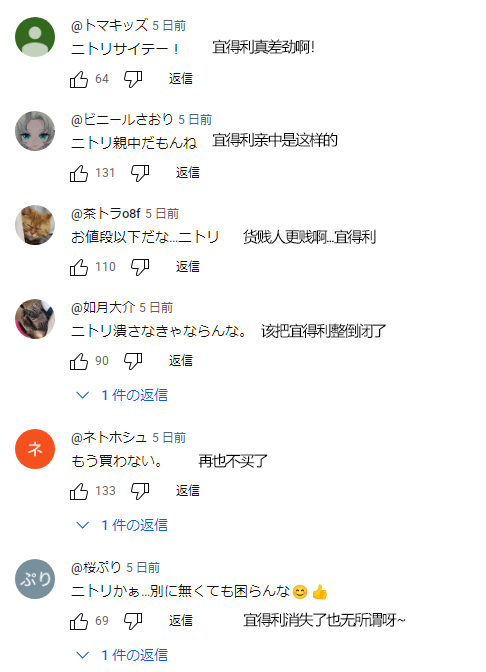
Core Viewpoint - The controversy surrounding Nitori's rice exports to China has sparked significant public outrage in Japan, highlighting deeper societal issues related to the ongoing rice crisis and rising prices [1][2][5]. Group 1: Nitori's Export Controversy - A viral video on social media accused Nitori of exporting high-quality rice from Hokkaido to China while Japan faces a domestic rice shortage and rising prices [1][2]. - Nitori clarified that it had exported rice in January 2022 but has not done so since, attempting to quell public anger [4]. - The public's reaction reflects a broader sentiment of frustration over rising living costs and the cultural significance of rice in Japan [5]. Group 2: Current Rice Crisis in Japan - Japan has been experiencing a severe rice shortage since 2024, with prices soaring; the core consumer price index rose by 2.7% in July 2024, with rice prices increasing by 18%, the highest in 20 years [6]. - The average price of rice in supermarkets reached 4,233 yen for 5 kg by May 2025, nearly doubling from the previous year [6]. - The crisis has been compared to the 1993 rice crisis, driven by factors such as abnormal weather, changes in planting structure, and increased tourist demand [7]. Group 3: Structural Issues in Japanese Agriculture - The root causes of the rice crisis include structural problems in Japanese agriculture, such as fragmented farming practices and an aging farmer population, with 60% of agricultural workers over 65 years old [8][11]. - Farmers' average annual income was reported at only 1 million yen, equating to a mere 10 yen per hour, highlighting the economic struggles within the sector [8]. - Agricultural policies, including high tariffs and production reduction strategies, have exacerbated the situation, leading to decreased production capacity and increased market volatility [11][14]. Group 4: Societal and Cultural Implications - The rice crisis has intensified public anxiety about food security, with rice symbolizing self-sufficiency and national identity in Japan [15][20]. - The backlash against Nitori reflects a broader societal fear regarding food exports during a domestic shortage, with accusations of "selling out" to foreign markets [16][20]. - The incident underscores the need for a more rational discourse on agricultural issues rather than scapegoating individual companies [20].
气候多米诺:厄尔尼诺与东南亚跨境害虫或威胁中国粮食安全
news flash· 2025-05-14 02:31
Core Insights - A recent study published in the journal Nature Food indicates that under the influence of El Niño, migratory pests in Southeast Asia are expected to proliferate and cross borders into China, potentially exacerbating pest issues in southern China's rice production [1] Group 1: Climate Impact on Agriculture - The study highlights that large-scale climate fluctuations can affect food production in China through cross-border mechanisms [1] - It emphasizes that climate change in other countries may ultimately pose risks to China's food security [1]
中国-巴西联合声明:深化人工智能、半导体、粮食安全等领域科技创新合作
news flash· 2025-05-13 12:11
其中提到,双方一致同意深化航空航天、能源转型、人工智能、半导体、生物经济、粮食安全等领域科 技创新合作,推动共同应对全球性挑战。 5月13日,中国和巴西发布关于强化携手构建更公正世界和更可持续星球的中巴命运共同体,共同维护 多边主义的联合声明。 ...