
制度型开放

Search documents
2025服贸会|北京市地方金融管理局副局长王颖:金融业对全市经济增长的“压舱石”地位持续巩固
Bei Jing Shang Bao· 2025-09-11 10:40
Group 1 - Beijing is positioning itself as a global center for technological innovation, with nearly 100 universities and over 1,000 research institutions, leading in high-end talent and major technological infrastructure [1] - The city has successfully cultivated multiple trillion-yuan industry clusters, providing strong momentum for high-quality development [1] - Beijing is enhancing international cooperation in technology innovation, green development, and industrial digitization, promoting the export of "Beijing manufacturing" service standards [1] Group 2 - As a national financial management center, Beijing hosts key financial institutions, industry associations, and international financial organizations, solidifying its role as a core pillar of the economy [2] - The financial sector is seen as essential for stimulating innovation and nurturing new productive forces, with an emphasis on collaboration between financial institutions and enterprises [2] - The city aims to leverage its advantages in finance, technology, talent, market, and culture to promote cross-sector collaborative innovation [2]
从交易量感受金融市场脉动
Jin Rong Shi Bao· 2025-09-11 02:05
Core Insights - The daily trading volume in China's financial market exceeds 10 trillion yuan, reflecting the significant development of the financial industry [1] - The China Foreign Exchange Trading Center has evolved from a small-scale market to a leading global platform for RMB and related asset trading [2] Group 1: Market Development - The China Foreign Exchange Trading Center was established in 1994, coinciding with the initiation of China's socialist market economy reforms [1] - The center now serves nearly 6,000 institutions from over 70 countries and regions, covering various financial markets including currency, bond, and foreign exchange markets [2] Group 2: Open Market Initiatives - Recent years have seen the introduction of multiple measures to open the interbank market, enhancing access for global investors through a "multi-currency, multi-mechanism, one-stop" investment channel [2][3] - The center has launched initiatives such as "Bond Connect," "Northbound Trading," and "Southbound Trading" to facilitate foreign institutional access [3] Group 3: Technological Advancements - The trading system of the Foreign Exchange Trading Center has undergone multiple upgrades, achieving self-designed architecture and core technology [4] - The center is leveraging big data and advanced technologies to enhance data security and market operation quality [4]
活力中国调研行 | 从交易量感受金融市场脉动
Jin Rong Shi Bao· 2025-09-11 01:21
Core Insights - The daily trading volume in China's financial market exceeds 10 trillion yuan, reflecting the significant development of the financial industry [1] - The China Foreign Exchange Trading Center has evolved from a small-scale market to a leading global platform for RMB and related asset trading [2] - The center has expanded its services to nearly 6000 institutions across over 70 countries, covering various financial products and markets [2] Group 1: Market Development - The China Foreign Exchange Trading Center was established in 1994 as part of the reform to create a unified interbank foreign exchange market [1] - The center has played a crucial role in the reform and opening up of China's financial market, adapting its responsibilities to include the bond and money markets [1][2] - The interbank market has seen significant growth, with foreign investors holding approximately 4 trillion yuan in bonds [2] Group 2: Open Market Initiatives - The center has implemented multiple measures to open the interbank market, including the introduction of "Bond Connect" and "Northbound/Southbound Trading" [3] - New services such as "Swap Connect" and offshore repos have been launched to meet the liquidity management needs of foreign institutions [3] - The market's depth and breadth provide a solid foundation for further opening, enhancing the attractiveness of RMB financial assets [3] Group 3: Technological Advancements - The trading system of the Foreign Exchange Trading Center has undergone multiple upgrades, achieving self-designed architecture and core technology [4] - The center is leveraging big data and advanced technologies to enhance data security and market operation quality [4] - Despite global market volatility, the interbank market has maintained stability while increasing its openness [4]


以互惠合作促进共同繁荣
Xin Hua She· 2025-09-10 22:21
Group 1 - China's commitment to expanding high-level opening-up and promoting high-quality development of service trade is emphasized in Xi Jinping's message [1][4] - The 2025 China International Service Trade Fair (CIFTIS) features nearly 2,000 enterprises participating, with over 20% internationalization rate [2] - Australia, as the guest country, showcases significant participation, with companies like Canva leveraging AI technology for visual content creation [2] Group 2 - The aging population in China presents vast opportunities for businesses focused on elder care services, as highlighted by Japanese companies [3] - COFCO Group is showcasing its digital transformation in the global agricultural supply chain, aiming for enhanced resilience and safety [3] - The emphasis on aligning with international high-standard trade rules indicates a strategic direction for service industry reforms in China [5]
昌平首次发布知识产权白皮书
Bei Jing Qing Nian Bao· 2025-09-10 17:56
Core Insights - The "Two Zones" initiative in Changping District has led to significant achievements in policy innovation and economic development over the past five years, with a total of 210 high-quality pilot policies implemented [2][5] - The release of the "2021-2025 Changping District Intellectual Property White Paper" highlights the district's advancements in intellectual property cultivation, operation, and internationalization [1][5] Policy and Economic Development - Changping District has established the first cross-border RMB settlement incentive policy in the city to facilitate cross-border capital flow, enhancing settlement efficiency [2] - The district has successfully opened data export channels for multinational companies, ensuring their international operational needs are met [2] Service System Enhancement - A comprehensive service system has been developed in key parks, fostering an innovation ecosystem that integrates investment, clinical research, incubation, and industrial parks [3] - The Future Science City has attracted over 300 high-level talents and established 118 enterprises founded by scientists, enhancing the industrial ecosystem [3] Intellectual Property Achievements - The total number of registered trademarks in Changping District has surpassed 150,900, and the number of valid invention patents has reached 28,000, both doubling compared to five years ago [4] - The district has facilitated a total of 2.156 billion yuan in patent and trademark pledge financing, aiding 144 enterprises in overcoming financial difficulties [4] Data Support for Future Development - The white paper provides data support for the next phase of the "Two Zones" initiative, addressing challenges faced by enterprises and fostering a favorable innovation ecosystem [5]
2025服贸会|北京昌平“两区”建设五年成绩单:外资年均增速超28% 落地项目1900余个
Bei Jing Shang Bao· 2025-09-10 14:54
Core Insights - Changping District in Beijing has leveraged the "Two Zones" construction opportunity, resulting in over 1,900 projects and 329 newly established foreign-funded enterprises, with an average annual growth rate of 28.2% and actual foreign investment reaching $1.68 billion [1][3] Group 1: Policy and Innovation - Over the past five years, Changping has implemented over 20 special policies focused on institutional openness, leading to 210 high-value measures and several nationally influential innovative outcomes [2] - Notable achievements include the establishment of China's first international research hospital, the first decentralized clinical trial pilot, and a one-stop public service platform for special goods and biological materials [2] Group 2: Foreign Investment and Trade - Since the launch of the "Two Zones" initiative, Changping has attracted a total foreign investment exceeding $1.68 billion, with an annual growth rate of 31.7% and over 300 new foreign enterprises established [3] - The district's export growth has shown resilience, with an average annual growth rate of 22.4%, and in the first half of 2025, total import and export volume reached 18.36 billion yuan, a year-on-year increase of 28.1% [3] Group 3: Intellectual Property and Innovation Ecosystem - Changping has developed a three-in-one international intellectual property service system to address the challenges faced by local enterprises in internationalizing their intellectual property [4] - The district has approved 11 innovative drugs and 32 national innovative medical devices, accounting for 40% of the city's total and 8.9% nationally [4] Group 4: Support for Global Expansion - Changping has established a service center for the life and health industry to support enterprises in their global expansion, including a list of services and expanded export credit insurance coverage [5] - The district aims to innovate a "government + platform enterprises + cutting-edge technology" mechanism to support the internationalization of "Changping manufacturing" and "Changping services" [5]
北京朝阳“两区”建设五年推150项改革,新设外资企业占全市28.4%
Bei Jing Shang Bao· 2025-09-10 14:40
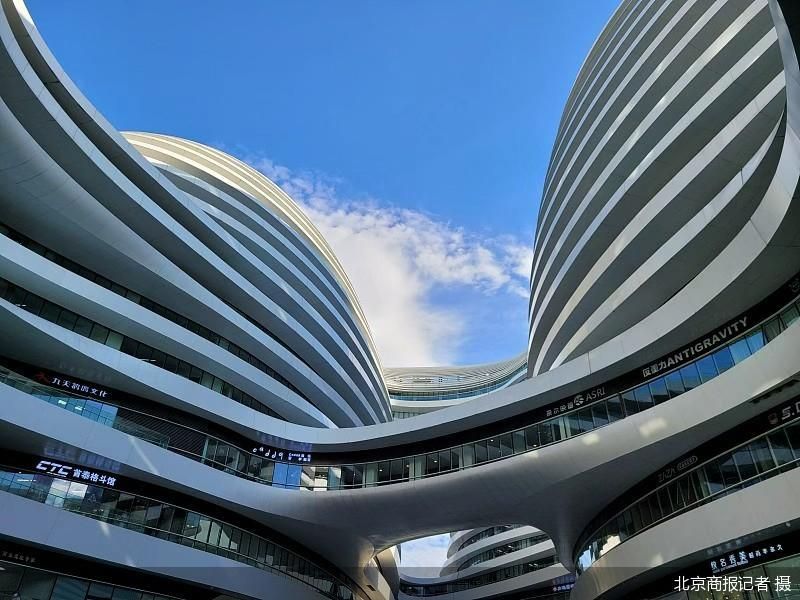
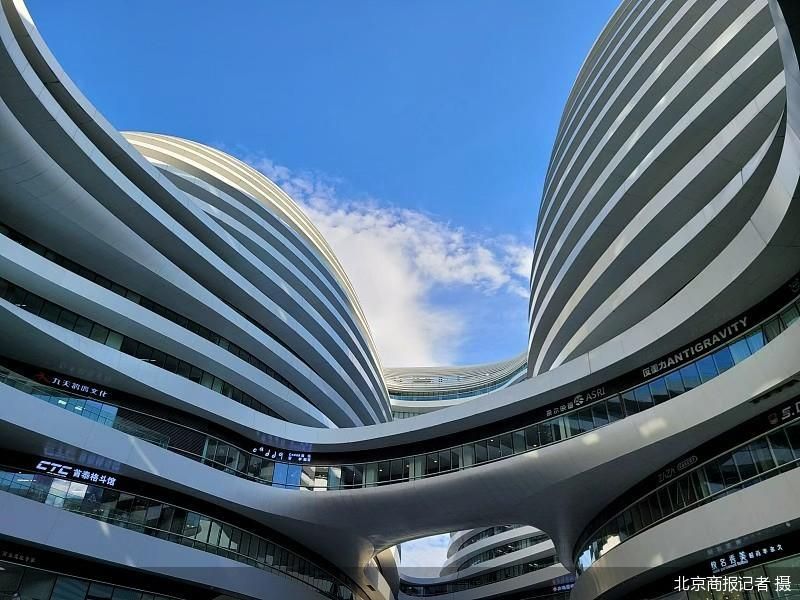
北京市朝阳区人民政府党组成员、副区长张梅表示,"两区"建设以来,朝阳区推动150余项先行先试改革试点政策 实施,落地109个在全国、全市具有首创性突破性的项目和试点,累计形成87项制度创新成果,15项原创性改革举 措面向全国复制推广,数量居全市首位,9项改革举措向全市复制推广。 以"两区"建设为契机,朝阳区积极拓展金融领域开放深度,落地全国首家新设外商独资证券公司——渣打证券, 宝马(中国)保险经纪、安顾方胜保险经纪成为资管新规以来首批获批的中外合资保险经纪机构。率先落地增值电 信业务开放试点,获批业务种类和数量全国领先。推动文化领域扩大开放,率先支持英皇电影成为全国首家CEPA 电影制作开放政策受益企业。 为保障要素流动顺畅,朝阳区在全市率先开展国际收支便利化全环节改革试点工作,先后设立"北京CBD跨国企业 数据流通服务中心"和"北京朝阳国际数据跨境服务枢纽",初步形成数据跨境流动一南一北的双平台服务体系。 此外,朝阳区还落地自贸区内企业数据出境"负面清单"制度,并率先为外籍人员提供"两证联办"一窗受理服务。 9月10日,北京商报记者从北京市朝阳区"两区"建设五周年专题新闻发布会上获悉,作为北京"两区"建设 ...
2025服贸会|北京朝阳“两区”建设五年推150项改革,新设外资企业占全市28.4%
Bei Jing Shang Bao· 2025-09-10 14:37
Core Insights - Chaoyang District has made significant progress in the "Two Zones" construction over the past five years, focusing on international finance and digital economy, with over 150 reform policies implemented and 87 institutional innovations achieved [2][3] Group 1: Economic Performance - Chaoyang District has established 2,398 new foreign-funded enterprises, accounting for 28.4% of the city's total, and has 173 regional headquarters of multinational companies, representing 70% of the city's total [2] - From January to July this year, the actual use of foreign capital reached $1.3 billion, making up 43.7% of the city's total, while the total import and export volume was 723.9 billion yuan, accounting for 39.8% of the city [2] - The financial sector in Chaoyang District grew by 14.1% year-on-year in the first half of the year, with a financial value added of 87.71 billion yuan [5][6] Group 2: Institutional Innovations - The district has implemented over 150 pilot reform policies, resulting in 87 institutional innovations, with 15 original reform measures being replicated nationwide, the highest in the city [3][4] - Chaoyang District has established the first foreign-funded securities company in the country and has been a pioneer in various financial and cultural sector reforms [3][4] Group 3: Industry Development - The district has formed a modern industrial system characterized by internationalization, focusing on finance, business services, high-tech, and culture [6] - Chaoyang District has attracted nearly 700 companies in the artificial intelligence industry and over 1,400 companies in the metaverse sector, with information services becoming the second-largest pillar industry [7] Group 4: Future Outlook - The district aims to continue promoting institutional openness, enhance the global resource allocation capability, and deepen participation in global economic and trade cooperation [9] - Future plans include constructing a modern industrial system and promoting the distinctive and collaborative development of key functional areas like the Chaoyang group and Zhongguancun Chaoyang Park [9]
2025服贸会|北京朝阳“两区”建设五年推150项改革 新设外资企业占全市28.4%
Bei Jing Shang Bao· 2025-09-10 14:36
Core Insights - Chaoyang District has made significant progress in the "Two Zones" construction over the past five years, focusing on international finance and digital economy, with over 150 reform policies implemented and 87 institutional innovations achieved [1][2] - The district has established itself as a leading area for foreign investment, with 2,398 new foreign enterprises set up, accounting for 28.4% of the city's total, and 173 regional headquarters of multinational companies, representing 70% of the city's total [1][2] - In the first seven months of this year, actual foreign investment reached $1.3 billion, making up 43.7% of the city's total, while the total import and export volume was 723.9 billion yuan, accounting for 39.8% of the city's total [1] Institutional Innovations - Chaoyang District has implemented 150 pilot reform policies, resulting in 87 institutional innovations, with 15 measures being replicated nationwide, the highest in the city [2] - The district has introduced the first foreign-owned securities company in the country and has been a pioneer in various sectors, including telecommunications and cultural industries [2][3] - The establishment of the "Beijing CBD Multinational Enterprise Data Flow Service Center" and "Beijing Chaoyang International Data Cross-border Service Hub" has facilitated smooth factor flow [2] Financial Sector Growth - The financial sector in Chaoyang District has seen a year-on-year growth of 14.1%, with the added value reaching 87.71 billion yuan in the first half of the year [4] - The district hosts over 1,800 financial institutions, with nearly 400 being foreign or joint-venture entities, accounting for about 65% of the city's total [4] - The district has also launched 12 pilot policies, including the first broker-dealer foreign exchange business in the country [4] Business Services and Digital Economy - Chaoyang District has over 50,000 business service institutions, with a projected growth of 6.4% in leasing and business services revenue in 2024, making up about 40% of the city's total [5] - The district is actively developing the digital economy, with nearly 700 companies in the artificial intelligence industry and over 1,400 in the metaverse sector [5] - Information services have become the second-largest pillar industry in the district, contributing 49.4% to the district's revenue growth from January to August [5] Future Development Plans - The district aims to continue promoting institutional openness and create a world-class business environment to enhance global resource allocation capabilities [8] - There is a focus on building a modern industrial system and promoting the distinctive and collaborative development of key functional areas [8] - The district is committed to contributing to the high-quality development of the capital and the broader context of national openness [8]
擎开放之旗 领服贸之先——从服贸会之变看中国服务业开放新标杆
Xin Hua Wang· 2025-09-10 14:22
Core Insights - The 2025 China International Service Trade Fair (CIFTIS) emphasizes China's commitment to high-level opening-up and integration with international trade rules, aiming to enhance service trade quality and expand market access [1][2][6] - The fair has evolved from a service outsourcing focus to a comprehensive platform embracing digitalization, green initiatives, and international collaboration, showcasing over 190 new products and innovations [2][4][5] Industry Development - China's service trade has seen significant growth, with total trade volume increasing from $482.9 billion in 2012 to over $1 trillion by 2024, and knowledge-intensive services now accounting for 41.4% of the total [2][3] - The fair has expanded its exhibition space from 50,000 square meters to 3 square kilometers, reflecting the growing scale and importance of the event [3] Policy and Innovation - Beijing has implemented a series of innovative policies to enhance service industry openness, including tax incentives for technology transfer and streamlined processes for foreign investment [6][7][8] - The establishment of the Beijing Free Trade Zone and the National Service Industry Expansion Demonstration Zone has attracted significant foreign investment, with actual foreign capital reaching $66.18 billion over five years [7][8] Global Collaboration - The fair serves as a platform for international cooperation, with participation from over 80 countries and organizations, facilitating discussions on technology innovation, digital services, and ecological sustainability [4][10] - Beijing aims to position itself as a leader in service trade by 2030, targeting a top-three national ranking in service trade scale and a 70% share of digital service exports [9][10] Future Outlook - The fair is expected to continue driving the transformation of China's service industry, focusing on digitalization, green development, and intelligent services to enhance global competitiveness [11]