
硬科技

Search documents
上交所理事长邱勇:科创板总市值约10万亿元,已成为我国“硬科技”企业上市首选地、聚集地
Xin Lang Zheng Quan· 2025-11-12 10:23
Core Insights - The Shanghai Stock Exchange (SSE) International Investor Conference was held on November 12-13, 2025, emphasizing the importance of capital market development and the role of the Science and Technology Innovation Board (STAR Market) in China's economic growth [2][3]. Group 1: Market Reform and Economic Development - The SSE has implemented significant reforms during the 14th Five-Year Plan period, including the establishment of the STAR Market and the registration system, leading to a steady increase in market size and quality [3]. - The total market capitalization of the stock market exceeded 60 trillion yuan, with a trading volume of 546 trillion yuan, representing growth of 40% and 96% respectively compared to the previous five-year plan [3]. - The STAR Market has seen the listing of 379 new companies, with 22 previously unprofitable companies achieving profitability post-listing [3]. Group 2: Company Quality and Investment Coordination - The SSE has focused on enhancing the quality of listed companies, with average annual growth rates of 3.8% in revenue and 4.6% in net profit during the 14th Five-Year Plan period [4]. - The total amount of dividends and share buybacks by listed companies exceeded 7.6 trillion yuan, accounting for over 70% of the total market dividends, indicating a significant increase of 51.2% [4]. Group 3: Internationalization and Cross-Border Investment - The SSE has optimized its cross-border investment mechanisms, with the Shanghai-Hong Kong Stock Connect achieving a cumulative transaction volume of 103 trillion yuan, a growth of 288% [6]. - The SSE has introduced new cross-border products, with the scale of cross-border index products exceeding 320 billion yuan, enhancing international investment options [6]. Group 4: Future Outlook - The SSE aims to deepen reforms and enhance governance, focusing on attracting long-term capital and improving the quality of information disclosure by listed companies [7][8]. - The SSE is committed to expanding its international presence and product offerings, inviting global investors to engage with China's capital market [8].
芯联资本完成首支主基金12.5亿元募集
FOFWEEKLY· 2025-11-12 10:04
Group 1 - The core viewpoint of the article highlights the successful fundraising of 1.25 billion yuan for the first main fund of ChipLink Capital, with an expected total scale exceeding 1.5 billion yuan, focusing on hard technology sectors such as semiconductors, artificial intelligence, robotics, and new energy [2] - The fund was raised in less than a year, featuring a highly market-oriented LP structure that includes a mix of industry, capital, and policy backgrounds, with notable investors such as ChipLink Integrated, Shanghai Lingang New Area Fund, and various leading market-oriented mother funds and financial institutions [2] - The founder of ChipLink Capital, Yuan Feng, emphasized that the successful fundraising reflects investors' confidence in the long-term development of China's hard technology and strategic emerging industries, indicating a commitment to supporting companies through different development stages [2] Group 2 - ChipLink Capital operates as a corporate venture capital (CVC) institution, leveraging deep industry resources from its parent company, ChipLink Integrated, to drive investment strategies that combine capital and industry, aiming to expand the industrial chain and build an ecosystem for hard technology companies [3] - The institution has invested in several well-known companies within the semiconductor and new energy sectors, including ShuoKe ZhongKe Xin, ChipLink Power, and Junyuan Electronics, and has also begun investments in emerging application fields such as robotics and AI [3]





预计终关规模超15亿元 芯联资本首期主基金将聚焦硬科技领域投资
Sou Hu Cai Jing· 2025-11-12 03:47
11月12日,芯联资本宣布其首支主基金完成12.5亿元规模的募集。该支基金整体规模预计超15亿元,重点布局半导体、人工智能、机器人、新能源等硬科 技领域。 据了解,投资人包括基石出资人芯联集成,以及上海临港新片区基金、孚腾资本、元禾辰坤、建发新兴基金、 嘉兴国投、南京银行、芯朋微、富乐德、 江丰电子,涵盖产业上市公司龙头、头部市场化母基金、知名国资母基金、市场化政府出资平台及银行系金融机构等。 市场分析认为,在整体募资难的大环境下,芯联资本能够实现高度市场化的LP结构较为难得,这体现了市场对于硬科技发展的投资信心,也反映出专业 投资机构对芯联资本在相关领域的投资策略及专业能力的认可与信心。 封面新闻记者 付文超 芯联资本创始合伙人袁锋表示,该期基金的顺利募集,本质上是投资者对中国硬科技及战略性新兴产业长期发展的信心体现。由于战略产业具有特殊性和 周期性,不同发展阶段的企业需求差异显著。芯联资本作为专注产业投资、陪伴被投企业穿越周期的投资机构,将在积极把握战略性新兴产业发展机遇的 同时,通过CVC的链接与赋能,陪伴和赋能被投企业发展,并为投资人创造可持续的长期回报。 ...

通过港交所聆讯,图达通以“硬科技”构筑独特竞争优势承载行业增量
Zhi Tong Cai Jing· 2025-11-12 03:26
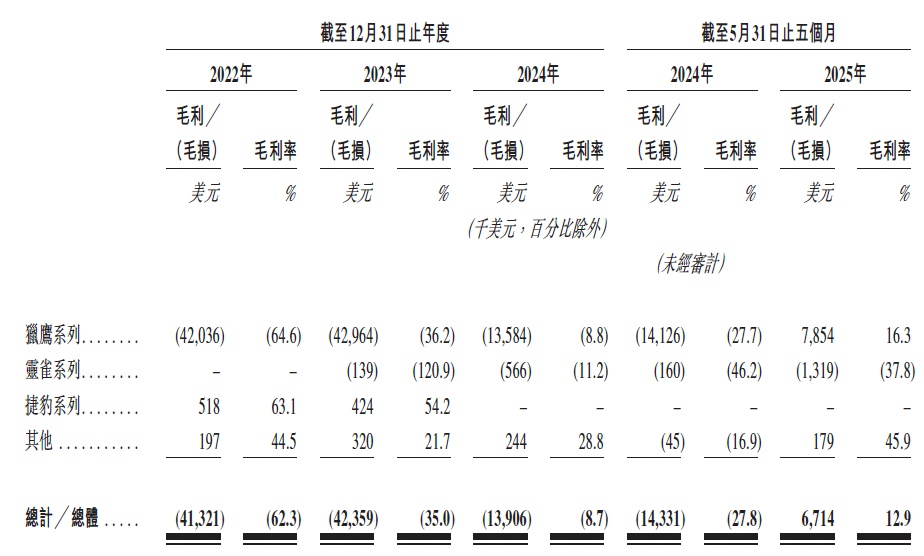
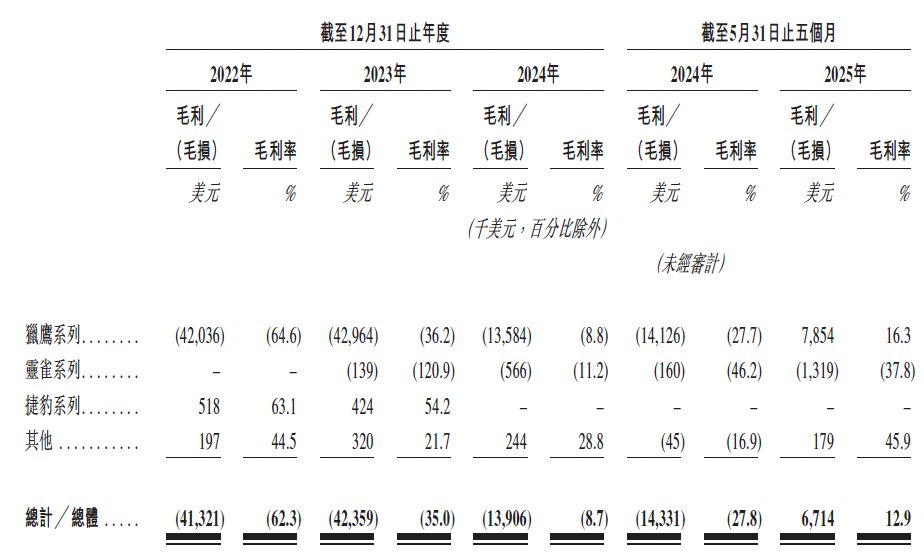
Core Viewpoint - The global investment enthusiasm for "hard technology," particularly in the lidar sector, has reached unprecedented levels, driven by the trend of "intelligent driving equality" and significant cost reductions in technology [1] Industry Overview - The lidar industry is entering a phase of substantial growth, with increasing market attention on related stocks as the sector benefits from technological advancements and a shift in market dynamics [1] - The upcoming listing of global lidar leader, Tudatong, on the Hong Kong Stock Exchange is expected to attract significant investment interest, following the successful listings of other lidar companies [1][2] Company Performance - Tudatong is projected to deliver approximately 230,000 automotive-grade lidar units in 2024, capturing a global market share of 12.8% in the automotive lidar solutions segment [2] - In the first nine months of this year, Tudatong delivered around 181,100 automotive-grade lidar units, marking a year-on-year increase of 7.7% [2] - Tudatong's revenue surged from $66.3 million in 2022 to $160 million in 2024, with the company reporting $5.2 million in revenue for the first five months of this year [2] Growth Potential - The company is expanding its partnerships in the passenger vehicle sector, with NIO adopting its lidar solutions across nine models, and stable collaborations in commercial vehicles and logistics [2][3] - Tudatong is strategically entering the robotics market, securing large-scale orders from leading companies, indicating a broadening application of its lidar technology [3][7] Financial Metrics - Tudatong's gross margin improved significantly, with a gross loss of $13.9 million and a gross margin of 8.7% reported for the first five months of 2024, compared to a gross loss of $42.4 million and a gross margin of 35% in 2023 [4] - The Falcon series achieved a gross margin of 16.3% in the first five months of this year, indicating a clear upward trend in profitability [4][6] Competitive Advantages - Tudatong's dual-technology strategy allows it to produce both high-performance and cost-effective lidar solutions, enhancing its competitive edge in the market [6] - The company is the only manufacturer capable of mass-producing both 1550nm and 905nm lidar technologies, positioning it uniquely in the industry [6] Market Outlook - The lidar market is expected to see significant growth in non-automotive applications, particularly in robotics, with Tudatong well-positioned to capitalize on these emerging opportunities [7][8] - The company's successful domestic market strategies are anticipated to be replicated in international markets, enhancing its global competitiveness [7][8]
新股解读|通过港交所聆讯,图达通以“硬科技”构筑独特竞争优势承载行业增量
智通财经网· 2025-11-12 03:17
Core Viewpoint - The global investment enthusiasm for "hard technology," particularly in the lidar sector, has reached unprecedented levels, driven by the trend of "intelligent driving equality" and significant cost reductions in technology [1] Group 1: Company Developments - TuDatong has received approval from the China Securities Regulatory Commission for its overseas listing, with a successful hearing at the Hong Kong Stock Exchange, marking a significant step in its capital process [1] - The company is expected to be well-received by both domestic and international investors, given the current systematic value reassessment of lidar companies [1] - TuDatong's revenue has increased from $66.3 million in 2022 to $160 million in 2024, with a 7.7% year-on-year increase in deliveries of automotive-grade lidar [2][3] Group 2: Market Position and Growth Potential - TuDatong holds a 12.8% global market share in automotive-grade lidar solutions, with significant partnerships in both passenger and commercial vehicle sectors [2][7] - The company has strategically entered the robotics market, securing large orders from leading firms, indicating a strong growth trajectory in this new application area [3][7] - The gross margin for TuDatong has improved significantly, reaching 12.9% in the first five months of the year, reflecting its potential for profitability [3][4] Group 3: Competitive Advantages - TuDatong employs a dual-technology strategy, producing both high-performance and platform-based lidar solutions, which enhances its competitive edge [6] - The company is the only manufacturer capable of mass-producing both 1550nm and 905nm lidar, allowing it to cater to a wide range of vehicle models [6] - TuDatong's diverse customer base includes major automotive and ADAS companies, which is expected to translate into actual sales within a year, indicating strong short-term growth certainty [7] Group 4: Future Outlook - The company is well-positioned to capitalize on the expanding market for lidar in both automotive and non-automotive applications, particularly in robotics and smart transportation [5][8] - With its unique advantages, TuDatong is expected to benefit from the trends of intelligent driving equality and the rapid expansion of lidar applications [8] - The upcoming listing is anticipated to solidify TuDatong's long-term growth momentum and enhance its global development perspective [8]
港股市场重回全球IPO募资额榜首 科技企业成主力
Zheng Quan Ri Bao· 2025-11-11 16:05
Group 1 - The Hong Kong IPO market has been robust in 2023, with 87 companies listed and a total fundraising amount of 246.93 billion HKD, representing a year-on-year increase of 243.28% [1] - The top ten IPOs this year include seven "A+H" companies, one returning Chinese concept stock, and two subsidiaries spun off from A-shares [1] - Factors driving this growth include policy support, a recovering capital market, and the optimization of the Hong Kong Stock Exchange's listing system [1] Group 2 - Technology companies are emerging as new growth drivers, with new listings in sectors such as semiconductors, renewable energy, AI, and high-end manufacturing [2] - International long-term capital has significantly participated in the IPO market, with 69 companies attracting 468 cornerstone investors, raising a total of 94.59 billion HKD [2] - The average daily trading volume in the Hong Kong stock market has increased by 126% year-on-year, reaching 412.19 billion HKD [2] Group 3 - The influx of southbound capital is primarily driven by institutional investors such as public funds and insurance capital, attracted by high-quality stocks in the internet and new consumption sectors [3] - There are currently 296 companies with IPO applications in process, with about half from new economy sectors, indicating a strong pipeline for future listings [3] Group 4 - A-share industry leaders are actively pursuing "A+H" listings, with companies like Mindray Medical and Baili Tianheng preparing for their Hong Kong debuts [4] - As of November 11, 2023, there are 166 "A+H" listed companies, with 16 new additions this year, contributing approximately 48% of the total fundraising in the Hong Kong IPO market [4] Group 5 - Listing in Hong Kong helps companies attract international institutional investors and improves shareholder structure and corporate governance [5] - The process of cross-border financing becomes smoother and more predictable, reducing institutional transaction costs and allowing for more efficient capital planning [5]
多城角逐长三角创投新势力排名 硬科技实力成为关键要素
Di Yi Cai Jing· 2025-11-11 12:32
Group 1 - The "Development Index" for venture capital cities in the Yangtze River Delta was jointly released by Qingke Holdings and Fudan University, ranking Huzhou, Shaoxing, and Jinhua as the top three cities [1] - The Yangtze River Delta region accounts for a significant portion of China's venture capital landscape, with a focus on the development of specific cities within the region [1][2] - The research categorizes cities into "first-mover advantage cities" and "new venture capital cities," using nearly 30 secondary indicators for quantitative analysis [1] Group 2 - Cities in Zhejiang, such as Huzhou and Shaoxing, are leading in the new venture capital landscape, while Jiangsu cities are becoming a backbone, and Anhui has more potential to explore [2] - There is a shift in venture capital funding towards hard technology, driven by strategic decisions in the region [2] - The current venture capital wave is expected to focus on hard technology sectors, including smart manufacturing and energy innovation [4] Group 3 - Private equity funds are anticipated to intensify their efforts in the venture capital space [3] - The funding structure for China's innovation industry is evolving, with strategic investments and corporate venture capital becoming significant players [4]
多城角逐长三角创投新势力排名,硬科技实力成为关键要素
Di Yi Cai Jing Zi Xun· 2025-11-11 11:17
Core Insights - The "Yangtze River Delta Venture Capital New Forces City Development Index" was jointly released by Qingke Holdings and Fudan University, highlighting the leading cities in venture capital within the region [1][2] - Huzhou, Shaoxing, and Jinhua are ranked as the top three cities in the index, indicating a strong position for Zhejiang province in the venture capital landscape [1] - The Yangtze River Delta region accounts for a significant portion of China's venture capital activities, with a focus on both established and emerging cities [1][2] Group 1 - Huzhou ranks first in the comprehensive index of venture capital cities, followed by Shaoxing and Jinhua [1] - The research categorizes cities into "first-mover advantage cities" and "venture capital new force cities," using nearly 30 secondary indicators for quantitative analysis [1] - The study identified 11 first-mover advantage cities, including Shanghai, Hangzhou, Nanjing, and Suzhou, while 30 cities were classified as venture capital new force cities [1] Group 2 - Cities in Zhejiang, such as Huzhou and Shaoxing, are leading in the venture capital sector, while Jiangsu cities are emerging as key players [2] - There is a notable shift in venture capital funding towards hard technology sectors, reflecting strategic decisions made by cities in the Yangtze River Delta [2] - The policy environment is improving, with new force cities making significant strides in industrial and venture capital policies [2] Group 3 - Private equity funds are expected to intensify their efforts in the venture capital space [3] - A new wave of venture capital is anticipated, focusing on hard technology sectors such as smart manufacturing and quantum computing [4] - The funding landscape for innovation in China is evolving, with a shift towards diversified sources beyond traditional PE and VC, including corporate and government venture capital [4]
国资产业基金强势布局,激活十万亿科技创投动能
Sou Hu Cai Jing· 2025-11-11 09:59
Core Insights - The report highlights the transformation of leading industrial park enterprises leveraging fund investments to provide development capital, industry resources, and growth opportunities for related companies, achieving a win-win situation for parks, enterprises, and industries [2][3] Fund Management and Investment Scale - China's private equity and venture capital fund management scale has reached 14.4 trillion yuan, with 150,000 projects under investment [2] - State-owned science and technology funds are expanding in scale and precision investment, becoming a core capital force for cultivating new productive forces [2] - Notable industrial parks like Donghu Gaoxin manage multiple funds, with Donghu Gaoxin's funds exceeding 1 billion yuan [2] Investment Focus and Strategies - Su Gao Xin Group has established 16 industrial funds with a total scale exceeding 6 billion yuan, focusing on emerging industries such as healthcare and technology [3] - Zhangjiang Hi-Tech has formed a capital pool of 60.5 billion yuan through 14 industrial funds, while China Merchants Shekou manages 8 funds totaling approximately 6 billion yuan, creating a full-chain investment service system [3] Sector-Specific Developments - Zhangjiang Hi-Tech's "895 Entrepreneurship Camp" supports companies like Muxi (GPU development) through direct investment and fund models, with semiconductor companies contributing over 5 billion yuan in taxes in 2024 [4] - The Hangzhou Canal Network Valley by China Merchants Shekou initiated a 100 million USD smart city technology fund, with invested companies seeing over 50% valuation growth in 2024 [4] - The Su Gao Xin Green Low-Carbon Industrial Park established a 500 million yuan green development fund, focusing on new energy and environmental protection sectors [4] Performance Metrics - The Bazhou Zhongdian Smart Valley Industrial Park achieved a 92% occupancy rate with 12 new companies, including 3 funded enterprises, and reduced the design-to-production cycle by 40% [5] - Donghu Gaoxin's participation in the establishment of a 150 million yuan biotechnology investment fund aims to support early-stage projects through a combination of funding and services [5]




硬科技持续领跑,众凌科技完成超4亿元新融资
2 1 Shi Ji Jing Ji Bao Dao· 2025-11-11 06:04
Group 1 - The core focus of financing is in the technology and manufacturing sectors, with significant activity in integrated circuits, high-end manufacturing, artificial intelligence, and commercial aerospace [1] - In the past week, there were 52 financing events in the domestic primary market, with a total disclosed amount of approximately 5.319 billion RMB [1] - The advanced manufacturing sector led with 14 financing events totaling about 1.857 billion RMB, followed by the biomedicine sector with 9 events totaling approximately 1.568 billion RMB, and the artificial intelligence sector with 6 events totaling around 644 million RMB [3][4] Group 2 - The financing activities were concentrated in Zhejiang Province, Shanghai, and Jiangsu Province, with 11, 9, and 8 events respectively [5][6] - Active investment institutions included Yuanhe Origin, Cornerstone Venture Capital, and Zhongke Chuangxing, each completing 2 financing events primarily in technology and manufacturing as well as healthcare sectors [7][8] Group 3 - Notable financing events included: - Chip manufacturer Xinzhenwei completed several hundred million RMB in Series A financing [27] - Chichip Semiconductor raised nearly 200 million RMB in Series A financing [55] - Agile Medical secured several hundred million RMB in Series B financing [13] - Weitao Bio received over 100 million RMB in angel round financing [15] - Micromedical completed a Series A+ financing of 100 million RMB [16]
