产教融合

Search documents
打造航空职教高地 输送高素质技能人才 江苏航院:培育大国蓝天工匠
Zhen Jiang Ri Bao· 2025-07-02 07:47
Core Insights - Jiangsu Aviation Vocational College has achieved over 98% employment placement rate and over 85% major alignment rate for six consecutive years since its first graduating class in 2019, contributing to the national low-altitude economy strategy and regional aviation industry upgrade [1] Group 1: Educational Initiatives - The college has established an Aviation Manufacturing Modern Industry College in collaboration with companies like Aerospace Haiying and Fischer Aviation Components, offering four enterprise order classes and implementing a "dual standard integration" curriculum system [2] - A total of 446 specialized courses have been co-developed with enterprises, and over 850 students have been accepted for internships by partner companies [2] - The college has appointed five academicians from the Chinese Academy of Engineering and 63 well-known entrepreneurs as mentors, ensuring that the teaching content remains aligned with industry advancements [2] Group 2: Skills Development - Jiangsu Aviation Vocational College won two first-class awards in the "Mechatronics Technology" competition at the 2025 Jiangsu Vocational College Skills Competition, highlighting the effectiveness of its "competition-driven education" model [3] - The college adds 1-2 new majors in the low-altitude economy field each year, with 19 out of 21 aviation-related majors ranked first in Jiangsu province [3] Group 3: Employment and Regional Integration - The college has achieved a graduate retention rate of over 20% in Zhenjiang, with a 53.9% year-on-year increase in horizontal project contract amounts, indicating a strong connection with the local economy [4] - The "Hangrun" school-city integration plan has been implemented, with strategic cooperation agreements signed with 11 local entities, focusing on customized talent training and shared training resources [4] Group 4: Future Vision - The college aims to leverage the transformation and upgrading of the aviation industry to ensure that every student possesses both high employment rates and high growth potential [5]
杭州80多家企业集中学习跨境电商实战技能
Hang Zhou Ri Bao· 2025-07-02 03:14
Core Viewpoint - The training program aims to enhance the capabilities of Hangzhou enterprises in cross-border e-commerce and international market expansion by cultivating high-level marketing talents with both local and international perspectives [1][2] Group 1: Training Program Overview - The training program is organized by Hangzhou Trade Promotion Council and other local institutions, targeting over 80 outward-oriented enterprises in Hangzhou [1] - The program lasts for three days and focuses on addressing the "last mile" challenges faced by companies going abroad [1] Group 2: Curriculum and Practical Application - The curriculum is designed to be systematic and practical, addressing the pain points of enterprises in cross-border e-commerce [1] - Experts from various sectors, including platforms, universities, service providers, and enterprises, deliver lectures on key areas such as AI empowerment, brand internationalization, platform operations, and risk avoidance [1] - A significant highlight of the training is the practical component, where participants visit Alibaba International Station and Lianlian Digital for hands-on experience and insights into the latest policies and tools [2] Group 3: Future Support and Development - The Hangzhou Trade Promotion Council plans to continue optimizing international services for enterprises and deepen the integration of industry and education to support the cultivation of high-level cross-border e-commerce talents [2] - The initiative aligns with the goal of promoting high-level openness and strengthening the city's global market presence [1][2]
探寻医康养旅产业新动能 考察山东愉悦集团产业集群
Qi Lu Wan Bao Wang· 2025-07-02 02:21
Group 1 - The core focus of the visit was to explore new pathways and collaboration opportunities in the health and emergency rescue industries [2] - The delegation visited various facilities including the Life Science Museum, a vocational college, and a rehabilitation hospital, emphasizing the integration of health services with tourism [5][18] - The health management and nutrition centers utilize big data analysis to provide personalized health management services for residents [5] Group 2 - The visit highlighted the strong production capabilities of the company, showcasing advanced technology in functional textile production and innovative health products [12] - The company aims to bridge the gap between health and emergency services, fostering a collaborative understanding among stakeholders [18] - Future collaborations are expected to enhance the quality of the health industry and contribute to a comprehensive health service system in China [18]

广应科成立三大产业学院 精准赋能大湾区高质量发展
2 1 Shi Ji Jing Ji Bao Dao· 2025-07-02 00:05
Core Viewpoint - The establishment of three industry colleges by Guangzhou Applied Technology University in collaboration with leading companies like Huawei, iFlytek, and UBTECH aims to enhance the integration of education and industry, addressing the demands of the digital economy and AI revolution [1][6]. Group 1: Industry Colleges Overview - The three industry colleges include the Smart Industry College (Huawei ICT College), iFlytek AI Industry College, and UBTECH Intelligent Robotics Industry College, with a total enrollment plan of 1,000 students in 2025 [1][6]. - These colleges represent a significant step in aligning the university's educational approach with national innovation strategies and the development of the Guangdong-Hong Kong-Macao Greater Bay Area [1][6]. Group 2: Educational Framework and Collaboration - The colleges aim to break traditional school-enterprise cooperation models by establishing a new collaborative framework focused on "joint talent cultivation, shared management processes, and shared outcomes" [2]. - Jointly developed talent training programs and standards will closely align with industry needs, utilizing advanced resources from Huawei, iFlytek, and UBTECH [2]. Group 3: Specific Programs and Enrollment Plans - The Smart Industry College will offer three innovative classes, including the Huawei AI Innovation Class (200 students), Huawei Big Data Innovation Class (100 students), and Huawei Harmony Innovation Class (100 students), all set to enroll in 2025 [3]. - The iFlytek AI Industry College will focus on software engineering with a target of 300 students, emphasizing AI applications and practical training [4]. - The UBTECH Intelligent Robotics Industry College will introduce two majors: Robotics Engineering (200 students) and Automation (100 students), with a focus on smart logistics and core robotics technologies [5]. Group 4: Strategic Impact on Regional Development - The establishment of these industry colleges is a strategic move to optimize academic ecosystems, empower industrial upgrades, and support national strategies, particularly in the fields of ICT, AI, and robotics [6]. - The colleges are expected to address the talent gap in the Greater Bay Area by providing nearly 1,000 practical talents annually, contributing to the development of a world-class digital industry cluster [6].


进军职业教育新高地 智邦教育集团和光智邦影视传媒基地暨智邦迈威国际留学中心揭幕仪式圆满举行
Sou Hu Cai Jing· 2025-07-01 17:19
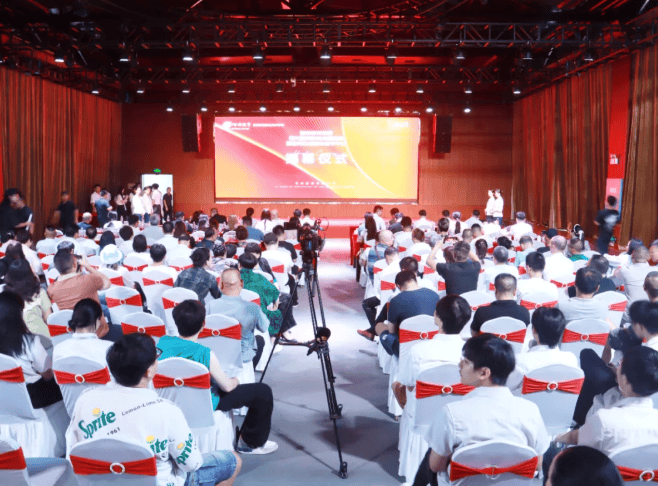
Core Points - The inauguration of the Zhibang Education Group and Guangzhibang Film and Media Base, along with Zhibang Maiwei International Study Center, marks a significant milestone in vocational education and collaboration with Hunan Guang Media Co., Ltd [2][5][10] - Zhibang Education Group has established partnerships with over 100 higher education institutions across multiple provinces, focusing on cultivating high-end technical talent in line with China's manufacturing strategies [3][10] - The new media base aims to integrate quality resources for talent training and practical creation, providing students with opportunities to engage in real film projects [5][7] Company Overview - Founded in 2004, Zhibang Education Group has achieved a high employment rate of 99.16% for its graduates, with an average starting salary of 8,738 yuan per month, positioning itself as a leader among IT vocational schools in Hunan [3][10] - The collaboration with Hunan Guang Media is expected to enhance the educational offerings by providing advanced teaching facilities and practical training in film production [7][10] Industry Context - The establishment of the film and media base aligns with the growing demand for skilled professionals in the media industry, as highlighted by the success of Hunan Guang Media's influential productions [7][10] - The initiative reflects a broader trend towards diversified education, aiming to equip students with a wider range of career development opportunities [10][11]
国脉科技: 2025年半年度业绩预告
Zheng Quan Zhi Xing· 2025-07-01 16:07
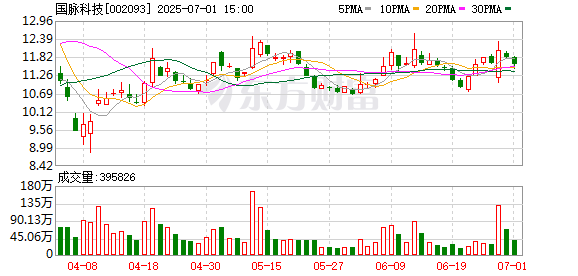
Performance Forecast - The company expects a net profit attributable to shareholders of between 125 million and 156 million yuan, representing a year-on-year increase of 60.52% to 100.33% compared to 77.87 million yuan in the same period last year [1] - The net profit after deducting non-recurring gains and losses is projected to be between 67 million and 88 million yuan, showing a year-on-year increase of 3.58% to 36.05% compared to 64.68 million yuan last year [1] - Basic earnings per share are estimated to be between 0.1260 yuan and 0.1573 yuan, compared to 0.0781 yuan in the previous year [1] Reasons for Performance Change - The company has achieved a record high in net profit for the half-year period, with a year-on-year increase of 60% to 100%, and a more than 50% increase in net profit for the second quarter alone [1] - The recent launch of AI smart home care services has created a synergistic ecosystem, enhancing the company's growth potential through deep integration of technology and scenarios in the smart elderly care service system [1] - The ongoing strategy of integrating education and industry has expanded the company's training scale, contributing to talent development and innovation, which in turn has improved overall operational efficiency and significantly reduced expense ratios [1]

国脉科技半年度净利润预计创新高 公司业绩连续4个报告期增速超50%
Zheng Quan Shi Bao Wang· 2025-07-01 09:30
Core Viewpoint - Guomai Technology (国脉科技) is experiencing significant growth in its financial performance, with projections indicating a substantial increase in net profit and revenue, driven by innovative business models and strategic investments in technology and education [2][3][4]. Financial Performance - For the first half of 2025, the company expects a net profit attributable to shareholders of between 125 million yuan and 156 million yuan, representing a year-on-year growth of 60.52% to 100.33% [2]. - The non-recurring net profit is projected to be between 67 million yuan and 88 million yuan, showing a growth of 3.58% to 36.05% compared to the previous year [2]. - In 2024, the total operating revenue reached 549 million yuan, marking a six-year high, with a net profit of 169 million yuan, up 61.41% year-on-year, achieving a historical peak [2]. Business Development - The company is focusing on deep integration of industry and education, which has led to a decrease in total expenses by 31.02% while maintaining revenue growth [2]. - The asset quality has improved, with a cash-rich position and a low debt ratio of 15.63%, and zero interest-bearing debt [2]. Innovation and Strategic Initiatives - The company has launched the first domestic AI smart agent for home-based elderly care, which is expected to enhance the smart transformation of elderly services [4]. - The AI smart agent is designed to be a specialized tool for home care and health management, differentiating itself from generic models by addressing specific user needs and integrating offline services [4][5]. - The "Guomai University Elderly Care" initiative provides a practical application and data feedback for the AI smart agent, facilitating product performance validation and optimization [5]. Market Engagement - Since May, the company has attracted significant attention from institutional investors, indicating growing interest in its innovative approaches and market potential [4].
创新产教融合平台 助力国家未来能源高质量发展
Xin Hua Cai Jing· 2025-07-01 04:55
二是构建市场化科创生态体系。探索以市场化机制驱动科技创新与转化,打造"科学家-企业家-投资 家"协同创新闭环。着力推动行业共建未来能源产业"场景开放、数据开源、生态共建"的科创生态开源 社区,积极践行创投CVCB新模式,切实破解科技成果转化"最后一公里"难题。 6月30日,中国能源研究会未来能源产教融合专业委员会(简称专委会)成立大会在河北省保定市举 行。来自政府、高校、企业及科研机构的代表齐聚一堂,共同探讨如何通过产教融合推动未来能源高质 量发展。会议选举产生了专委会第一届主任委员和副主任委员,聘任了第一届秘书长和副秘书长。 会议期间,中国能源研究会未来能源产教融合专业委员会、清华大学(电力国重)-海博思创联合研究 中心、兰州大学隆基未来技术研究院、华北电力大学国家卓越工程师学院、太行先进储能技术研究院联 合发布了《未来能源产教融合协同创新倡议书》(下简称《倡议书》)。 《倡议书》指出,当前全球能源格局深刻变革,新能源产业成为战略竞争核心,但我国仍面临核心技术 瓶颈、人才培养滞后、国际标准话语权不强等挑战。 《倡议书》提出,构建"政产学研用金"协同创新生态,聚焦光储等重点领域,推动"科学家、企业家、 投资家 ...
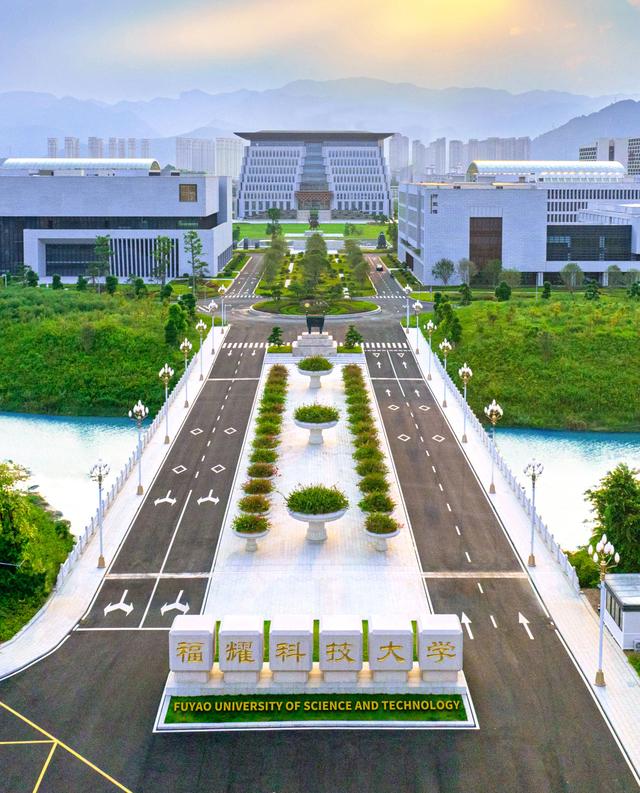
大学2025丨专访福耀科大常务副校长徐飞:AI时代,大学需要“重新发明”自己
Xin Lang Cai Jing· 2025-06-30 23:25
Core Insights - The article discusses the transformative role of artificial intelligence (AI) in higher education, particularly focusing on the initiatives taken by Fujian Fuyou University of Science and Technology (Fuyou University) to adapt to these changes [1][2] - Fuyou University aims to redefine educational paradigms by integrating AI technology into its teaching methodologies and fostering a new generation of innovative talents [2][25] Group 1: University Overview - Fujian Fuyou University is a new research-oriented university established with a significant donation of 10 billion yuan from the He Ren Charity Foundation, initiated by prominent entrepreneur Cao Dewang [2][3] - The university operates under a "public-private partnership" model, which allows for greater autonomy and flexibility in its educational approach while maintaining a non-profit and public service orientation [3][5] Group 2: Educational Philosophy and Goals - The traditional education model focused on knowledge transmission is deemed ineffective in the AI era, prompting Fuyou University to restructure its talent cultivation objectives [2][19] - The university emphasizes the development of high-level thinking skills, problem-solving abilities, and human-machine collaboration competencies in its students [2][25] Group 3: Innovative Educational Practices - Fuyou University collaborates closely with leading enterprises to co-create curricula and training programs, ensuring that education aligns with market demands [8][9] - The university plans to implement a multi-dimensional evaluation system that moves beyond traditional metrics like GPA, focusing instead on practical skills and real-world problem-solving [11][12] Group 4: AI Integration in Education - The university is committed to leveraging AI technologies to create personalized learning experiences and enhance teaching effectiveness [16][19] - AI will be used to facilitate a shift from passive learning to active exploration, encouraging students to take initiative in their educational journeys [21][22] Group 5: Talent Development Focus - Fuyou University aims to cultivate innovative, interdisciplinary talents who possess strong foundational knowledge and the ability to integrate various fields [25][26] - The university emphasizes the importance of emotional intelligence, ethical responsibility, and social awareness in its graduates, preparing them to navigate the complexities of the modern world [27]
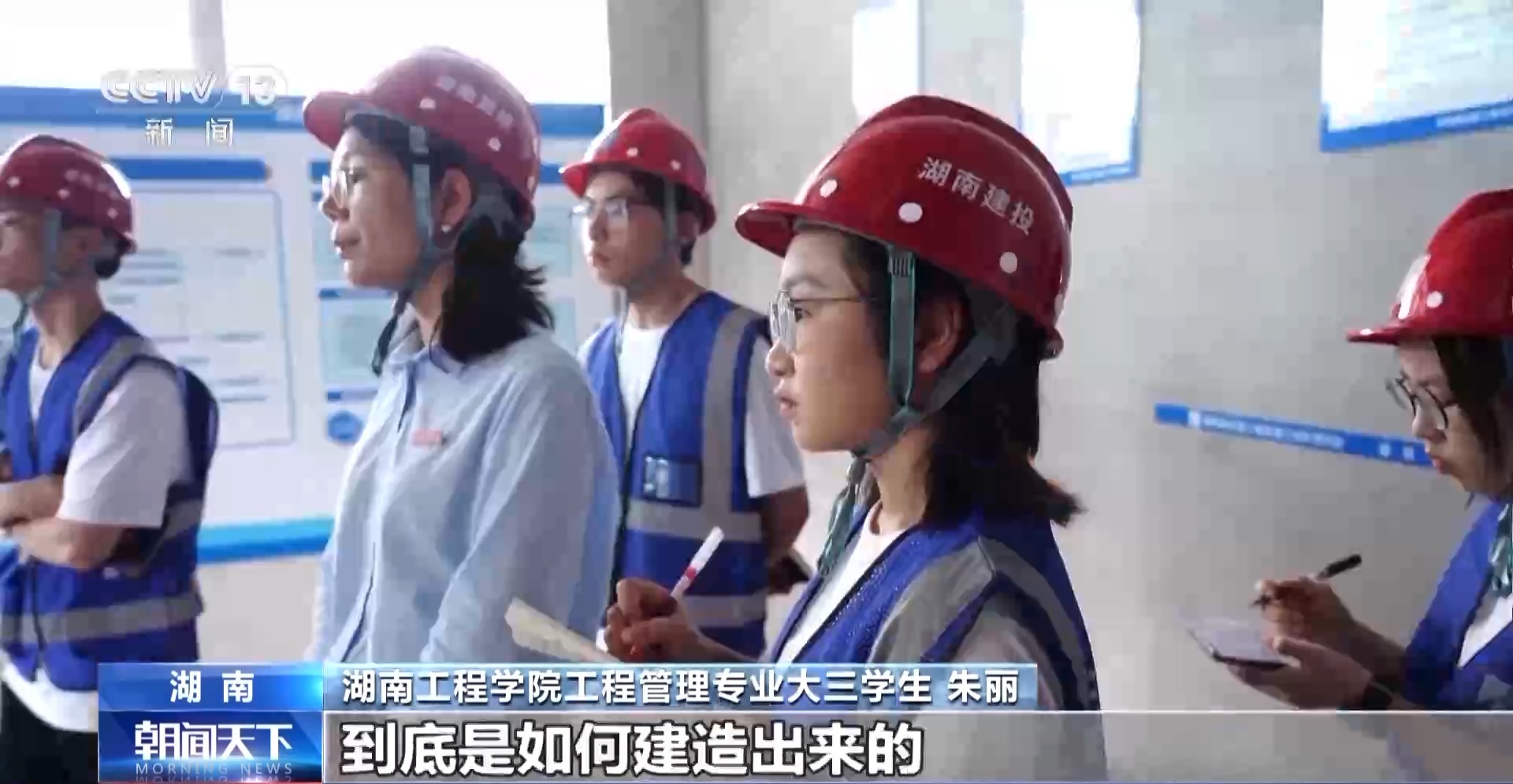
一线调研丨行业大咖变身高校导师 开拓学生就业、企业晋升新赛道
Yang Shi Xin Wen Ke Hu Duan· 2025-06-30 11:51
Core Viewpoint - The introduction of the "Management Measures for Industry Part-time Teachers in Ordinary Undergraduate Colleges" by the Ministry of Education and other departments aims to provide institutional support for universities to incorporate industry experts, enhancing the educational experience for students and benefiting both universities and enterprises [1]. Group 1: Implementation and Impact - The collaboration between industry part-time teachers and university faculty allows for a practical learning environment, where students can engage directly with real-world projects, enhancing their understanding of theoretical concepts [2][4]. - Since 2022, Hunan Engineering College has hired over 300 industry experts as part-time teachers, with 80% being alumni, indicating a strong connection between the university and its former students [12][27]. - The dual mentorship system, combining university instructors and industry part-time teachers, fosters a collaborative learning atmosphere, enabling students to transition from project participants to team leaders and even entrepreneurs [12][22]. Group 2: Industry Collaboration - The establishment of partnerships between universities and industry, such as the collaboration between Hunan University of Science and Technology and the "Hainiu" team, facilitates the commercialization of research and enhances the practical application of academic knowledge [16][20]. - The "Hainiu" team has developed advanced deep-sea drilling technology, with industry part-time teachers contributing to both teaching and practical project execution, thereby bridging the gap between academia and industry [14][16]. - The implementation of the "Enterprise Engineer Stationed in School Plan" encourages universities to attract industry talent, with performance metrics for part-time teachers being integrated into professional evaluations [27]. Group 3: Educational Innovation - Project-based teaching methods are being adopted, where industry mentors guide students through the entire project lifecycle, from initiation to completion, ensuring a comprehensive understanding of both theory and practice [25]. - The integration of industry expertise into the curriculum not only enhances student employability but also allows companies to identify and nurture potential future talent [20][24]. - The collaborative approach has led to a systematic framework that supports the continuous engagement of industry professionals in educational settings, creating a sustainable ecosystem for talent development [27].