
上市公司质量

Search documents
固本强基 稳市机制建设进入“精耕细作”阶段
Xin Lang Cai Jing· 2026-01-18 21:31
Group 1 - The core focus of capital market reform is to enhance internal stability and establish a long-term stabilization mechanism, transitioning from "cyclical fluctuations" to "institutional stability" by 2026 [1][2][4] - Since 2025, regulatory bodies have implemented various reform measures, including the introduction of plans to promote long-term capital investment, which have led to significant progress in stabilizing the market [2][3] - The quality of listed companies is crucial for market stability, with regulatory efforts emphasizing information disclosure and corporate governance, alongside actions against financial fraud [2][3] Group 2 - The protection of investors, particularly small and medium investors, remains a key theme, with new policies aimed at enhancing their protection and encouraging companies to increase dividend payouts [3][4] - By the end of 2025, various long-term funds are expected to hold approximately 23 trillion yuan in A-share market value, reflecting a 36% increase from the beginning of the year, indicating a shift towards long-term investment [3][4] - The fundamental logic of the capital market is changing, with a focus on institutional stability rather than emotional and external factors, leading to a more structured and stable market environment [4][5][6] Group 3 - Looking ahead to 2026, the emphasis will be on creating a self-stabilizing ecosystem within the market, with a focus on enhancing the role of long-term capital and ensuring that good companies are rewarded while poor performers face consequences [7][8] - The market's ability to absorb fluctuations without external intervention is a key goal, with strategies to strengthen the role of long-term funds and improve transparency in policy communication [7][8] - The establishment of a robust legal framework is essential to prevent market manipulation and ensure accountability, contributing to a resilient market that relies on high-quality companies and rational investors [8]
林义相:上市公司的质量问题不应由证监会承担
Sou Hu Cai Jing· 2026-01-15 13:03
Group 1 - The core viewpoint of the article emphasizes that the quality of listed companies should not be overly reliant on the regulatory authority, as it is not their responsibility to ensure company performance and profitability [3] - The regulatory authority's role is primarily to remove poor-performing companies from the market and allow good companies to enter, rather than directly influencing company quality [3] - Concerns are raised regarding high-frequency trading, with the current legal threshold of 300 trades per second being deemed arbitrary and lacking theoretical and practical justification [3] Group 2 - The article highlights the potential market manipulation risks associated with frequent order placements and cancellations, which can create false trading volumes and disrupt market order [3] - The market is characterized by a high proportion of retail investors, who have a high savings rate, leading to skepticism about entrusting their funds to management institutions, especially when significant losses occur while management fees are still collected [3] - The design of trading systems should return to the fundamental purpose of the market, questioning the necessity of high-frequency trading and suggesting that its removal could serve as a reassurance to retail investors [4]

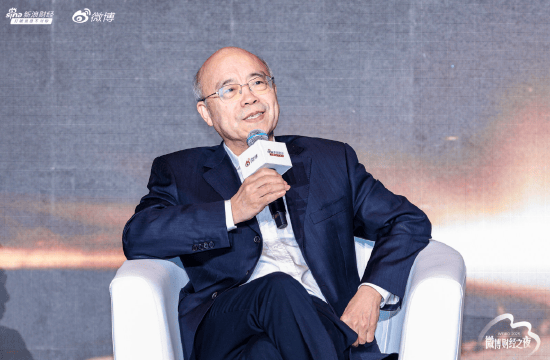
林义相:散户赔了几百亿管理机构却收了几十亿管理费,这种现象值得重视
Xin Lang Cai Jing· 2026-01-15 13:02
Core Viewpoint - The discussion emphasizes that the quality of listed companies should not be overly reliant on the regulatory body, the China Securities Regulatory Commission (CSRC), as it cannot determine a company's operational success or profitability. The CSRC's role is primarily to remove poor-performing companies and allow good ones to enter the market [3][7]. Group 1: Company Quality Issues - The quality of listed companies is not solely the responsibility of the CSRC, which can only facilitate the exit of underperforming companies [3][7]. - There is a concern regarding the reliance on management institutions by retail investors, as many have suffered significant losses while these institutions continue to collect management fees [3][7]. Group 2: Trading System and High-Frequency Trading - The current regulation allowing up to 300 trades per second lacks theoretical and practical justification, raising concerns about market manipulation through excessive order placements and cancellations [3][7]. - The market's design should focus on its fundamental purpose, and halting high-frequency trading could serve as a response to retail investors' concerns, reflecting the market's commitment to its participants [4][8].
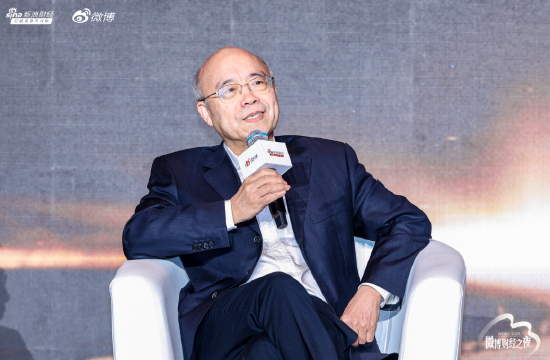
林义相:停掉高频量化交易,对散户是个交代
Xin Lang Cai Jing· 2026-01-15 12:52
Group 1 - The event "2025 Weibo Finance Night and Beijing Financial Influencers Alliance Annual Meeting" took place on January 15 in Beijing, featuring Lin Yixiang, Chairman of Tianxiang Investment Consulting, as a speaker [1][5]. - Lin Yixiang emphasized that the quality of listed companies should not be overly dependent on the China Securities Regulatory Commission (CSRC), as the CSRC's role is primarily to remove poor companies and allow good companies to enter the market [3][7]. - He criticized the current trading regulations, particularly the allowance of up to 300 trades per second, arguing that this standard lacks theoretical and practical basis, and raises concerns about market manipulation through false trading volumes and prices [3][7]. Group 2 - Lin pointed out that the market is primarily composed of retail investors, who have a high savings rate. He noted that many investors have lost hundreds of billions while asset management firms have earned tens of billions in management fees, leading to a lack of trust among investors [3][7]. - He suggested that the design of trading regulations should return to the fundamental purpose of the market, questioning the impact of halting high-frequency trading on retail investors and asserting that it would serve as a reassurance to them [4][8].
贺强:证监会吸引中长期资金入市工作做得很好,新年放假期间还公布了政策
Xin Lang Cai Jing· 2026-01-15 04:29
Core Viewpoint - The key to the long-term success of China's capital market during the "15th Five-Year Plan" period is to continuously improve the quality and performance of listed companies, rather than solely relying on market liquidity [4][6][16]. Group 1: Market Conditions - In early 2024, the A-share market fell below 2600 points due to an oversupply of stocks without a corresponding increase in funds, leading to a significant supply-demand imbalance [3][11]. - The China Securities Regulatory Commission (CSRC) has effectively attracted medium- and long-term funds into the market, especially since September 24, 2024, resulting in a strong market rally [3][5][11]. - Recent daily trading volumes have approached historical highs, with a record of nearly 4 trillion yuan, indicating a surge in market activity [3][14]. Group 2: Future Focus - Starting in 2026, the focus should shift from merely addressing funding issues to enhancing the quality and performance of listed companies to ensure sustainable market growth [6][15]. - Historical data shows that the average duration of bull markets in China is only 17 months, while bear markets last about 27 months, highlighting the need for a more stable growth model [6][15]. - The example of the U.S. stock market, which has seen the Dow Jones Industrial Average rise from 12,000 to nearly 50,000 over 16 years, illustrates that sustained growth is supported by continuous earnings growth rather than just liquidity [6][15]. Group 3: Investment Risks - If company performance declines while stock prices rise, it creates a significant risk of a market correction, as the price-to-earnings ratio can become unsustainable [6][16]. - The market's current rapid ascent may not be sustainable if it continues without a solid foundation of improving corporate earnings [5][14].
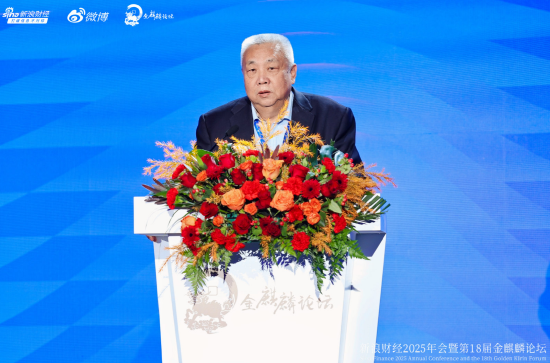
利好来了,证监会明确5大改革方向,信息量大
Xin Lang Cai Jing· 2026-01-12 06:07
Core Viewpoint - The speech by the Vice Chairman of the China Securities Regulatory Commission emphasizes the importance of deepening investment and financing reforms to enhance the quality and scale of the capital market, which has become the second largest globally after over 30 years of development [1][15]. Group 1: Investment and Financing Coordination - Investment and financing are fundamental functions of the capital market, and their coordination is crucial for high-quality development. A lack of balance can exacerbate market volatility and increase vulnerability [1][16]. - The dynamic nature of investment and financing coordination requires continuous adjustment rather than a static balance [1][16]. Group 2: Quality of Listed Companies - Improving the quality of listed companies is essential for attracting long-term investment, creating a virtuous cycle of quality enhancement, investment returns, and efficient financing [2][17]. - Poor quality of listed companies can undermine investor confidence and hinder the normal functioning of financing [2][17]. Group 3: Protection of Small Investors - With over 250 million A-share investors, of which more than 95% are small investors, there is a pressing need to protect their rights and interests, ensuring fair trading and high-quality information disclosure [3][18]. - The regulatory framework should be designed to address the specific needs of small investors while promoting a fair market environment [3][18]. Group 4: Opportunities from Technological and Industrial Changes - The ongoing technological revolution and industrial transformation present significant opportunities for the capital market, necessitating reforms to attract quality listings and patient capital [4][19]. - The integration of technological and industrial innovation is driving the revaluation of asset values in China [4][19]. Group 5: Data on Reform Outcomes - As of the end of 2025, various long-term funds held approximately 23 trillion yuan in A-share market value, a 36% increase from the beginning of the year [5][20]. - The scale of equity funds grew from 8.4 trillion yuan to about 11 trillion yuan during the same period [5][20]. Group 6: Future Reform Directions - Five key directions for ongoing investment and financing reforms have been outlined, including improving the environment for long-term investments, enhancing services for technology innovation companies, and increasing the value creation capabilities of listed companies [7][22][23]. - Strengthening regulatory enforcement and investor protection systems is also a priority to build trust and confidence in the market [11][25].
证监会最新发声
清华金融评论· 2026-01-12 01:00
Core Viewpoint - The article emphasizes the importance of enhancing the coordination between investment and financing in the capital market, highlighting the need for a supportive regulatory environment and improved investor confidence. Group 1: Investment and Financing Coordination - The China Securities Regulatory Commission (CSRC) aims to improve the institutional environment for long-term investments, encouraging various types of medium- and long-term funds to increase their market participation. As of the end of last year, medium- and long-term funds held approximately 23 trillion yuan in A-share market value, a 36% increase from the beginning of the year [3]. - Investment and financing are fundamental functions of the capital market that are interdependent. A lack of financing capabilities undermines the market's ability to serve the real economy, while insufficient investment capabilities jeopardize sustainable market development [5][6]. Group 2: Regulatory Effectiveness and Investor Protection - The CSRC plans to enhance the effectiveness of regulatory enforcement and improve the investor education and protection system. This includes strict regulation and punishment of severe violations, aiming to boost investor trust and confidence [4]. - The article highlights the need for a dynamic adjustment process in investment and financing coordination, rather than a static balance, to mitigate market volatility and vulnerabilities [6]. Group 3: Quality of Listed Companies - Improving the quality of listed companies is crucial for promoting investment and financing coordination. High-quality companies attract stable long-term investments, creating a positive cycle of investment returns and efficient financing [7]. - If the quality of listed companies is inadequate, even temporarily inflated stock prices will not be sustainable, ultimately damaging investor confidence and hindering the financing function [7]. Group 4: Support for Technological Innovation Enterprises - The CSRC will enhance its services for technology innovation enterprises, advancing reforms in the Sci-Tech Innovation Board and the Growth Enterprise Market, and improving the multi-tiered capital market system [8].

证监会就《上市公司监督管理条例(公开征求意见稿)》公开征求意见
Sou Hu Cai Jing· 2025-12-05 10:27
Core Viewpoint - The China Securities Regulatory Commission (CSRC) has drafted the "Regulations on the Supervision and Management of Listed Companies (Public Consultation Draft)" to enhance the regulatory framework for listed companies and improve their quality [1] Group 1: Governance and Compliance - The regulations aim to improve corporate governance requirements, standardizing the governance structure and the behavior of key stakeholders such as controlling shareholders, actual controllers, directors, and senior executives to enhance governance effectiveness [1] - The regulations will strengthen information disclosure supervision, particularly targeting financial fraud by improving internal supervision mechanisms and accountability, and prohibiting third-party collusion in fraud [1] Group 2: Mergers and Acquisitions - The regulations will standardize merger and acquisition behaviors, detailing the requirements for company acquisitions and major asset restructurings, and clarifying the responsibilities and independence of financial advisors to support industrial integration and corporate transformation [1] Group 3: Investor Protection - The regulations will enhance investor protection by setting clear requirements for market value management, cash dividends, and share buybacks, promoting listed companies to increase investment value and awareness of returning profits to investors [1] - The regulations will also clarify investor protection arrangements during voluntary delisting, preventing companies from evading delisting and harming investor interests through bankruptcy restructuring [1] Group 4: Enforcement Measures - The regulations will impose strict penalties for illegal activities, detailing the measures that the State Council's securities regulatory authority can take in the performance of its duties, including specific penalties for behaviors such as asset occupation and collusion in fraud [2]