
中国品牌

Search documents
民企这一年丨科沃斯集团总经理庄建华:创新的本质是要帮用户解决问题
Zhong Guo Xin Wen Wang· 2026-02-26 01:44
Group 1 - The core message of the article emphasizes the importance of innovation and global expansion for private enterprises in China, as highlighted by the recent high-level symposium attended by President Xi Jinping [1] - The growth trajectory of Ecovacs Robotics is presented as a case study of the transformation of Chinese manufacturing, showcasing the shift from OEM to owning a brand and the commitment to innovation and R&D [2][3] - Ecovacs has established itself as a leader in the service robotics sector since its inception in 1999, with over 600,000 technology and innovation-driven SMEs in China, predominantly private enterprises [3] Group 2 - The company has successfully integrated its original OEM business into a new brand, "TianKe," which has contributed to its second growth curve and reflects a strategic shift from low-cost competition to technology-driven competition [3] - Globalization has become a significant aspect of Ecovacs' identity, with overseas revenue accounting for approximately 40% of total income for both Ecovacs and its TianKe brand [4] - The ability to understand market nuances and maintain a resilient international talent supply chain has been crucial for the company's global expansion efforts [5]

“令人兴奋”的中国品牌 与软实力进阶
Xin Lang Cai Jing· 2026-01-23 15:50
Core Insights - The current state of Chinese brands is described as "exciting," reflecting the country's increasing influence on the global stage [1] - The Brand Finance report indicates that the overall valuation of Chinese brands entering the global top 500 has reached a historic high [1] - China is the only country in the top 10 of the global soft power index to see an increase in its score [1] Group 1 - The transition from commercial brands to a collective focus on "innovation and quality" is highlighted as a key factor in China's brand development [1] - China's ranking in "ease of doing business" and "growth potential" has reached the top globally, showcasing the country's high-quality development opportunities [1] - The global decline in scores for developed countries contrasts with China's rise, attributed to its stability and ongoing development capabilities [1] Group 2 - The growth potential of China's tourism industry is emphasized, with the belief that visitors will foster understanding and appreciation of the country and its people [2] - Continuous efforts in brand building have led to an increasing global recognition of Chinese brands, marking a significant shift from price-based to innovation and quality-based definitions [2] - The excitement surrounding Chinese brands is linked to their current global perception, which has evolved significantly over the past thirty years [2]
中国品牌“含金量”有多高?官方给出清晰答案
Zhong Guo Jing Ji Wang· 2026-01-23 02:43
Group 1 - The value of China's patent-intensive industries has exceeded 18 trillion yuan, with its GDP share increasing from 11.97% in 2020 to 13.38% in 2024, indicating a steady contribution to economic growth [1] - The total value of Chinese brands among the global top 5000 brands has reached 1.81 trillion USD, ranking second globally [1] - The annual output value of geographical indication products is nearly 1 trillion yuan, showing continuous growth for five consecutive years and contributing to regional economic development [1] Group 2 - By the end of 2025, China is expected to have recognized a total of 5066 geographical indication products and approved 7425 registrations for collective and certification trademarks [1] - Over 52,000 entities have been approved to use geographical indication special marks, indicating a robust growth in this sector [1]
瑞银《报告》:2025年全球共有196位白手起家的新晋亿万富豪
Zhong Guo Jing Ying Bao· 2025-12-09 08:39
Group 1 - The number of billionaires is projected to increase by 8.8% to 2,919 by 2025, with total wealth reaching a record $15.8 trillion, an increase of 13% [1] - 196 self-made billionaires contributed an additional $386.5 billion to global wealth, with the Asia-Pacific region adding 61 self-made billionaires whose total wealth reached $124.4 billion this year [1] - Billionaires in the technology sector saw their wealth grow by 23.8% to $3 trillion, making technology and consumer/retail sectors the top wealth-generating industries globally [1] Group 2 - The luxury goods sector in Europe is experiencing a slowdown in wealth growth due to competition from Chinese brands, resulting in a 5.3% increase in the consumer and retail sector's wealth, which remains the most concentrated industry globally at $3.1 trillion [1] - The resurgence of interest in "Made in China" technology has led to a strong recovery of billionaires in the Greater China region, with an upward trend in their wealth [1]
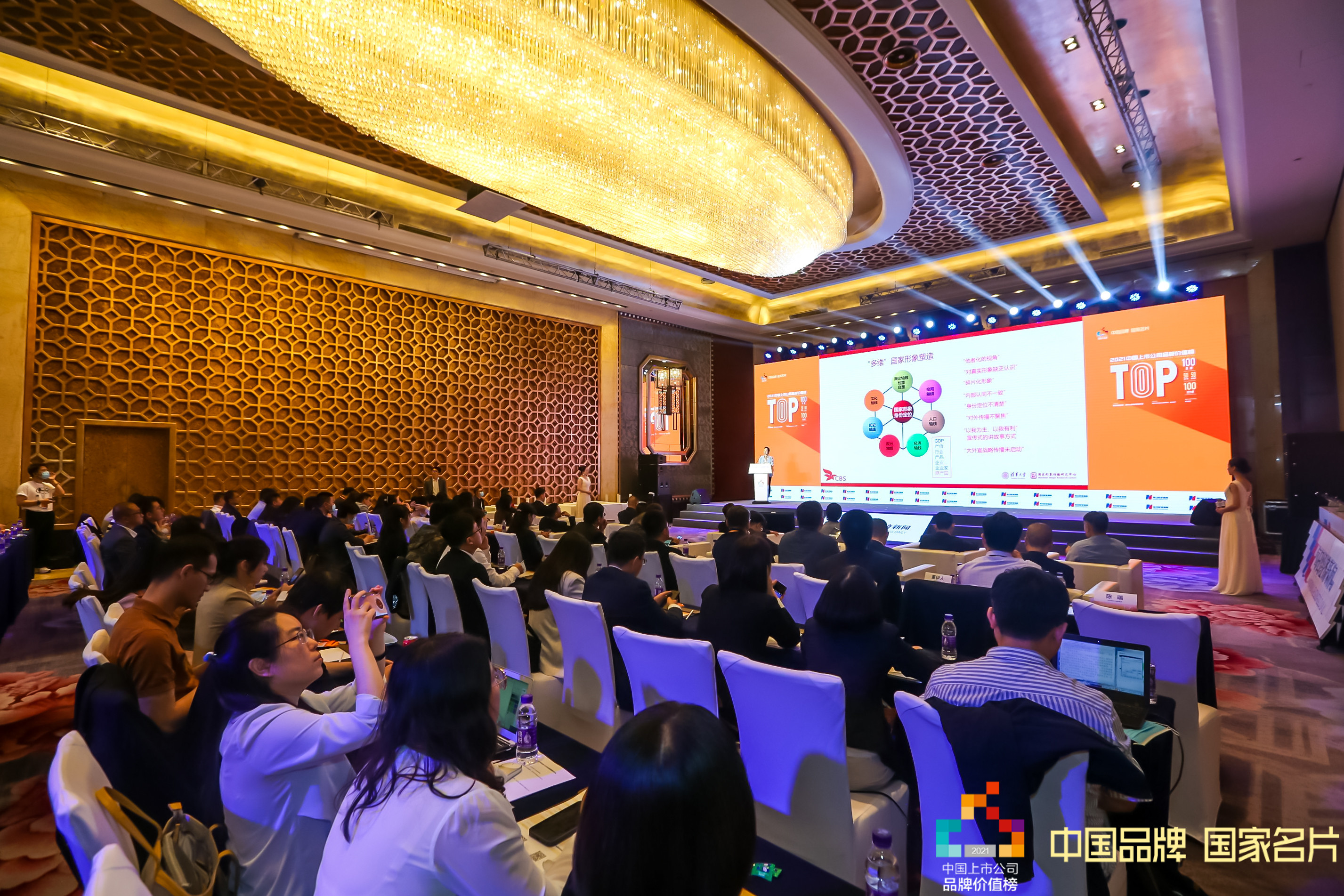
中国品牌 国家名片——2021中国上市公司品牌价值榜在京揭晓
Mei Ri Jing Ji Xin Wen· 2025-11-24 07:54
Group 1 - The 2021 China Listed Companies Brand Value List was released on May 10, marking the fifth China Brand Day and the beginning of the 14th Five-Year Plan, emphasizing the transformation of Chinese products into brands [1][3] - The event featured over a hundred corporate representatives, including notable figures from companies like Focus Media and China Railway Construction, who participated in discussions on brand building and value enhancement [1][3] - The total brand value of the Top 100 companies has increased by nearly 10 trillion yuan from 2017 to 2021, with the entry threshold for the Top 100 rising from 2.2 billion yuan in 2017 to 39 billion yuan in 2021, a 16-fold increase [4][5] Group 2 - The establishment of China Brand Day in 2017 aimed to promote the creation of globally recognized Chinese brands, filling a gap in the research of brand value among listed companies [3] - The brand value list reflects the growth of Chinese enterprises and their contribution to the national brand image, with discussions on overseas brand development and innovation taking place at the forum [3][4] - The competitive landscape among listed companies has intensified with the implementation of the registration system, leading to a shift from demographic dividends to brand dividends [5][6] Group 3 - The brand value of leading companies like Alibaba and Tencent has significantly outpaced others, with a gap exceeding 1 trillion yuan compared to the third-ranked China Mobile [5][6] - Capital brand awareness is becoming crucial for companies, influencing aspects such as financing, liquidity, market capitalization, and stock price fluctuations [6] - Building a strong capital brand requires solid performance, a good reputation, and consistent corporate culture, as emphasized by industry leaders [6]


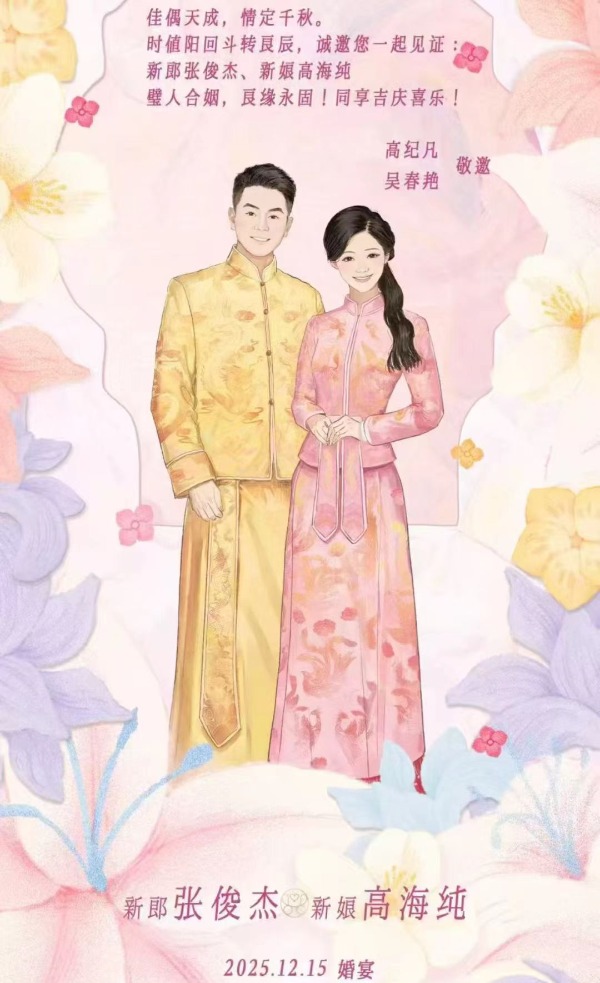
霸王茶姬迎来“老板娘”:出生于1993年 执掌一家光伏上市公司,两家市值之和603亿元
Mei Ri Jing Ji Xin Wen· 2025-11-20 09:39
Core Viewpoint - The wedding invitation of Zhang Junjie, founder of Bawang Chajiji, and Gao Haichun, daughter of Gao Jifan, founder of Trina Solar, has been confirmed, highlighting the connection between two influential figures in the renewable energy and beverage industries [1][3]. Company Overview - Trina Solar is a leading global provider of photovoltaic smart energy solutions, with main business segments including photovoltaic products, photovoltaic systems, and smart energy [3]. - Bawang Chajiji is a well-known brand in the new-style tea beverage sector, established in Yunnan in November 2017, and has expanded its presence to over 7,000 stores globally [4][5]. Financial Performance - Trina Solar reported a revenue of 49.97 billion yuan for the first three quarters of 2025, a year-on-year decline of 20.87%, with a net loss of 4.201 billion yuan [4]. - Bawang Chajiji's second-quarter financial report for 2025 showed a total GMV of 8.1031 billion yuan, a year-on-year increase of 15.5%, and a net income of 3.3319 billion yuan, up 10.2% [5]. Market Position - As of the latest reports, Trina Solar's stock price is 19.15 yuan per share, with a total market capitalization of approximately 41.735 billion yuan, while Bawang Chajiji's stock price is 14.22 USD per share, translating to a market cap of about 26.10 billion USD, or approximately 185.74 billion yuan [6]. - The combined market capitalization of both companies is approximately 60.3 billion yuan [6]. Leadership and Recognition - Gao Haichun has held various leadership roles within Trina Solar, including Vice General Manager of the Strategic Investment Department and Co-Chairman, and has been recognized in the 2024 Hurun U40 China Entrepreneur Pioneers list [3]. - Zhang Junjie, founder of Bawang Chajiji, has made his debut on the Hurun Rich List with a wealth of 13.5 billion yuan, marking him as the youngest "dark horse" on the list [5]. Industry Trends - Zhang Junjie emphasized the transition of Chinese enterprises from "Made in China" to "Chinese Brands," advocating for a high-value brand strategy and innovation over price wars [6].


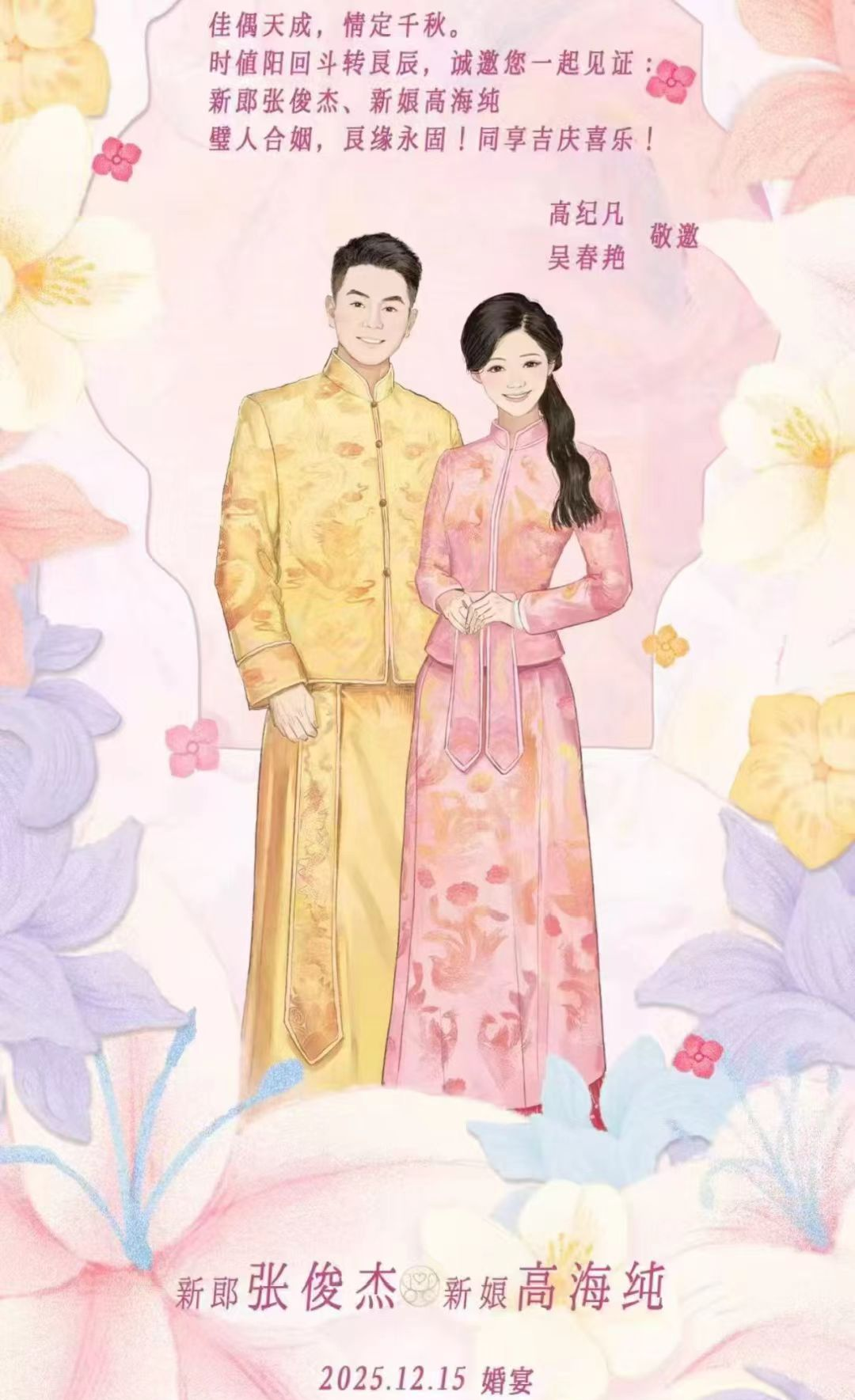
霸王茶姬迎来“老板娘”:出生于1993年,执掌一家光伏上市公司,两家市值之和603亿元
Mei Ri Jing Ji Xin Wen· 2025-11-20 09:16
Group 1: Company Overview - Trina Solar is a leading global provider of photovoltaic smart energy solutions, with main business segments including photovoltaic products, photovoltaic systems, and smart energy solutions [4][6] - Gao Haichun, daughter of Trina Solar's founder, has held various leadership roles within the company, including Vice General Manager of the Strategic Investment Department and Chairman of Trina Wealth Energy Co., Ltd [5][6] Group 2: Financial Performance - Trina Solar reported a revenue of 49.97 billion yuan for the first three quarters of 2025, a year-on-year decline of 20.87%, with a net profit attributable to shareholders of -4.20 billion yuan [8] - In Q3 2025, the company achieved a revenue of 18.91 billion yuan, down 6.27% year-on-year, and a net loss of 1.28 billion yuan [8] Group 3: Market Position and Recognition - The Gao family, including Gao Jifan, ranked 145th on the 2024 Hurun Rich List with a net worth of 14.5 billion yuan, while Gao Haichun was recognized in the 2025 Hurun U40 China Entrepreneur Pioneers list [6] - Trina Solar's stock price is currently at 19.15 yuan per share, with a total market capitalization of approximately 41.735 billion yuan [12] Group 4: Related Company Overview - Bawang Tea Ji, a well-known brand in the new-style tea beverage sector, has expanded its presence significantly since its establishment in 2017, with over 7,000 stores globally [8][10] - Zhang Junjie, the founder of Bawang Tea Ji, has seen his wealth rise to 13.5 billion yuan, making him one of the youngest entrants on the Hurun Rich List [10]
2025中国品牌论坛在河北雄安新区举行
Zheng Quan Shi Bao Wang· 2025-10-29 05:04
Core Viewpoint - The 2025 China Brand Forum was held on October 29 in Xiong'an New Area, Hebei, focusing on the theme "Moving Towards New Directions: New Brands, New Scenarios, New Practices, New Heights" [1] Group 1 - The China Brand Forum is organized by the People's Daily and has been held continuously for 11 sessions since its inception in 2015 [1]
X @外汇交易员
外汇交易员· 2025-10-24 03:33
Policy & Strategy - China's Ministry of Commerce emphasizes that future opening-up and investment attraction will not involve zero-sum games or benefiting oneself at the expense of others [1] - The Ministry aims to vigorously boost consumption and promote the development of Chinese brands to stimulate both goods and services consumption [1]
记者手记丨从“中国制造”到“中国创造”
Xin Hua Wang· 2025-10-16 04:58
Core Insights - The article emphasizes the growing international influence of Chinese brands, highlighting their transition from "Made in China" to "Created in China" and the shift from speed to quality in production [1][2] Group 1: Chinese Brand Development - The number of Chinese brands in the "Global 500" has increased from 13 in 2008 to 69, showcasing significant growth and recognition on the international stage [1] - Brands like BYD have gained visibility and popularity in markets like the UK, becoming one of the fastest-growing electric vehicles [1] - The emergence of companies like DeepSeek and the popularity of products like Pop Mart's trendy toys illustrate the diverse appeal of Chinese brands, targeting emotional needs and fashion trends [1] Group 2: Cultural and Economic Impact - The charm of Chinese cities and their cultural heritage is highlighted as a factor in understanding the success of Chinese brands [2] - The "Belt and Road" initiative is noted for enhancing China's international image by contributing to infrastructure and improving living standards in various regions [2] - The growing recognition of Chinese brands in the UK has created a sense of pressure for local brands to compete internationally, reflecting the dynamics of economic globalization [2]