中德合作

Search documents
访华结束,德国总理“破防”了
商业洞察· 2026-03-02 09:25
Group 1 - The article discusses German Chancellor Friedrich Merz's first visit to China since taking office, highlighting the urgency for Germany to seek economic recovery from China after experiencing negative growth in 2023 and 2024, and near-zero growth in 2025 [4][6]. - Merz's visit is characterized as a "medical consultation" for the German economy, which is under pressure from global trade disruptions and needs to redefine its relationship with China, a crucial market for German exports [6][19]. - The article emphasizes the significance of the trade relationship between Germany and China, noting that by 2025, Germany's trade with China is projected to reach €253 billion, a 2.7% increase year-on-year, while trade with the U.S. is expected to decline by 4.4% [19][20]. Group 2 - The article highlights the visit to Yushu Technology, a Chinese robotics startup, as a symbol of China's technological advancement, showcasing that Chinese companies are no longer just followers but are redefining industry standards [24][28]. - Yushu Technology's ability to produce cost-effective robots, with prices significantly lower than competitors, illustrates the competitive pressure on German manufacturing, which has traditionally relied on high-cost production [29][31]. - The article suggests that Germany's traditional industrial strengths are declining, and the country must adapt to new technologies in AI and robotics to remain competitive [33][45]. Group 3 - The presence of over 30 top German business leaders accompanying Merz indicates the importance of China as a strategic partner for Germany, with a focus on expanding cooperation in various sectors, including new energy and digital economy [35][42]. - The article lists notable companies that participated in the visit, reflecting a broad representation of German industry, from traditional sectors to emerging fields, signaling a shift in focus towards innovation and technology [40][44]. - The increasing interest of German companies in the Chinese market is underscored by a survey indicating that 93% of German firms plan to continue operations in China, with 53% intending to increase investments [45].


欧媒:默茨访华,德中将协力“拉马车”
Xin Lang Cai Jing· 2026-02-28 03:44
Group 1 - The core message of the articles emphasizes the importance of Germany's cooperation with China amidst global uncertainties, highlighting that Germany recognizes the need for close collaboration with Beijing despite existing trade frictions [1][2] - Germany's position as Europe's leading industrial and economic power is crucial in shaping the relationship between China and the EU, with the visit indicating a pragmatic approach to bilateral relations [1] - The visit by German Chancellor Merz is significant for promoting trade with China, which is essential for benefiting the German economy, and it includes a large business delegation from various sectors [2] Group 2 - China is accelerating its globalization, creating investment opportunities for Germany, as Chinese companies seek higher profit margins and view Europe as an attractive market [3] - German companies possess advanced innovative technologies that are still in demand by China, while Germany should also aim to attract top Chinese engineers and digital experts to its economy [3] - The investment environment in Germany poses challenges, as some successful Chinese professionals prefer other destinations like Tokyo and Dubai over Germany [3]
默茨携豪华商务团访华,30秒速览中德友好历程
Zhong Guo Xin Wen Wang· 2026-02-27 01:23
Group 1 - The core point of the article highlights the significance of German Chancellor Merz's visit to China, which is not only a diplomatic mission but also a collective engagement from the German business community [1] - The long-standing partnership between China and Germany has evolved over more than half a century, establishing both countries as important trade partners [1] - The visit aims to discuss cooperation, future opportunities, and the deep friendship that transcends geographical boundaries [1]
默茨访华大合影,哪些中德企业出镜?
Zhong Guo Xin Wen Wang· 2026-02-26 15:11
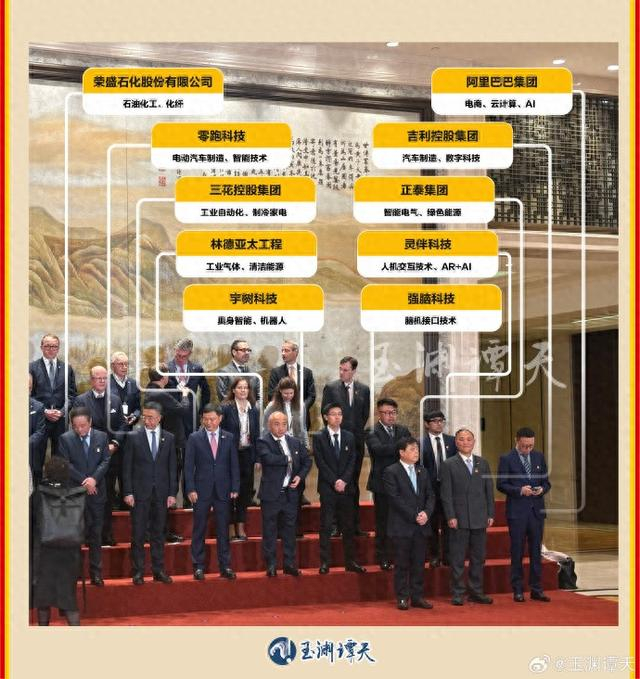
Group 1 - DHL Group's CEO expressed a strong willingness to deepen practical cooperation with China, highlighting the active e-commerce sector in Hangzhou [1] - The visit of German Chancellor Merz to Hangzhou included a large group photo with nearly 30 representatives from German companies, showcasing the latest high point in Sino-German economic cooperation [3] - The photo featured prominent German companies such as BMW, Mercedes-Benz, Siemens, and Adidas, alongside Chinese firms like Alibaba and Geely, indicating a robust partnership between the two nations [3][4] Group 2 - The cooperation between China and Germany in the automotive sector is characterized by multi-layered and multi-dimensional collaboration, with joint ventures like the smart brand established by Geely and Mercedes-Benz [4] - Chinese companies are recognized for their strengths in core components of new energy vehicles, while German firms excel in brand and manufacturing, creating a complementary relationship [5] - The collaboration extends beyond automotive to traditional sectors like chemicals, with calls for re-inventing cooperation methods to adapt to a rapidly changing world [5] Group 3 - Innovative Chinese companies like Yushutech and Qiangnao Technology are collaborating with German industrial giants, indicating a new direction in Sino-German cooperation towards future industries [6] - The visit of Chancellor Merz is seen as an excellent opportunity to establish broader cooperation in the global smart robotics industry [6] - The alignment of China's 14th Five-Year Plan with Germany's new development strategy emphasizes the mutual expectation for pragmatic cooperation to achieve win-win outcomes [7] Group 4 - Lingban Technology's founder noted that Germany is its largest market in Europe, highlighting extensive collaborations with major German automotive companies [8] - The emphasis on green and low-carbon cooperation between the two manufacturing powerhouses is seen as a promising area for future economic collaboration [8] - The visit concluded with Merz expressing positive impressions and the need for both sides to work together on various tasks, marking a meaningful engagement between China and Germany [9]
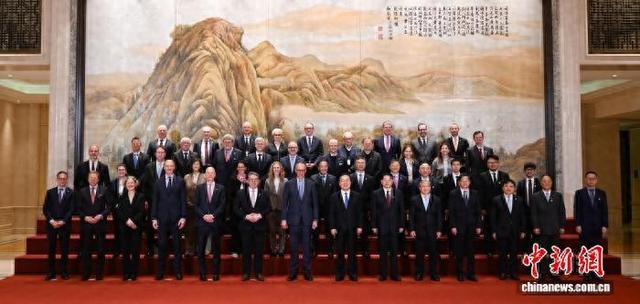
德国总理来杭州见了哪些中方企业,一张合影透露不少信息
Xin Lang Cai Jing· 2026-02-26 12:28
Group 1 - The meeting between German Chancellor Merz and local entrepreneurs in Hangzhou highlights the evolving landscape of Sino-German cooperation, showcasing a diverse range of industries from traditional manufacturing to internet technology and AI [1] - The list of participating Chinese companies includes notable names such as Zhejiang Chint Group, Geely Holding Group, Alibaba Group, and others, indicating a strong representation across various sectors [1] - This gathering reflects the trajectory of China's industrial exploration and suggests potential new directions for collaboration between China and Germany [1]




默茨此访有深意
Xin Lang Cai Jing· 2026-02-26 11:13
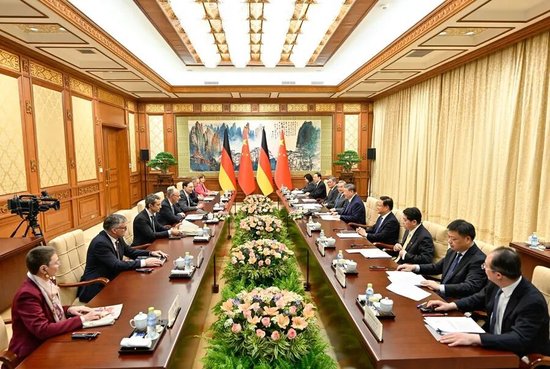
Core Insights - German Chancellor Merz's visit to China marks a significant diplomatic engagement, following visits from other European leaders, indicating a renewed interest in strengthening Sino-German relations [1][14] - The visit reflects a shift in Germany's approach towards China, moving away from labeling it as a "systemic rival" and instead seeking a balanced partnership [3][17] - Economic cooperation is prioritized, with Germany recognizing the need for reliable partners amid rising geopolitical tensions and trade challenges from the U.S. [4][18] Group 1: Diplomatic Context - Merz's visit is his first since taking office and comes after a postponed trip in October, highlighting internal policy disagreements within the German government regarding China [3][16] - The visit aims to recalibrate Germany's China policy, focusing on economic needs and stability in bilateral relations [4][18] - The geopolitical landscape, including U.S. tariffs on European allies, has prompted Germany to seek stronger economic ties with China [4][18] Group 2: Economic Cooperation - The visit included meetings with Chinese leaders and visits to German companies operating in China, emphasizing the importance of economic and technological collaboration [7][20] - A large business delegation accompanied Merz, indicating strong interest from German companies in deepening trade relations with China [7][21] - Current trade figures show that Sino-German trade exceeds $200 billion, with over 5000 German companies operating in China, underscoring the mutual benefits of cooperation [8][22] Group 3: Future Opportunities - The alignment of Germany's new development strategies in technology and innovation with China's 14th Five-Year Plan presents new avenues for collaboration [11][24] - Both countries are focusing on green and digital transformations, which could lead to complementary advantages in various sectors, particularly in electric vehicles [11][25] - Merz's visit aims to address trade imbalances and overcapacity issues, emphasizing the need for German companies to adapt and collaborate effectively with China [11][25] Group 4: Strategic Recommendations - Germany should maintain a consistent and stable policy towards China, based on comprehensive dialogue and understanding [12][26] - It is crucial to convert the agreements reached during high-level meetings into actionable policies and projects to reinforce bilateral trust [12][26] - Germany's approach to China should remain independent of external pressures, particularly from third countries, to foster a constructive relationship [12][26]
解码中德合作的“太仓样本”
Ren Min Ri Bao· 2026-02-26 00:01
Core Insights - Taicang has become a hub for German enterprises, with over 560 companies established, showcasing its unique appeal to German businesses and talent [1][3]. Group 1: Industry Attraction - The initial attraction of Taicang for German companies began with the establishment of the first German enterprise in 1993, leading to a significant increase in the number of German firms, from 10 in 2000 to over 500 by 2024 [3]. - The rapid growth of German enterprises in Taicang is attributed to its favorable investment environment, efficient government services, and comprehensive industrial support, creating a magnetic effect for new businesses [3][4]. Group 2: Long-term Commitment - German companies view their presence in Taicang as a long-term investment rather than a short-term profit opportunity, with firms like Kern-Liebers evolving from small operations to significant players with annual revenues exceeding 1.5 billion RMB [4]. - Taicang has become home to nearly 10% of China's manufacturing German enterprises and over 60 industry "hidden champions," indicating a robust industrial ecosystem [4]. Group 3: Community Integration - Over 1,000 Germans have settled in Taicang, forming a community that integrates into local life, with many expressing a strong sense of belonging and comfort in their new environment [6][7]. - The city has developed a "German lifestyle circle," addressing the needs of German expatriates in areas such as transportation, healthcare, and cultural activities, enhancing their living experience [7][9]. Group 4: Industrial Ecosystem - Taicang has established three main industrial clusters led by German enterprises: automotive parts, high-end equipment, and new energy, supported by over a thousand related companies [8]. - The local supply chain efficiency significantly reduces logistics and time costs for German companies, fostering a conducive environment for growth and expansion [8]. Group 5: Government Support - The Taicang government actively supports businesses, exemplified by the rapid establishment of new projects, such as the 100 million Euro investment by Berman Group, which was completed in just 115 days [8]. - The government’s attention to detail and commitment to facilitating business operations aligns well with the operational philosophies of German enterprises, contributing to their confidence in the region [8]. Group 6: Future Prospects - Taicang aims to continue enhancing its role as a center for German investment, focusing on qualitative improvements in cooperation and integration within the broader context of national economic openness [9].
许昌与德国的这场“跨国联姻”咋这么甜
He Nan Ri Bao· 2026-02-25 23:26
Group 1 - The core viewpoint of the articles highlights the rapid development and successful implementation of German enterprises in Xuchang, showcasing the efficiency of local governance and innovative policies that facilitate foreign investment [2][3]. - Xuchang has established itself as a benchmark for Sino-German cooperation, particularly for small and medium-sized enterprises, by creating a conducive business environment that emphasizes certainty over incentives [3]. - The introduction of the "land supermarket" system in Xuchang has significantly accelerated project timelines, allowing companies to start operations almost immediately after signing contracts [2]. Group 2 - The establishment of the Sino-German (Xuchang) International Cooperation Industrial Park has attracted numerous leading German companies, creating a strong industrial cluster and enhancing the region's appeal for foreign investment [3]. - Xuchang Vocational and Technical College has implemented a dual education system in line with German standards, producing over 300 students with internationally recognized qualifications, thus addressing the local industry's skill needs [4][5]. - Collaborative initiatives between Xuchang and German entities, such as the establishment of a sustainable energy management innovation center, signify a shift from mere investment to comprehensive industrial integration and talent development [6].
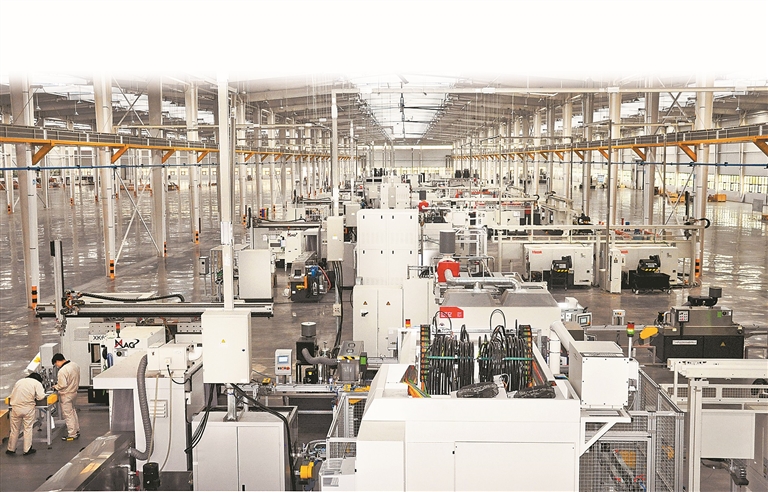
一座江南小城何以集聚560多家德企——解码中德合作的“太仓样本”
Ren Min Ri Bao· 2026-02-25 22:10
Core Viewpoint - Taicang has become a significant hub for German enterprises, attracting over 560 companies due to its favorable investment environment and strong industrial ecosystem [3][4]. Group 1: Industrial Attraction - The presence of German companies in Taicang has grown exponentially, from 1 company in 1993 to over 500 expected by 2024, demonstrating a rapid increase in investment and collaboration [3][4]. - Taicang's strategic location near Shanghai, along with its efficient logistics and high-quality workforce, has made it an attractive destination for German businesses [3][4]. - The city has developed a robust industrial cluster focused on automotive parts, high-end equipment, and new energy, with over 1,000 supporting enterprises [8][9]. Group 2: Long-term Commitment - German companies view their investments in Taicang as long-term commitments rather than short-term opportunities, with many expanding their operations significantly [4][6]. - The success of companies like Kern-Liebers, which has grown to an annual output value exceeding 1.5 billion RMB, exemplifies the potential for growth in the region [4][6]. - The collaborative environment among German firms in Taicang has led to the establishment of a complete industrial chain, enhancing operational efficiency [4][8]. Group 3: Community Integration - Over 1,000 Germans have settled in Taicang, forming a community that integrates into local life, reflecting a strong sense of belonging [6][7]. - The city has tailored services to meet the needs of German expatriates, including cultural and educational initiatives, which foster a welcoming environment [7][9]. - The introduction of the "Hi Taicang Card" enhances convenience for residents, showcasing the city's commitment to improving the quality of life for foreign professionals [7][9]. Group 4: Government Support - Taicang's government plays a crucial role in facilitating business operations, providing detailed timelines and support for new projects, which aligns with the operational philosophies of German companies [8][9]. - The local administration's focus on creating a favorable business ecosystem has resulted in significant investments, such as the 100 million Euro project by Berman Group, which was completed in just 115 days [8][9]. - The government's attention to detail and commitment to supporting enterprises have contributed to a stable and reassuring environment for business growth [8][9].
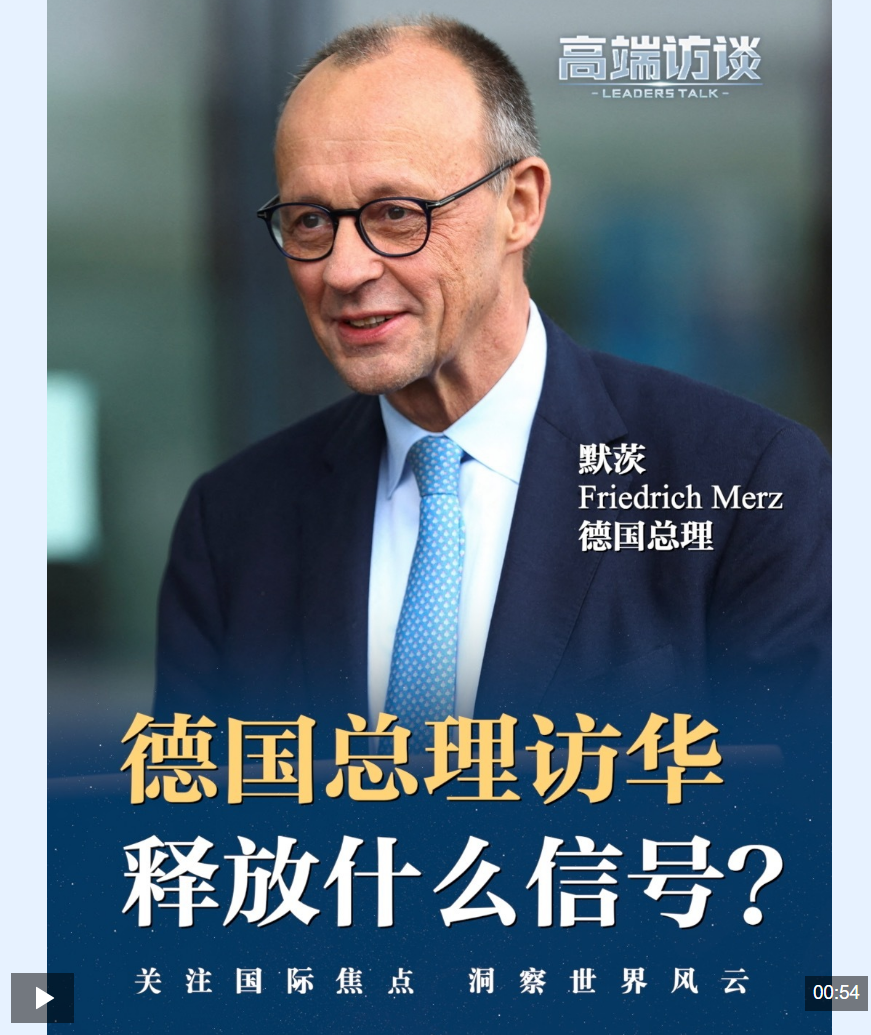
高端访谈丨德国对外贸易协会主席:德总理访华是持续合作的信号
Yang Shi Xin Wen Ke Hu Duan· 2026-02-25 13:16
Group 1 - The core message of the article highlights German Chancellor Merkel's upcoming official visit to China as a signal of ongoing cooperation and a pragmatic economic approach [2] - The delegation accompanying the Chancellor is noted to be the largest since the Merkel era, indicating strong commitment from the German economy and industry towards collaboration with China [2] - The article mentions that three European leaders have visited China this year, suggesting that dialogue with China remains a priority and that many recognize China as a stable anchor in a turbulent world [2]