
人口服务体系

Search documents
建立健全覆盖全人群全生命周期的人口服务体系|政策与监管
清华金融评论· 2026-02-11 09:29
Core Viewpoint - The article emphasizes the importance of high-quality population development in the context of China's modernization, highlighting the need for a comprehensive population service system that integrates investment in both material and human resources to ensure sustainable social development [1][2][3]. Group 1: Population Development Trends - Since 1992, China's total fertility rate has been below the replacement level of 2.1, dropping to 1.3 in 2020, indicating a shift to ultra-low fertility levels [4]. - The aging population is rapidly increasing, with projections indicating that by 2025, the number of individuals aged 60 and above will exceed 320 million, and by 2035, it will surpass 400 million [5]. - The transition from population growth to decline is characterized by trends such as low birth rates, aging, and regional population disparities, necessitating a shift from balanced development to high-quality development in population support systems [3][4]. Group 2: Policy Recommendations - A comprehensive approach is required to address the challenges of low birth rates and an aging population, emphasizing the need for coordinated policies that enhance the quality of life and support for families [4][5]. - The establishment of a population service system that covers all demographics and life stages is crucial, focusing on the needs of both the elderly and children [7][9]. - The integration of economic and social policies is essential to enhance the effectiveness of population services, ensuring that they are accessible, equitable, and professional [10][11]. Group 3: Systemic Reforms - Systematic reforms are necessary to break down barriers in the population service system, ensuring that it is comprehensive and coordinated across various sectors [9][13]. - The article calls for a unified leadership approach to population service system construction, emphasizing the importance of integrating various policies and resources to support population development [15]. - Financial mechanisms need to be optimized to ensure sustainable funding for population services, including childcare and elderly care, while also addressing the need for skilled personnel in these sectors [16][17].

人民日报今日谈:政策托底,为生育护航
Xin Lang Cai Jing· 2026-01-16 23:16
Group 1 - The article emphasizes the implementation of policies aimed at reducing the financial burden of childbirth, including the full rollout of childcare subsidies and increased coverage for prenatal care costs, leading to a goal of "no out-of-pocket" expenses for childbirth within pilot areas [2][6] - The policies are designed to address various challenges faced by families, such as difficulties in accessing childcare and education, with initiatives like free preschool education and housing benefits for families with multiple children [7][8] - The article highlights the importance of creating a supportive environment for childbirth, which includes ensuring the enforcement of maternity and parental leave policies and challenging outdated societal norms that place burdens on young people regarding marriage and relationships [8] Group 2 - The article mentions the goal of establishing a comprehensive population service system that covers all demographics and life stages during the "14th Five-Year Plan" period, indicating a move towards a more family-friendly society [3][8] - It expresses optimism that with the introduction of more favorable policies, many families will achieve "stable happiness" [3]
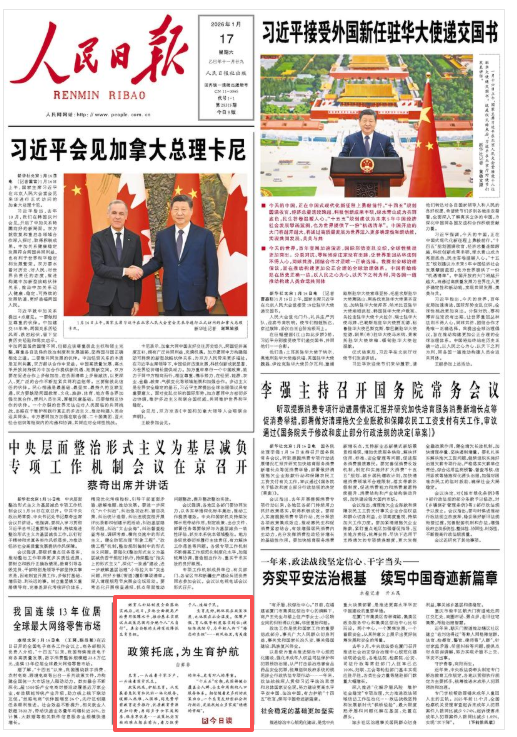
浙江杭州银龄教育更普惠
Ren Min Ri Bao· 2025-12-07 10:08
Core Viewpoint - The article highlights the development of a comprehensive population service system that covers all demographics and life stages, particularly focusing on the elderly education initiatives in Hangzhou, Zhejiang Province. Group 1: Elderly Education Initiatives - The elderly education program in Yuhang District, Hangzhou, has expanded from initial pilot projects to include various free courses such as bamboo flute, Tai Chi, and calligraphy, attracting significant enrollment [2][3]. - The program has seen a growth in class sizes, with the number of participants increasing from 20 to around 30 per class, indicating rising interest and demand for these educational offerings [3]. - A survey conducted with over 2,000 responses has led to the introduction of new courses and the division of classes into basic and advanced levels, enhancing the educational experience for elderly participants [3][4]. Group 2: Community Engagement and Resources - The elderly education services have extended beyond urban areas to rural towns, with the number of classes in Pingyao Town increasing from 3 to 21, demonstrating the program's reach and impact [4]. - The initiative has successfully engaged local talents, including retired teachers and professionals, to create a dynamic and updated pool of instructors for the courses [3]. - By the end of last year, Hangzhou had established 2,571 elderly education points, attracting 135,500 elderly learners and forming 2,082 registered elderly art teams, showcasing the program's extensive community involvement [4].
两条主线解题“十五五”人口变局
2 1 Shi Ji Jing Ji Bao Dao· 2025-11-13 14:21
Core Viewpoint - The article discusses the ongoing transformation of China's population structure, highlighting the increasing proportion of elderly individuals and the declining share of the youth population, as indicated by the latest statistics from the "China Statistical Yearbook (2025)" [2][5]. Population Structure Changes - In 2024, the proportion of the population aged 0-14 is projected to be 15.81%, while those aged 65 and above will reach 15.66%, indicating a near parity between these age groups [5][6]. - By 2024, 19 provinces will have over 14% of their population aged 65 and above, with 8 provinces exceeding 18%, up from 7 in 2023 [2][5]. - The elderly population is expected to surpass the youth population in the near future, with significant implications for labor demographics and social services [5][7]. Regional Population Dynamics - Different provinces exhibit varying population structures, with some like Shanghai showing a high elderly population (20.25%) compared to a low youth population (9.50%) [8]. - Regions such as Guangdong and Guizhou have a high youth population but lower elderly proportions, while others like Hunan and Hebei have balanced demographics [8]. Policy Recommendations - The "Guidance Document" emphasizes the need to develop a comprehensive population service system that addresses marriage, childbirth, education, employment, healthcare, housing, and elderly care [11][12]. - Key tasks include promoting positive attitudes towards marriage and childbirth, improving maternity insurance, and developing inclusive childcare services [12]. Employment of the Elderly - The article highlights the importance of utilizing elderly human resources, with the average life expectancy in China reaching 79 years in 2024, an increase of 3.6 years since 2012 [14]. - There is a call for creating a friendly employment environment for the elderly, including optimizing age restrictions in employment and developing diverse job opportunities for older workers [3][14]. Educational and Training Initiatives - The need for a training system for elderly employment skills is emphasized, particularly in digital literacy and job-specific skills [16][17]. - Programs like the "Silver Age Plan" aim to recruit retired teachers to enhance educational quality in rural areas, demonstrating the potential for elderly individuals to contribute positively to society [17].

“十五五”规划建议:健全覆盖全人群、全生命周期的人口服务体系
Di Yi Cai Jing· 2025-10-28 08:53
Core Viewpoint - The article emphasizes the importance of promoting high-quality population development and establishing a comprehensive population service system throughout the life cycle [1] Group 1: Population Development Policies - The proposal advocates for a positive marriage and childbirth perspective, optimizing birth support policies and incentives to effectively reduce family costs related to childbirth, upbringing, and education [1] - It suggests improving the maternity insurance system and implementing maternity leave policies, along with early pregnancy care initiatives and plans to enhance capabilities in preventing birth defects [1] Group 2: Childcare and Elderly Care Services - The article highlights the need for deepening pilot projects for childcare service subsidies and developing inclusive childcare and integrated early childhood education services [1] - It calls for strengthening health services for women and children, actively addressing population aging, and establishing a collaborative development policy mechanism for elderly care and industry [1] Group 3: Elderly Care and Employment Policies - The proposal includes optimizing the supply of basic elderly care services and improving the urban-rural elderly care service network, along with enhancing public facilities for the elderly [1] - It emphasizes the development of integrated medical and elderly care services, promoting long-term care insurance, and establishing a care system for elderly individuals with disabilities or dementia [1] - The article suggests a gradual implementation of a delayed retirement age policy, optimizing age restrictions in employment and social security, and actively developing the elderly workforce to promote the silver economy [1]
投资于人,把好政策落细落实(编辑手记)
Ren Min Ri Bao· 2025-07-30 22:03
Core Viewpoint - The implementation of a nationwide cash subsidy for child-rearing is a significant measure aimed at improving people's livelihoods and supporting long-term development [1] Group 1: Policy Principles - The principles guiding the effective implementation of the subsidy include "improving livelihoods, benefiting the people," "coordinated connection, ensuring fairness," "doing what is feasible, within capacity," and "safety regulations, simplicity and ease of use" [1] - The complexity of the nationwide child-rearing subsidy requires optimization of work processes, accountability in management, and improved service efficiency to ensure successful execution [1] Group 2: Policy Development - The initiative includes direct disbursement of maternity insurance benefits to insured individuals and the gradual promotion of free preschool education measures [1] - The goal is to enhance the supportive policy framework and incentive mechanisms to foster a child-friendly society, thereby providing robust support for high-quality population development [1] Group 3: Population Service System - Emphasizing policy collaboration and investing in human resources, the aim is to accelerate the establishment of a comprehensive population service system that covers all demographics and life stages [1] - This approach is essential for addressing the critical issue of population development, which is vital for the sustainable future of the Chinese nation and the well-being of millions [1]