
人工智能资本开支泡沫

Search documents
一年一代逼死客户,英伟达 Rubin 登场,AI 资本开支泡沫破裂倒计时
3 6 Ke· 2026-01-09 03:30
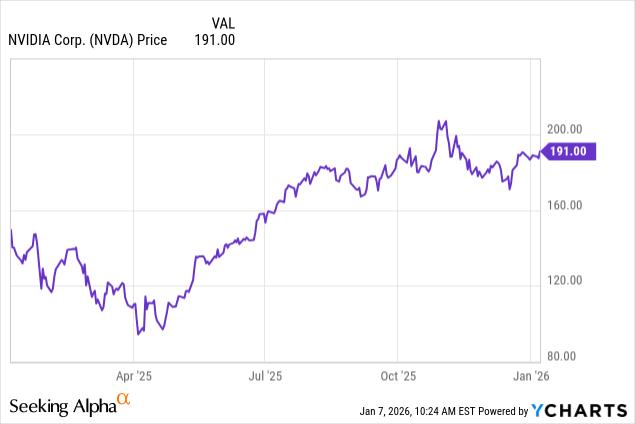
Core Viewpoint - Analysts maintain a "sell" rating on Nvidia (NVDA) due to concerns over slowing growth and high valuation, despite a recent recovery in growth as indicated by the latest quarterly earnings report [1] Group 1: Nvidia's Market Position and Performance - Nvidia's stock price has remained relatively stable since August, indicating a potential peak [1] - The company has released its third-generation AI platform, Rubin, which significantly outperforms the previous Blackwell platform, reducing inference token costs by up to 90% and improving efficiency by 400% [6][8] - The annual iteration of new AI chips is crucial for Nvidia to meet revenue growth expectations, similar to Apple's strategy with iPhones [4] Group 2: Industry Concerns and Risks - The AI sector is viewed as a bubble, with capital expenditures unlikely to yield profits, raising concerns about a potential market collapse if spending slows [3] - Major cloud service providers are extending the depreciation period of AI chips to artificially inflate profit margins, which may lead to significant write-downs once new chips are released [4][6] - The reliance on debt financing for AI capital expenditures among companies indicates a shift towards a credit crisis within the AI industry [10][11] Group 3: Future Outlook and Challenges - The upcoming CES in 2027 raises questions about Nvidia's ability to innovate and maintain its product cycle, which is critical for sustaining its valuation [12] - If Nvidia fails to keep up with its annual product updates, the implied growth expectations in its valuation may not be met, leading to a potential stock price decline [13] - The current AI commercialization process is lagging behind capital expenditure needs, posing operational challenges for Nvidia and the broader industry [16]


一年一代逼死客户!英伟达 Rubin 登场,AI 资本开支泡沫破裂倒计时
美股研究社· 2026-01-08 11:27
Core Viewpoint - Analysts maintain a "sell" rating on Nvidia (NVDA) due to concerns over slowing growth and high valuation, despite a recent recovery in growth as indicated by the latest quarterly earnings report [1][2]. Group 1: Growth and Valuation Concerns - Nvidia's stock price has remained stagnant since August, indicating a potential peak [1]. - The analyst's bearish outlook extends beyond just "slowing growth + high valuation" leading to valuation compression [2]. Group 2: AI Industry Bubble Concerns - The AI sector's capital expenditures are unlikely to generate profits, suggesting it is in a bubble that could burst if spending growth slows [5]. - Michael Burry's short position on Nvidia has drawn attention to the potential risks in the AI industry [5]. - Burry argues that large cloud service providers are artificially inflating profit levels by extending the depreciation period of AI chips [5]. Group 3: Product Lifecycle and Market Dynamics - Nvidia's new chips follow an annual iteration cycle, similar to Apple's iPhone strategy, which is crucial for meeting revenue growth expectations [5]. - The depreciation period set by cloud service providers for AI chips (5-6 years) exceeds their actual lifespan, leading to potential write-downs when new chips are released [5][6]. - The recent launch of Nvidia's third-generation AI platform, Rubin, has rendered the previous Blackwell platform nearly obsolete [7][8]. Group 4: Financial Implications and Credit Risks - The introduction of the Rubin platform, which significantly reduces inference token costs and improves efficiency, raises concerns about the financial health of cloud service providers [9][11]. - Many cloud service providers are now relying on debt issuance to fund AI capital expenditures, indicating a shift towards a credit crisis in the AI sector [11][12]. - Companies with weak balance sheets, such as CoreWeave and Oracle, are experiencing rising credit default swap spreads, indicating increased default risk [12]. Group 5: Future Outlook and Market Trends - The upcoming CES in 2027 raises questions about Nvidia's next product and whether it will be a disruptive innovation [12]. - If Nvidia cannot maintain its annual iteration pace, the implied growth expectations in its valuation may not be met, leading to a potential stock price drop [13]. - The AI industry's capital expenditures are substantial, and Nvidia holds a near-monopoly in the AI accelerator market, complicating the competitive landscape [13][14]. - The potential for significant growth in the application of agentic AI by 2026 is a key trend to monitor, as is the ability of AI application companies to achieve profitability [14].
渣打:料恒指明年达28000-30000点 基本情境下美联储明年将减息3次
Zhi Tong Cai Jing· 2025-12-17 06:01
Core Viewpoint - The investment outlook for the Chinese stock market is positive, with expectations of a rebound in earnings growth from a low base in 2025, leading to an upgrade in valuation attractiveness [1] Group 1: Chinese Stock Market - Standard Chartered maintains an overweight position on Chinese stocks, predicting the Hang Seng Index to range between 28,000 and 30,000 points over the next 12 months [1] - If investment sentiment deteriorates or if there is insufficient policy support, the index could drop to a range of 26,000 to 28,000 points [1] - Concerns about asset valuation and potential bubbles in artificial intelligence capital expenditure may increase next year, with volatility being more significant than the bubble debate [1] Group 2: Interest Rates and Economic Outlook - The Federal Reserve is expected to cut interest rates three times next year, with a potential total reduction of 75 basis points by the end of 2026 [1] - The macroeconomic outlook remains favorable for risk assets, supported by anticipated interest rate cuts [1] Group 3: Investment Strategy - The company suggests a diversified investment strategy, recommending an overweight position in gold and global equities while reducing exposure to European (excluding the UK) and Japanese stocks [1] - India is recommended for an overweight position due to its favorable outlook [1] Group 4: Emerging Bonds and Gold - The company is overweight on emerging market bonds, expecting them to outperform developed markets as U.S. 10-year Treasury yields may fall to between 3.75% and 4% over the next 12 months [2] - Gold is anticipated to challenge new highs, with spot gold potentially reaching $4,800 next year as central banks and investors seek alternatives to the dollar [2]