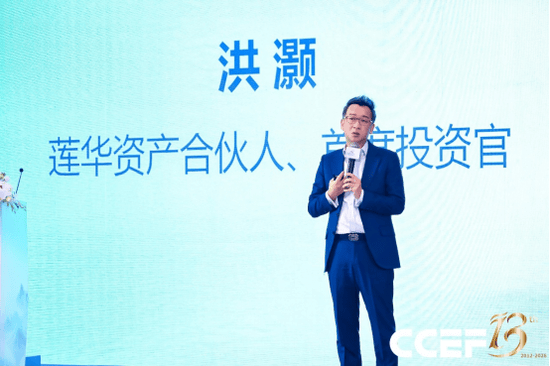
伟大的泡沫

Search documents
洪灝最新观点:2026大概率会诞生一个伟大的泡沫
Sou Hu Cai Jing· 2026-01-23 19:47
Group 1 - The core viewpoint of the article is that the Federal Reserve is likely to continue lowering interest rates in January 2026, which is expected to impact liquidity and asset prices significantly [3][19]. - The current tightening of short-term liquidity in the U.S. is evident, with repo rates exceeding the benchmark rate, prompting the Fed to expand its balance sheet and lower rates [4][18]. - Forward inflation expectations in the U.S. are unlikely to decline, and if the Fed persists in lowering rates amidst high inflation expectations, it could weaken the dollar's credibility and drive up precious metal prices [5][27]. Group 2 - Gold is currently viewed as fairly valued at around $4,500 per ounce, serving as an anchor for all valuations in a new credit system [6][25][26]. - The price of silver is expected to continue rising, with the potential for significant upward movement as it has not yet reached its peak [8][31]. - Global liquidity conditions are on the rise, which is anticipated to benefit asset classes anchored by gold [10][11][38]. Group 3 - The year 2026 is predicted to be at the peak of a long-term cycle for stock market returns, likely leading to the creation of a significant bubble, presenting investment opportunities [12][46][53]. - The current environment is favorable for risk investments, with a recovery in market sentiment and strong performance in technology and industrial metal sectors [54][56]. - The Chinese yuan is expected to appreciate significantly, with its long-term undervaluation providing a solid foundation for this trend [63][70].

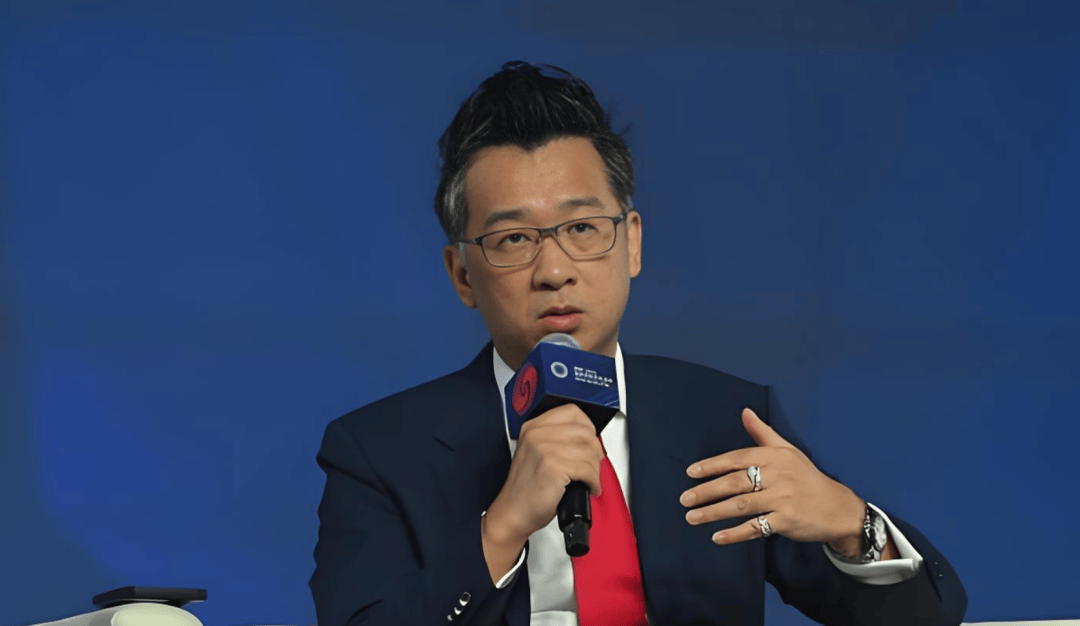
汇正财经参与2026中国首席经济学家论坛年会,热议资本市场新年开局机遇
Cai Fu Zai Xian· 2026-01-13 08:17
Group 1 - The China Chief Economist Forum annual conference was held in Shanghai, focusing on the theme "Chess in the Middle Game: Building a Strong Nation" with participation from over 50 chief economists and more than 500 experts from various sectors [1] - The forum highlighted the need for China to provide stability to the global economy through its own stable development, as global growth is expected to remain low and uneven [3] - A significant shift in China's financial structure is occurring, with a decrease in the proportion of indirect finance and an increase in direct finance [3][4] Group 2 - The forum discussed the necessity of gradual monetary easing, including interest rate cuts, to guide the economy towards stability and recovery [4] - The development of AI is seen as crucial for creating a complete industrial ecosystem that can transform substantial capital investments into economic value [5] - Predictions for 2026 include the emergence of significant economic bubbles, particularly in gold and AI, driven by technological advancements and resource needs [6][8] Group 3 - The core themes of China's 14th Five-Year Plan emphasize domestic demand, technology, and openness, aiming to establish a unified national market and promote technological breakthroughs [9] - Digital consumption is identified as a key growth area for China's economy, with substantial potential for expansion during the 14th Five-Year period [10] - The forum served as a platform for discussing high-quality development paths for the capital market, with insights aimed at helping investors navigate current market conditions [12][13]
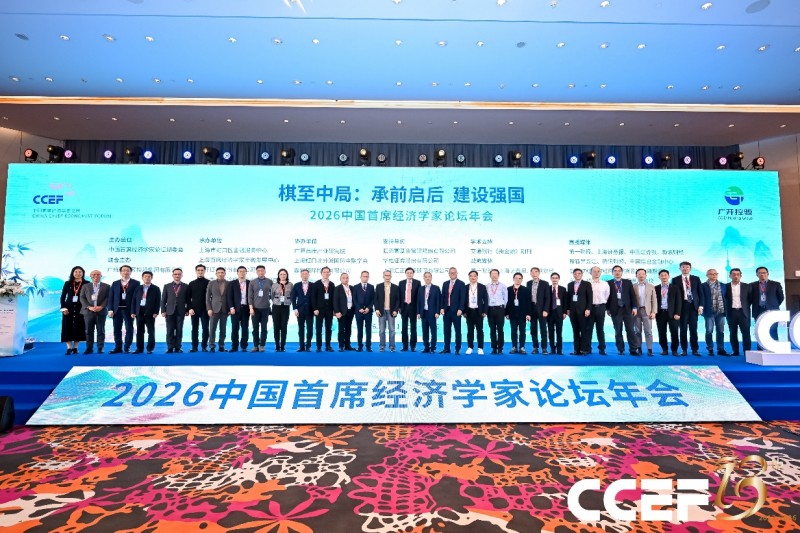
洪灏:当前全球主要央行均进入扩表周期,流动性充沛叠加周期顶峰效应,大概率将催生一轮“伟大的泡沫”
Sou Hu Cai Jing· 2026-01-11 13:09
Core Viewpoint - The presentation discusses the outlook for 2026, emphasizing the implications of the Federal Reserve's monetary policy and its effects on the U.S. economy and global markets [3]. Group 1: Federal Reserve and Economic Impact - The Federal Reserve's balance sheet has decreased from a peak of $9.1 trillion in 2022 to just over $6 trillion, resulting in a $3 trillion reduction [3]. - As the Fed's balance sheet shrinks, new job growth in the U.S. continues to decline, significantly impacting low-income groups [3]. - The tightening of short-term liquidity has led to a significant rise in repo rates, affecting various financial market operations, including hedge fund arbitrage costs [3]. Group 2: U.S.-China Relations and Inflation - China's current account surplus continues to reach new highs, with strong export performance that constrains the downward potential of U.S. long-term inflation expectations [4]. - The U.S. yield curve is expected to steepen, with long-term rates remaining high due to persistent inflation expectations, while short-term rates decline as the Fed cuts rates [4]. - If U.S. long-term inflation expectations remain uncontrolled, further Fed rate cuts could weaken the dollar's credibility and drive up precious metal prices [4]. Group 3: Precious Metals Outlook - Gold is projected to have a fair value between $4,300 and $4,500, based on a "cup and handle" technical pattern, indicating a high probability of price increase [5]. - Silver has formed a textbook "cup and handle" pattern over 60 years, suggesting significant upside potential, with prices expected to rise alongside gold [6]. - Global liquidity is on the rise, aligning with the Fed's easing policies, which supports the bullish outlook for both gold and silver [7]. Group 4: Investment Strategies and Market Cycles - The historical relationship between gold and the S&P 500 indicates that gold often serves as a safe-haven asset, with both assets sometimes moving in tandem [8]. - The S&P 500 is currently at a cyclical peak, with historical patterns suggesting that this phase may lead to asset bubbles, particularly in neglected assets and new asset classes like cryptocurrencies [9]. - The current global liquidity environment, combined with the peak of the market cycle, is likely to create a "great bubble," presenting significant investment opportunities [9].