体验式经济

Search documents
第29届四川年货节启幕 释放春节消费新活力
Zhong Guo Xin Wen Wang· 2026-01-30 09:17
Core Insights - The 29th China (Sichuan) New Year Goods Shopping Festival opened in Chengdu, themed "Shopping Global New Year Goods, Sharing a Beautiful Life" [1] - The festival features a large exhibition area of 50,000 square meters, showcasing over 100,000 quality New Year goods from around the world [1] - The event emphasizes internationalization and aims to create a "global New Year flavor" experience, with products from 36 countries and regions [1] Group 1: Event Highlights - The festival includes participation from nearly 1,000 domestic and foreign enterprises, representing 30 provinces and regions, and 21 cities in Sichuan [1] - A significant focus is on green and smart consumption, with policies supporting the replacement of old appliances, leading to strong performance in major goods sectors like home appliances and automobiles [1] - Brands such as Changhong, Midea, and NIO are showcasing their latest technological innovations, promoting the concept of upgrading to smart appliances and new energy vehicles for the New Year [1] Group 2: Cultural and Social Aspects - The festival features a dedicated area for renowned Chinese liquor, highlighting the cultural significance of liquor in social interactions during the New Year [2] - The event aims to bridge the gap between liquor producers and consumers, enhancing the market for Sichuan liquor and promoting its quality and reputation [2] - A notable change in this year's festival is the integration of shopping, entertainment, and social interaction, creating a multifaceted consumer experience [3] - Traditional performances and food events are incorporated, enhancing the interactive experience for attendees beyond mere shopping [3]
网红老茶馆,挤满老年人
投中网· 2025-11-20 03:45
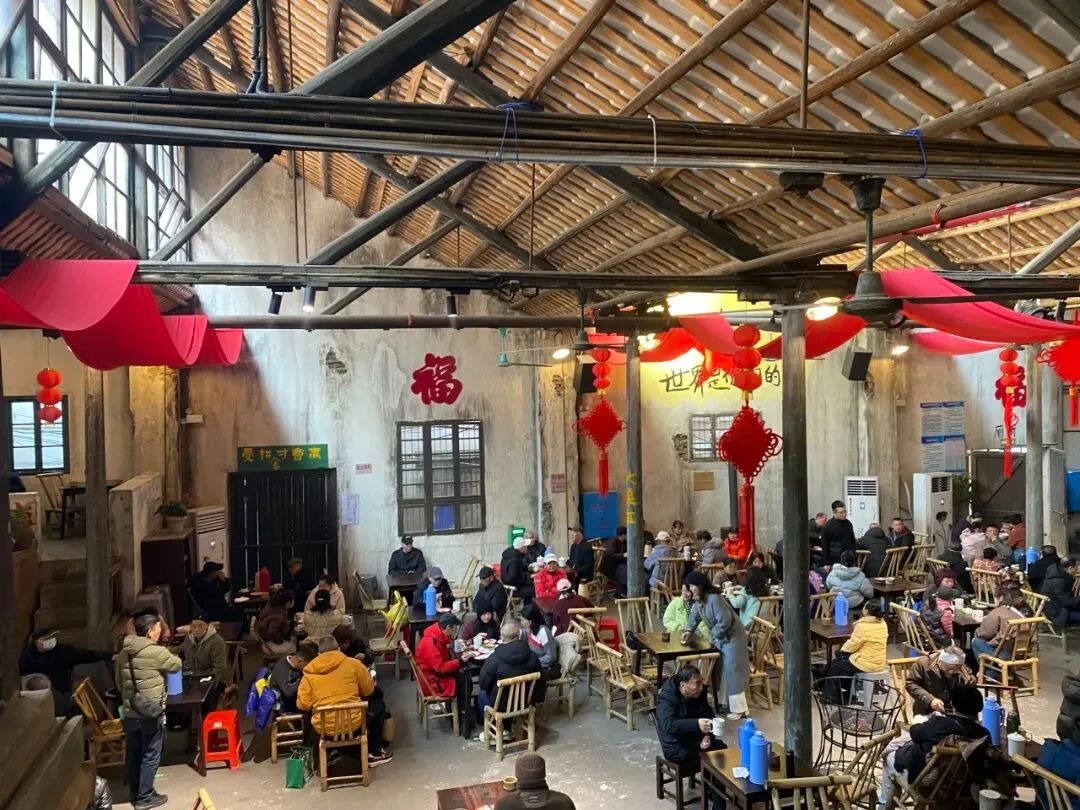
Core Insights - The article discusses the rising popularity of traditional tea houses in various cities, particularly in Changsha, where they have become cultural landmarks and social hubs for both older and younger generations [6][21][22]. Group 1: Popularity and Customer Demographics - The old tea houses have become hot spots, with daily customer flows exceeding thousands, such as the Dongmao Street Tea House, which recorded a peak of 15,000 visitors in a single day [10][11]. - Despite their popularity on social media, the primary clientele remains local middle-aged and elderly individuals who frequent these establishments for socializing and leisure activities [21][22][23]. Group 2: Business Model and Pricing Strategy - These tea houses operate large spaces, often exceeding 1,000 square meters, while maintaining low prices, such as 6 yuan per cup of tea, which encourages long stays and repeat visits [12][13][14]. - The pricing strategies include tiered pricing based on time of day, with some tea houses offering drinks at lower prices during morning hours [16]. Group 3: Cultural and Social Significance - The tea houses serve as venues for cultural experiences, often incorporating local history and nostalgia through their decor and offerings, which resonate with older customers [21][22]. - They also provide a platform for community engagement, where local residents can gather, share stories, and enjoy traditional performances, enhancing their role as cultural hubs [18][22]. Group 4: Expansion and Future Prospects - The article notes that many of these tea houses are expanding their product offerings to include retail and cultural merchandise, which could become significant revenue streams [17][19]. - The focus on creating a comfortable and pressure-free environment for customers is seen as a key to sustaining their popularity and profitability [16][18].


网红老茶馆,挤满老年人
3 6 Ke· 2025-11-18 12:14
Core Insights - The rise of traditional tea houses across various cities in China is significantly supported by the elderly demographic, who frequent these establishments for social interaction and leisure [1][20][24] - These tea houses, such as Dongmao Street Tea House in Changsha, have become cultural landmarks and popular social media spots, attracting large crowds daily [2][3][26] Summary by Sections Popularity and Customer Base - Traditional tea houses are gaining immense popularity, with some locations like Dongmao Street Tea House receiving up to 15,000 visitors in a single day and averaging over 3,000 daily [3][5] - The primary customer base consists of local middle-aged and elderly individuals, who often occupy the majority of the seating [20][22][24] Business Model and Pricing Strategy - These tea houses operate large spaces (around 5,000 square meters) while maintaining low prices, such as 6 yuan per cup of tea, and do not prioritize high turnover rates [10][11] - The pricing strategies include affordable options that allow customers to spend extended periods in the tea houses, with some establishments offering meals and snacks at low prices [12][15][16] Location and Design - Many tea houses are situated in repurposed buildings, avoiding prime commercial locations to reduce costs, such as Dongmao Street Tea House, which was transformed from an abandoned factory [11][12] - The design often incorporates local cultural elements and nostalgia, appealing to the emotional connections of older customers [22][24] Product Offering and Experience - The tea houses provide a variety of food and beverage options, catering to different meal times and customer preferences, thus enhancing the overall experience [12][16] - There is a growing trend of integrating cultural and retail products, with some tea houses offering unique local merchandise and experiences to deepen customer engagement [18][19] Social Dynamics - The tea houses serve as social hubs for the elderly, providing a space for community interaction, which in turn attracts younger customers and tourists during peak hours [20][27] - The vibrant atmosphere created by the elderly patrons contributes to the tea houses' appeal, as their presence adds to the authenticity and charm of the experience [25][26]
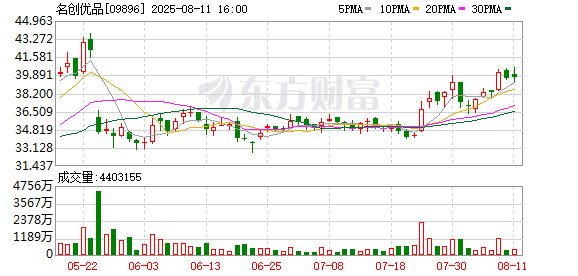
潮玩场景“商战“?泡泡玛特泰国新店被指“撞脸”名创优品
Zhong Guo Jing Ying Bao· 2025-08-11 12:19
Core Viewpoint - The recent controversy between Pop Mart and Miniso highlights the competitive landscape in the trendy toy market, with allegations of design similarities between their flagship stores in Thailand and Shanghai [1][2]. Group 1: Company Strategies - Miniso adopts a direct sales model in high-potential markets like the US and India, while using an agency model in regions like Europe and Southeast Asia, partnering with local retail firms [2]. - Pop Mart's flagship store in Thailand spans over 760 square meters, showcasing local cultural elements and a vibrant design aimed at creating an immersive experience for consumers [2]. - Miniso's MINISO LAND flagship store covers nearly 2000 square meters, featuring narrative layouts and interactive elements to establish a new IP-themed amusement park [2]. Group 2: Market Trends - The current consumer trend is shifting towards an "experience economy," where immersive shopping experiences are prioritized, making store design and location critical for brand competitiveness [3]. - The design of retail spaces serves as a significant symbol for brands, enhancing their perceived value and long-term brand equity in local markets [3].

潮玩场景“商战”?泡泡玛特泰国新店被指“撞脸”名创优品
Zhong Guo Jing Ying Bao· 2025-08-11 12:11
Group 1 - MINISO is reportedly soliciting blog posts at a price of 300 yuan per article, focusing on topics related to its brand and operations, indicating a new wave of competition in the trendy toy market [1] - The controversy began after POP MART opened its largest global flagship store in Bangkok, which some observers claim resembles MINISO's MINISO LAND store in Shanghai, suggesting potential design plagiarism [1] - Both companies emphasize the importance of offline retail, with MINISO's president previously investing 6.27 billion yuan in Yonghui Supermarket, highlighting the significance of quality retail in building a new commercial civilization in China [1] Group 2 - MINISO adopts a direct sales model in countries with large populations and growth potential, such as the United States and India, while using an agency model in other regions, primarily partnering with well-known local retail companies [2] - The topic of POP MART's Thai store allegedly resembling MINISO gained significant attention on social media, indicating public interest in the competitive dynamics between the two brands [3] Group 3 - POP MART's founder, Wang Ning, personally oversees store decorations and has mentioned the slow but steady approach of opening stores, with an estimated 200 overseas locations by the end of the year, all managed by local teams [4] - The flagship store in Thailand spans over 760 square meters, showcasing local cultural elements and vibrant design, while MINISO LAND covers nearly 2000 square meters, featuring immersive experiences and interactive elements [4] - Experts emphasize the importance of store design and location in enhancing brand competitiveness, noting that a well-crafted shopping environment can significantly impact consumer perception and long-term brand value [4]