
普惠包容的经济全球化

Search documents
对中国世贸组织改革最新立场文件的解读|专家热评
Di Yi Cai Jing· 2026-02-20 04:22
Core Viewpoint - The document submitted by China to the WTO emphasizes a new momentum for reform, focusing on "development priority, rule-oriented, and inclusive governance" [1] Group 1: China's Position on WTO Reform - The position paper outlines China's core proposals for WTO reform, summarized as "one cornerstone, one center, and three key focuses" [2] - The cornerstone is the maintenance of the most-favored-nation (MFN) principle, while the center is placing development at the heart of the reform agenda [2] - The three key focuses include improving WTO governance and decision-making mechanisms, emphasizing development and fair competition, and restoring the effectiveness of the dispute resolution mechanism [2] Group 2: Global Development and Governance Initiatives - The position paper reflects China's commitment to multilateralism and the maintenance of WTO rules, aligning with global development and governance initiatives [3] - It aims to address the development needs of developing countries and promote a shared global governance perspective [3] Group 3: Differences with Western Proposals - The position paper critiques the unilateral approaches of the U.S. and some Western countries, which attribute WTO challenges to "unfair foreign competition" [4] - It argues that the root causes of WTO challenges stem from widening North-South disparities and increasing domestic inequalities, which require multilateral cooperation rather than unilateralism [4] - Compared to U.S. and EU proposals that suggest conditional MFN treatment and other unilateral measures, China's approach advocates for genuine multilateralism and inclusivity [5] Group 4: Support for Developing Members - The position paper incorporates the demands of small and medium-sized developing members, showcasing China's role as a responsible developing country [6] - It emphasizes the importance of a rules-based multilateral trading system for all members, particularly for weaker and vulnerable members [6] - The proposal includes creating favorable conditions for developing members to engage in digital and green economies, aiming to bridge the digital and green divides [7]
共同为亚太合作注入新动力(和音)
Ren Min Ri Bao· 2026-02-11 22:38
Core Viewpoint - China emphasizes its role as a responsible host for the APEC, aiming to promote economic growth and enhance people's well-being through open development and inclusive economic globalization, while building an APEC community [1][4]. Group 1: APEC Host Role - This year marks China's third time serving as the APEC host, with a focus on sharing opportunities and overcoming challenges in the past 12 years [2]. - The theme for APEC "China Year" is "Building an APEC Community, Promoting Common Prosperity," reflecting a commitment to advancing APEC cooperation [2]. Group 2: Meeting Outcomes - The recent high-level meeting in Guangzhou aimed to prepare for the informal leaders' meeting in November, with discussions on APEC's themes and priority areas [1][2]. - Over 20 committees or working groups have completed the first round of work for "China Year," indicating a proactive approach to APEC cooperation [2]. Group 3: Cooperation and Development - The meeting expanded consensus on trade and investment cooperation, deepening the APEC Free Trade Area, enhancing connectivity, and promoting inclusive development [3]. - China aims to push for a clear and rich outcome document at the leaders' meeting, exploring pathways for integrating regional trade agreements and accelerating digital, intelligent, and green transformations [3]. Group 4: Global Context - In the context of increasing economic fragmentation and challenges to regional integration, China's commitment to deepening APEC cooperation is seen as vital for addressing development challenges [4]. - The APEC "China Year" coincides with the start of China's 14th Five-Year Plan, presenting new opportunities for regional and global development [4].

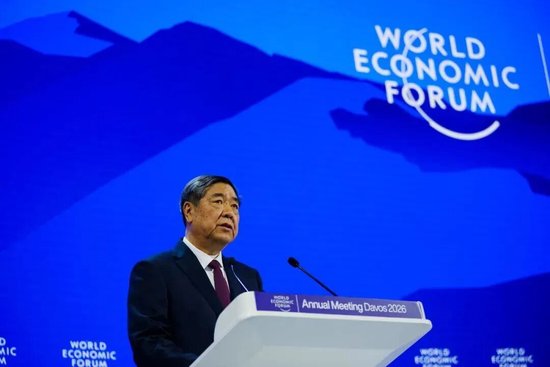
何立峰:更大力度吸引和利用外资
Xin Lang Cai Jing· 2026-01-21 15:50
Group 1 - China firmly supports free trade and advocates for inclusive economic globalization, aiming to share development opportunities with the world [3][16] - China is committed to maintaining multilateralism and improving the international order, supporting reforms of multilateral institutions like the WTO and IMF to enhance their authority and inclusiveness [4][16] - China emphasizes cooperation and mutual benefit, focusing on expanding the global economic pie and addressing development challenges [5][17] Group 2 - China promotes mutual respect and equal consultation to manage differences and resolve issues in international economic cooperation [6][18] - Over the next five years, China will implement a new development model centered on domestic circulation while promoting international circulation, leveraging its large market to drive high-quality development [8][20] - China aims to expand domestic demand and enhance consumption, with a focus on increasing the middle-income group and diversifying demand for high-quality living [20][21] Group 3 - China is committed to further opening its market and aligning with international high-standard trade rules, particularly in the service sector, to attract foreign investment [9][21] - The country will create a market-oriented, law-based, and international business environment, treating domestic and foreign enterprises equally [9][21] - China plans to accelerate technological innovation and strengthen cooperation in innovation with global partners, addressing challenges like AI governance [10][22] Group 4 - China is dedicated to green development and aims to share opportunities for low-carbon transformation, with a commitment to peak carbon emissions before 2030 and achieve carbon neutrality by 2060 [10][22] - The country has established the largest renewable energy system globally and will implement strict carbon emission controls [10][22] - China seeks to build closer partnerships for green development and ensure the free flow of quality green products globally [10][22] Group 5 - The 2026 National Foreign Investment Work Conference highlighted the importance of attracting foreign investment and the need for comprehensive strategies to integrate foreign investment with domestic economic growth [12][25] - The conference emphasized the need to enhance the foreign investment service system and promote high-quality development of open platforms [12][25] - The focus for 2026 includes supporting foreign enterprises in boosting consumption and exploring new growth points in the service sector [25]

商务部部长:坚定不移推动“十五五”时期扩大高水平对外开放
Xin Lang Cai Jing· 2026-01-13 06:22
Core Viewpoint - The report emphasizes the importance of expanding high-level opening-up to promote inclusive and beneficial economic globalization, highlighting its significance in China's modernization efforts and global economic cooperation [2][4][5]. Group 1: Significance of High-Level Opening-Up - High-level opening-up is a strong driving force for comprehensive high-quality development, enhancing competitiveness in various industries such as high-speed rail, 5G, and artificial intelligence [2]. - It is a crucial pathway to meet the people's needs for a better life, directly impacting employment and consumer choices, with over 200 million jobs created through foreign trade and investment [3]. - High-level opening-up is a proactive approach to promote inclusive globalization, transitioning from a "follower" to a "leader" in global economic engagement [4]. Group 2: Achievements in High-Level Opening-Up - The open economy has reached new heights, with China's foreign trade maintaining its position as the world's largest, with imports and exports exceeding 41.2 trillion yuan, a 3.6% increase year-on-year [8]. - Significant breakthroughs in autonomous opening-up include zero tariffs on 100% of products for least developed countries and a reduction in overall tariff levels to 7.3% [9]. - Open cooperation has shown new initiatives, such as the Belt and Road Initiative, which has become a popular international cooperation platform, enhancing trade and investment partnerships [10]. Group 3: Challenges and Opportunities - The current environment for opening-up is characterized by complex changes, with strategic opportunities and risks coexisting, necessitating proactive adaptation to external uncertainties [12][13]. - The transition period involves reshaping the economy towards digital and green sectors, with digital trade expected to reach 2.9 trillion yuan, growing by 6.5% [14]. - The vision for opening-up emphasizes shared development and global governance, with China aiming to provide more global public goods and take on greater responsibilities [15]. Group 4: Key Tasks for Future Opening-Up - The focus will be on expanding autonomous opening-up, aligning with international standards, and enhancing market access in service sectors [16]. - Promoting trade innovation and integrating domestic and international markets will be essential for strengthening the domestic economy while enhancing external trade [17]. - High-quality cooperation in the Belt and Road Initiative will be prioritized, fostering strategic partnerships and enhancing legal protections for overseas investments [19].
扩大高水平对外开放 促进普惠包容的经济全球化 ——访商务部党组书记、部长王文涛
Ren Min Ri Bao· 2026-01-12 23:21
Core Viewpoint - The report emphasizes the importance of expanding high-level opening-up to promote inclusive economic globalization and enhance China's modernization efforts [2][4][5]. Group 1: Significance of High-Level Opening-Up - High-level opening-up is seen as a strong driving force for high-quality development, with a focus on utilizing global resources and markets [2]. - It is crucial for meeting the people's needs for a better life, as it directly impacts employment and the availability of diverse consumer goods [3]. - The report highlights that high-level opening-up is essential for promoting inclusive and cooperative economic globalization, positioning China as a leader rather than a follower in global trade [4]. Group 2: Achievements in Opening-Up - Since the 18th National Congress, China has made historic achievements in opening-up, with significant growth in foreign trade and investment [6][7]. - In the first 11 months of 2025, China's goods trade reached 41.2 trillion yuan, a 3.6% increase year-on-year, maintaining its position as the world's largest trading nation [7]. - The report notes that China has become a major player in global service trade, with the total service trade expected to exceed 1 trillion USD in 2024 [7]. Group 3: Challenges and Opportunities - The current global environment presents both opportunities and challenges for expanding high-level opening-up, with increasing uncertainties [11]. - The report identifies a "pressure period" due to global economic slowdowns and geopolitical tensions, particularly in U.S.-China relations [12]. - However, it also highlights the potential for new growth in digital and green sectors, with significant market opportunities in these areas [12][13]. Group 4: Future Directions for Opening-Up - The report outlines four key areas for future focus: expanding autonomous opening-up, promoting trade innovation, enhancing two-way investment cooperation, and high-quality Belt and Road Initiative construction [14][15][16][17]. - Emphasis is placed on aligning with international standards and reducing barriers to trade and investment to foster a more open economic environment [14]. - The report also stresses the importance of protecting overseas interests and enhancing legal frameworks to support international investments [17].
形势政策系列报告会第四场报告会在北京举行
Xin Hua Wang· 2025-12-29 09:53
Core Viewpoint - The report emphasizes the importance of high-level opening up to promote inclusive economic globalization and drive high-quality development in China [1][2]. Group 1: Achievements and Changes - Since the 18th National Congress, significant achievements and transformations in foreign openness have been realized, marking a historical leap [1]. - During the 14th Five-Year Plan period, China has made major achievements in development, expanding high-level openness and advancing an open economy to new heights [1]. Group 2: Strategic Importance - High-level openness is seen as a powerful driver for high-quality development, a means to meet the people's needs for a better life, and a proactive approach to inclusive economic globalization [2]. - The current development environment is characterized by profound and complex changes, including a rapidly evolving global landscape and adjustments in international power dynamics [2]. Group 3: Policy Directions - The report calls for adherence to Xi Jinping's thoughts on socialism with Chinese characteristics and strengthening the Party's leadership in openness [3]. - It advocates for steady expansion of institutional openness, maintenance of the multilateral trade system, and promotion of international circulation [3]. - Emphasis is placed on expanding market access in the service sector, enhancing the network of high-standard free trade zones, and fostering trade innovation [3].
中国驻韩国大使:推动中韩关系乘势而上、更好发展
Xin Lang Cai Jing· 2025-12-23 23:14
Group 1 - The visit of President Xi Jinping to South Korea from October 30 to November 1 marks a significant diplomatic action following the successful conclusion of the 20th Central Committee's Fourth Plenary Session, highlighting a new chapter in China's major country diplomacy [1] - Xi's visit is notable as it is his first state visit to South Korea in 11 years, reflecting the high importance placed on this relationship by both nations [2] - During the APEC informal leaders' meeting, Xi emphasized the need for cooperation and shared opportunities in the Asia-Pacific region, advocating for inclusive economic globalization and the construction of a community in the Asia-Pacific [3] Group 2 - The meeting between Xi and South Korean President Lee Jae-myung resulted in a series of important consensus agreements, focusing on strengthening strategic communication, deepening mutually beneficial cooperation, and enhancing national sentiments [2][4] - The two leaders' discussions are expected to lead to improved bilateral relations, with both sides expressing a commitment to manage differences and promote a cooperative strategic consensus [4] - The upcoming APEC meeting in Shenzhen in November next year was announced by Xi, which received enthusiastic applause, indicating a positive outlook for future cooperation [3]
推动中韩关系乘势而上、更好发展(大使随笔)
Ren Min Ri Bao· 2025-12-23 22:31
Group 1 - The visit of President Xi Jinping to South Korea from October 30 to November 1 marks a significant diplomatic action following the successful conclusion of the 20th Central Committee's Fourth Plenary Session, highlighting a new chapter in China's major country diplomacy [1] - Xi's visit is the first state visit to South Korea in 11 years, indicating the high importance placed on this relationship by both sides, with South Korea welcoming Xi with the highest honors [2] - During the APEC informal leaders' meeting, Xi emphasized the need for cooperation and shared opportunities in the Asia-Pacific region, advocating for inclusive economic globalization and the construction of a community in the Asia-Pacific [3] Group 2 - The meeting between Xi and South Korean President Lee Jae-myung resulted in a series of important agreements, focusing on strengthening strategic communication, deepening mutually beneficial cooperation, and enhancing national sentiments [2][4] - The two leaders discussed the importance of managing differences and fostering a strategic consensus for mutual benefit, particularly in light of China's upcoming "14th Five-Year Plan" [4] - The visit also included a significant meeting between the Chinese and U.S. presidents, which contributed to stabilizing major power relations and boosting global confidence [3]
视频丨多国人士:海南自贸港封关运作体现中国扩大高水平对外开放决心
Yang Shi Xin Wen Ke Hu Duan· 2025-12-16 08:53
Core Viewpoint - The official launch of the Hainan Free Trade Port's full island closure operation on December 18 signifies China's commitment to high-level opening-up and the promotion of an open world economy, reflecting both determination and confidence in global economic integration [2][4][6]. Group 1 - The full island closure of Hainan Free Trade Port is crucial not only for China but also holds significant importance for the global economy, promoting global trade and shared prosperity [4][6]. - The operation will create important opportunities for China to expand its openness and meet international market demands, providing more chances for countries to export goods to China [6][7]. - The initiative is seen as a positive signal that encourages foreign enterprises to enter the Chinese market through Hainan, reinforcing China's stance on maintaining an open economy amidst rising trade protectionism [9].
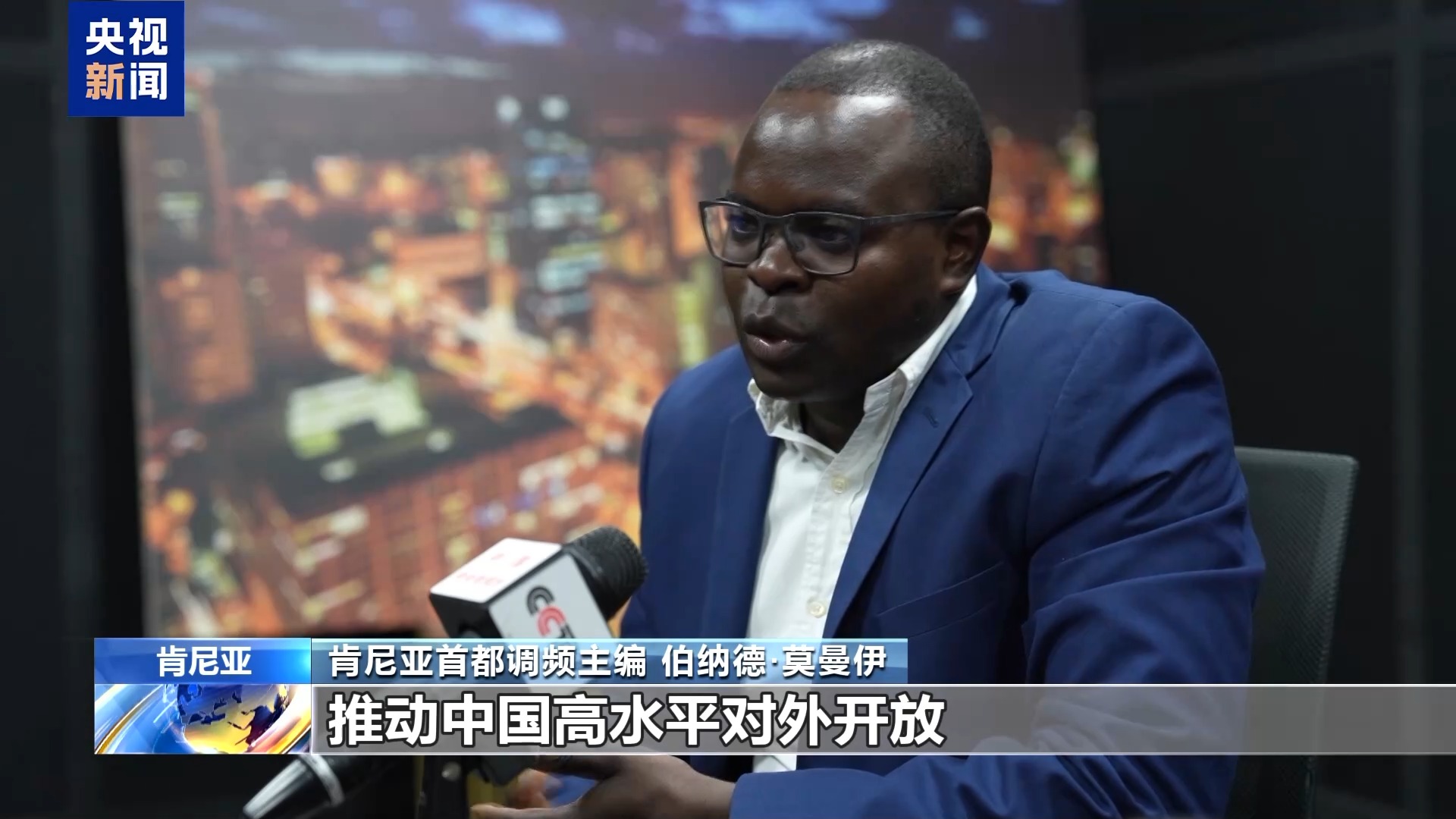
多国人士:海南自贸港封关运作体现中国扩大高水平对外开放决心
Yang Shi Xin Wen Ke Hu Duan· 2025-12-16 08:24
Core Viewpoint - The official launch of the Hainan Free Trade Port's full island closure operation on December 18 signifies China's commitment to high-level opening-up and the promotion of an open world economy, reflecting a practical action towards inclusive economic globalization [1][3][4]. Group 1 - The full island closure of Hainan Free Trade Port is crucial not only for China but also holds significant importance for the global community, promoting global trade and contributing to common prosperity as advocated by President Xi Jinping [3]. - The closure operation creates an important opportunity for China to expand its openness and reflects the country's demand for international markets, providing more opportunities for other countries to export goods to China [4]. - The initiation of the closure operation is a positive signal that encourages foreign enterprises to enter the Chinese market through Hainan, emphasizing China's stance on maintaining openness amidst rising trade protectionism [7].