关税政策合法性

Search documents
美政府关税政策被判违法,主要原告发声:政府没有理由不退还关税
Ge Long Hui· 2026-02-21 05:32
Core Viewpoint - The U.S. Supreme Court ruled that the Trump administration's tariff policy was illegal, prompting the CEO of Learning Resources to assert that the government has no justification for not refunding the tariffs collected [1] Company Insights - The CEO of Learning Resources, Waldenberg, expressed that the ruling validates his stance on the issue and disagrees with the notion that refunding tariffs would be overly burdensome for the government [1] - Waldenberg emphasized that the government is aware of the amounts taken from companies, including the timing and reasons for the tariffs, and should return the funds [1] Industry Implications - The ruling may set a precedent for other companies affected by the tariff policy to seek refunds, potentially impacting the broader toy and education-related sectors [1] - The statement from Learning Resources' CEO reflects a growing sentiment among businesses that government actions should be accountable and transparent regarding financial dealings [1]
特朗普全球关税被推翻!美国最高法院裁定违法,超1750亿美元税收面临退款
Sou Hu Cai Jing· 2026-02-20 17:11
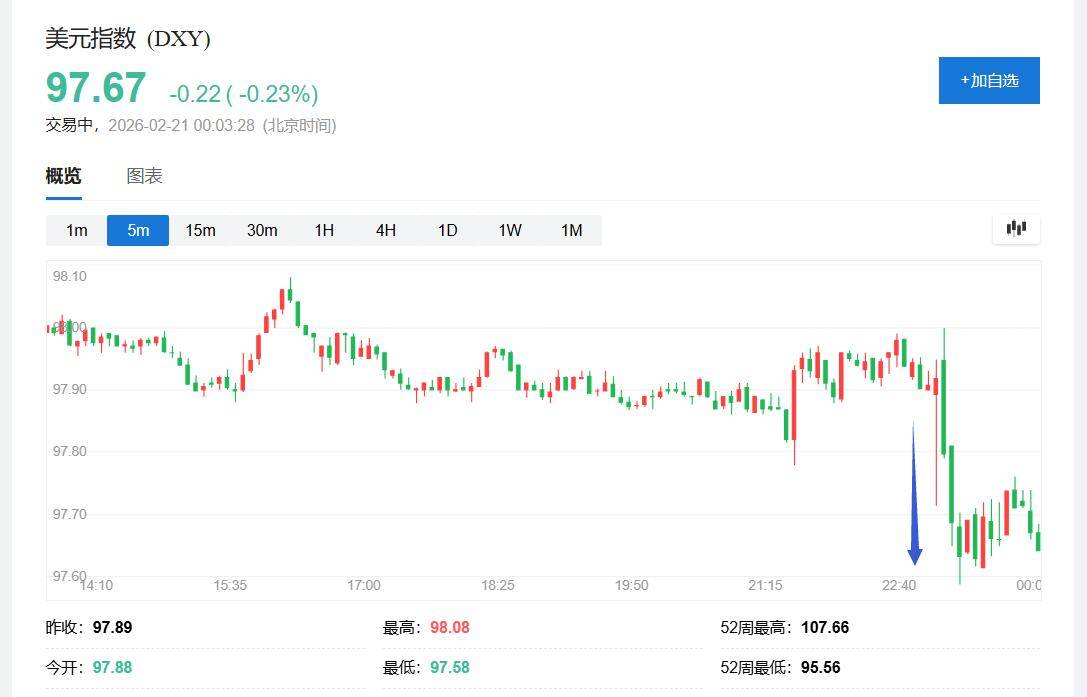
Core Viewpoint - The U.S. Supreme Court ruled against President Trump's tariff measures implemented under the International Emergency Economic Powers Act (IEEPA), stating that the President lacked legal authority to impose tariffs without Congressional approval [2][4]. Group 1: Supreme Court Ruling - The Supreme Court voted 6-3, affirming that the IEEPA does not grant the President the power to impose tariffs without Congress's consent [2]. - This ruling upholds a previous lower court decision that found Trump's tariffs exceeded the authority granted by the IEEPA [2]. - The ruling affects a significant portion of the tariffs currently in place, including the "fentanyl tariffs" and the so-called "reciprocal tariffs" announced in April [2]. Group 2: Financial Implications - The ruling raises concerns about potential refunds for over $175 billion in tariff revenues, which could exceed half of the total tariff income projected over the next decade [4][15]. - The Congressional Budget Office estimated that Trump's tariffs would generate approximately $300 billion annually over the next ten years [4]. - If the full $175 billion is refunded, it could reduce the average effective tariff rate from 13.6% to 6.5%, a decrease of more than half [15]. Group 3: Market Reactions - Following the Supreme Court's decision, U.S. stock markets reached new highs, with the S&P 500 rising approximately 0.7%, the Dow Jones increasing by nearly 320 points, and the Nasdaq gaining close to 0.9% [5]. - The U.S. dollar index fell, dropping over 0.3% and hitting a new low for the day [6]. - U.S. Treasury prices also fell, with the yield on the benchmark ten-year Treasury note surpassing 4.10% [8]. Group 4: Political Reactions - President Trump described the ruling as "shameful" and indicated he is considering alternative strategies to mitigate the impact of the court's decision [3]. - Democratic Senator Warren urged the government to issue refunds to the public, while Senate Democratic Leader Chuck Schumer stated that the ruling is a victory for American consumers [17].

美最高法院裁定特朗普全球关税违法,美国或需退还1750亿美元关税
Sou Hu Cai Jing· 2026-02-20 16:21
Core Viewpoint - The U.S. Supreme Court ruled that the tariffs imposed by the Trump administration under the International Emergency Economic Powers Act lacked clear legal authorization, potentially requiring the refund of over $175 billion in tariffs collected since December 14 [1]. Group 1: Legal Context - The Supreme Court upheld a lower court's decision with a 6-3 vote, stating that Trump's use of the International Emergency Economic Powers Act to impose tariffs exceeded his statutory authority [1]. - The ruling does not completely strip Trump of the power to impose tariffs, as he has previously enacted tariffs on products like copper, steel, and aluminum under other trade laws [1]. Group 2: Financial Implications - Economists from the University of Pennsylvania's Wharton Budget Model estimated that tariffs collected under the International Emergency Economic Powers Act have exceeded $175 billion [1]. - Following the Supreme Court's ruling, there is a possibility that this amount may need to be refunded, impacting the financial landscape for businesses affected by these tariffs [1]. Group 3: Political and Administrative Actions - The Trump administration implemented a series of tariff measures through executive orders without congressional approval, leading to various legal challenges domestically [1]. - After lower courts ruled against the Trump administration's tariff policies, an appeal was made to the Supreme Court, highlighting ongoing legal disputes regarding trade policy [1].
突发!美国最高法院裁定特朗普政府大规模关税政策违法!美国或需退还1750亿美元关税
Sou Hu Cai Jing· 2026-02-20 15:53
Core Viewpoint - The U.S. Supreme Court ruled that the Trump administration's imposition of tariffs under the International Emergency Economic Powers Act lacked clear legal authority, maintaining a lower court's decision with a 6-3 vote [1][3]. Group 1: Legal Context - The Supreme Court's decision limits the President's ability to impose tariffs under the International Emergency Economic Powers Act but does not completely strip the President of tariff authority [1][3]. - The ruling was based on lawsuits filed by businesses and 12 states, which argued that the unilateral imposition of tariffs was unprecedented [1]. Group 2: Financial Implications - Economists from the University of Pennsylvania estimated that tariffs imposed under the International Emergency Economic Powers Act exceeded $175 billion, which may need to be refunded following the Supreme Court's ruling [3]. - The Trump administration had previously imposed tariffs on products such as copper, steel, and aluminum under other trade laws, indicating ongoing tariff authority despite the ruling [1][3]. Group 3: Political Reactions - Trump expressed concerns about the potential financial implications of a negative ruling, stating it could lead to significant costs for the country [3]. - In response to questions about the impact of a ruling against the administration, Trump indicated that alternative methods, such as a licensing system, could be employed if current tariff tools were restricted [4].
关税突发!美最高法院裁定:违法!
Sou Hu Cai Jing· 2026-02-20 15:42
Core Viewpoint - The U.S. Supreme Court ruled that the tariffs imposed by the Trump administration were illegal due to lack of clear legal authority under the International Emergency Economic Powers Act [1] Group 1: Legal Context - The Trump administration implemented a series of tariffs without Congressional approval, citing the International Emergency Economic Powers Act [1] - Legal challenges arose domestically, leading to rulings from the U.S. Court of Appeals and the U.S. International Trade Court declaring the tariff policies illegal [1] Group 2: Supreme Court Proceedings - The Trump administration appealed to the Supreme Court after lower courts ruled against its tariff policies [1] - The Supreme Court initially announced a decision date of January 9 but postponed the ruling to January 14, ultimately not issuing a decision on that date [1] Group 3: Political Reactions - On January 12, Trump expressed concerns on social media about potential financial repercussions, suggesting that an unfavorable ruling could lead to compensation claims amounting to hundreds of billions of dollars [1]
关税突发!美最高法院裁定:违法!
证券时报· 2026-02-20 15:19
Core Viewpoint - The U.S. Supreme Court ruled that the tariffs imposed by the Trump administration under the International Emergency Economic Powers Act lacked clear legal authorization [1][3]. Group 1 - The Trump administration implemented a series of tariffs without Congressional approval, citing the International Emergency Economic Powers Act [3]. - Following legal challenges, both the U.S. Court of Appeals and the U.S. International Trade Court ruled the tariff policies illegal, prompting the Trump administration to appeal to the Supreme Court [3]. - The Supreme Court initially planned to announce its decision on January 9 but postponed it to January 14, ultimately not ruling on the legality of the tariffs on that date [3].

比亚迪起诉美国
Zhong Guo Ji Jin Bao· 2026-02-10 16:39
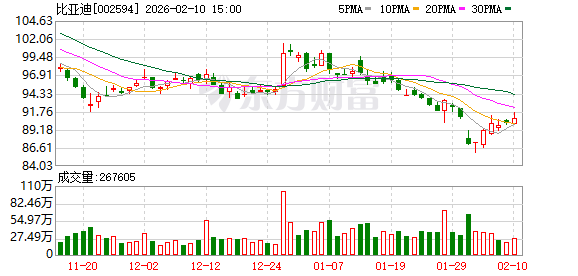
Group 1 - BYD's U.S. subsidiary filed a lawsuit against the U.S. government on January 26, claiming that the tariff policy is illegal and seeking a refund of duties paid [1] - The company states that it designs and manufactures electric buses and trucks in the U.S. and has incurred significant tariffs on imported materials to maintain operations [1] - Over 1,000 companies, including Costco, Goodyear, Toyota, and Kawasaki Heavy Industries, have filed similar lawsuits to avoid losing eligibility for tax refunds before tariff settlements [1] Group 2 - The U.S. Supreme Court is currently reviewing the legality of Trump's tariff measures, prompting many businesses to file lawsuits [1][3] - BYD's U.S. subsidiary decided to sue separately due to concerns about not being able to secure refunds without a judgment or judicial relief in its own case [1]

美国最高法院未就特朗普政府关税合法性作出裁决
Xin Lang Cai Jing· 2026-01-14 17:36
Core Viewpoint - The U.S. Supreme Court has not made a ruling on the legality of the Trump administration's tariff policies, leaving the case unresolved [2] Group 1: Legal Proceedings - The Trump administration implemented a series of tariff measures under the International Emergency Economic Powers Act without Congressional approval, leading to multiple legal challenges [2] - After rulings from the U.S. Court of Appeals and the U.S. International Trade Court deemed the tariff policies illegal, the Trump administration appealed to the Supreme Court [2] - The Supreme Court had initially scheduled a decision on January 9 but postponed the ruling to January 14 [2] Group 2: Supreme Court Hearings - A hearing was held in November where most Supreme Court justices expressed skepticism about the government's reliance on declaring a "national emergency" to impose comprehensive tariffs [2] - Some justices questioned whether the International Emergency Economic Powers Act should grant the president the authority to impose tariffs [2]

关税大消息!美最高法院:暂缓
Guo Ji Jin Rong Bao· 2026-01-10 01:13
Core Viewpoint - The U.S. Supreme Court will not make a ruling on the Trump administration's tariff case on January 9, which is significant for the future of U.S. trade policy and the balance of powers between the executive and legislative branches [1] Group 1: Legal Implications - The upcoming ruling will be the first assessment of the legality of a major policy from the Trump administration since his return to the White House, potentially determining the fate of U.S. tariff policies [1] - The decision will clarify the boundaries between U.S. executive and legislative powers, impacting how future presidents exercise trade authority [1] Group 2: Global Trade Impact - If the court supports the Trump administration's tariff policies, it could lead to greater uncertainty in global trade, increasing commodity prices and trade costs, and exacerbating the reshaping of global supply chains [2] - Conversely, if the court denies the legality of the tariff policies, affected commodity prices may decrease, and importers might seek refunds, potentially leading to a boost in international trade [2] - A compromise ruling could impose institutional constraints on presidential trade powers, promoting short-term stability in global trade, but long-term uncertainties would still persist [2]
全球关注!特朗普加征关税,是否合法?美国最高法院:暂缓!
券商中国· 2026-01-09 23:38
Core Viewpoint - The upcoming ruling by the U.S. Supreme Court on the legality of Trump's tariffs is highly anticipated, as it could significantly impact U.S. tariff policy and global trade dynamics [1][2]. Summary by Sections Legal Status - The Supreme Court has postponed its decision on the legality of Trump's tariffs, which were implemented through executive orders without Congressional approval under the International Emergency Economic Powers Act [2]. - This ruling will be the first major legal test of Trump's policies since his return to the White House and will clarify the boundaries between executive and legislative powers in trade [2]. Potential Outcomes - If the court supports Trump's tariffs, global trade uncertainty may increase, leading to higher commodity prices and trade costs, and exacerbating supply chain issues [3]. - Conversely, if the tariffs are deemed illegal, affected commodity prices may decrease, and importers could seek refunds, potentially benefiting international trade [3]. - A middle-ground ruling could impose institutional constraints on presidential trade powers, stabilizing global trade in the short term but leaving long-term uncertainties [3]. Market Impact - The court's decision is expected to be a significant test for U.S. equities and bonds, with the S&P 500 index already near historical highs, having risen approximately 40% since its low in April of the previous year [4][5]. - Analysts predict that if the court rules against Trump, S&P 500 companies could see a 2.4% increase in earnings before interest and taxes in 2026 compared to the previous year, potentially catalyzing a stock price rebound [5]. - Bond traders are preparing for volatility, although the impact is expected to be short-lived, as the market has likely already priced in some of the risks associated with the ruling [6]. Fiscal Considerations - The removal of tariffs could reignite fiscal concerns, leading to upward pressure on long-term yields, but the overall impact is expected to be limited as the Trump administration may seek alternative legal avenues to reinstate most tariffs [6]. - Investors are closely monitoring the potential timing and scale of refunds that the government may need to pay to importers, which could affect the issuance of government securities [6].