半导体供应链安全

Search documents
深度 | 伊朗“炸断”全球芯片氦气供应链!
是说芯语· 2026-03-14 01:19
Core Viewpoint - The ongoing geopolitical conflict, particularly the attack on Qatar's helium facilities, has triggered a global supply crisis for helium, a critical material for the semiconductor industry, leading to significant price increases and potential production disruptions [1][2][15]. Group 1: Helium Supply Crisis - Qatar's Ras Laffan helium facility has been shut down for over 11 days due to an attack, resulting in a loss of approximately 30% of the global helium supply [2][3]. - Qatar's helium production is projected to be around 63 million cubic meters by 2025, accounting for nearly one-third of the global total [2][3]. - The supply disruption could lead to a monthly shortfall of about 5.2 million cubic meters of helium, exacerbated by increased shipping risks in the Strait of Hormuz [2][3]. Group 2: Impact on Semiconductor Industry - Helium is essential for semiconductor manufacturing, particularly in advanced processes where it is the only effective medium for cooling silicon wafers [6][8]. - The semiconductor sector accounts for about 20% of global helium demand, with Japan's semiconductor industry relying heavily on helium, which is expected to constitute 38% of its helium consumption by 2025 [6][9]. - If the helium supply disruption lasts beyond 14 days, it could lead to a systemic restructuring of the industrial gas supply chain, impacting semiconductor production significantly [8][12]. Group 3: Regional Impacts - South Korea, which imports 64.7% of its helium from Qatar, faces severe risks, with potential production halts for major chip manufacturers like Samsung and SK Hynix if the supply is not restored [9][10]. - Japan's semiconductor industry is also under pressure, with significant stock price declines observed in companies reliant on helium [10][12]. - The crisis highlights the vulnerabilities in the semiconductor supply chain, particularly the heavy reliance on a limited number of helium suppliers [15]. Group 4: Price Surge and Market Dynamics - The geopolitical crisis has led to helium prices doubling, with potential increases of 10%-20% for short-term disruptions and 25%-50% for longer interruptions [13][14]. - The helium market operates primarily on long-term contracts, leading to a lack of transparency and delayed price signals, which could result in prioritized supply allocation to critical sectors like healthcare and aerospace [13][14]. - Major gas companies that rely on Qatari helium are facing inventory depletion risks, while non-Middle Eastern helium producers may benefit from increased demand [13][14]. Group 5: China's Position and Future Outlook - China's helium imports are significantly affected, with Qatar supplying about 40% and the U.S. 30%, leading to potential cost increases for domestic semiconductor manufacturing [14][15]. - The crisis underscores the need for diversification in helium supply sources and the development of recycling technologies to reduce dependency on imports [14][15]. - The semiconductor industry's reliance on a concentrated supply chain poses long-term risks, necessitating strategic stockpiling and technological advancements to mitigate vulnerabilities [15].


中东危机引发市场恐慌,半导体为何能扛住冲击?
是说芯语· 2026-03-10 09:29
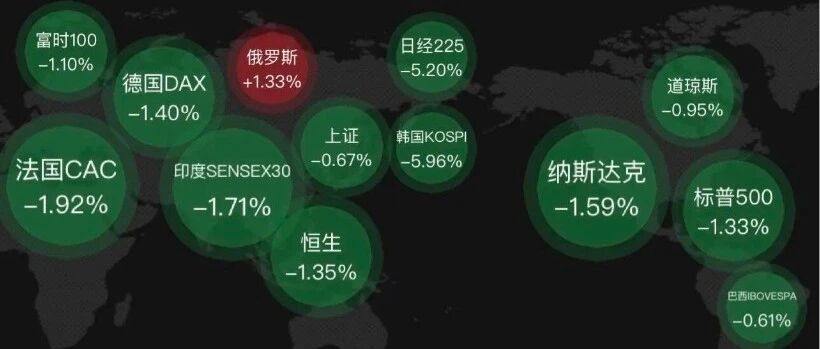
Core Viewpoint - The article discusses the impact of geopolitical tensions, specifically the Iran conflict, on the semiconductor industry and its supply chain, highlighting the resilience of the industry despite rising material costs and energy prices [4][11][31]. Group 1: Geopolitical Impact on Energy and Markets - The Iran conflict has led to a significant spike in global oil prices, with prices soaring from around $75 to over $110 per barrel, marking a rise of over 20% in just two trading days [5][4]. - The Asian stock markets experienced severe declines, with the Korean market dropping over 8% and the Japanese Nikkei 225 index falling more than 7% [8]. - The semiconductor sector faced substantial sell-offs, with the Philadelphia Semiconductor Index dropping 7.21% in one week, and major companies like TSMC and NVIDIA seeing significant stock price declines [10]. Group 2: Semiconductor Supply Chain Analysis - The article emphasizes the importance of key raw materials in the semiconductor supply chain, particularly neon, helium, and natural gas, which are affected by the Iran conflict [12][26]. - Iran is the fourth-largest supplier of neon gas, and its supply disruption could impact prices, although the overall effect is expected to be limited compared to the previous Ukraine conflict [13][15]. - The price of neon gas surged from $400 to $3,500 per cubic meter during the Ukraine war, but the current increase due to the Iran conflict is less severe, with prices rising from $300 to around $400 per cubic meter [16][17]. Group 3: Energy Supply and Semiconductor Production - Natural gas is a critical issue for TSMC, as it accounts for 43% of Taiwan's energy supply, with Qatar being a significant supplier now facing disruptions due to the conflict [21][24]. - Taiwan is increasing its natural gas supply from Australia and the U.S. to mitigate the impact of the conflict, although there are concerns about rising electricity costs [25][26]. - TSMC has robust supply chain management practices, including multi-source backup plans and safety stock for critical materials, which should help mitigate short-term production impacts [28][26]. Group 4: Investment Perspective Amidst Crisis - The article suggests that the current market panic presents an opportunity to reassess the semiconductor industry's fundamentals, as demand remains strong despite rising costs [31][32]. - Historical patterns indicate that market downturns caused by geopolitical events often provide valuable buying opportunities for long-term investors [33][34]. - The semiconductor industry is expected to maintain its growth trajectory, driven by ongoing demand for advanced technologies, despite the current geopolitical uncertainties [32][37].
日美拟在美建人造钻石工厂,强化芯片关键材料供应
Hua Er Jie Jian Wen· 2026-01-27 08:04
Group 1 - The core initiative involves the construction of a synthetic diamond factory in the U.S. as part of Japan's $550 billion investment plan, aimed at establishing a semiconductor supply chain [1] - The project is expected to be one of the first announced investments, with details likely to be revealed before Japanese Prime Minister Fumio Kishida's visit to the U.S. in March [1] - The initiative is supported by major companies, including De Beers' Element Six, and may also include a large power generation project involving Hitachi [1] Group 2 - Japan is accelerating the implementation of projects under the investment plan, which is part of an agreement to reduce Japanese export tariffs [2] - Funding for the investment will come from state-owned institutions such as the Japan Bank for International Cooperation (JBIC) and Nippon Export and Investment Insurance (NEXI) [2] - Discussions are ongoing between Hitachi and the U.S. and Japanese governments regarding the projects, although no further comments have been made [2] Group 3 - Synthetic diamonds are crucial for high-precision manufacturing, used in semiconductor polishing, quantum devices, and advanced electronic systems [3] - The dual-use nature of synthetic diamonds for both civilian and military applications, such as ammunition and radar components, highlights the strategic importance of securing the supply chain [3] - Other large infrastructure projects, including data center construction by SoftBank, are still under consideration for the investment plan [3]
并购 | 从上市公司收购中多元化支付工具的运用看并购对价的博弈
Sou Hu Cai Jing· 2026-01-07 07:56
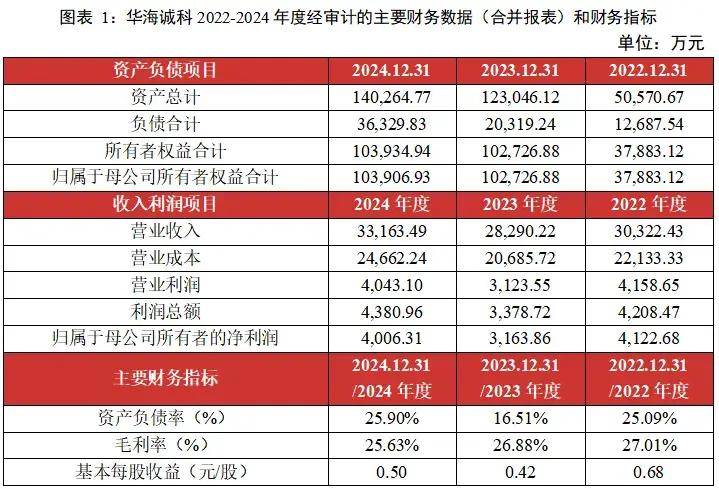
Core Viewpoint - The acquisition of 70% stake in Hengsuo Huawai by Huahai Chengke marks a significant step in enhancing the domestic semiconductor packaging materials industry, aiming to improve international competitiveness and technological capabilities in the sector [1][5]. Company Overview - Huahai Chengke, established in December 2010, is a national-level specialized and innovative "little giant" enterprise focused on the R&D and industrialization of semiconductor chip packaging materials, with a complete R&D and production system and independent intellectual property rights [1]. - Hengsuo Huawai is recognized as a national-level specialized and innovative "little giant" enterprise, with a strong global sales network and a product range that includes over a hundred models under the Hysol brand [2]. Financial Performance - As of December 31, 2024, Huahai Chengke reported total assets of 53.53 billion, total liabilities of 13.21 billion, and total equity of 40.33 billion, indicating growth from the previous year [4]. - The company's revenue for 2024 was 46.78 billion, with a net profit of 4.57 billion, reflecting an increase from 2023 [4]. Market Context - The semiconductor packaging materials market is projected to grow significantly, with epoxy molding compounds being critical for the semiconductor industry, as over 90% of semiconductor chips utilize these materials [4][5]. - The domestic demand for semiconductor supply chain security is urgent, given the low localization rate of high-performance packaging materials in China, which is only 10%-20% [4]. Acquisition Details - The acquisition of Hengsuo Huawai was valued at 1.12 billion, with payment structured through cash, shares, and convertible bonds, allowing for a balanced approach to meet various shareholder needs [6][7]. - The cash payment of 320 million was aimed at addressing short-term liquidity needs of certain shareholders, while share issuance and convertible bonds were designed to bind long-term value supporters [7][9][10]. Strategic Implications - The acquisition is expected to extend Huahai Chengke's production and sales base to international markets such as South Korea and Malaysia, enhancing its global market share and competitiveness [5]. - The multi-faceted payment structure of cash, shares, and convertible bonds is seen as a strategic move to mitigate risks associated with valuation discrepancies and to ensure a smooth integration post-acquisition [10][12]. Industry Outlook - The global semiconductor materials market is anticipated to grow by 3.8% in 2024, reaching approximately 67.5 billion, with packaging materials revenue expected to increase by 4.7% to 24.6 billion [5]. - The Chinese packaging materials market is projected to reach 7.86 billion by 2025, growing at a rate of 7.23% [5].

商务部:荷方完全没有展现出负责任的态度
Di Yi Cai Jing· 2025-12-31 03:54
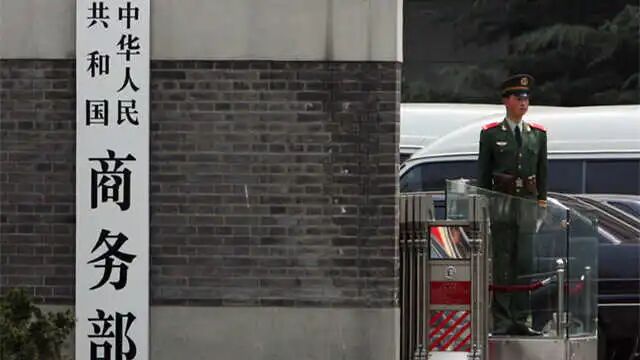
Core Viewpoint - The Dutch government's intervention in ASML Semiconductor's internal affairs has led to a global semiconductor supply chain crisis, and the Dutch side must take full responsibility for this situation [3][4]. Group 1: Government Actions and Responses - Dutch Economic Minister Kaagmans stated that strong measures against ASML Semiconductor are necessary [3]. - The Chinese Ministry of Commerce emphasized that the Dutch government's inappropriate administrative intervention has caused chaos in the global semiconductor supply chain [4]. - The Chinese side has called for the Dutch government to correct its mistakes and remove obstacles to restore stability and security in the global semiconductor supply chain [4]. Group 2: Current Situation and Measures - Reports indicate that ASML's wafer inventory in Dongguan is at a low level, leading to chip shortages for both domestic and foreign automotive manufacturers in China [4]. - The Chinese government has taken measures to exempt compliant chips for civilian use from export restrictions to stabilize the semiconductor supply chain [4]. - There have been discussions between Wentech and ASML's Dutch management to clarify concerns and agree to continue communication [4][5]. Group 3: Negotiations and Future Steps - The Chinese side welcomed the Dutch government's decision to suspend the administrative order under the Goods Availability Act, viewing it as a step towards resolving the issue [5]. - However, the Chinese Ministry of Commerce noted that further action is needed, specifically the complete withdrawal of the administrative order to address the root cause of the supply chain disruption [5]. - Both parties agreed to eliminate administrative interventions and support negotiations to resolve internal disputes, protecting investors' rights and creating favorable conditions for restoring the global semiconductor supply chain [5].

事关安世半导体,商务部回应:荷方切勿一意孤行!
证券时报· 2025-12-31 03:47
Group 1 - The Chinese Ministry of Commerce has criticized the Dutch government's intervention in Nexperia, stating it has led to a global semiconductor supply chain crisis and that the Dutch side must take full responsibility for this situation [2][4][6] - The Ministry emphasized the need for the Dutch government to correct its mistakes and take substantial actions to restore stability and security in the global semiconductor supply chain [2][4][6] - Recent developments include the Dutch government imposing a one-year freeze on Nexperia's assets and operations, which has raised concerns about the company's ability to function effectively [3][5] Group 2 - The Chinese side has called for continued communication and negotiation between the parties involved to resolve control issues and restore supply chain stability [4][5] - The Ministry welcomed the Dutch government's decision to suspend the administrative order but noted that this is only a first step and that the root cause of the turmoil remains unaddressed [6] - Both sides have agreed to eliminate administrative interventions and support negotiations to resolve internal disputes, aiming to protect investors' rights and create favorable conditions for restoring the global semiconductor supply chain [6]
商务部新闻发言人就荷兰经济大臣卡雷曼斯接受采访答记者问
Shang Wu Bu Wang Zhan· 2025-12-31 02:21
Core Viewpoint - The Chinese government emphasizes that the Netherlands must take full responsibility for its inappropriate administrative intervention in the internal affairs of ASML, which has led to a global semiconductor supply chain crisis [1] Group 1: China's Response - The Chinese side has repeatedly highlighted the negative impact of the Netherlands' actions on the global semiconductor supply chain [1] - There is confusion regarding the Netherlands' indifference to global industry anxiety and its stubborn stance without showing responsibility for the security of the semiconductor supply chain [1] - China calls for the Netherlands to correct its mistakes and remove obstacles to restore stability and security in the global semiconductor supply chain [1]
一个剑指中国的联盟成立,几大亚洲国家加入,中国把丑话说在前头
Sou Hu Cai Jing· 2025-12-30 17:51
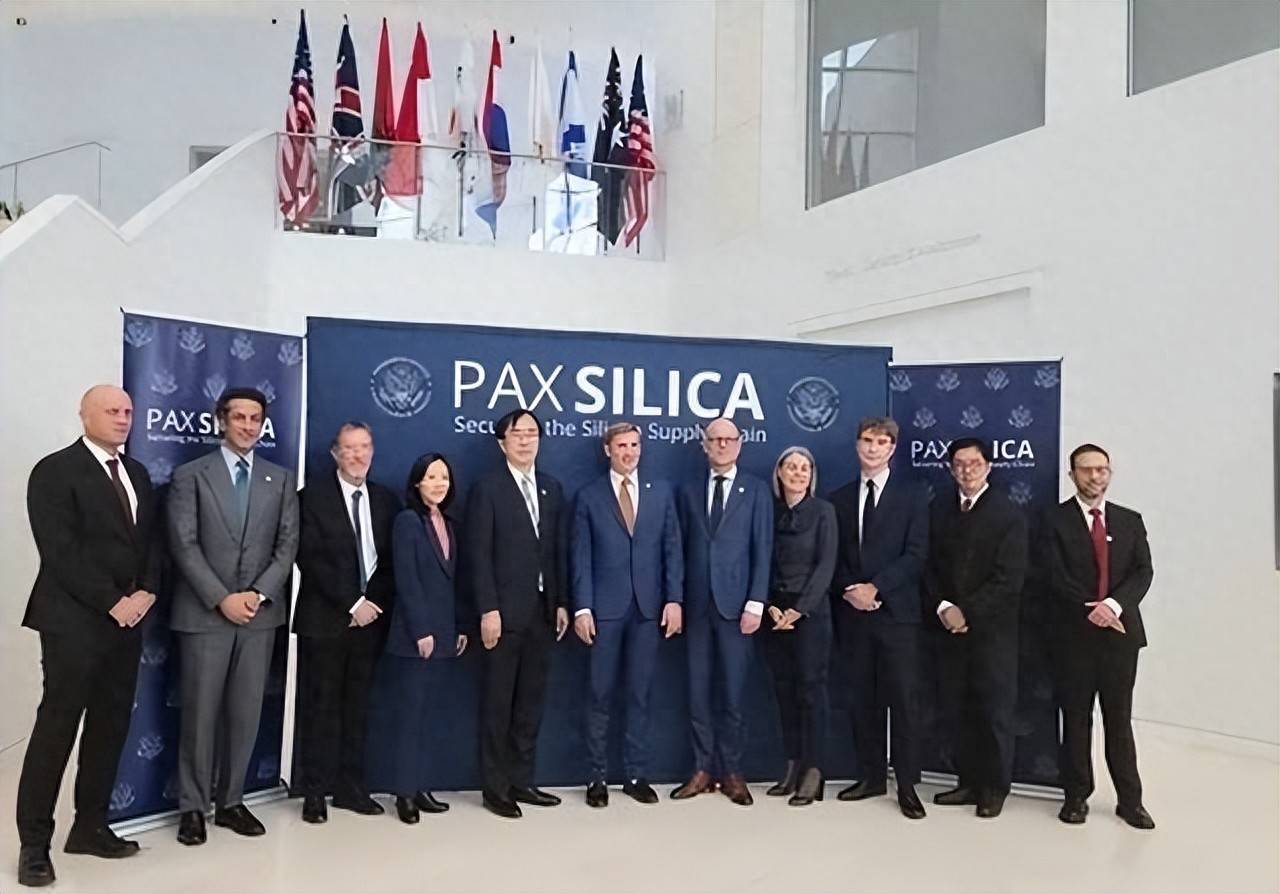
Group 1 - The "Pax Silica" initiative, launched on December 12, 2025, aims to ensure the security of AI and semiconductor supply chains, primarily targeting China's dominance in critical minerals and chips [1][3] - The coalition includes the US, Japan, South Korea, Australia, Singapore, the Netherlands, Israel, the UK, Canada, and the UAE, each contributing unique strengths in the technology supply chain [1][3] - The initiative seeks to create a complete supply chain from rare earth mining to AI applications, reducing reliance on single sources, but faces challenges due to China's significant control over rare earth production and processing [6][10] Group 2 - The alliance's formation reflects a strategic move by the US to reshape global dynamics, with Japan and South Korea playing crucial roles in precision manufacturing and semiconductor production [3][8] - Internal conflicts are evident, as countries like South Korea and Singapore weigh the economic implications of aligning with the US against their existing ties with China [8][12] - The initiative plans to expand in 2026, potentially including the EU and other nations, but coordination may be difficult due to differing national interests [8][12] Group 3 - China's response emphasizes adherence to market principles and fair competition, opposing the fragmentation of global supply chains and the politicization of trade [10][12] - China is accelerating domestic alternatives in the semiconductor sector, with companies like SMIC and Yangtze Memory Technologies advancing local material validation [10][12] - The initiative's approach may contradict globalization principles, as technological advancement relies on cooperation rather than isolation [12]
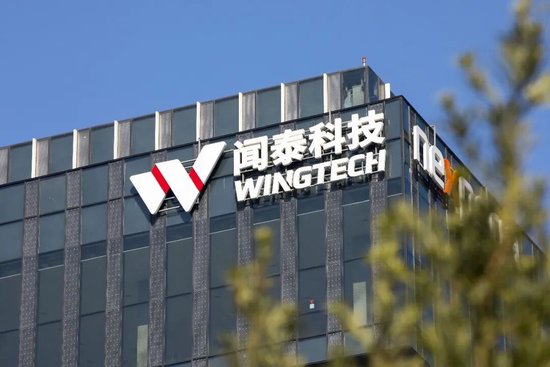
最新!闻泰科技正式邀请荷兰托管方就安世半导体争议进行对话
Xin Lang Cai Jing· 2025-12-10 05:00
Core Viewpoint - The ongoing intervention by the Dutch government in the control of Nexperia has prompted Wentai Technology to initiate constructive discussions to resolve disputes and restore its legitimate control and shareholder rights over Nexperia [1][2]. Group 1: Company Actions - Wentai Technology has formally proposed a meeting with designated custodians of Nexperia to address the ongoing disputes and seek a long-term solution that aligns with the interests of all parties involved [1][5]. - The core agenda of the proposed discussions will focus on restoring Wentai Technology's legitimate control and complete shareholder rights over Nexperia [2][6]. - This initiative reflects Wentai Technology's commitment to responsible corporate behavior and its willingness to engage in open communication with the Dutch government and custodians [2][6]. Group 2: Industry Impact - The unilateral intervention by the Dutch government has significantly disrupted Nexperia's normal operations and the stability of the global supply chain, adversely affecting Wentai Technology's rights as a shareholder and impacting the supply chain security of the European automotive and semiconductor industries [2][6]. - Since the intervention began in late September, the uncertainty surrounding the future of Wentai Technology's semiconductor business has increased, with potential risks to revenue, profit, and cash flow if control is not restored by the end of 2025 [3][7]. - The Dutch Minister of Economic Affairs and Climate Policy announced a suspension of ministerial orders related to Nexperia, but the court's ruling remains in effect, indicating ongoing legal complexities [3][7].
蛇鼠一窝!主动请缨做美国在华耳目?阿斯麦急发声,都是假的
Sou Hu Cai Jing· 2025-11-26 06:29
Core Viewpoint - The news reveals that ASML, a leading photolithography machine company, is allegedly involved in espionage activities in China and has even requested to act as an informant for the U.S. in China, challenging the previously held perception of the company as a neutral entity [1][3][5] Group 1: ASML's Alleged Espionage Activities - ASML is reported to have not only cooperated with U.S. pressures to limit its operations in China but has also actively sought to serve U.S. interests by acting as an informant [3][5] - A new book titled "The Most Important Machine in the World" claims that ASML's involvement as a U.S. informant was voluntary, contradicting the narrative of being coerced by the U.S. [3][5] - ASML's executives have denied these allegations, labeling them as fake news, yet the situation raises questions about the company's true intentions and actions [5][7] Group 2: Implications for the Semiconductor Industry - The controversy surrounding ASML coincides with issues faced by TSMC, including leaks of advanced 2nm technology and the potential loss of core technical data due to a former executive's actions [8] - The U.S. is encouraging increased investment from Taiwan, which could lead to significant shifts in the semiconductor industry landscape [8][10] - The overall situation highlights the fragility of the semiconductor supply chain and the increasing importance of national security in the industry [5][10]