历史正义

Search documents
优衣库、李宁等多品牌出手,紧急下架!
Sou Hu Cai Jing· 2026-02-04 07:05
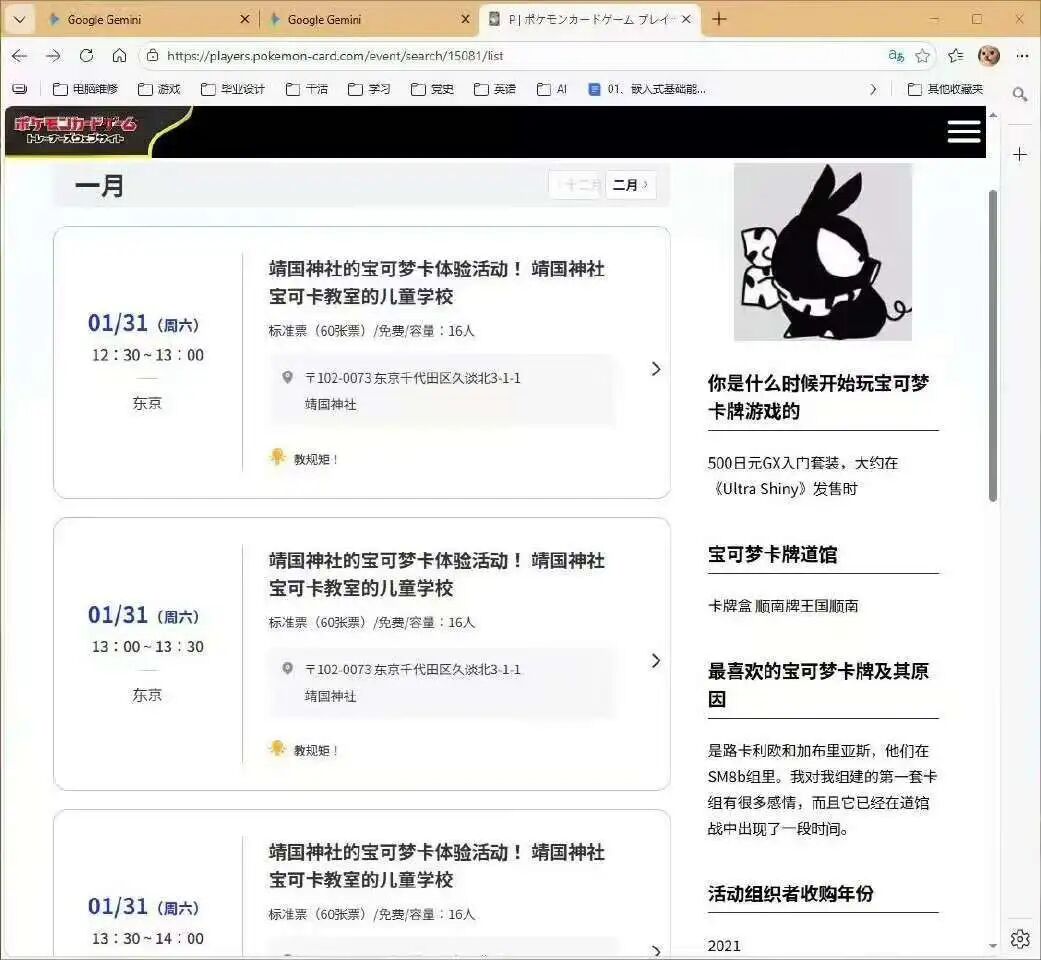
Core Viewpoint - The Pokémon Company faced significant backlash after announcing a card experience event at Yasukuni Shrine, leading to the cancellation of the event and the removal of related products from major retailers like Uniqlo and Li Ning [1][4]. Group 1: Company Response - The Pokémon Company issued an apology and removed the event announcement after receiving feedback, stating they would strengthen their review processes to prevent similar issues in the future [1]. - Despite the apology, the negative impact on the brand persisted, with many consumers expressing disappointment and vowing to boycott Pokémon-related products [4][5]. Group 2: Market Reaction - Following the controversy, Pokémon-themed products were swiftly removed from e-commerce platforms, including Uniqlo and Li Ning, indicating a strong market reaction to the incident [1][4]. - Retail staff confirmed that all Pokémon-related items were taken off the shelves, and there was uncertainty about whether they would be restocked [4]. Group 3: Consumer Sentiment - Consumers expressed strong dissatisfaction with the Pokémon Company's actions, highlighting the importance of historical and political sensitivity, especially in a significant market like China [4][5]. - The incident raised concerns about the potential impact on young audiences' historical understanding, with calls for cultural IPs to maintain historical integrity [5].



优衣库、李宁,下架宝可梦联名产品
Guan Cha Zhe Wang· 2026-02-03 13:35
Group 1 - The core issue revolves around the backlash against Pokémon for an inappropriate event linked to the Yasukuni Shrine, which is associated with Japan's militaristic past and war criminals [3][4] - Following the controversy, major retailers like Uniqlo and Li Ning have removed Pokémon collaboration products from their online stores, indicating a significant response to public sentiment [1] - Pokémon Company issued an apology, acknowledging the error in promoting the event and committing to improve their review and confirmation processes to prevent similar issues in the future [3][4] Group 2 - The incident highlights the potential impact of cultural IPs like Pokémon on youth, as the company is criticized for potentially distorting historical perceptions among its young audience [4] - The backlash emphasizes the importance of historical awareness and the responsibility of cultural brands to uphold historical justice and correct perspectives [4]

下架!多品牌已不见联名产品!消费者:非常失望,不会再买了
Nan Fang Du Shi Bao· 2026-02-03 01:41
Core Viewpoint - The Pokémon Company faced significant backlash after announcing a card experience event at Yasukuni Shrine, leading to the cancellation of the event and the removal of related products from major retailers [1][3]. Group 1: Company Response - On January 30, the Pokémon Company issued an apology, stating that they deleted the event information and canceled the activity after receiving feedback [3]. - The company committed to fundamentally changing and strengthening its review and confirmation processes for event information to prevent similar issues in the future [3]. Group 2: Market Reaction - Following the controversy, products related to Pokémon were removed from several e-commerce platforms, including Uniqlo and Li Ning, with specific items like the Pokémon collaboration series being unavailable [3][6]. - Uniqlo's Pokémon series products, including custom T-shirts and canvas bags, were reported to be completely taken off the shelves shortly after the incident [6]. Group 3: Consumer Sentiment - Many consumers expressed strong dissatisfaction with the Pokémon Company's actions, highlighting the importance of historical and political context in their marketing strategies [8]. - Some consumers indicated they would no longer consider purchasing Pokémon-related products due to the company's repeated disregard for historical sensitivities [8].

屡碰红线,宝可梦应深刻反思
Xin Lang Cai Jing· 2026-01-31 02:59
Core Viewpoint - The Pokémon Company faced backlash for planning a children's card experience at Yasukuni Shrine, a site associated with Japan's militaristic past, leading to the event's removal from their official website due to public outrage [1][2] Group 1: Event Controversy - The planned event at Yasukuni Shrine was criticized for trivializing historical war crimes, as the shrine honors war criminals, including 14 Class A war criminals [1] - Pokémon's response indicated a procedural oversight in confirming the event, but this was seen as a failure of corporate responsibility [1] Group 2: Historical Sensitivity - The incident reflects a growing sensitivity among Chinese youth regarding historical justice and cultural values, showcasing their role as vigilant guardians against perceived cultural insensitivity [2] - Previous controversies involving Pokémon, such as the placement of a gym in Yasukuni Shrine in 2016 and employee visits in 2019, highlight a pattern of insensitivity towards historical issues [2] Group 3: Corporate Responsibility - The Pokémon Company announced plans to strengthen its review processes to prevent similar issues in the future, but skepticism remains regarding their commitment to social responsibility [2] - Continuous missteps could lead to reputational damage and market consequences for Pokémon, emphasizing the need for a deeper reflection on their actions [2]
宝可梦“拜鬼” 被批!媒体评论:休想蒙混过关!
Mei Ri Jing Ji Xin Wen· 2026-01-30 10:43
Core Viewpoint - The controversy surrounding Pokémon's planned event at Yasukuni Shrine highlights the tension between cultural sensitivity and commercial interests, particularly in relation to historical grievances in Asia [1][2][4]. Group 1: Event Details - Pokémon announced a plan to hold an event at Yasukuni Shrine on January 31, which was quickly retracted following public backlash [1]. - The event was not officially organized by Pokémon, but the presence of the event information on their official website suggests some level of endorsement [2]. Group 2: Historical Context - Yasukuni Shrine is a controversial site that honors 14 Class A war criminals from World War II and symbolizes Japan's militaristic past, making it a sensitive location for events, especially those targeting youth [4]. - Hosting activities aimed at children at such a site is seen as a violation of historical justice and an affront to the feelings of victims from affected nations [4]. Group 3: Public Reaction - The planned event has sparked significant outrage among the public, with accusations that Pokémon is profiting from Chinese consumers while disregarding their sentiments [2]. - Commentary from various sources emphasizes that the event contradicts the values of friendship and courage that the Pokémon brand promotes [4].

宝可梦“拜鬼”,被批!媒体评论:休想蒙混过关
Mei Ri Jing Ji Xin Wen· 2026-01-30 09:37
Core Viewpoint - The recent controversy surrounding Pokémon's planned event at Yasukuni Shrine highlights the sensitivity of historical issues in Japan and the potential backlash against companies that appear to disregard these concerns [1][3]. Group 1: Event Details - Pokémon announced a plan to hold an event at Yasukuni Shrine on January 31, which was quickly retracted following public outcry [1]. - The event was not officially organized by Pokémon, but the information was published on their official website, indicating some level of endorsement [4]. Group 2: Historical Context - Yasukuni Shrine is a controversial site that honors 14 Class A war criminals from World War II and symbolizes Japan's militaristic past, making it a sensitive location for events, especially those targeting youth [7][8]. - Hosting activities for children at such a site is seen as a violation of historical justice and an affront to the feelings of victims from the region [7][8]. Group 3: Public Reaction - The incident has sparked significant backlash, particularly from Chinese and other Asian communities, who feel that Pokémon is profiting from their market while disrespecting their historical sentiments [3][5]. - Commentary suggests that Pokémon's actions could mislead younger audiences regarding historical events, potentially altering their understanding of Japan's wartime actions [7][8].

宝可梦“拜鬼”,被批
第一财经· 2026-01-30 06:42
Core Viewpoint - The article discusses the controversy surrounding the Pokémon brand's planned event at the Yasukuni Shrine, which honors Japanese war criminals, and the backlash it received from Chinese netizens, highlighting the brand's historical insensitivity and the implications for its reputation in China [3][5][10]. Group 1: Event Controversy - The Pokémon brand announced an event at the Yasukuni Shrine, which led to significant backlash on social media, particularly in China, where the topic trended [3]. - Following the backlash, the Pokémon official website deleted the event page, indicating awareness of the sensitive nature of the location, yet no formal cancellation or apology was issued [5]. - The event raised concerns about the brand's historical responsibility, as many believe it cannot profit from the Chinese market while disregarding historical sensitivities [5][10]. Group 2: Historical Context - The Yasukuni Shrine is a controversial site that honors 14 Class-A war criminals from World War II, symbolizing Japan's militaristic past and causing pain to East Asian nations [10]. - Previous incidents involving Pokémon, such as the inclusion of the shrine in the game "Pokemon Go," have shown a pattern of insensitivity towards historical issues, leading to backlash from Chinese players [5][6]. - The article emphasizes the potential long-term impact on young audiences' historical understanding and the importance of maintaining historical justice to support the cultural integrity of the Pokémon IP [10].

防止日本军国主义死灰复燃是正义力量的共同意志(钟声)
Ren Min Ri Bao· 2025-12-14 22:30
Core Viewpoint - The historical crimes of Japanese militarism against the Chinese people, particularly during World War II, are firmly established and will not change with time. The recent release of declassified documents related to the Unit 731 war crimes reinforces this historical truth [1][2]. Group 1: Historical Context - The Nanjing Massacre and the inhumane actions of the Japanese military, including biological warfare, are highlighted as dark chapters in human history [1]. - International legal documents such as the Cairo Declaration and the Potsdam Proclamation established principles against aggression and for the punishment of war criminals after World War II [2]. - The Far East International Military Tribunal and Chinese military courts legally defined and investigated the Nanjing Massacre, solidifying the condemnation of Japanese militarism [2]. Group 2: Current Implications - Japan has not genuinely reflected on its historical responsibilities, with right-wing forces attempting to revise history and revive militarism [2]. - The current Japanese administration, under Prime Minister Suga Yoshihide, has made provocative moves regarding Taiwan and is seeking to amend post-war principles, indicating a potential resurgence of militarism [2]. - The international community is urged to remain vigilant against these trends, as they threaten the post-war international order [2]. Group 3: Collective Memory and Responsibility - The importance of remembering history to prevent the resurgence of militarism is emphasized, with various nations and individuals contributing to the preservation of historical memory [3]. - A call for Japanese politicians to acknowledge historical truths and genuinely reflect on their past actions is made, stressing the need for peace and trust in international relations [3]. Group 4: Future Outlook - The establishment of a national memorial day for the victims of the Nanjing Massacre serves to remember past suffering, not to perpetuate hatred, but to learn lessons for the future [4]. - China is committed to a path of peaceful development and aims to collaborate with other peace-loving nations to counter any attempts to revive militarism and fascism [4].
德国将向波兰归还纳粹掠夺文物,包括73份中世纪珍贵文献
Huan Qiu Shi Bao· 2025-12-02 22:55
Group 1 - The German government officially announced the return of a batch of cultural artifacts looted during World War II to Poland, including 73 medieval documents and a 14th-century sculpture fragment [1] - The Polish Minister of Culture described the return as a historic day and the most significant cultural heritage restitution since 1989, emphasizing the high historical value of the documents [1][2] - The documents date back to the 13th to 15th centuries and include key historical texts related to the Teutonic Knights and their relationship with Poland, with the earliest document issued by Pope Innocent III in 1215 [1][2] Group 2 - The artifacts were originally stored in Poland's Wawel Castle before being transferred to Warsaw and later seized by Nazi Germany during its invasion in 1939, marking the beginning of a long exile [2] - Poland has been pursuing the return of these documents since 1948, with renewed efforts in the 1990s and early 2000s, culminating in a formal request to Germany in 2022 [2] - The current Polish government has emphasized the importance of restoring relations with neighboring countries, which has facilitated dialogue and progress on cultural heritage restitution [2] Group 3 - An expert noted that Germany's decision to return the looted artifacts reflects a moral reckoning and a commitment to historical justice, which is essential for regaining international trust [3] - While acknowledging Germany's willingness to return the artifacts, Poland continues to press for reparations for World War II victims, with previous demands for compensation amounting to trillions of euros [3] - The German Chancellor acknowledged the historical responsibilities towards Poland but did not provide a direct response to the compensation issue, indicating ongoing dialogue [3]
老美把满清旧债又拿出来,逼债8600亿,中国反击让其措手不及
Sou Hu Cai Jing· 2025-11-22 11:37
Core Viewpoint - The article discusses a financial confrontation between the U.S. and China, where U.S. politicians demand China repay historical debts from the Qing Dynasty, specifically the Hubei-Guangdong Railway bonds, as leverage against China's $860 billion in U.S. Treasury holdings [1][5]. Group 1: Historical Context - The Hubei-Guangdong Railway bonds were issued in 1911 by the Qing government, borrowing £6 million from four banks (British, American, French, and German) with a 5% annual interest rate and a 40-year term, secured by salt tax and railway revenues [3]. - After the Qing Dynasty's fall and subsequent political turmoil, interest payments ceased in 1938, and by 1951, the bonds became a historical issue, with U.S. speculators attempting to revive claims in the 1970s [3][5]. Group 2: Current Financial Implications - By 2025, U.S. national debt is projected to exceed $36 trillion, with annual interest payments reaching $475 billion, prompting U.S. politicians to seek historical debts as a means to alleviate domestic financial pressures [5][9]. - China has reduced its holdings of U.S. Treasury bonds from $1.3 trillion in 2013 to $759 billion, which has raised concerns in the U.S. financial sector [5]. Group 3: Legal and Economic Responses - China has countered the U.S. claims by citing international law, specifically the Vienna Convention's Article 34, which states that debts from colonial treaties should not be inherited, and referencing UN documents that declare such debts void after 15 years [7]. - China's economic strategies include increasing gold reserves to 2,192 tons and promoting the use of the renminbi in international trade, with plans for 60% of trade with ASEAN to be settled in renminbi by 2025 [7][11]. Group 4: Global Financial Dynamics - The U.S. approach is seen as hypocritical, as it has previously disregarded its own debts, such as those from the Confederate States and post-Iraq war scenarios, while attempting to enforce historical debts on China [9]. - The push for historical debt repayment may accelerate the trend towards de-dollarization, with countries like Russia and Saudi Arabia opting for renminbi in oil transactions, contributing to a decline in the dollar's share of global foreign exchange reserves to 59%, the lowest in 25 years [9][11]. Group 5: Broader Implications - The situation represents a clash between historical debts and modern international rules, questioning the legitimacy of reviving colonial-era debts while highlighting the need for a fairer global financial order [11]. - China's strategy of reducing U.S. bond holdings and increasing gold reserves, alongside promoting the renminbi, is not only about protecting its interests but also about pushing for a more equitable global financial system [11].