
场景开放

Search documents
从“要素开放”到“场景开放”
Xin Lang Cai Jing· 2026-01-29 07:24
Core Insights - The article highlights the transformation of the international business cooperation zone in Shanghai, emphasizing the shift from traditional open models to a more integrated ecosystem approach [1] - The focus is on creating a highly integrated "destination scene" that enhances the efficiency of international business interactions, moving beyond mere facilitation of trade and investment [1] Group 1: Open Model Transformation - The traditional open model primarily aimed at facilitating the flow of goods, capital, and personnel, but has limitations when addressing the rigid demands of multinational enterprises [1] - The new approach emphasizes the construction of an ecosystem that allows for rapid and valuable engagement in international business, effectively creating a "VIP room" for commercial exchanges [1] Group 2: Future Developments - The international business cooperation zone is expected to attract headquarters, R&D centers, professional exhibitions, and trading platforms, indicating a significant evolution in global business networking [1] - This shift represents a transition from the "first half" of trade and investment facilitation to the "second half," which focuses on building critical nodes in the global commercial network [1]
青岛以场景开放助产业升级
Jing Ji Ri Bao· 2025-12-25 22:04
Group 1 - Qingdao is actively promoting the opening of application scenarios for state-owned enterprises, launching 24 scenarios in the first half of 2024 and an additional 65 digital transformation and AI scenarios this year, covering key areas such as strategic emerging industries, traditional advantageous industries, and public services [1][2] - The initiative has led to the creation of benchmark application demonstration scenarios, resulting in 33 application cases that help enterprises break through technological boundaries [1] - Companies like Guoxin Group and Huadong Group are collaborating with research institutions and technology companies to develop advanced technologies, including AI applications in aquaculture and quantum computing devices [1] Group 2 - The open scenarios identify pain points and opportunities in the industrial chain, guiding innovation and development while attracting investment and talent [2] - Qingdao Beer Smart Industrial Park has gathered 11 supporting enterprises to address supply chain issues for fresh products, ensuring nationwide delivery within 24 hours through a multi-modal transportation network [2] - The Qingdao State-owned Assets Supervision and Administration Commission emphasizes the importance of scenario openness in leading technological innovation, industrial chain development, and investment attraction, focusing on building a modern industrial system [2]
打造从“概念”到“落地”的集中“试验田” 场景创新迈向生态化构建拓宽经济增长空间新动力
Yang Shi Wang· 2025-12-22 05:56
Core Viewpoint - The Nanjing Scene Service Platform, the first city-level public service platform in China, has officially launched, aiming to facilitate the application of new technologies and business models through a comprehensive lifecycle service for application scenarios [1][3]. Group 1: Platform Development and Functionality - The Nanjing Scene Service Platform has progressed significantly since its trial run in September, providing services for sourcing, publishing, displaying, matching, and tracking application scenarios [1]. - The platform aims to break down information silos across various urban sectors by promoting data sharing and process collaboration, thus forming a collaborative innovation network [1][3]. Group 2: Industry and Economic Impact - Nanjing has introduced over 1,500 first stores in the past three years, enhancing consumer scenario supply and creating a conducive environment for new business models [3]. - The platform has launched 53 key application scenarios, with over 5,300 various application scenarios published, covering ten major fields including digital economy, smart manufacturing, and green low-carbon initiatives [8]. Group 3: Technological Advancements - The open scene approach has accelerated the maturation and industrialization of core technologies for enterprises, providing a "fast track" for growth [12]. - The introduction of a customized industrial software operating system for the water industry exemplifies how local innovations can be nurtured through open application scenarios [11]. Group 4: Specific Applications and Innovations - The establishment of the "Energy Storage and Charging Integration" center and the "Virtual Carbon Power Plant" in Nanjing demonstrates the practical application of open scenes to address energy needs and carbon emissions [15][17]. - The use of drones for delivering goods to ships on the Yangtze River illustrates the innovative solutions emerging from the open scene strategy, enhancing logistics efficiency [22][24]. Group 5: Future Prospects and Challenges - Experts predict that 2026 will mark a significant year for deepening scene cultivation and openness, transitioning from isolated breakthroughs to an ecosystem approach for industrial development and urban governance [33]. - Challenges remain, including mismatches between scene demand and technological supply, high entry barriers for small and medium enterprises, and the need for improved cross-regional collaboration [31][34].


打破信息孤岛 全国首个城域级场景公共服务平台正式运营
Xin Lang Cai Jing· 2025-12-22 01:54
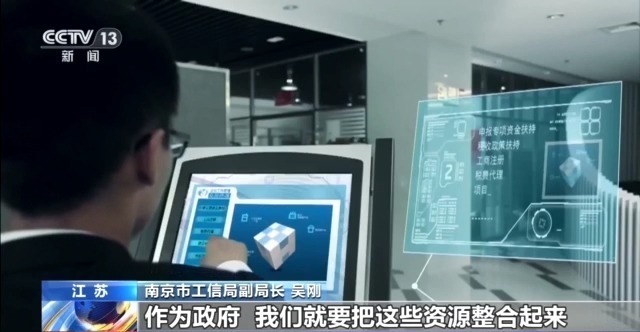
Core Viewpoint - The Nanjing Scene Service Platform, the first city-level public service platform in China, has officially commenced operations, aiming to integrate various resources and facilitate the application of new technologies and business models in urban settings [1][2]. Group 1: Platform Development and Functionality - The Nanjing Scene Service Platform has made significant progress since its trial run in September, providing full lifecycle services for application scenarios, including sourcing, publishing, displaying, matching, and tracking [2]. - The platform aims to break down information silos across various urban sectors, fostering a collaborative network for scene innovation [2][8]. - As of now, Nanjing has implemented 53 key scenarios, with over 5,300 application scenarios published, covering ten major fields including digital economy, smart manufacturing, and green low-carbon initiatives [8][9]. Group 2: Government Initiatives and Industry Engagement - The Nanjing government is actively promoting the opening of various technical verification and application scenarios by state-owned enterprises, continuously releasing an "application scenario opportunity list" [6][11]. - The city has attracted over 1,500 first stores in the past three years, enriching the supply of consumer scenarios and providing a fertile ground for new business models [6]. - Nanjing's initiatives include the establishment of an AI ecological district with 381 AI-related companies and a virtual power plant that integrates distributed energy resources from 45 enterprises [13][15]. Group 3: Impact on Innovation and Economic Growth - The open scene approach not only facilitates technological upgrades in industries but also accelerates the maturation and industrialization of core technologies for enterprises [11]. - The platform has enabled innovative applications such as drone delivery services for fresh produce to vessels on the Yangtze River, enhancing logistics efficiency [17][19]. - Nanjing's scene openness is seen as a catalyst for new productive forces and economic growth, with various regions in China developing unique scene opening models to stimulate their local economies [20]. Group 4: Challenges and Future Outlook - Experts highlight challenges in scene cultivation and openness, including mismatches between demand and technology supply, high entry barriers for small and medium enterprises, and insufficient cross-regional collaboration mechanisms [22][23]. - The year 2026 is anticipated to be a pivotal year for deepening scene cultivation and openness, with expectations for a shift from isolated breakthroughs to an ecosystem approach for industrial development and urban governance [23].
场景开放筑平台 新质生产力激活经济新蓝海
Yang Shi Wang· 2025-12-21 11:48
Group 1 - The core viewpoint emphasizes the acceleration of scene cultivation and openness to promote large-scale application of new scenarios, providing a broad experimental field for the development of new productive forces [1] - In 2023, various regions in China have released over a thousand application scenarios in fields such as marine economy and low-altitude economy, which are becoming new drivers for activating new productive forces and expanding economic growth [1] - Guangdong Zhanjiang has recently released 48 comprehensive marine economy application scenarios with a total investment exceeding 10 billion yuan, covering nine major areas including deep-sea aquaculture and marine low-carbon environmental protection [1] Group 2 - The low-altitude sector is also experiencing rapid development, with Jiangxi Jingdezhen launching four low-altitude cultural tourism routes, allowing tourists to view ceramic culture sites from helicopters, enhancing the cultural tourism experience [1] - The continuous deepening of scene openness is driving rapid expansion of related industries, with the national marine production value reaching 7.9 trillion yuan in the first three quarters of 2025, a year-on-year increase of 5.6% [1] - In the first half of 2025, drones accumulated 24.47 million flight hours, a 149% increase compared to the same period last year [1] Group 3 - Mechanism innovation is being implemented to support scene openness, with Guangdong establishing a marine economy scene innovation center and Chengdu setting up special funds for scene application [1] - The future focus will be on deepening scene cultivation and openness, addressing core technology bottlenecks, and improving infrastructure shortcomings to transform more new scenarios into new industries and new driving forces [2]
深圳宝安:场景开放牵引产业变革
Jing Ji Ri Bao· 2025-12-18 04:50
Core Insights - The article highlights the rapid development of innovative industrial transformations in Bao'an District, Shenzhen, focusing on low-altitude logistics, smart manufacturing, and smart city applications [1][2][3] Group 1: Industrial Innovation and Scene Opening - Bao'an District has opened 158 drone routes, achieving 383,800 low-altitude flights and establishing China's first "air-ground collaborative" smart operation center [1] - The district has organized 641 government-enterprise scene matching activities over the past three years, attracting over 11,700 companies and facilitating transactions exceeding 20 billion yuan [1][2] - The "Baojing Chuangxiang" scene matching conference released over 500 scene opportunities, with more than 60 companies signing contracts, resulting in over 10 billion yuan in intended transaction amounts [2][3] Group 2: Technological and Product Development - Bao'an has become a hub for various innovative companies, including those focusing on perovskite solar technology, benefiting from the district's scene opening initiatives [3][4] - The district has established a development framework for technology-based SMEs, with 7,397 national high-tech enterprises, leading the country for eight consecutive years [4] Group 3: Ecosystem and Support Platforms - Bao'an aims to create a scene innovation ecosystem by leveraging policy innovation and smart manufacturing advantages, promoting a collaborative environment for enterprises [5][6] - The district has developed a supply-demand capability list and opportunity list to facilitate precise matching between enterprises and government-led public service needs [6] - The establishment of the Guangdong-Hong Kong-Macau Greater Bay Area Application Scene Innovation Center in Bao'an will focus on new technology testing and creating a platform for productivity enhancement [8][9]
浙江省属企业首批26个全领域场景开放 打造“产学研用”新接口
Xin Lang Cai Jing· 2025-12-12 14:14
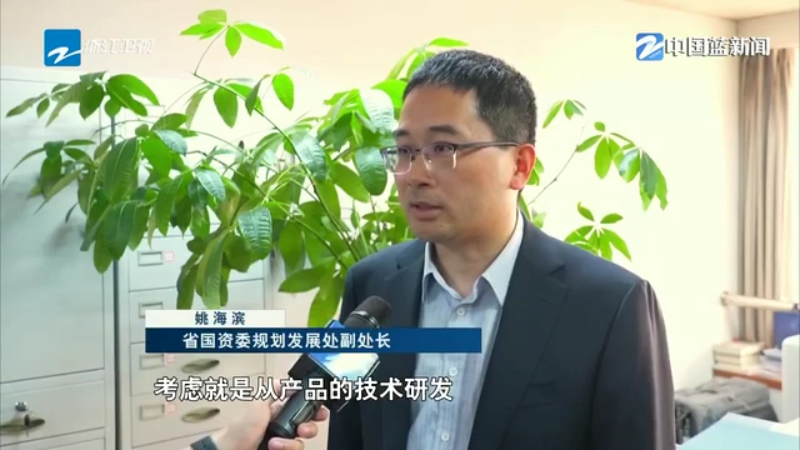
Core Viewpoint - Zhejiang Province has officially released the first batch of comprehensive open scenario lists for state-owned enterprises, aimed at bridging the gap between private enterprises, research institutions, and the validation of new products and technologies [1][10]. Group 1: Open Scenarios - The open scenarios consist of 26 state-owned enterprises and cover seven key industries: transportation, energy and carbon neutrality, manufacturing, construction, health, agriculture, and talent services [1][11]. - The concept of "scenarios" refers to specific contexts used for systematic validation of new technologies, products, and industrial applications [1][11]. Group 2: R&D and Collaboration - The initiative allows for the entire chain from product R&D to manufacturing and supply chain management to be open, facilitating the promotion and application of new products, technologies, and business models [3][13]. - At the Baima Lake Laboratory under the Provincial Energy Group, a research team from Zhejiang University of Technology is validating a newly developed carbon dioxide absorbent, significantly reducing the product development cycle from three years to about one year [5][15]. Group 3: Cost Savings and Innovation - The open scenarios also break down resource barriers between Zhejiang state-owned enterprises and social innovation forces, enabling joint R&D efforts. For instance, Ningbo Steel Co. attracted several companies to collaborate on the "intelligent combustion technology transformation" of its hot-rolling furnace, which is expected to save over 3 million yuan annually [8][18]. - The collaboration with Shanghai Baoxin Software Co. provides important guidance for future product iterations and service directions [20]. Group 4: Future Plans - Zhejiang state-owned enterprises plan to continuously cultivate and build distinctive scenarios, exploring a regular collection and release mechanism, creating an online platform for scenario cooperation, and hosting offline "Direct to State-Owned Enterprises" open days to promote precise collaboration [10][20].
城市场景开放多点开花 这些新产品找到“用武之地”
Yang Shi Xin Wen· 2025-12-11 07:07
Core Insights - Chengdu's Metro Line 18 is under complex construction, involving multiple transportation hubs and advanced digital construction technologies [1][2] - The project is providing a testing ground for small and medium-sized enterprises (SMEs) to validate and optimize their innovative construction technologies [2][3] - Other cities in China are also opening up various public service scenarios to facilitate the application of new technologies by SMEs [5][6] Group 1: Construction and Technology Innovation - Chengdu Metro Line 18 is utilizing four shield tunneling machines and has developed a specialized cutter head system to adapt to complex geological conditions [2] - The project has established a comprehensive digital construction support system, allowing SMEs to test their technologies in real-world scenarios [2][4] - The collaboration with local authorities is enhancing the application of big data and AI in construction, improving project management and coordination [2][4] Group 2: Broader Application of New Technologies - The underground parking lot in Chengdu High-tech Zone is being used to test autonomous parking technologies, addressing common parking challenges [3][4] - Other cities like Hangzhou, Suzhou, and Guangzhou are also creating smart service scenarios to support the development of technologies in public transportation, elderly care, and healthcare [5][6] - These initiatives not only address public needs but also provide SMEs with practical opportunities to deploy their innovations [6] Group 3: Mechanism Innovation and Support - Chengdu has established a dedicated team to promote application scenarios for new technologies, offering financial support ranging from 300,000 to 1 million yuan for selected projects [8] - The city is implementing a structured process to identify and promote advanced technologies and products, facilitating their transition from prototypes to market-ready solutions [8][9] - Other cities are also innovating their mechanisms to enhance the application of new technologies across various sectors, moving towards a more systematic approach [9]
新技术从实验室走向市场 场景开放如何影响创新型企业
Yang Shi Xin Wen· 2025-12-09 08:10
Core Insights - The Chinese government has issued an implementation opinion to accelerate the cultivation and opening of application scenarios, aiming to leverage the country's vast market and rich application scenarios to support the construction of various integrated and high-value scenarios [1][2] Industry Developments - The first comprehensive marine economy application scenario list was released in Zhanjiang, Guangdong, featuring 48 scenario demands with a total investment scale exceeding 10 billion yuan, covering areas such as deep-sea aquaculture, marine biomedical, and low-carbon marine engineering [1][3] - The establishment of the Guangdong Marine Economy Scenario Innovation Center aims to create a collaborative model that integrates digital technology from Guangzhou with marine industry advantages from Zhanjiang, focusing on developing super scenarios like marine ranching [3][4] Technological Advancements - Open scenarios provide a high-fidelity "real-world testing ground" that helps bridge the gap between laboratory innovations and market applications, particularly in the marine sector [2][6] - The integration of technologies such as drones, robotics, and large models in marine applications is being validated and iterated through comprehensive scenario development [3][6] Economic Impact - China's marine economy is projected to exceed 10 trillion yuan in production value by 2024, with a growth rate of 5.9%, contributing 7.8% to the national GDP [7] - The marine industry is becoming a significant area showcasing China's international competitiveness, with the shipbuilding and marine engineering equipment market holding a 50% share globally [7]
以场景培育赋能产业创新(人民时评)
Ren Min Ri Bao· 2025-12-04 22:16
Core Insights - The concept of "scenarios" is increasingly recognized as a critical factor for driving innovation in both emerging industries and traditional sectors, highlighting the need for a dual approach to technology and industry development [1][2][3] Group 1: Importance of Scenarios - Companies in various sectors emphasize the significance of scenarios as both pain points and opportunities, with one company in low-altitude logistics noting that the transformation of industry prospects into financial opportunities is heavily reliant on scenario development [1] - The government has issued a policy aimed at systematically promoting scenario cultivation and openness, indicating a national-level recognition of the role scenarios play in the commercialization of new technologies and products [1][2] Group 2: Current Challenges - There is a noted insufficiency in effective scenario supply, which is hindering the transformation of new industries and models, with some technological achievements failing to realize their industrial value due to a lack of application scenarios [2] - The development of new scenarios is still in exploratory stages, which limits technological innovation and the ability to implement new models effectively [2] Group 3: Innovation and Development - Scenario cultivation is viewed as a form of innovation that requires proactive planning and development, with examples such as unmanned mining and coal extraction showcasing the potential for digital and intelligent transformation in traditional industries [2] - The need for large-scale application and openness is emphasized, as current scenarios are often limited in scope and depth, necessitating broader market access and the removal of barriers to entry [3] Group 4: Mechanisms for Growth - A focus on identifying, cultivating, and opening scenarios is essential for enhancing the innovation mechanism that connects demand, technological breakthroughs, scenario validation, and industrial application, thereby accelerating the development of new productive forces [3]