
底线思维

Search documents
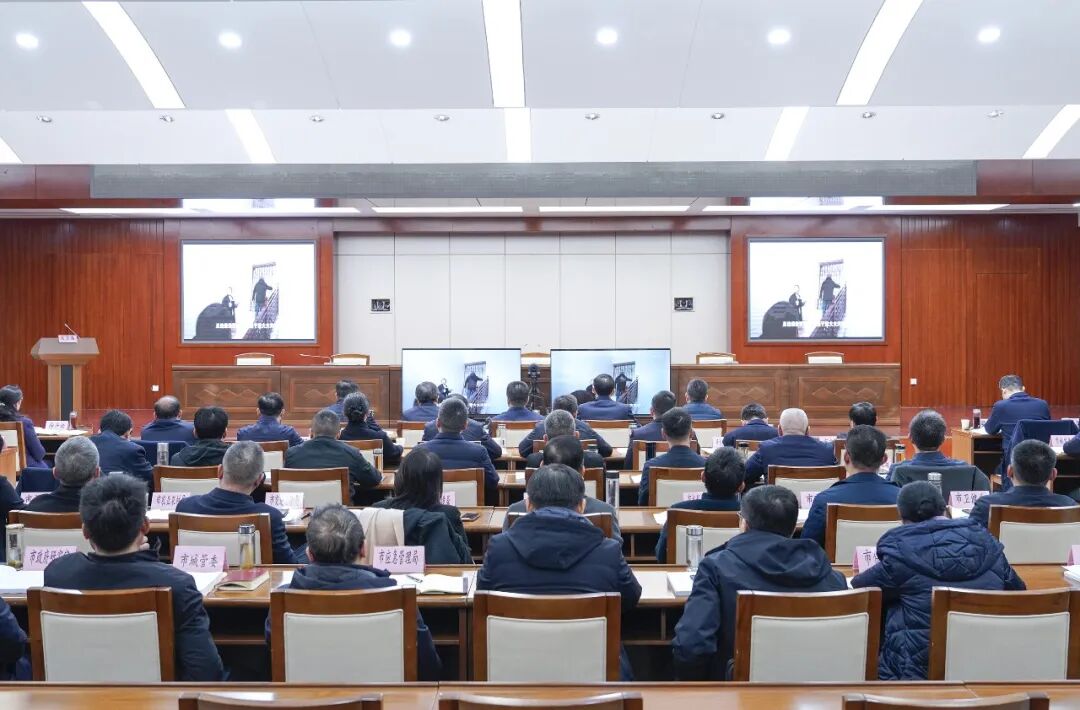
市委平安北京建设领导小组会议召开
Bei Jing Ri Bao Ke Hu Duan· 2026-02-28 01:12
Group 1 - The meeting emphasized the importance of maintaining political security and social stability in Beijing, especially in the context of the 105th anniversary of the Communist Party of China and the beginning of the 14th Five-Year Plan [1][2] - There is a focus on enhancing risk prevention and management, particularly in key sectors such as transportation, construction, and fire safety, to prevent major accidents [2][3] - The meeting called for a comprehensive approach to social security, including the enhancement of security measures in crowded places and the ongoing crackdown on organized crime and fraud [2][3] Group 2 - The meeting highlighted the need for a coordinated approach to safety and stability, urging all levels of government to take concrete actions to ensure public safety [3] - It was noted that preparations for the upcoming National People's Congress should include detailed safety measures to create a favorable social environment [3]
多路径加强 中国湿地保护与利用
Xin Lang Cai Jing· 2026-02-24 18:21
Group 1 - Wetlands are essential for ecological security and sustainable development, playing a critical role in water conservation, water quality purification, climate regulation, biodiversity maintenance, and carbon reduction [1] - A forward-looking overall planning approach is necessary for wetland protection and utilization, focusing on long-term ecological system evolution and ensuring sustainable development [1] - The transformation from "green mountains and clear waters" to "golden mountains and silver mountains" should be achieved by integrating ecological, economic, and social benefits [1] Group 2 - Systematic thinking is crucial for ecological governance, requiring a holistic and collaborative approach throughout planning, management, and implementation [2] - A coordinated working mechanism should be established, integrating ecological governance into regional development strategies while balancing ecological protection, economic development, and social needs [2] - Differentiated management measures should be adopted based on regional characteristics and ecological functions to enhance overall ecological functionality [2] Group 3 - Establishing and safeguarding ecological bottom lines is vital for the health of wetlands and broader ecological security [3] - Core areas essential for maintaining ecosystem structure and function must be strictly identified and protected [3] - Development and utilization must not compromise ecological functions, ensuring that ecological protection is prioritized in development planning and project approvals [3]
底线思维与高线追求
Xin Lang Cai Jing· 2026-02-08 18:30
Core Viewpoint - The article emphasizes the importance of balancing "bottom-line thinking" and "high-line pursuit" as a strategic framework for development, particularly in the context of advancing China's modernization efforts [1][2][3]. Bottom-Line Thinking - Bottom-line thinking serves as a "ballast stone," crucial for ensuring safety and stability in development. It involves recognizing risks and preparing adequately to mitigate them [1]. - This approach requires setting minimum goals based on the worst-case scenarios while striving for the best outcomes, covering areas such as food security, social stability, ecological protection, and border security [1]. - Maintaining a clear awareness of potential difficulties and risks is essential for navigating challenges effectively [1]. High-Line Pursuit - High-line pursuit acts as a "navigation instrument," guiding the direction and goals of development. It embodies a spirit of striving for excellence and not settling for mediocrity [2]. - This pursuit encourages aiming for higher standards and quality, focusing on achieving breakthroughs in various fields, such as high agricultural yields and global competitiveness in manufacturing [2]. - The article highlights that high-line pursuit is not just about having resources but also about ensuring quality and excellence in outcomes [2]. Dialectical Unity of Bottom-Line and High-Line - The relationship between bottom-line and high-line thinking is described as dialectical, where the bottom line provides a foundation for the high line, and the high line guides the bottom line [3]. - In practice, it is essential to balance the need to avoid systemic risks while aiming for high-quality development across economic, ecological, and social governance areas [3]. - The article stresses the importance of addressing both risk prevention and the pursuit of modernization, especially in challenging times [3]. Strategic Recommendations - The article calls for enhancing sensitivity to bottom-line thinking and improving risk assessment and prevention mechanisms while maintaining a proactive approach to high-line pursuits [4]. - It advocates for a responsible mindset among leaders, encouraging them to be practical and ambitious, focusing on both immediate stability and long-term goals [4].
树牢底线思维 狠抓责任落实
Xin Lang Cai Jing· 2026-02-05 16:10
Group 1 - The meeting emphasized the importance of safety production work, advocating for a shift from "post-emergency response" to "prevention and control" [3][4] - Responsibilities must be clearly defined and a collaborative work pattern established to enhance safety governance capabilities [3][4] - Key areas of focus include transportation, mining, fire safety, and disaster prevention, especially during the year-end and New Year period [4] Group 2 - The city government is committed to ensuring a safe environment for the public during the upcoming national meetings by implementing strict safety measures [4] - The meeting included reports on the 2025 safety production work and proposed key tasks for 2026 [3]

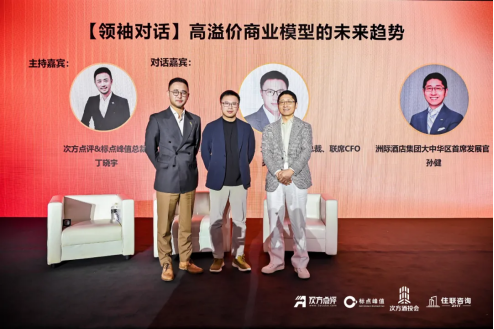
亚朵吴健锋:酒店行业回报回归长期逻辑,中高端仍具“厚雪长坡”特征
Sou Hu Wang· 2026-01-27 09:01
Core Viewpoint - The hotel industry is shifting towards rational development, with a focus on long-term stable investment returns becoming a central concern for both the industry and capital stakeholders [1] Group 1: Investment Perspectives - The hotel industry is characterized as a "long slope, thick snow" asset, with a reasonable investment return cycle typically ranging from 3 to 5 years [3] - Investors should adopt a "bottom-line thinking" approach, focusing on projects that can generate stable cash flow and demonstrate long-term operational resilience, especially during market volatility [3] - Investment in hotel projects within the range of 20 million to 30 million yuan that can achieve relatively stable cash flow returns is currently seen as an attractive investment choice [3] Group 2: Conditions for Successful Investment - Successful entry into the hotel sector requires three basic conditions: alignment with brand values and operational team capabilities, financial feasibility with controlled investment scale, and sustainable returns through deep involvement in the entire project lifecycle [3] - The hotel industry, similar to the restaurant sector, relies on long-term, solid operational foundations for returns, making aggressive strategies unsuitable [3] Group 3: Long-term Investment Strategies - To achieve long-term investment goals, it is recommended to lock in quality property locations and long-term leases during rental cycle lows, thereby controlling cost structures from the source [4] - Projects should be assessed over longer periods to determine their true return capabilities, avoiding distractions from short-term market fluctuations [4] - The relationship between brands and investors is crucial, with brands like Atour emphasizing the importance of transparent and sustainable cooperation mechanisms to provide long-term value support to investors [4] Group 4: Industry Trends - The dialogue reflects a shift in the competitive logic of the hotel industry, extending beyond brand levels to asset management capabilities, cooperation mechanisms, and long-term value creation [6] - The emphasis on "bottom-line thinking" and "long-termism" provides a reference for investors seeking rational layouts in hotel assets [6]
构建生成式人工智能的安全治理新机制
Xin Hua Ri Bao· 2026-01-26 21:42
Group 1 - Generative artificial intelligence (AI) is deeply integrated into various sectors such as government information processing and media content creation, becoming a core support for the development of new productive forces [1] - The 20th Central Committee's Fourth Plenary Session emphasizes the importance of strengthening national security capabilities in emerging fields like AI, highlighting the significance of digital technologies in national security [1] - The traditional approach of "develop first, govern later" may lead to unmanageable risks and missed opportunities in global AI competition, necessitating a governance mechanism that balances resilient defense and innovation [1] Group 2 - The assessment of national security risks associated with generative AI reveals multi-dimensional and cross-sectoral challenges, particularly in political, economic, and social security [2] - In the political security domain, generative AI poses real threats through the industrialized production of false information and the subtle erosion of cultural values, with low barriers for generating misleading content [2] - Economic security concerns include job displacement due to AI and reliance on imported high-end CPUs and GPUs, which poses risks to the AI industry's supply chain and technological sovereignty [3] Group 3 - Social security risks are highlighted by AI-related fraud and privacy breaches, with AI technologies enabling new forms of crime and the potential leakage of sensitive data from large models [3] - A comprehensive governance framework for generative AI should be guided by an overall national security perspective, integrating various aspects such as ideology, social order, and cultural heritage into risk assessments [4] - The governance mechanism should focus on clear responsibilities among government, enterprises, and the public, promoting collaboration and enhancing safety awareness [6] Group 4 - The governance approach should move away from unilateral administrative regulation to a model that encourages technological solutions and industry-driven governance [6] - Legal frameworks must be established to address the unique challenges posed by generative AI, including copyright issues and specific regulations for high-risk scenarios [7] - Ethical guidelines should be practical and enforceable, with companies required to conduct risk assessments and establish ethics review committees for AI applications [7]
体系化学理化研究阐释 | 坚持正确工作策略和方法
Xin Lang Cai Jing· 2026-01-17 03:18
Core Viewpoint - The article emphasizes the importance of a scientific methodology in economic work, guided by Xi Jinping's economic thought, to enhance the effectiveness and foresight of economic strategies and policies [1][3]. Group 1: Methodological Importance - Methodology is essential for understanding and transforming the world, reflecting how issues are observed and addressed [1]. - The Communist Party's tradition of valuing methodological approaches in economic construction dates back to Mao Zedong, who emphasized the need for practical methods in economic work [2]. - Xi Jinping has highlighted the need for correct strategies and methods to implement economic policies effectively, especially in the face of complex domestic and international challenges [3]. Group 2: Key Methodological Principles - The principle of "seeking progress while maintaining stability" is crucial for economic work, ensuring a stable environment for development and structural adjustments [5]. - A systematic perspective is necessary to address the interconnectedness of various economic factors, requiring a comprehensive approach to problem-solving [6]. - The principle of "adapting to local conditions" is vital for economic work, emphasizing the need for tailored strategies based on regional characteristics and resources [8][9]. - Combining goal-oriented and problem-oriented approaches is essential for achieving economic development targets while addressing pressing issues [10]. - Bottom-line thinking is critical for risk management in economic activities, ensuring preparedness for uncertainties and challenges [11]. Group 3: Application of Methodology - The application of Xi Jinping's economic thought is necessary for addressing unprecedented challenges in economic work, requiring a systematic analysis of supply and demand dynamics [14]. - Emphasizing the importance of research and understanding local conditions can lead to differentiated and specialized development paths [14]. - The need for a correct view of performance is highlighted, focusing on genuine economic growth rather than superficial metrics [14].

理论视野丨勇于面对风高浪急甚至惊涛骇浪的重大考验
Zhong Yang Ji Wei Guo Jia Jian Wei Wang Zhan· 2026-01-15 00:04
Group 1 - The core viewpoint emphasizes that China's development during the "14th Five-Year Plan" period is influenced by profound international changes, presenting both strategic opportunities and risks, necessitating a strong sense of confidence and proactive spirit to navigate challenges [2][3][4] - The leadership of the Communist Party of China (CPC) is identified as the fundamental guarantee for overcoming difficulties and risks, with a focus on the importance of unity and strong political will [3][4] - The CPC's commitment to self-revolution and strict governance is highlighted as essential for maintaining its strength and addressing historical challenges, showcasing its unique approach to party building [5][6] Group 2 - The connection with the people is emphasized as a vital source of strength for the CPC, asserting that the party's legitimacy and ability to overcome obstacles stem from its commitment to serving the people [7][8] - China's economic strength is noted as a significant foundation for addressing challenges, with the country now being the second-largest economy globally and possessing a comprehensive industrial system [9][10] - The spirit of struggle is presented as an intrinsic quality of the Chinese nation, with historical context provided to illustrate the importance of perseverance and resilience in achieving national rejuvenation [11][12] Group 3 - Strategic determination and bottom-line thinking are deemed crucial for navigating the complex global landscape, with an emphasis on maintaining focus on national development while addressing external pressures [12][14] - The concept of building a community with a shared future for mankind is introduced as an international initiative, advocating for global cooperation in the face of common challenges [15][16] - The CPC's commitment to fostering a peaceful and prosperous world through collaboration and opposition to unilateral actions is reiterated, highlighting its role in global governance [16][17]
看图学习丨致敬平安守护者 重温总书记对人民警察的殷殷嘱托
Yang Guang Wang· 2026-01-11 13:11
Core Viewpoint - The article emphasizes the trust and expectations placed on the Chinese People's Police by General Secretary Xi Jinping, highlighting the importance of their role in maintaining national security and social stability. Group 1: Leadership and Expectations - Xi Jinping has consistently expressed deep concern and high expectations for the People's Police, as evidenced by his participation in national police work meetings and his interactions with police heroes and model collectives [1][6][8]. - The need for the police force to adhere to political leadership, strengthen discipline, and enhance professionalism is underscored [4][6]. Group 2: Achievements and Performance Metrics - By 2025, the national police are expected to report a 12.8% year-on-year decrease in criminal case filings [14]. - There has been a 3.5% year-on-year decrease in public security case filings [15]. - Significant reductions in serious violent crimes, human trafficking, and traditional theft-related crimes have been reported, with decreases of 4.7%, 40.7%, and 21.2% respectively [16]. - From June to November, 1,500 financial crime cases were filed, leading to the dismantling of over 200 professional criminal gangs, with a total involved amount nearing 300 billion [16]. - The establishment of 3,266 law enforcement case management centers and the implementation of online services for 191 police administrative matters have been achieved [17].

友山基金:在不确定性的浪潮中锚定理性
Qi Huo Ri Bao Wang· 2025-12-23 01:47
Core Insights - The article highlights the journey of Jin Yan, the Chief Investment Officer of YouShan Fund, emphasizing his unique blend of mathematical rigor and human insight in navigating the complexities of financial markets [1][2]. Group 1: Career Path and Investment Philosophy - Jin Yan transitioned from academia to investment banking, driven by the allure of quantitative finance and the opportunities it presented, ultimately choosing to pursue a career in the financial industry over a stable academic position [2]. - He acknowledges the importance of both a solid theoretical framework and psychological resilience in achieving investment success, while also recognizing the role of luck in the investment process [2]. Group 2: Daily Operations and Market Engagement - As a fund manager, Jin Yan begins his day by monitoring global market trends, a habit developed over decades, and maintains a focus on key information during trading hours [3]. - His work involves a continuous engagement with market dynamics, including meetings, roadshows, and risk management reviews, reflecting a commitment to staying informed and responsive [3]. Group 3: Investment Strategy and Market Dynamics - Jin Yan's experience in both investment banking and hedge funds has shaped his investment style, highlighting differences in execution and risk management based on the nature of capital sources [4]. - He notes that certain strategies, like Commodity Trading Advisor (CTA) strategies, perform better in the Chinese market due to the unique participant structure and local pricing mechanisms [5]. - The significant impact of policy variables in the Chinese market necessitates a deep understanding of national economic policies, which must align with investment strategies [6]. Group 4: Risk Management and AI Integration - Jin Yan emphasizes the critical nature of risk management in investment, viewing it as a dual challenge that involves both measurable risks and human behavioral biases [7][8]. - He shares key risk management principles, including decisive actions during significant drawdowns and the importance of institutional arrangements to mitigate emotional decision-making [8]. Group 5: Future Outlook and Investment Opportunities - Looking ahead, Jin Yan anticipates a resilient U.S. economy and a continued low-interest-rate environment, which he believes will positively influence global markets [9]. - He identifies potential investment opportunities in fixed income, equities, and commodities, particularly highlighting the ongoing relevance of quantitative strategies in a fluctuating market [9].