慢旅行

Search documents
2026春节旅游消费趋势报告:预计大年初二为春节假期的出游高峰
Xin Lang Cai Jing· 2026-01-30 12:26
Core Insights - The report indicates a trend of prioritizing family reunions before travel during the Spring Festival, with the peak travel day expected on February 18, 2024 [1] - A significant portion of travelers (approximately 35%) are opting for early bird trips to avoid peak times [1] - There is a noticeable shift towards "niche" travel destinations and experiences, with both traditional popular destinations and emerging locations gaining traction [1] Group 1: Travel Themes - The three most popular travel themes for the Spring Festival are cultural traditions, ice and snow tourism, and winter wellness retreats [2] - Historical cities such as Beijing, Guangzhou, Chengdu, and Xi'an are attracting attention for cultural activities like temple fairs and traditional crafts [2] - Ice tourism is on the rise, particularly in northeastern cities like Harbin and Changchun, with nearly 80% of ice tourism participants coming from southern regions [2] Group 2: Travel Preferences - Southern destinations like Hainan and Guangdong are preferred by northern travelers seeking to escape the cold, with over 50% of these travelers coming from northeastern provinces [2] - The trend of "slow travel" and "deep experiences" is driving an upgrade in travel consumption structure towards "experience + content + service" [2] - There is a significant increase in fragmented and in-depth travel demands among tourists [2]
冰雪经济持续繁荣 海南旅游热度高涨
Jin Rong Shi Bao· 2026-01-06 01:59
Group 1: Overall Market Trends - The overall cultural and tourism market in China during the 2026 New Year holiday was stable, with a total of 142 million domestic trips and a total expenditure of 84.789 billion yuan [1] - The New Year holiday saw an increase of 2 days compared to 2025, leading to a surge in travel activities, including surrounding tours and long-distance trips [1] Group 2: Travel Preferences and Demographics - Young people, particularly those born after 2000, accounted for the highest proportion of travelers at 39%, followed by those born in the 1990s at 33% [2] - The trend of "self-care travel" emerged, with a focus on experiences that provide a sense of ritual, such as theme park fireworks and temple blessings, leading to a 125% year-on-year increase in related searches [2] Group 3: Popular Destinations and Activities - Ice and snow tourism dominated the travel scene, with Harbin Ice Snow World being a top attraction, and ice tourism routes making up about 40% of the top twenty domestic flight routes [4] - The popularity of traditional Chinese theme parks increased, with significant growth in hotel bookings in cities like Kaifeng, which saw a threefold increase in hotel reservations during the holiday [2][3] Group 4: International Travel Trends - The trend of "long holiday travel" drove a significant increase in outbound tourism, with young travelers aged 23 to 30 making up 36% of outbound flight bookings, a 42% increase year-on-year [7] - Popular outbound travel themes included island vacations and visits to visa-free countries, with flight bookings to Brazil increasing nearly threefold and significant growth in bookings to countries like Georgia and Uzbekistan [7] Group 5: Food Tourism - Food tourism gained traction, with destinations like Guangde becoming popular due to local culinary offerings, leading to a notable increase in short-distance train ticket sales and hotel bookings [5]
文旅赛道热力全开
Xin Lang Cai Jing· 2026-01-05 18:44
Core Insights - The tourism market experienced a significant surge during the New Year holiday, driven by innovative products and a deep understanding of tourist demands [1][6] - The overall travel spending and consumer engagement have increased, with average spending per tourist rising over 30% compared to the previous year [1][5] Group 1: Travel Trends - The "small golden week" phenomenon was evident, with a notable increase in surrounding travel, long-distance trips, and inbound tourism during the New Year holiday [1][2] - Popular destinations included Chongqing, which ranked in the top 10 for both domestic and inbound tourism, showcasing a vibrant cultural and entertainment scene [1][5] - The trend of "slow travel" and "deep experience" is becoming the new norm, with younger travelers preferring personalized itineraries and immersive experiences [5][6] Group 2: Consumer Behavior - There was a 20% increase in the number of travel products purchased per tourist, indicating a growing willingness to spend on travel experiences [1][2] - The rise of "Z generation" travelers has led to a 60% increase in orders for travel products tailored to their preferences, emphasizing emotional value and unique experiences [5][6] - The popularity of "inter-city visits" and "cross-regional travel" has surged, particularly benefiting mid-tier cities and local theme parks [7] Group 3: Industry Dynamics - The tourism industry is facing challenges such as insufficient innovation in mechanisms, lack of integration between commerce and tourism, and the need for improved service quality [6][7] - Travel agencies are adapting to market changes by enhancing staff skills and offering more flexible travel options, reflecting a shift in consumer preferences [6][7] - The market is witnessing a clear recovery trend, with companies encouraged to innovate product designs and explore cross-industry collaborations to capture emerging opportunities [7]
元旦假期出游了吗?这些地方热度高,年轻人又有了新玩法
Yang Shi Wang· 2026-01-03 06:00
Group 1 - The domestic tourism market in China experienced a strong start during the New Year holiday, with ticket bookings for domestic attractions increasing by over 4 times year-on-year [1] - In Shanghai, overall tourism order volume on New Year's Day rose by 30% year-on-year, with top attractions including Shanghai Disneyland, the Bund, Shanghai Museum, Oriental Pearl Tower, and Shanghai Haichang Ocean Park [1] - The inbound tourism market also showed robust growth, with ticket bookings increasing by 110% year-on-year and experiential product bookings rising over 30 times [4] Group 2 - The "post-00s" demographic accounted for the highest proportion of travelers at 39%, followed by the "post-90s" at 33%, indicating a shift towards self-indulgent travel experiences [2] - The trend of "cross-year travel" saw a 125% increase in related search volume, reflecting a growing preference among young people for proactive vacation planning and maximizing leisure experiences [2] - Popular self-driving travel destinations included Shanghai, Guangzhou, Zhuhai, Beijing, Nanjing, Chongqing, Qingdao, Harbin, Shenyang, and Changsha, with strong demand for packages combining hotel stays and theme park tickets [2] Group 3 - Ice and snow tourism became a major trend during the New Year holiday, with approximately 40% of the top 20 domestic flight routes being related to ice and snow destinations [3] - In southern regions, Anji saw a 930% increase in tourism orders, while Shanghai's Yao Xue Ice World bookings grew over 5 times [3] - New and unique ice and snow activities gained popularity, such as ice fishing with ginger tea in Changbai Mountain and traditional fishing experiences in the forest [3] Group 4 - Popular inbound travel destinations included Shanghai, Beijing, Shenzhen, Guangzhou, Chengdu, Harbin, Chongqing, Hangzhou, Kunming, and Xiamen, with major source countries being Hong Kong, Malaysia, Thailand, Singapore, and South Korea [4] - After Hainan's customs closure, the "duty-free shopping + beach vacation" model attracted international tourists, with Sanya's inbound orders increasing by 170% and Wanning's orders growing nearly fourfold [4] - Emerging destinations like Li County, Heihe, Nanning, Yantai, and Foshan showed significant growth in inbound tourism, indicating a trend towards deeper and more differentiated travel preferences among international visitors [4]
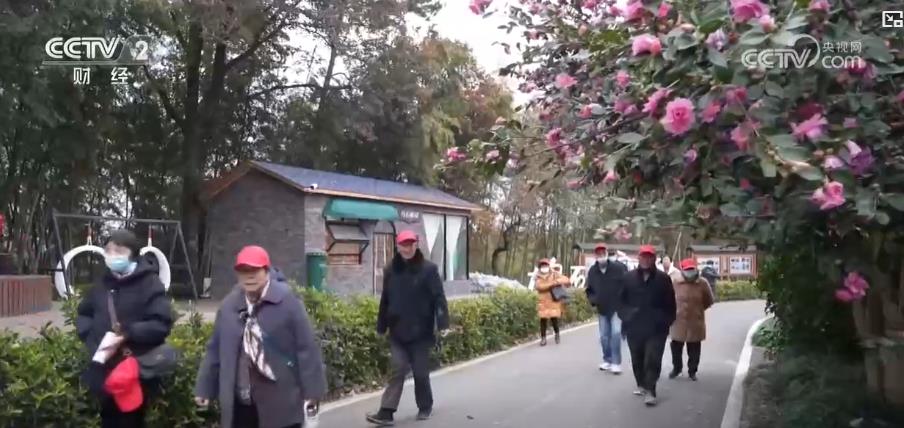
从 “走马观花” 到 “深度慢享”:银发旅游迭代升级 激活新消费场景
Yang Shi Wang· 2025-12-05 09:54
Group 1 - The core viewpoint of the articles highlights the increasing demand for diverse and personalized travel experiences among elderly tourists, who now represent over 20% of the total tourism population in China [1][3] - In Wushi Village, Zhejiang, the unique offerings such as traditional homestays and activities like wild vegetable foraging and handmade tofu making cater specifically to the preferences of older travelers, indicating a shift from traditional tourism methods [1] - Wushi Village is projected to receive over 1 million visitors in 2024, with an estimated 130 million visitors in 2023, of which 70% are elderly tourists, showcasing the growing market segment [1] Group 2 - The emergence of concepts like slow travel, micro-vacations, and wellness tourism reflects the evolving needs of elderly travelers, who are seeking more suitable travel experiences [3] - In Huangshan, a travel base has introduced integrated medical and wellness services, allowing elderly visitors to engage in activities such as tea mountain hiking and poetry reading, rather than merely visiting tourist attractions [3]

“Staycation”走俏!生意链比景区排队还长
Zhong Guo Zheng Quan Bao· 2025-10-03 14:44
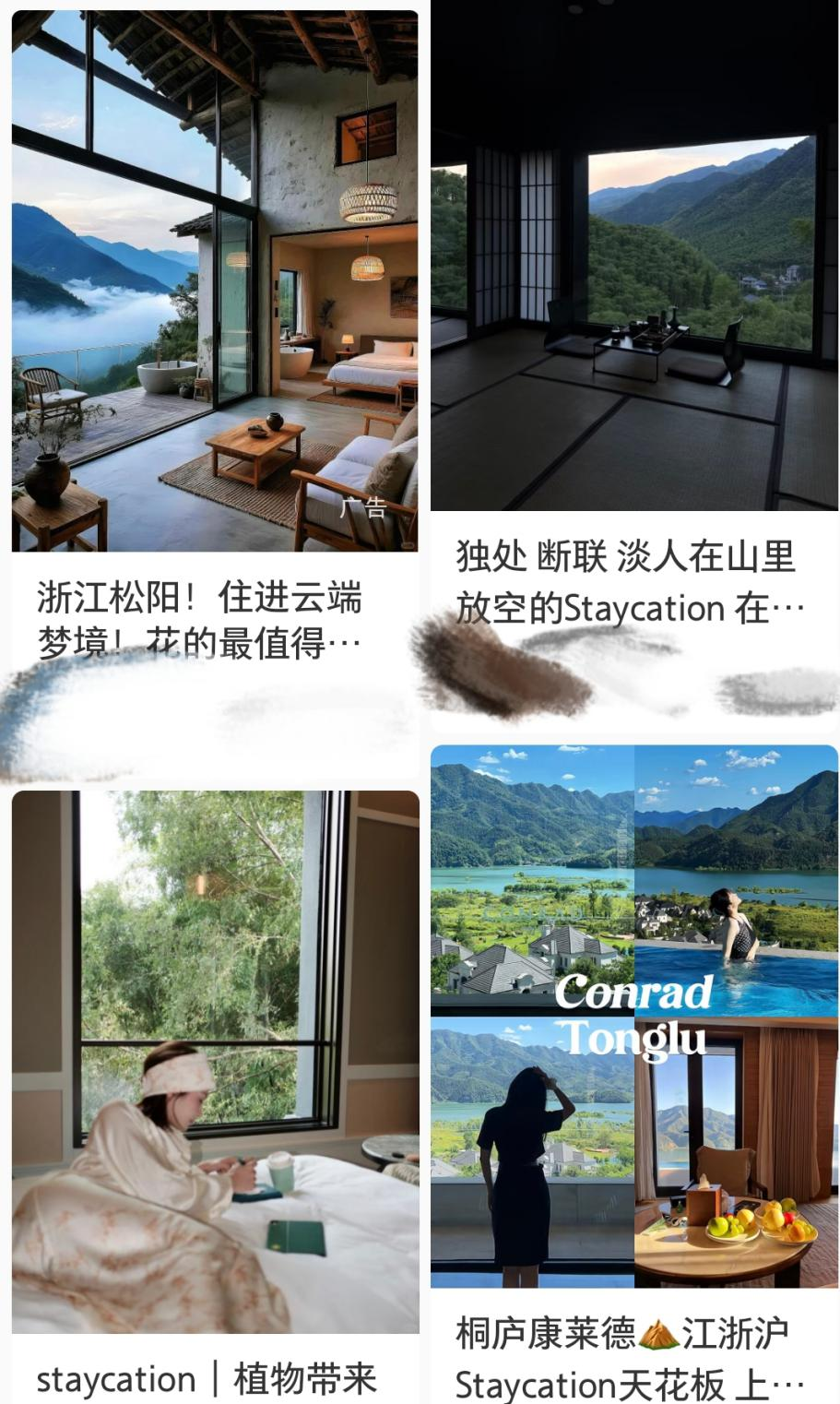
Group 1 - The trend of "staycation" is emerging as a new vacation style, where consumers prefer relaxing in hotels or homestays rather than visiting crowded tourist attractions during holidays [1][2] - "Staycation" combines the concepts of "stay" and "vacation," emphasizing leisure and comfort over traditional sightseeing [2][8] - The demand for "staycation" is leading to a shift in consumer preferences towards personalized and immersive travel experiences, with a reported over 40% year-on-year increase in customized travel sales during the National Day holiday [8][10] Group 2 - The hotel industry is adapting to the "staycation" trend, with hotel groups like Junting Hotels and Jinjiang Hotels expanding their offerings to include various themed vacation products [10] - The restaurant industry is also benefiting, as local eateries and specialty food vendors are expected to attract more customers due to increased hotel occupancy [10] - The leisure and entertainment sectors, including yoga studios and bookstores, are likely to see increased popularity as tourists seek relaxation during their stay [10][11] Group 3 - The "staycation" trend is creating new business opportunities, leading to an extended "business chain" that includes services like on-demand massage and mobile health checks [11] - Innovative business models are emerging, such as capsule farms where guests can grow vegetables online and pick them up at homestays, and sleep-related products being sold through mini vending machines [11]
今年最火的度假方式,我不敢抄作业
36氪· 2025-09-02 13:34
Core Viewpoint - The article discusses the emerging trend of "white-style vacation" in China, contrasting it with the previous "special forces travel" approach, highlighting a shift towards relaxation and leisure during vacations [4][6][38]. Group 1: Travel Trends - After two years of intense "special forces travel," people are feeling fatigued and are now seeking more relaxed vacation experiences [4][6]. - "Slow travel" has become a new trend, with individuals preferring to find comfortable hotels or vacation rentals to simply relax rather than visit multiple attractions [6][21]. - The concept of "staycation," where people vacation close to home, has gained popularity, with 1.1 billion views on related topics on social media platforms [21]. Group 2: Consumer Preferences - A significant portion of travelers (49.8%) express a strong desire for unique experiences associated with their accommodations, indicating a shift in what constitutes a vacation [23]. - The rise of hotels that focus on wellness and relaxation, such as those offering spa services and scenic views, reflects changing consumer preferences [24][23]. - The trend of "lying down" vacations is becoming mainstream, with many opting for nearby resorts or hotels that provide a relaxing environment [23][20]. Group 3: Cultural Reflections - The article reflects on the cultural differences in vacationing, noting that many East Asians struggle to embrace the concept of doing nothing during vacations, which is more common in Western cultures [7][35]. - The notion of leisure as a status symbol is discussed, with references to the work of economist Thorstein Veblen, suggesting that the ability to relax is often tied to one's economic status [34][35]. - The article emphasizes that the desire to relax and take time off is a growing trend, indicating a shift away from the traditional work ethic towards valuing leisure [38].

今年最火的度假方式,我不敢抄作业
Hu Xiu· 2025-08-31 06:02
Group 1 - The article discusses the emerging trend of "white-style vacation," contrasting it with the previous "special forces tourism" that focused on high-intensity sightseeing [1][3][19] - "Slow travel" has gained popularity, with people preferring to relax in comfortable hotels or vacation rentals rather than rushing to visit multiple attractions [2][3][19] - The concept of "staycation" has become prevalent, with significant online engagement, indicating a shift towards nearby leisure vacations [18][19][20] Group 2 - The article highlights the growing demand for hotels that offer unique experiences and amenities, making the accommodation itself a key attraction [20][21][24] - There is a notable increase in the development of vacation-oriented hotels and design-focused inns, particularly in urban areas [24][25][26] - The trend of returning to nature and cultural experiences is emerging, with accommodations incorporating local culture and leisure activities [26][27] Group 3 - The article points out the challenges and criticisms faced by the "staycation" trend, including issues with hotel quality and the authenticity of the experience [29][30] - The high costs associated with quality accommodations can deter potential vacationers, as prices often exceed a thousand yuan [30][31] - The article reflects on the societal pressures and cultural perceptions surrounding leisure and relaxation, particularly in East Asian contexts [33][34][36]
300公里“微度假”正在重塑中国旅游生态
2 1 Shi Ji Jing Ji Bao Dao· 2025-06-09 06:26
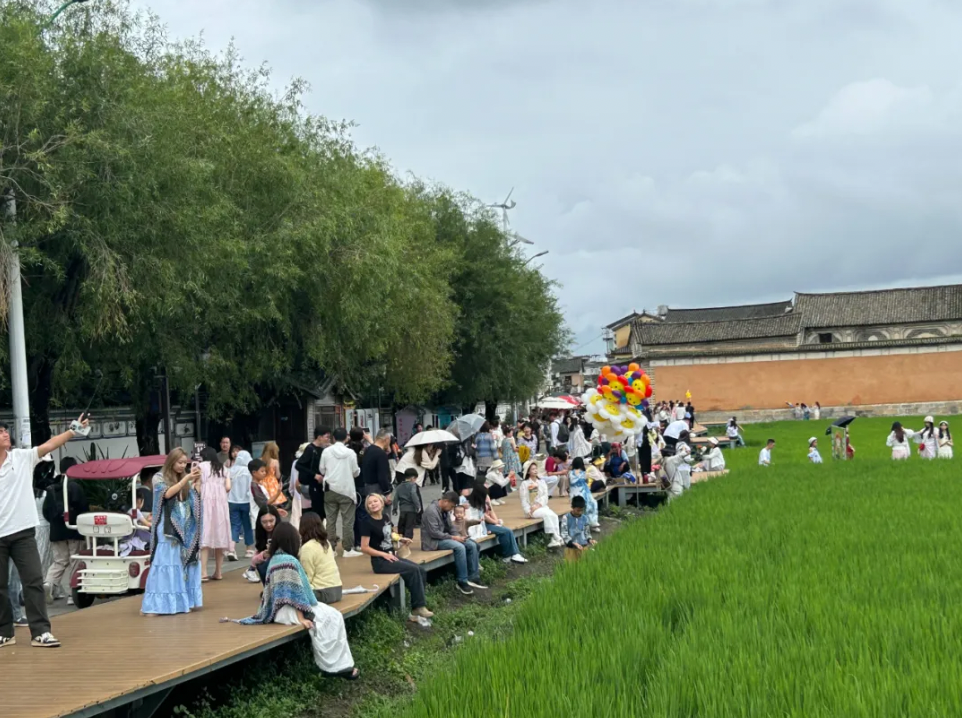
Core Insights - The domestic tourism market in China is experiencing a recovery and growth, with a projected increase of over 5% in both the number of trips and total spending during the 2025 Qingming, "May Day", and Dragon Boat Festival holidays compared to the previous year [1] - Short-distance travel and "micro-vacations" are emerging as significant trends, reshaping the tourism landscape and creating new opportunities in the cultural tourism market [1][6] Group 1: Market Trends - Local and surrounding travel constitutes 64% of domestic travel during the 2025 Dragon Boat Festival, indicating a strong preference for short-distance trips [2] - A survey shows that 84.39% of respondents prefer to take micro-vacations within 300 kilometers of their homes, driven by the convenience of high-speed rail and limited holiday durations [2] - The rise of family-oriented travel, particularly among the 80s and 90s generations, is further boosting short-distance travel, with family trips accounting for 25% of overall travel orders during the Dragon Boat Festival [3] Group 2: Regional Travel Dynamics - Cities within the Beijing-Tianjin-Hebei and Yangtze River Delta regions are forming interconnected tourism circles, with residents frequently traveling to nearby cities [3] - For instance, during the Dragon Boat Festival, Shenzhen's main tourist sources included nearby cities like Guangzhou and Dongguan, highlighting a trend of mutual travel destinations [3] - The Beijing-Tianjin-Hebei region has seen significant inter-city tourism, with 18.2% of visitors to Hebei Province during the 2025 Spring Festival coming from Beijing and Tianjin [3] Group 3: Changing Consumer Preferences - The concept of "micro-vacation" reflects a shift in consumer mindset, where travelers prioritize relaxation and immersion in local culture over visiting multiple attractions in a short time [5][6] - New hotel offerings, such as the Yuyuan Bay Resort in Shenzhen, cater to this trend, with a high repeat customer rate and a focus on providing a unique local experience [5] - The travel consumption market is transitioning towards slow travel and deep experiences, with businesses adapting by promoting surrounding travel products [6]
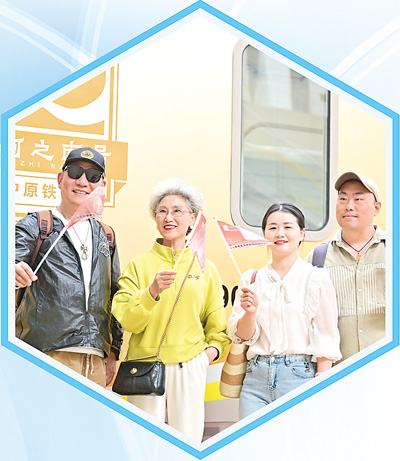
当列车慢游成为新时尚(经济聚焦)
Ren Min Ri Bao· 2025-06-02 21:43
Core Viewpoint - The article highlights the innovative development of themed tourist trains in China, focusing on enhancing travel experiences through cultural integration and improved services, which has led to a significant increase in tourism-related train services. Group 1: Themed Tourist Trains - The "Zhongyuan Railway·Dahuo South" themed train is the first of its kind in Henan, launched on April 20, 2023, offering a unique travel experience that combines cultural elements and comfort [5][6] - The train features cultural performances and heritage activities, such as Henan opera and dough figurine making, to immerse passengers in local culture [6] - The train has opened three tourist routes and introduced family-friendly travel packages, reflecting a shift from sightseeing to leisure travel [8] Group 2: Technological Integration - The "Fengwu Jiutian" themed train in Hainan incorporates smart devices and stylish interiors, enhancing the travel experience with features like self-service coffee machines and AI photo booths [9][10] - The train connects various tourist attractions, creating a seamless travel experience that integrates technology with cultural elements [10] Group 3: Floral Theme Train - The "Flower Appreciation Journey" train in Yunnan is the first floral-themed train in the country, showcasing local flower culture and providing a visually immersive experience [12][13] - Each carriage is uniquely decorated with different types of flowers, offering passengers a poetic travel experience [12] - The train also provides culinary experiences with flower-based dishes and interactive activities like flower arrangement [12][13]