
战略重塑

Search documents
斯特兰蒂斯首席执行官称车企整合发展实力更强了
Xin Lang Cai Jing· 2026-02-06 15:27
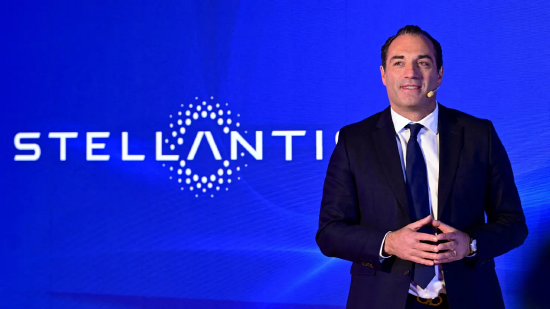
Core Viewpoint - Stellantis is facing significant challenges, leading to calls for brand or company split, but the CEO Antonio Filosa insists on maintaining a unified approach for future development [2][10]. Group 1: Business Restructuring - Stellantis announced a business restructuring involving a €22 billion (approximately $26 billion) impairment charge, which includes scaling back electrification plans and reintroducing V8 engines in U.S. models [2][12]. - The impairment charge breakdown includes €14.7 billion (approximately $17.3 billion) related to product planning adjustments, €2.1 billion (approximately $2.5 billion) for electric vehicle supply chain adjustments, €4.1 billion (approximately $4.8 billion) for warranty costs, and €1.3 billion (approximately $1.5 billion) for restructuring European operations [4][12]. Group 2: Market Performance and Strategy - Stellantis has seen a significant decline in market share, with global sales dropping from 6.5 million vehicles in 2021 to an estimated 5.7 million in 2024, a decrease of 12.3%, and a 27% drop in U.S. sales [8][15]. - The company's market share in the U.S. has fallen from 11.6% to 8%, and its global market share is projected to decrease from 8.1% in 2020 to an estimated 6.1% in 2025 [16]. - The CEO emphasized that the core mission is to achieve business growth by placing consumer preferences at the center of the company's strategy [2][11]. Group 3: Financial Implications - Stellantis has canceled its dividend for 2026 and plans to issue €5 billion (approximately $5.9 billion) in non-convertible hybrid bonds [5][12]. - Analysts have noted that the impairment charge is significantly higher than those taken by competitors Ford and General Motors, which may lead to further declines in stock price [14].

世代交替临近,李嘉诚正在重塑他的商业帝国
Sou Hu Cai Jing· 2025-12-22 11:08
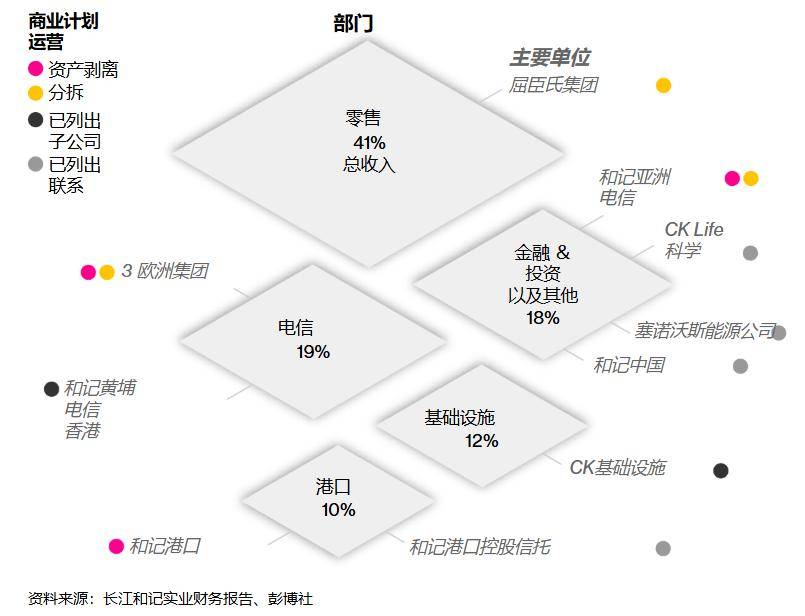
Group 1 - The article discusses how Li Ka-shing and his family are reshaping their business empire through significant transactions in anticipation of an upcoming generational transition [2][5] - Cheung Kong Holdings is pursuing three major initiatives: an IPO of its retail division to raise at least $2 billion, potential listing or partial sale of its global telecom business, and negotiations to sell 43 port assets, which could generate over $19 billion in cash [2][5] - The Li family, holding about 30% of Cheung Kong Holdings, believes that asset sales and spin-offs can unlock value exceeding current market valuations, aiming to reduce the significant discount between the company's stock price and its net asset value [5][9] Group 2 - The restructuring efforts are seen as a way to ensure the family's wealth is realized and preserved, with Li Ka-shing's son, Li Zeju, facing challenges in navigating a more turbulent business environment [7][9] - The potential transactions have helped improve market sentiment, narrowing the gap between market price and net asset value, contributing to a 32% increase in the stock market this year, outperforming the Hang Seng Index [9] - The Li family is also increasing its stake in Cheung Kong Property Holdings, currently holding about 49%, indicating a strategic focus on real estate projects primarily located in Hong Kong and mainland China [9]

荣耀“清场”旧荣耀
Bei Jing Shang Bao· 2025-12-15 13:47
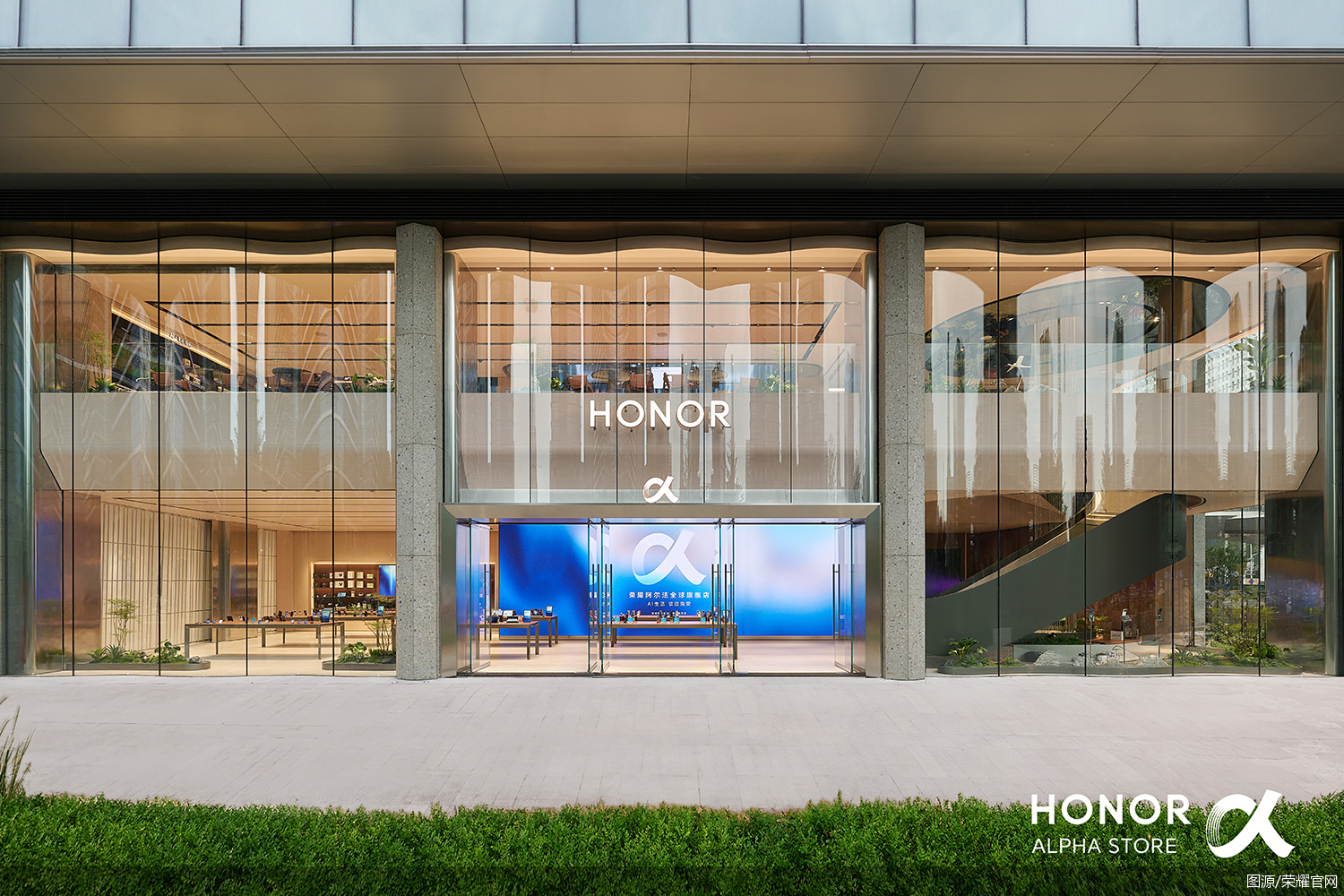
Core Insights - Honor is celebrating its fifth anniversary as an independent brand, with CEO Li Jian emphasizing a youthful and energetic approach for the future [1] - The departure of key management members, including former brand marketing president Guo Rui, signals a significant leadership transition as the company prepares for its IPO [1][4] Management Changes - From fall 2024 to the end of 2025, Honor's core management team has undergone multiple changes, with significant departures including former vice chairman Wan Biao and CEO Zhao Ming [4][6] - Wan Biao, who played a crucial role in the company's supply chain reconstruction, left in September 2024, while Zhao Ming stepped down in January 2025 due to health reasons [4][6] - The new management team, including Li Jian as CEO and Guo Rui's successor as CMO, reflects a strategic shift aimed at preparing for the upcoming IPO [4][5] IPO Progress - Honor completed a significant shareholding reform on December 28, 2024, changing its name to Honor Terminal Co., Ltd., which cleared the way for its IPO [7][8] - The company has expanded its shareholder base to 23, including major players like China Mobile and China Telecom, enhancing its resource foundation for the IPO [8] - As of June 26, 2025, Honor has entered the substantive phase of its IPO process, with a structured three-phase guidance plan expected to conclude by March 2026 [8][9] Market Performance - Honor's market share faced challenges in 2024, dropping to 14.9%, a decline of 8.1% year-on-year, but showed signs of recovery in Q3 2025 with a return to the top five brands in China [10][11] - Despite the recovery, recent data indicates that Honor's market position remains unstable, fluctuating between the fifth and sixth ranks in the domestic market [10][11] - Changes in product pricing and user demographics may pose risks to the company's market stability, particularly as a significant portion of its customer base is price-sensitive [11]
新能源车均价创6年新低,价格战「寒气」侵蚀供应链
3 6 Ke· 2025-11-08 01:02
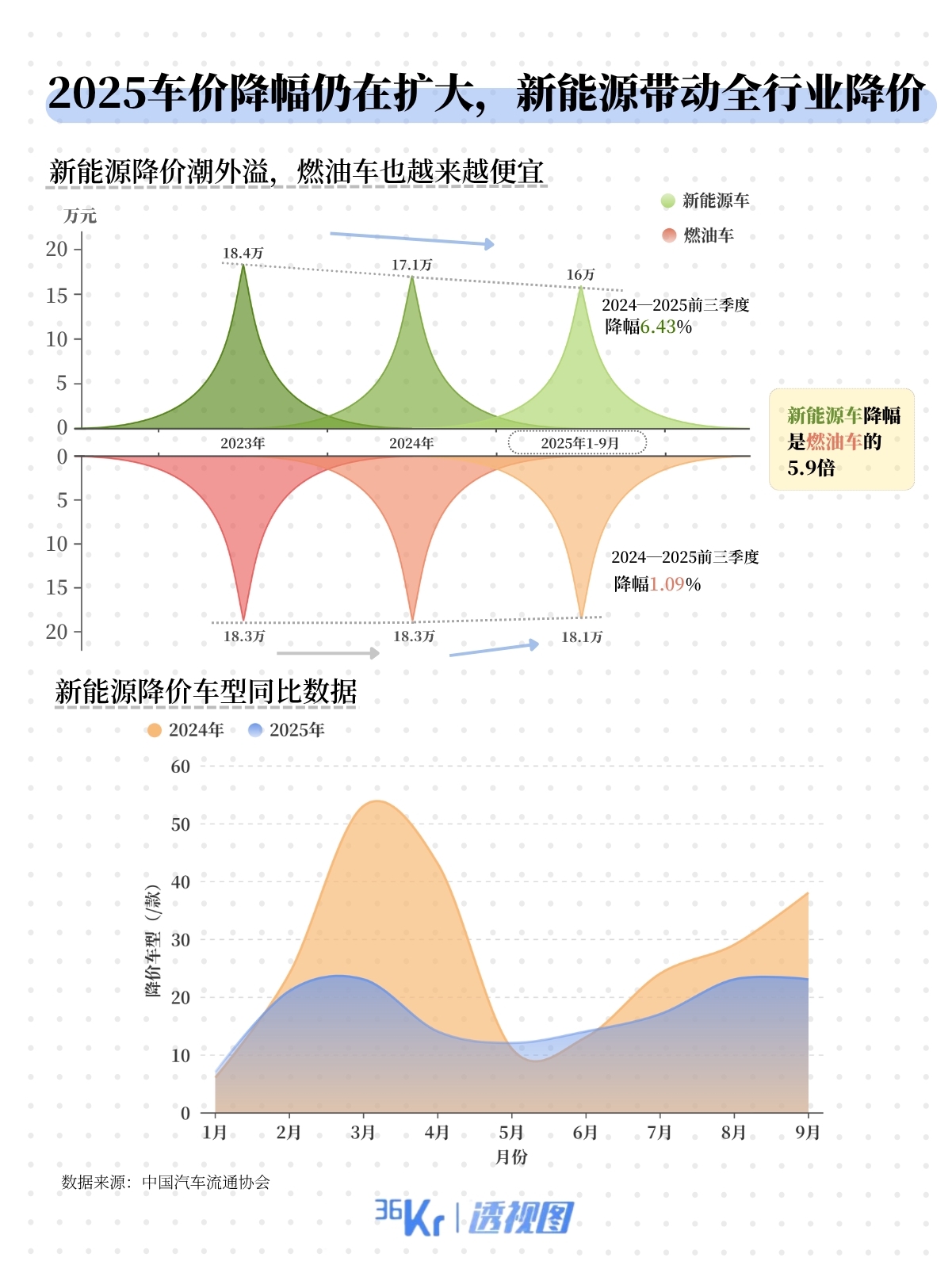
Core Insights - The Chinese automotive industry is experiencing an intensified price war, leading to significant challenges for various companies in the sector [1]. Industry Overview - In September 2025, the average sales price of new energy vehicles dropped to 158,000 yuan, marking the first time it fell below the 160,000 yuan threshold since 2019. This price decline is attributed to fierce competition, resulting in increased sales for brands like Li Auto and Xpeng, but with stagnant profit growth [3]. - Major automakers such as BYD, Toyota, and Volkswagen are caught in a cycle where revenue increases do not translate into profit growth, indicating a long-term adverse effect of continuous price reductions [3]. Supply Chain Dynamics - To manage costs, automakers are pressuring suppliers to lower prices and are extending payment cycles significantly. This price war is affecting the entire automotive supply chain, with varying impacts across different players [7]. - Raw material manufacturers like Baosteel and Chalco are experiencing steady growth and have ample funds, while core battery manufacturers like CATL show significant growth. However, manufacturers of key materials such as cathodes and separators are still facing losses [9]. Strategic Shifts - As the price war evolves from a short-term strategy to a norm, the survival of automakers and their supply chains hinges on technological-driven cost optimization rather than mere price cuts. There is a need to shift from a focus on "price competition" to "value competition" [12].
锂电负极龙头或将易主!民营船王接盘!
起点锂电· 2025-10-09 10:10
Group 1 - The core event is the CINE2025 Solid-State Battery Exhibition and Industry Annual Conference scheduled for November 6-8, 2025, in Guangzhou, with over 200 exhibitors and 20,000 professional attendees expected [1] - The restructuring of Ningbo Shanshan Co., Ltd. is underway, with a new control structure emerging from a joint investment agreement involving multiple parties, including Jiangsu New Yangzi Trading Co., Ltd. and TCL Technology [2][3] - The joint investment group aims to acquire a controlling stake of 23.36% in Shanshan Co. for approximately 3.284 billion yuan [5] Group 2 - The new actual controller of Shanshan Co. will be Ren Yuanlin, a prominent figure in the shipbuilding industry, known as the "King of Private Shipbuilding" in China [6] - Shanshan Co. has faced significant changes in control following the sudden death of its founder, leading to a power struggle and eventual restructuring [8] - The financial performance of the new controlling entity, Yangzi Jiang Shipbuilding, shows a total revenue of 12.9 billion yuan and a net profit of 4.2 billion yuan for the first half of 2025, indicating a 37% year-on-year growth [6]

汉堡王中国关店107家,同店销售额由负转正
Shen Zhen Shang Bao· 2025-08-15 13:06
Group 1 - The core point of the article highlights the operational challenges faced by Burger King China, including a reduction in store count and a recent turnaround in same-store sales growth [1][2] - As of June 30, 2023, Burger King China's store count decreased from 1,474 at the end of last year to 1,367, resulting in a net reduction of 107 stores [1] - Despite the decrease in store count, same-store sales growth turned positive in Q2 2023, recording a 2.2% increase after experiencing declines over the previous six quarters [1] Group 2 - The system sales figures for Burger King China were reported as $804 million for 2023, $668 million for 2024, and $309 million for the first half of this year [1] - In early 2023, Restaurant Brands International initiated a strategic transformation for Burger King China, focusing on local leadership, including the appointment of Chen Wenrui as the new CEO and Chief Supply Chain Officer [1] - Burger King China plans to open 40 to 60 new restaurants by 2025, targeting core business districts in first and second-tier cities, and is testing a 30-square-meter micro-store model to reduce investment costs [2]