
技术性贸易措施

Search documents
全国首批!青岛8家宠物食品企业获出口巴西入场券
Qi Lu Wan Bao· 2026-02-27 13:59
Group 1 - Eight companies from Qingdao, including Qingdao Bellman Food Co., Ltd. and Qingdao Huafuxing Food Co., Ltd., have successfully obtained official feed export registration qualifications for Brazil, marking them as the first batch of pet food companies in China to gain market access to Brazil [1][2] - The successful registration is seen as a "golden key" to the South American market, allowing these companies to seize market opportunities and expand their export businesses [1][2] - Currently, there are 62 pet food exporting companies in Qingdao, highlighting the significant effects of industrial agglomeration and development [1][2] Group 2 - The Brazilian government will implement new regulations for feed export registration by the end of 2025, requiring companies to complete official registration to gain market access [1] - Qingdao Customs has actively supported companies by providing comprehensive technical guidance in areas such as foreign legal training, production process control, and self-inspection systems to facilitate the registration process [2] - Qingdao Customs plans to continue deepening reforms to enhance service quality and efficiency, focusing on addressing the urgent needs of companies in expanding international markets [2]
全国首个智能终端技贸基地落户东莞市
Zhong Guo Xin Wen Wang· 2026-01-26 09:48
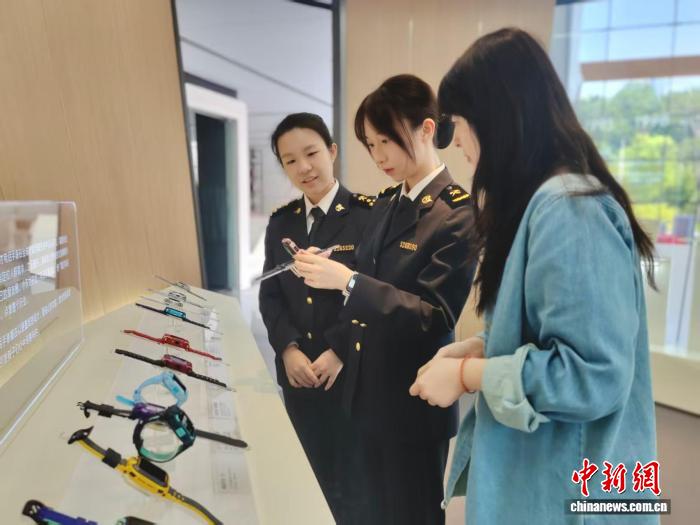
Core Viewpoint - The establishment of the WTO/TBT-SPS National Notification and Consultation Center for Intelligent Terminal Technical Trade Measures Research and Evaluation Base in Dongguan is aimed at supporting intelligent terminal enterprises in overcoming overseas technical trade barriers and ensuring the security of the industrial chain [1][3]. Group 1: Industry Overview - Dongguan is a core hub for the intelligent terminal industry in China, with a strong industrial foundation. By 2025, the export value of intelligent terminal products, including smartphones and smart wearables, is expected to reach 108.18 billion yuan, with products exported to Europe, America, Southeast Asia, and countries along the Belt and Road [3]. - Currently, one in every six intelligent terminal devices globally is produced in Dongguan, which has over 30,000 related enterprises and a supply chain integration rate exceeding 90% [3]. Group 2: Research and Evaluation Base - The newly established research and evaluation base will focus on addressing the increasing technical trade measures imposed by various countries, which have become "invisible barriers" for Dongguan's intelligent terminal product exports [3]. - The base will collaborate with local governments, industry associations, leading enterprises, and research institutions to conduct systematic research and provide tailored solutions for enterprises to navigate export challenges [3][4]. Group 3: Future Plans and Goals - The base aims to create a collaborative mechanism integrating government, industry, academia, and research, enhancing research capabilities and providing timely warnings to enterprises [3]. - It will offer "one-on-one" response plans, technical training, and policy consulting services, shifting the industry from a "passive response" to "proactive breakthroughs" and even "rule-setting" [3]. - The establishment of the base is seen as a key driver for upgrading Dongguan's intelligent terminal industry, with plans to develop an "East Guangdong Standard" to enhance the global competitiveness of Dongguan-manufactured intelligent terminal products [4].

干货满满!这场培训为企业扬帆非洲“充电”
Chang Sha Wan Bao· 2026-01-09 08:43
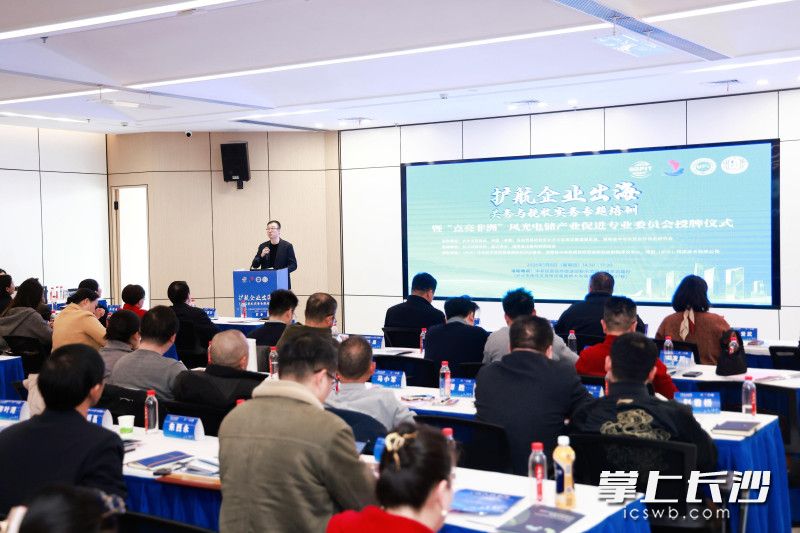
Core Viewpoint - The event addresses the challenges of customs regulation and tax compliance faced by companies expanding into international markets, emphasizing the importance of risk mitigation and policy benefits [1]. Group 1: Event Overview - The event titled "Safeguarding Enterprises Going Abroad: Customs and Tax Practical Training and 'Lighting Up Africa' Wind Power Storage Industry Promotion Committee Awarding Ceremony" took place in Changsha [1]. - It was co-hosted by multiple organizations including the Changsha Council for the Promotion of International Trade and attracted nearly 130 representatives from government, industry, and media, with over 4,100 online views [2]. Group 2: Training Content - The training provided systematic guidance through a combination of policy interpretation, practical operations, and expert Q&A, focusing on the actual needs of companies going abroad [2]. - Experts discussed the impact of technical trade measures, RCEP preferential origin certificate rules, and export tax rebate policies, directly addressing customs and tax challenges faced by enterprises [2]. Group 3: Interactive Session and Future Initiatives - During the interactive Q&A session, participants actively inquired about overseas market technical standards, RCEP cumulative rules, and tax refund processes, receiving detailed responses from experts [3]. - The event also announced resource connection channels for future services to support companies going abroad, aiming to establish a long-term service mechanism [3]. - The establishment of the "Lighting Up Africa" Wind Power Storage Industry Promotion Committee signifies a strengthened collaborative mechanism for advancing national projects in Hunan, providing organizational support for companies in the African renewable energy market [3].
AI广西 AI中国 AI东盟丨在标准数据“海洋”里装上AI导航
Guang Xi Ri Bao· 2025-12-25 02:56
Core Insights - The integration of AI technology has significantly improved the efficiency of analyzing Technical Barriers to Trade (TBT) notifications, reducing the processing time from 5-7 days to just 3 days, allowing for precise alerts to businesses [1] - The platforms developed by Guangxi Standard Technology Research Institute, including the China-ASEAN/RCEP Standards Cloud Platform and the WTO/TBT Technical Barriers to Trade Service Platform, have garnered widespread attention for their innovative applications in market regulation [2] Group 1 - The China-ASEAN/RCEP Standards Cloud Platform has accumulated over 2,800 TBT notifications since 2018, with more than 530 notifications recorded since 2025, showcasing the extensive data collection capabilities [2] - The upgraded system allows for automatic matching of relevant information and quick extraction of key content, enhancing the efficiency of data processing by tenfold [2] - The platforms utilize a smart warning algorithm that combines domestic and international standards with TBT notification data, providing businesses with tailored strategies and recommendations based on their product parameters and target country requirements [2] Group 2 - Guangxi Bingke Food Co., Ltd. has expressed satisfaction with the WTO/TBT Technical Barriers to Trade Service Platform, highlighting its role in timely notifications that help mitigate trade risks and adjust production accordingly [3] - The two platforms have gathered over 30,000 ASEAN country standard texts and more than 1.7 million items of TBT notification data, facilitating the export of Chinese products and the import of foreign goods [3] - The application of AI technology is seen as a means to bridge the digital divide between countries, aiming to break down standard barriers and promote smoother trade and closer cooperation in the future [3]
出口商品技术指南
Shang Wu Bu Wang Zhan· 2025-12-08 08:14
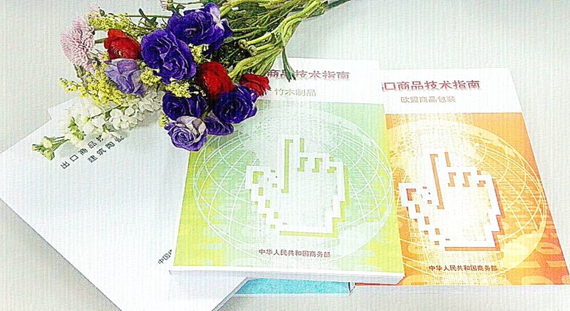
Group 1 - The core viewpoint of the articles emphasizes the importance of enhancing technological competitiveness among Chinese enterprises to adapt to international market demands and improve trade quality and structure [2][3] - Since the implementation of the "Technology-Driven Trade" strategy, Chinese companies have been actively developing key technologies and undergoing technological transformations to meet increasing foreign market access requirements [2] - The "Export Commodity Technical Guidelines" issued by the Ministry of Commerce serves as a public product aimed at promoting the construction of a trade power, aligning with the spirit of the 19th National Congress of the Communist Party of China [2] Group 2 - The impact of technical trade measures on Chinese trade has been increasing, with 34.1% of export enterprises affected by such measures in 2016, resulting in direct losses of 326.56 billion yuan and additional costs of 204.74 billion yuan for enterprises [2] - A significant challenge for many Chinese enterprises, especially small and medium-sized ones, is the lack of information regarding foreign technical trade measures, making them less sensitive to changes in market access conditions [3] - To address these challenges, the Ministry of Commerce aims to enhance public information services, helping enterprises understand foreign market standards and technical regulations, thereby improving their ability to navigate technical trade barriers [3]
市场监管总局集中公布技术性贸易措施典型案例
Zhong Guo Xin Wen Wang· 2025-10-17 13:34
Core Insights - The article discusses the efforts of various provincial market regulatory departments in China to support local industries in overcoming technical trade barriers and enhancing international competitiveness through targeted measures [1]. Group 1: Hebei Province - Hebei's power transmission and transformation equipment industry, the largest in China, faces challenges such as complex international certification processes and high costs [2]. - The provincial market regulatory department has implemented support measures, including a warning mechanism and integration of international certification requirements into R&D [2]. - As a result, the export order value for related products exceeded 1 billion yuan in 2024, covering over 60 countries and regions [2]. Group 2: Jilin Province - Jilin's commercial vehicle industry, with over 20% of its trade in foreign markets, is impacted by frequent updates to foreign technical regulations [3]. - The market regulatory department has established a three-tier response mechanism to address these challenges and support compliance with international standards [3]. - In 2024, Jilin's commercial vehicle exports reached 57,000 units, a year-on-year increase of 27.4%, marking a historical high [3]. Group 3: Yunnan Province - Yunnan's cable industry achieved an export value of 250 million yuan in 2024, with over 85% of this in the Lancang-Mekong region [4][5]. - The provincial market regulatory department has enhanced standard services and established cooperation with Laos to facilitate compliance with local standards [4]. - The export value is expected to exceed 300 million yuan in 2025, representing a growth of 20% [5]. Group 4: Chongqing City - Chongqing's door industry is leveraging AI and digital transformation to expand internationally, facing various technical trade barriers [6][7]. - The market regulatory department has initiated advanced standard technology research and implemented differentiated market strategies [7]. - In the first half of 2025, the export volume of Chongqing's door products increased by 8.2% year-on-year [7]. Group 5: Hainan Province - Hainan's agricultural exports reached 5.725 billion yuan in 2024, a year-on-year increase of 19.42%, despite facing challenges from evolving international standards [8]. - The market regulatory department has established an online platform for trade measures and conducted training to enhance compliance awareness among enterprises [8]. - The export structure has improved, with significant growth in seafood and fresh fruit exports [8]. Group 6: Shandong Province - Shandong, a major producer of new energy equipment, faces challenges from international certification barriers [9]. - The market regulatory department has created a support system combining mutual recognition of testing and precise services [9]. - Over the past three years, Shandong's exports of new energy equipment and power distribution products exceeded 55 billion yuan [9]. Group 7: Hunan Province - Hunan, a major tea producer, has faced export challenges due to changes in Russian inspection policies [10]. - The market regulatory department has facilitated standard comparisons and negotiations with Russian authorities to ease export barriers [10]. - Successful adjustments in inspection policies have led to smooth tea exports to Russia in 2024 [10]. Group 8: Zhejiang Province - Zhejiang accounts for 76% of China's festive light exports, facing stringent EU technical trade barriers [11]. - The market regulatory department has implemented smart warning systems and organized expert training to assist compliance [11]. - In 2024, the export value of festive lights to the EU increased by 18.7%, with a product compliance rate of 98% [11]. Group 9: Guangdong Province - Guangdong's battery exports to the EU reached 24.9 billion USD in 2023, facing complex new regulations [12]. - The market regulatory department has established a three-part response mechanism to address these challenges [12]. - The proactive measures have led to increased attention from the EU regarding the industry's concerns [12]. Group 10: Sichuan Province - Sichuan's agricultural exports to India are affected by new registration requirements, with an export value of approximately 120 million yuan [13]. - The market regulatory department has enhanced warning systems and training to help enterprises navigate these barriers [13]. - Successful negotiations have resulted in an extended implementation date for registration requirements, providing a buffer period for exporters [13].
市场监管总局公布一批技术性贸易措施典型案例
Yang Shi Wang· 2025-10-17 12:18
Core Insights - The article discusses the efforts of various provincial market regulatory departments in China to support local industries in overcoming technical trade barriers and enhancing international competitiveness through targeted measures [1]. Group 1: Hebei Province - Hebei's power transmission and transformation equipment industry, the largest in China, faces challenges such as complex international certification processes and high costs [2]. - The provincial market regulatory department has implemented support measures, including a warning mechanism and technical upgrades, leading to over 1 billion yuan in export orders in 2024 [2]. Group 2: Jilin Province - Jilin's commercial vehicle industry, with over 20% of its trade in exports, is impacted by frequent updates in foreign technical regulations [3]. - The province has established a three-tier response mechanism and achieved a 27.4% year-on-year increase in export volume, reaching 57,000 units in 2024 [3]. Group 3: Yunnan Province - Yunnan's cable industry has seen 250 million yuan in exports in 2024, with over 85% of sales in the Lancang-Mekong region [4]. - The provincial department has enhanced standard services and cooperation with Laos, leading to a 6.8% growth in export value [4]. Group 4: Chongqing City - Chongqing's door industry is leveraging AI and digital transformation to expand internationally, facing various technical trade barriers [5][6]. - The market regulatory department has initiated advanced standard technology research, resulting in an 8.2% increase in export volume in the first half of 2025 [6]. Group 5: Hainan Province - Hainan's agricultural exports reached 5.725 billion yuan in 2024, growing by 19.42% [7]. - The provincial department has established an online platform for trade measures and conducted training to enhance compliance awareness among enterprises [7]. Group 6: Shandong Province - Shandong, a major producer of new energy equipment, faces challenges due to international certification barriers [8]. - The province has developed a support system that includes mutual recognition of testing and standards, leading to over 55 billion yuan in exports in the past three years [8]. Group 7: Hunan Province - Hunan, a major tea producer, has faced export challenges due to changes in Russian inspection policies [9]. - The provincial department has facilitated negotiations with Russian authorities, resulting in successful tea exports without returns in 2024 [9]. Group 8: Zhejiang Province - Zhejiang accounts for 76% of China's festive lighting exports, facing stringent EU technical barriers [10]. - The provincial department has implemented measures that led to an 18.7% increase in export value and a 45% reduction in testing costs in 2024 [10]. Group 9: Guangdong Province - Guangdong's battery exports to the EU reached 24.9 billion USD in 2023, facing complex regulatory challenges [11]. - The provincial department has established a three-part response mechanism to address these challenges, gaining attention from EU authorities [11]. Group 10: Sichuan Province - Sichuan's agricultural exports to India are approximately 120 million USD, impacted by new registration requirements [12]. - The provincial department has successfully negotiated an extension for compliance deadlines, providing a 19-month buffer for local enterprises [12].
为保障山东农产品“飘香”海外,海关这样“破壁拓路”
Qi Lu Wan Bao· 2025-10-16 08:07
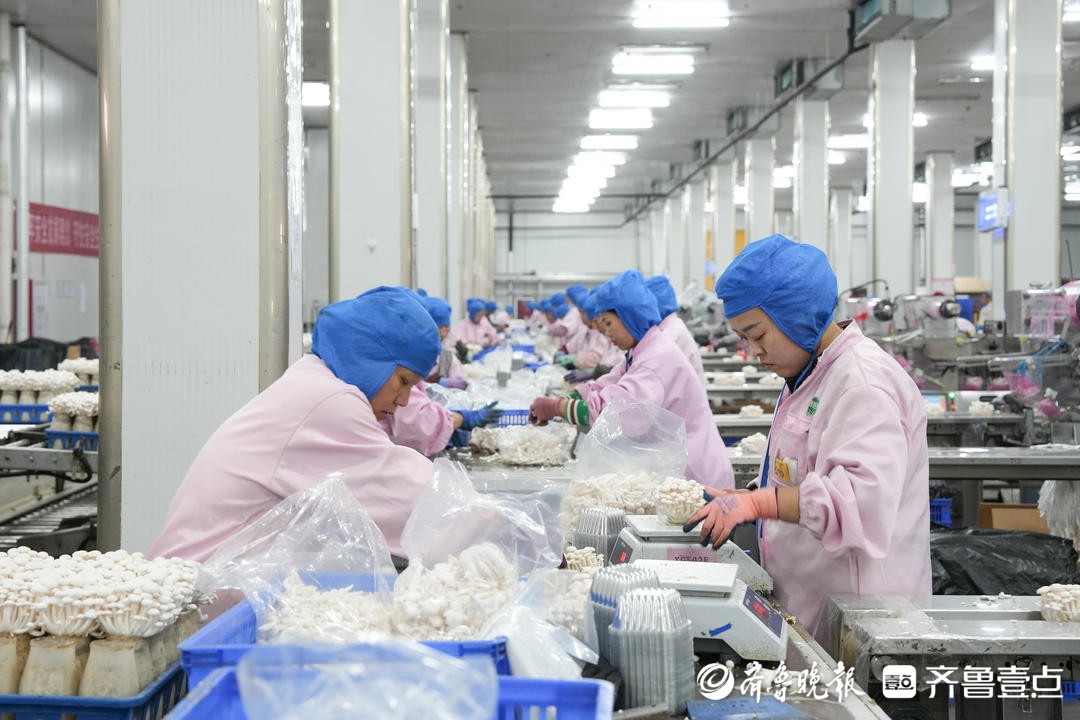
Core Viewpoint - The press conference highlighted the challenges faced by Shandong's foreign trade, particularly due to technical trade measures imposed by various countries, which significantly impact agricultural exports [1][2]. Group 1: Trade Measures and Impact - In 2024, 95 WTO members reported 6,484 technical trade measures, marking a 6.8% increase and setting a historical high, indicating that these measures are a critical factor affecting foreign trade exports [1][2]. - Agricultural products are a primary focus of these technical trade measures, leading to direct losses such as order cancellations and product returns due to stringent regulations and certification processes in overseas markets [1][2]. Group 2: Shandong Agricultural Exports - Shandong ranks first in agricultural product exports in China, accounting for 7.6% of the province's total export value, with agricultural exports reaching 121.74 billion yuan, a growth of 3.6% in the first three quarters [2]. - The Jinan Customs has conducted research on 31 foreign technical trade measures this year, successfully advocating for the cancellation of 6 measures and the modification or clarification of 19 measures related to poultry and broccoli [2]. Group 3: Strategies and Initiatives - Jinan Customs has strengthened monitoring and early warning systems, providing 1,073 warning messages and conducting 23 targeted training sessions to enhance compliance capabilities for exporters [2]. - The customs authority is actively participating in international consultations, tracking new developments in technical trade measures from major trading partners, and has proposed 11 key issues to gain a voice in rule-making [2]. - Jinan Customs aims to enhance service quality related to technical trade measures, promoting Shandong and the Yellow River basin's quality products to international markets [2].

市场监管总局打造WTO技术性贸易措施通报预警平台中文版2.0版
Yang Shi Wang· 2025-08-28 01:24
Core Viewpoint - The meeting held on August 27 aims to enhance the quality of technical trade measures services for export enterprises in response to the central government's push for high-level opening-up and stabilization of foreign trade and investment [1] Group 1: Technical Trade Measures Platform - The Market Supervision Administration is developing a Chinese version 2.0 of the WTO technical trade measures notification and early warning platform, which will provide better public services for export enterprises [1] - The 2.0 version will match over 6,000 technical trade measures reported annually with key export industries in China, offering targeted intelligent early warning services [1] - A large database of domestic and international standards and technical regulations will be constructed to provide customized tracking, assessment, early warning, evaluation, and response services for foreign technical trade barriers [1] Group 2: Impact on Trade - Technical trade measures are significant non-tariff measures that affect 80% of trade, with an increasing number of countries setting up such barriers to protect domestic industries amid sluggish global economic growth [1] - The 2.0 version will also develop an intelligent monitoring system to track reported foreign technical trade barriers in real-time and assess emerging barriers, allowing enterprises more preparation time to respond [1]
山东以技术性贸易措施服务撬动“一带一路”新机遇
Sou Hu Cai Jing· 2025-06-23 15:15
Group 1 - The article highlights the challenges faced by Chinese enterprises in expanding into international markets due to technical trade measures, with Shandong Province taking a proactive role in addressing these issues [1] - Shandong's market supervision authority has established a comprehensive service system to help over 1,500 foreign trade enterprises overcome international technical barriers and shorten market access cycles, particularly in ASEAN, Central and Eastern Europe, and Central Asia [1] - The authority has developed over 20 export guidelines covering nearly 100 technical regulations, providing in-depth analysis tailored to the industrial structures and trade characteristics of Belt and Road countries [1] Group 2 - Shandong's market supervision authority has created a real-time warning system to help export enterprises avoid compliance risks associated with new regulations, achieving over 100,000 annual visits to its consultation and warning service platforms [2] - The authority has conducted training sessions to empower enterprises in compliance management, addressing specific technical compliance challenges faced by cross-border e-commerce companies [2] - Over the past three years, the authority has trained compliance personnel for more than 900 enterprises, enhancing their ability to navigate international trade regulations [2] Group 3 - Shandong Province has engaged in international cooperation through trade dialogues in Indonesia, Cambodia, and Vietnam, resulting in over 30 cooperation intentions with local enterprises [3] - The authority has introduced a new model for promoting "Good Products from Shandong," facilitating the export of products, technology, brands, and standards to international markets [3] - Shandong's market supervision authority is focused on leveraging technical trade measures to foster a new development pattern for Belt and Road market openness, aiming to enhance cooperation and standard integration [3]