收入差距

Search documents
世界银行:全球经济韧性超出预期,穷国和富国收入差距拉大
2 1 Shi Ji Jing Ji Bao Dao· 2026-01-15 05:41
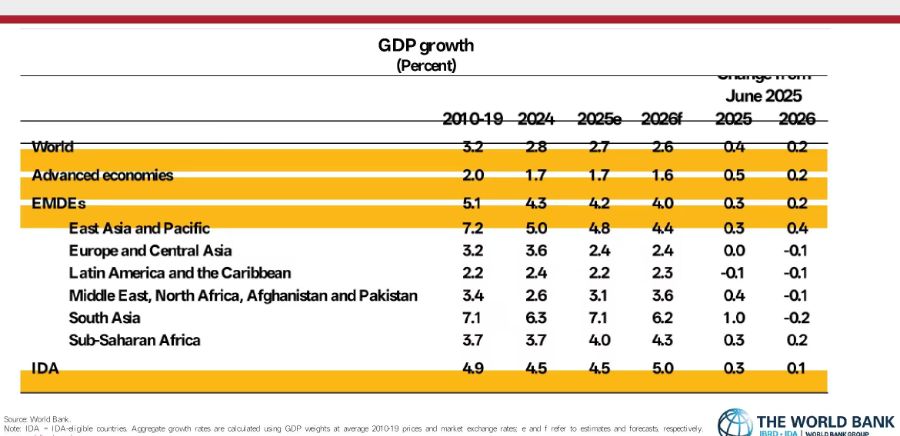
Group 1 - The World Bank projects that the GDP growth for developing economies will slow from 4.2% in 2025 to 4% in 2026, with a slight recovery to 4.1% in 2027 due to easing trade tensions and improved financial conditions [4] - By 2026, the per capita income growth for developing economies is expected to be 3%, which is approximately 1 percentage point lower than the average growth rate from 2000 to 2019, resulting in per capita income reaching only 12% of that of developed economies [4][3] - The report indicates that by the end of 2025, nearly all developed economies will have surpassed their per capita income levels from 2019, while about one-quarter of developing economies will still be below that level [3] Group 2 - The World Bank's latest Global Economic Outlook report highlights that global economic resilience has exceeded expectations despite ongoing trade tensions and policy uncertainties, with a forecasted global growth rate of 2.6% in 2026 [3] - The chief economist of the World Bank emphasizes the need for governments in both emerging and developed economies to actively promote private investment and trade, while managing public spending and increasing investment in new technologies and education to avoid stagnation and unemployment [4] - The report suggests that the upcoming decade will see 1.2 billion young people entering the labor force in developing economies, which may exacerbate employment pressures, necessitating comprehensive policy actions to enhance productivity and employment capacity [5]

Are You Really Earning Enough at 45–54? See How Your Income Compares Today
Yahoo Finance· 2025-12-23 12:49
Core Insights - Household income and wealth significantly shift with age, peaking at ages 45-54, according to the Federal Reserve's Survey of Consumer Finances [1][4] - The median family income for ages 45-54 was $91,880 in 2022, the highest among all age groups [2][4] - Income levels vary widely based on education and homeownership, with homeowners and college graduates earning substantially more [5][6] Income Comparisons - Households aged 35-44 reported a median income of $86,470, while those aged 75 and older earned $49,070, reflecting reliance on retirement income sources [3][4] - The median U.S. income across all households was $70,260, indicating a broader context for income levels [6] Education and Income Gaps - The survey reveals significant income disparities tied to education, with families without a high school diploma earning a median of $32,430, compared to $117,820 for those with a college degree [7] - High school graduates earned a median of $52,960, while those with some college earned $60,530, highlighting the importance of education in income potential [7]
求是网:如何认识我国现行收入差距的成因
Sou Hu Cai Jing· 2025-12-11 03:09
Group 1 - The income distribution pattern in China is a result of policy orientation and institutional arrangements, reflecting economic development stages, particularly during periods of rapid economic growth [1] - The average disposable income per capita in China reached 21,840 yuan in the first half of the year, showing a nominal increase of 5.3% year-on-year and a real increase of 5.4% after adjusting for price factors [4] - Income inequality should be understood in the context of economic development, where industrialization and structural upgrades lead to capital deepening, resulting in a decline in labor compensation and household income share [4] Group 2 - The urban-rural income gap is a development phenomenon, with the transfer of surplus labor from agriculture to non-agricultural sectors leading to increased agricultural productivity and overall national productivity [5] - The agricultural labor force, which constituted 22.2% of the total labor force in 2024, only produced 6.8% of GDP, indicating low agricultural labor productivity and contributing to the widening income gap between urban and rural areas [5] - The Gini coefficient, which reflects overall income distribution, has shown that the urban-rural income ratio has been a significant contributor to income disparity, with recent trends indicating a more pronounced reduction in urban-rural income gaps compared to overall income inequality [6][7] Group 3 - The narrowing of rural income gaps and urban-rural disparities has not significantly improved overall income distribution, as urban income disparities have become a more prominent factor in overall income inequality [7] - Structural employment issues in urban labor markets, exacerbated by the impact of artificial intelligence and insufficient labor rights protections in platform employment, contribute to the widening urban income gap [7] - The income disparity in China is a product of its development stage, with changes in income distribution patterns linked to institutional development and policy implementation [8]

美国9月零售销售:增长0.2%,消费者动能三季度末减弱
Sou Hu Cai Jing· 2025-11-25 23:14
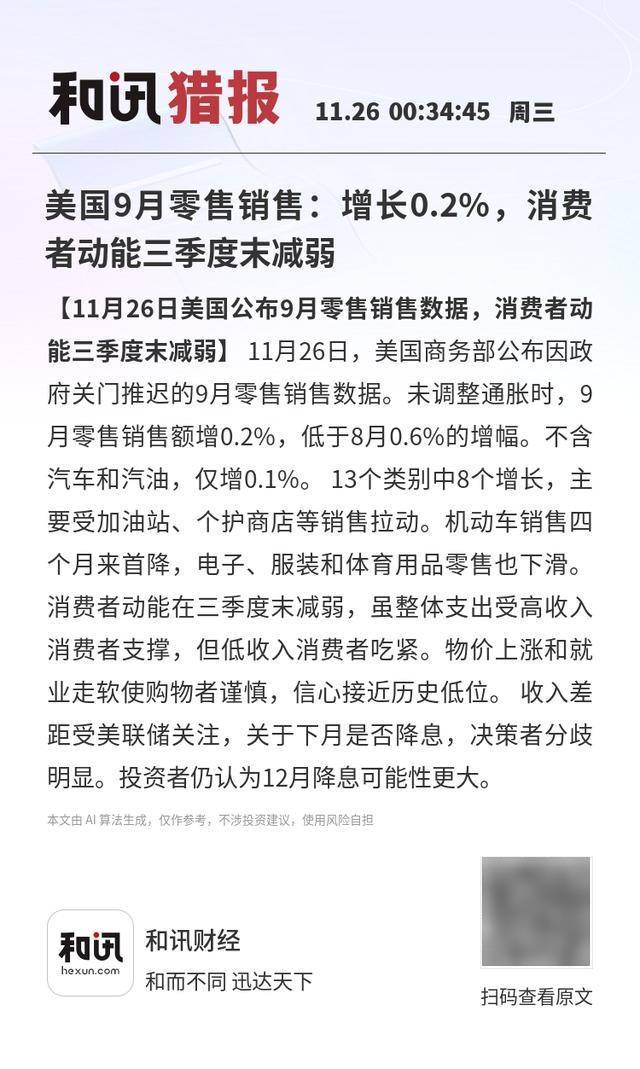
Core Insights - The core viewpoint of the article highlights a weakening consumer momentum in the U.S. retail sector by the end of Q3, as indicated by the September retail sales data released by the U.S. Department of Commerce [1] Group 1: Retail Sales Data - In September, retail sales increased by 0.2% unadjusted for inflation, which is lower than the 0.6% increase in August [1] - Excluding automobiles and gasoline, retail sales only grew by 0.1% [1] - Among 13 categories, 8 experienced growth, primarily driven by sales in gas stations and personal care stores [1] Group 2: Consumer Behavior - There is a noted decline in auto sales for the first time in four months, along with decreases in electronics, clothing, and sporting goods retail [1] - Consumer momentum has weakened, with high-income consumers supporting overall spending, while low-income consumers are facing financial strain [1] - Rising prices and softening employment conditions have led to cautious shopping behavior, with consumer confidence nearing historical lows [1] Group 3: Economic Outlook - The income disparity is a concern for the Federal Reserve, which is divided on whether to lower interest rates next month [1] - Investors still perceive a higher likelihood of a rate cut in December [1]
Just 62% Of Americans Own Stock: Income, Education, And Race Drive Who Invests
Yahoo Finance· 2025-09-24 12:31
Core Insights - Approximately 62% of Americans own stock, indicating a significant portion of the population is engaged in the market, but nearly 40% remain uninvolved [1] Income Disparities - Among households earning $100,000 or more, stock ownership is at 87%, while it drops to 28% for those earning $50,000, highlighting the impact of income on investment participation [2] Educational Influence - About 84% of college graduates invest in the market, compared to only 42% of individuals with a high school diploma or less, demonstrating the correlation between education level and stock ownership [3] Racial and Ethnic Factors - Stock ownership rates are 70% for White adults, 53% for Black adults, and 38% for Hispanic adults, reflecting historical wealth disparities and access to investment resources [4] Accessibility and Resources - The decision to invest in stocks is influenced by available resources, knowledge, and opportunities, indicating that stock ownership is not solely a personal choice [5] Closing the Gaps - Addressing the disparities in stock ownership requires improved access to affordable investing platforms, policy changes, employer support, and enhanced financial education [6]
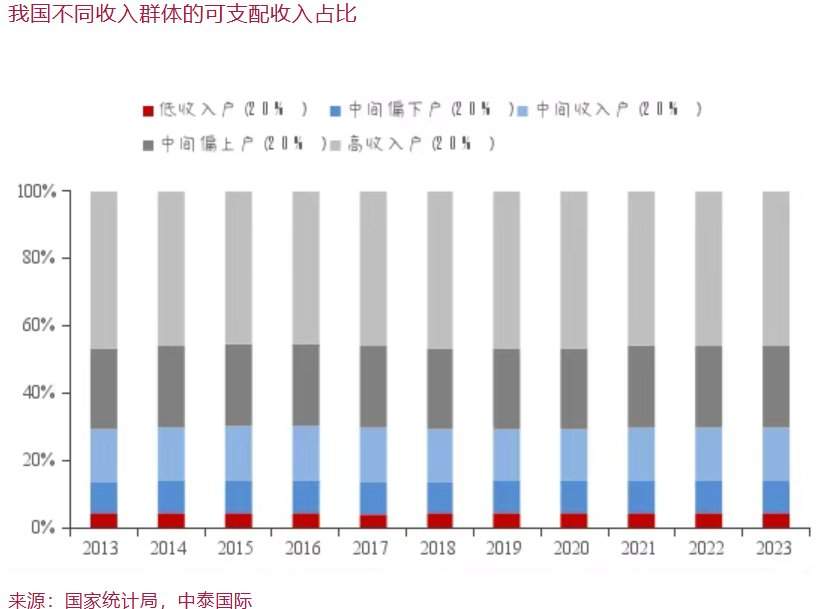
李迅雷:中国高收入群体与低收入群体的人均可支配收入差距在11倍左右,全国的高收入群体正在向一线城市集聚
Ge Long Hui· 2025-09-15 06:38
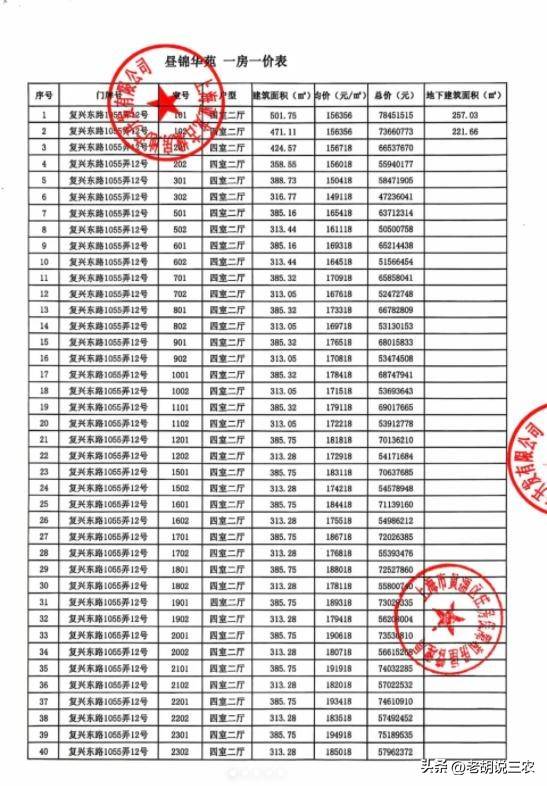
Group 1 - The core viewpoint of the article highlights that China's income disparity is currently greater than that of Japan in the 1990s, with Japan being one of the countries with the smallest wealth gap among developed nations [1] - Official data on the Gini coefficient in China has not been released recently, but sampling data from the National Bureau of Statistics indicates that the income disparity between high-income and low-income groups is approximately 11 times [1] - The buyers of Shanghai Yihua Courtyard include industrial entrepreneurs, film stars, and foreign nationals, with local buyers from Shanghai accounting for about 28.6% and buyers from Jiangsu and Zhejiang provinces collectively making up 30% [1]
CGI乡村振兴 | 田野对谈之对话李实(下):展望乡村振兴的未来
中金点睛· 2025-06-19 00:06
Core Viewpoint - The article emphasizes the importance of rural revitalization in addressing urban-rural disparities, regional differences, and income inequality in contemporary China [5][6]. Group 1: Rural Revitalization and Economic Development - Rural revitalization can lead to rural development, and if farmers' income increases at a faster rate than urban income, the urban-rural gap will continue to narrow [5]. - The income disparity between urban and rural areas constitutes a significant portion of overall income inequality, and rural revitalization can help mitigate this issue [5]. - Addressing rural revitalization in central and western regions is crucial for reducing regional disparities, as the differences between eastern and western regions are primarily rooted in rural conditions [5]. Group 2: Common Prosperity and Rural Revitalization - Common prosperity aims to tackle three major issues: urban-rural disparity, regional differences, and income inequality [6]. Group 3: Vision for the Future of Rural China - The ideal future for rural areas includes them serving primarily as agricultural production bases, with a decreasing population that may concentrate around cities and small towns [7]. - Future rural landscapes may be dominated by family farms and large farms, with less distinct agricultural geographical boundaries and minimal differences in public services [7]. - The quality of life for residents in small towns and large cities may converge, with the main differences between urban and rural populations being related to industry or occupation rather than location [7].

上海天价豪宅被一抢而空,业主大多是艺人,艺人名单被曝出
Sou Hu Cai Jing· 2025-05-31 19:22
Group 1 - The core point of the article highlights the surprising demand for luxury real estate in Shanghai, particularly in Huangpu District, where a property with a starting price of 50 million yuan was heavily sought after, even attracting celebrity buyers [1][4] - The property is located near the Bund, with the smallest unit measuring 313 square meters and a price per square meter of 185,000 yuan, leading to total prices exceeding 50 million yuan for each unit [2][4] - The presence of celebrity names in the lottery list for purchasing the property sparked significant public interest and speculation about their financial capabilities [4][5] Group 2 - The article discusses the stark contrast between the wealth of celebrities and the average person's financial situation, emphasizing that for many, 50 million yuan is an unattainable amount [5][9] - Comments from the public reflect a sense of frustration regarding income inequality, with many expressing that the wealth of celebrities highlights a broader societal issue [7][9] - The discussion raises questions about the value placed on different professions, suggesting that the disparity in earnings between entertainers and essential workers like scientists may influence young people's career choices [9][10]