数字孪生工厂

Search documents
车企最强“实习生”上岗
汽车商业评论· 2026-03-19 23:07
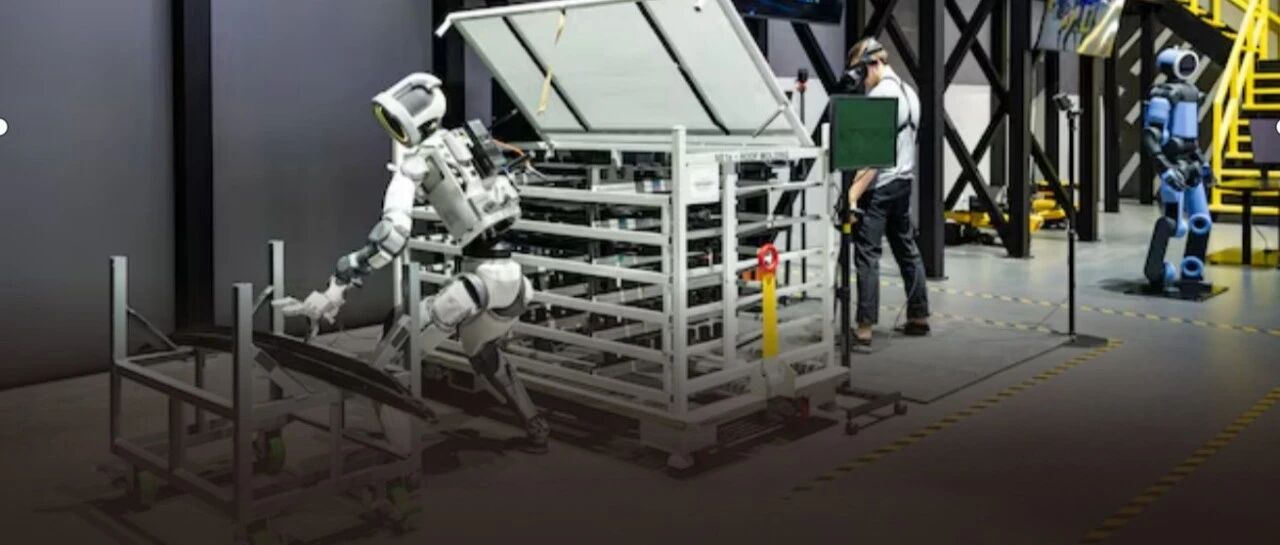
Core Viewpoint - Humanoid robots are transitioning from experimental phases to practical applications in automotive factories, marking a significant shift in manufacturing processes and labor dynamics [3][4][5]. Group 1: Industry Adoption - Major automotive companies like Hyundai, Toyota, BMW, and Tesla are integrating humanoid robots into their production lines, with Tesla's third-generation Optimus robot set to begin production in summer 2023 [5][6]. - By 2028, Boston Dynamics' Atlas robots will be deployed in Hyundai's Georgia factory for tasks such as parts sorting and material handling, with plans for a factory producing 30,000 robots annually [3][4]. - In China, Xiaomi's CyberOne has begun its internship in the automotive factory, while XPeng's IRON robot is set for mass production by 2027 [4]. Group 2: Current Capabilities and Limitations - Currently, humanoid robots are primarily performing repetitive tasks such as screw fastening and material sorting, and are still in a "trainee" phase due to issues like high hardware costs and process stability [8][9]. - Xiaomi's CyberOne achieved a 90.2% success rate in a three-hour task, meeting production line rhythm requirements, while XPeng's IRON robot improved factory efficiency by 30% and reduced labor costs by 35% [9][11]. - Despite their limitations, humanoid robots are addressing labor issues related to repetitive strain injuries in production lines [8]. Group 3: Future Potential - The ultimate goal for humanoid robots is to tackle the complex assembly line tasks that traditional automation has struggled with, particularly in the context of electric vehicles with increasing wiring complexity [13][18]. - Humanoid robots are expected to adapt to various assembly requirements through software updates, enabling them to work collaboratively on large components [22][41]. - The automotive industry anticipates that by 2035, the deployment of humanoid robots could reach 1.6 million units globally [5]. Group 4: Challenges to Full Automation - Achieving "dark factories," where production runs without human oversight, faces challenges such as the limited battery life of humanoid robots, which currently cannot match the 8-12 hour shifts of human workers [26][40]. - Solutions like modular battery systems and rapid charging technologies are being developed to enhance operational efficiency [28][31]. - The cost of humanoid robots is decreasing, with prices dropping to around 100,000 RMB (approximately $14,000) in early 2026, making them more appealing for automotive manufacturers [40][41]. Group 5: Labor Market Implications - The rise of humanoid robots raises concerns about job displacement in the automotive sector, with predictions of significant labor cost reductions as robots become more prevalent [45][47]. - However, the industry is also facing a labor shortage, and humanoid robots may fill roles that are increasingly difficult to staff due to the repetitive nature of the work [49]. - The transition to automated factories will require new skill sets, emphasizing the need for workers who can manage and maintain robotic systems rather than simply replacing human labor [56][57].

热门赛道速递|有色金属大年?不是全面起飞,而是结构性上涨已经发生
和讯· 2026-01-27 10:44
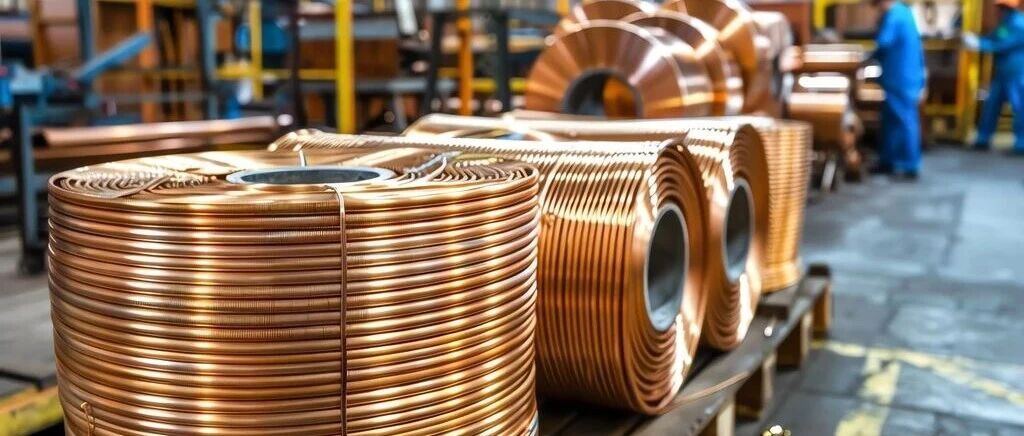
Core Viewpoint - The A-share non-ferrous metal market has shown a comprehensive strengthening trend since 2026, with the non-ferrous metal index rising by 24.31%, significantly outperforming the broader market. Precious metals (silver, gold) and minor metals (tungsten, tin) have performed particularly well, with price increases notably higher than industrial metals (lead, aluminum) [2][6]. Market Overview - The report titled "Comprehensive Analysis of the Non-Ferrous Metal Industry" systematically reviews the current non-ferrous metal market from multiple dimensions, including macro strategic environment, industry chain dynamics, competitive landscape, and industry trends, providing a reference for market decision-makers [2]. Price and Production Changes - Certain metals have entered an upward price channel, indicating a structural increase rather than a comprehensive recovery. The industry is transitioning from a low point to recovery, with a clear differentiation between strong and weak products [6][10]. - Global major metal varieties face significant supply constraints due to declining resource grades, insufficient capital expenditure, and geopolitical disturbances. Export restrictions from resource-rich countries are tightening, impacting the industry's international trade dynamics [10]. Demand Resilience - Emerging sectors such as new energy vehicles, energy storage, and AI computing centers are becoming core drivers of demand. For instance, China's new energy vehicle sales are projected to reach 16.49 million units in 2025, a year-on-year increase of 28.17%, boosting demand for copper, aluminum, and rare earths [11][22]. Market Price Support - The Producer Price Index (PPI) for China's non-ferrous metal manufacturing is expected to rise to 117.200 in 2025, up from 113.200 in 2024, indicating robust industry demand [12]. Policy Environment - The policy environment is shifting from "cyclical adjustment" to "strategic resource management," accelerating industry upgrades. The Ministry of Industry and Information Technology has outlined plans for the non-ferrous metal industry to achieve an average annual growth of around 5% in value added from 2025 to 2026 [13][16]. Industry Integration and Technological Support - Policies encourage mergers and acquisitions among large smelting enterprises and support the technological research and industrial application of high-end new materials like magnesium alloys and tungsten [14]. Resource Recycling - The EU's Carbon Border Adjustment Mechanism (CBAM) is pushing for greener production of high-energy-consuming metals. By the end of 2025, 30% of the electrolytic aluminum industry's capacity is expected to meet benchmark energy efficiency levels [15]. Competitive Landscape - The competitive landscape in the industrial metals sector is stable, with leading companies like Zijin Mining and Luoyang Molybdenum Company maintaining strong positions through global resource layouts and price elasticity [43][44]. - In the energy metals sector, companies like Ganfeng Lithium and Tianqi Lithium are leading with a dual drive of resources and technology, while Huayou Cobalt leads in the nickel sector with a collaborative model [47][48]. Long-term Trends - The non-ferrous metal industry is expected to maintain a structurally tight balance in supply and demand, with resource-constrained metals remaining tight in the long term. However, the supply-demand gap will exhibit differentiation across varieties and phases, indicating significant structural opportunities rather than systemic trends [54][55].





900亿AI投资涌入韩国!巨额投资震撼APEC 韩国电力危机成最大隐患
Sou Hu Cai Jing· 2025-11-01 12:46
Core Insights - The APEC summit in Gyeongju has become a platform for foreign investment, with major tech companies like Amazon and Nvidia committing to invest a total of $90 billion in South Korea over the next five years for AI-related infrastructure [1][13] Group 1: Investment and Infrastructure - The majority of the investment will flow into computing infrastructure, including data centers in Incheon and Gyeonggi Province, with new projects also in Ulsan [2] - Companies are prioritizing locations based on electricity resources and transmission costs due to high local electricity prices and low renewable energy share [2] - The scale of AI equipment usage is significant, with one AI device consuming enough electricity to power 30,000 households for a year [2] Group 2: Industry Dynamics - The transformation of existing facilities, such as Renault's Busan plant into an electric vehicle factory, and the expansion of battery production by new players like Umicore, highlights South Korea's strengths in semiconductors and the influx of foreign capital [4] - Nvidia's collaboration with Korean conglomerates to establish a "super factory" for 260,000 GPUs, along with Samsung and Hyundai's push into AI manufacturing, aims to position South Korea as an international hub for the smart industry [6] Group 3: Challenges and Concerns - Despite the excitement, there are significant challenges, including tight electricity supply, leading some companies to build new factories next to power plants [7] - The competition among tech companies for dominance in the industry raises concerns for local firms about over-reliance on foreign technology [7] - The South Korean government aims to leverage foreign investment to become a leader in AI, integrating local semiconductor capabilities with foreign technology [9] - Issues such as cross-border data flow, technology integration, and cultural adaptation pose potential hurdles for establishing a proprietary "sovereign AI" system [9] Group 4: Future Outlook - The $90 billion investment positions South Korea on the AI map, but challenges like insufficient power supply and slow energy structure adjustments could hinder progress [13] - The ultimate outcome of this investment strategy remains uncertain, as South Korea must address fundamental energy supply issues to support technological advancements [14]

传统焕新向未来——建行江苏省分行助力传统制造业民营企业发展
Jiang Nan Shi Bao· 2025-05-14 08:22
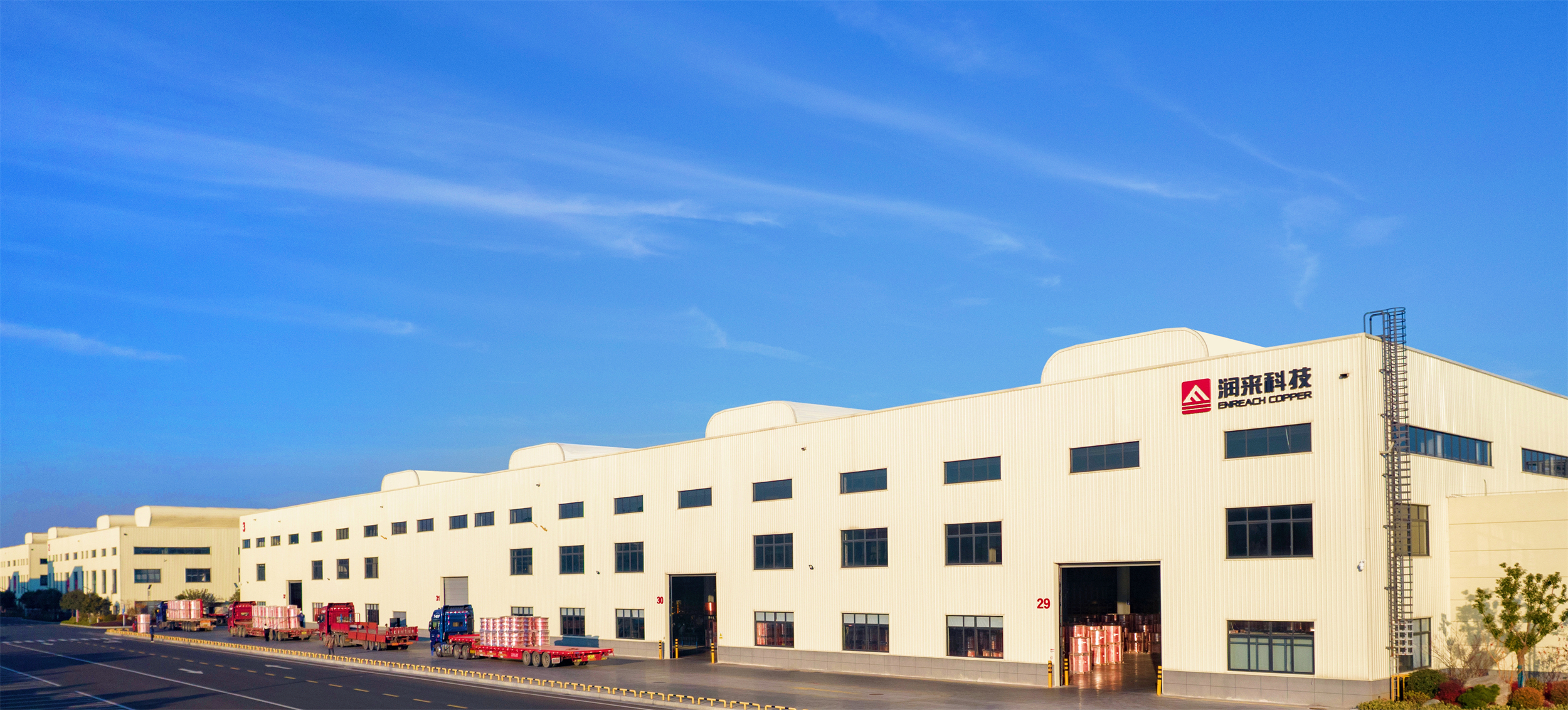
Group 1 - Construction Bank released the "2025 Action Plan to Support the High-Quality Development of the Private Economy" in March, focusing on resource guarantees, precise customer service, optimized mechanisms, and deepened cooperation [1] - Jiangsu Branch of Construction Bank has been actively supporting private enterprises in traditional manufacturing through increased credit scale, reduced financing costs, and innovative financial products [1] - The bank's efforts have led to successful outcomes for enterprises, helping them upgrade and compete in the manufacturing sector [1] Group 2 - Runlai Technology, a subsidiary of Dongfang Runan Group, has established itself as a leading manufacturer of precision copper pipes, with an annual output value exceeding 15 billion [2] - Construction Bank's Changzhou Branch provided 200 million in loans to support Runlai Technology's initial project phase, enabling it to become the world's largest precision copper pipe production base [2][3] - The bank has also facilitated the establishment of a "production, learning, and research" platform to enhance Runlai Technology's market competitiveness [2] Group 3 - Haiyang Technology, a leader in high-performance nylon fibers, has initiated a smart manufacturing transformation to meet global market demands [4] - Construction Bank's Taizhou Branch customized a 3-year loan of up to 150 million to support Haiyang Technology's transition, ensuring stable funding during the upgrade [4][5] - The bank has provided comprehensive financial services, including trade financing and foreign exchange, to Haiyang Technology, facilitating its global market presence [7] Group 4 - Xiongyue Petrochemical Equipment Manufacturing Co., a high-tech enterprise, is undergoing an intelligent upgrade to enhance production efficiency [8] - Construction Bank's Jiangsu Yancheng Binhai Branch has closely collaborated with Xiongyue Petrochemical, providing tailored financial products and successfully disbursing 10 million in loans for the upgrade project [8] - The successful collaboration has led to further partnerships, with the bank replicating its support model for Xiongyue's partners, facilitating additional financing for innovation [10]