
文化活化

Search documents
来秦皇岛,解锁一个“好玩”的新年|山海醉团圆 秦皇岛上过大年
Xin Lang Cai Jing· 2026-02-15 10:37
Core Viewpoint - Qinhuangdao is redefining the essence of the Northern New Year through a winter tourism and cultural feast that integrates mountain and sea scenery, historical culture, and ice and snow entertainment, positioning itself as a year-round travel destination rather than just a summer retreat [1][5]. Group 1: Winter Tourism Activities - During the Spring Festival, various cultural activities such as the ancient city year expo and intangible cultural heritage markets are taking place, transforming museums into cultural spaces for celebrating the New Year [3][10]. - Qinhuangdao has launched 79 key activities and over 200 supporting events themed "Mountain and Sea Reunion, Celebrating the New Year in Qinhuangdao," catering to families, young people, and culture enthusiasts [5][20]. - The Shanhaiguan Great Wall Museum is hosting a series of themed activities, including exhibitions and performances, making it a lively cultural hub during the festival [8][9]. Group 2: Ice and Snow Entertainment - The Laojunding Scenic Area has expanded its ice and snow activities, hosting 12 events this winter, including ice dragon boat races and skiing challenges, attracting visitors with its unique "mild" skiing experience [16][17]. - The integration of ice and snow activities with local tourism has revitalized the community, providing job opportunities and transforming the area into a year-round tourist destination [16][19]. - Visitors can enjoy a combination of ice and snow experiences along with hot spring relaxation, enhancing the overall winter tourism appeal [17][19]. Group 3: Cultural and Culinary Experiences - The Niutouya Market, known for its vibrant atmosphere, features hundreds of stalls offering local seafood and traditional snacks, serving as a key destination for both locals and tourists during the New Year [20][22]. - Innovative cultural projects, such as the "Fashion Intangible Heritage Year" event, blend traditional crafts with modern expressions, enriching the festive atmosphere [22][23]. - Traditional dishes like the Shanhaiguan Hunguo and seafood dumplings are highlighted as essential culinary experiences that symbolize reunion and celebration during the New Year [25][27].


山水人文城相依 一眼穿越六百年
Xin Lang Cai Jing· 2026-02-03 19:47
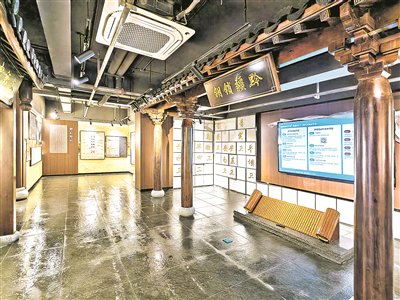
Core Viewpoint - The Guizhou Duzhiweisi Exhibition Hall has been completed, showcasing the historical and cultural significance of Guizhou's military governance during the Ming Dynasty, while also contributing to the urban renewal of Guiyang city [4][6]. Group 1: Exhibition Overview - The exhibition hall, covering 280 square meters, is divided into seven sections that explore the historical context of Guizhou's military system, the establishment of the province, and the layout of ancient Guiyang [4][5]. - A three-dimensional model of ancient Guiyang city, based on the "Guizhou Province City Map" from the Ming Dynasty, illustrates the city's strategic position and military significance [5][6]. Group 2: Historical Context - The Guizhou Duzhiweisi was established in 1382 as a military management institution, emphasizing the central government's control over the southwestern frontier and the importance of the region for transportation routes [6][7]. - Historical data indicates that the military personnel in Guizhou during the Ming Dynasty numbered approximately 137,000, highlighting the region's military significance [6][7]. Group 3: Urban Renewal and Cultural Activation - Guiyang's urban planning emphasizes the "One River, One Road, Two Areas" strategy, with the renovation of the Guancheng River being a key project to enhance the city's historical and cultural landscape [8][9]. - The exhibition hall aims to engage citizens and visitors in cultural activities, fostering a deeper connection to the historical narratives of the region and integrating military culture into everyday life [9].
太湖雪:千年“软黄金”焕发新生
Zheng Quan Ri Bao· 2025-12-18 15:43
Core Viewpoint - The article highlights the transformation of Taihu Snow Co., Ltd. into a leader in the silk industry through the integration of cultural revitalization, technological innovation, and multi-channel strategies, showcasing how traditional industries can innovate and thrive in modern markets [1][9]. Cultural Revitalization - Silk, known as "soft gold," is not only a luxurious fabric but also a significant symbol of Chinese civilization, with Taihu Snow emphasizing the importance of cultural roots in its growth strategy [2]. - The company has established a cultural translation space at its silkworm culture park, showcasing the traditional silk-making process and enhancing consumer engagement with the heritage [2]. - Taihu Snow's approach to "cultural revitalization" involves using digital technology to promote intangible cultural heritage, collaborating with museums to create immersive experiences that connect consumers with traditional craftsmanship [2][3]. Technological Innovation - Taihu Snow addresses industry challenges such as low production efficiency and quality inconsistency by creating a closed-loop supply chain from mulberry fields to silk quilts, ensuring quality control [4][5]. - The company employs IoT sensors in its mulberry plantations and smart systems in production to maintain consistent quality and improve efficiency, blending modern technology with traditional craftsmanship [5]. - Research and development investments reached 21.36 million yuan in the first three quarters of the year, accounting for 3.87% of revenue, with a focus on developing proprietary silk processing technologies [5]. Market Strategy - Taihu Snow's market strategy includes a comprehensive channel approach, leveraging both online and offline platforms to reach consumers effectively [6][7]. - Online sales accounted for 58.15% of the company's main business revenue in the first three quarters of 2025, with a year-on-year growth of 26.34% [6]. - The company has established immersive experience stores in key cities, enhancing consumer engagement and brand loyalty through hands-on interactions with products [7]. Future Development - Taihu Snow plans to invest 300 million yuan in building a cross-border e-commerce headquarters to support its international expansion and aims to produce 4 million silk products annually by 2027 [8]. - The company is committed to sharing research outcomes with the industry to promote high-quality development in the silk sector, indicating a focus on collaborative growth [8][9]. - The integration of AI technology across production, sales, and service processes is part of the company's strategy to enhance operational efficiency and product offerings [9].
中国入境游爆火后:如何打好服务与文化两张牌???
Jing Ji Guan Cha Bao· 2025-11-23 11:05
Core Insights - The inbound tourism market in China has seen a remarkable increase, with inbound tourist numbers rising over 100% year-on-year, and significant growth in spending from American (50% increase) and French (160% increase) tourists [1][2] Policy and Infrastructure - China has implemented unilateral visa-free policies for 48 countries, allowing ordinary passport holders to enter for business, tourism, family visits, and transit without a visa for up to 30 days [1] - Major source countries such as France, Germany, Japan, and Brazil are included in the visa-free policy, with 46 countries having their visa-free period extended to the end of 2026 [2] - The Ministry of Commerce and other departments have introduced measures to optimize the departure tax refund policy, lowering the minimum refund threshold from 500 yuan to 200 yuan and increasing the cash refund limit from 10,000 yuan to 20,000 yuan [2] Cultural and Service Development - The core competitiveness of inbound tourism lies in the unique charm of Chinese culture, but there is a concern that some tourism products are overly simplistic and fail to meet the global tourists' desire for an authentic experience [3] - To address this, there is a push for cultural experiences to become more dynamic and engaging, such as VR projects and immersive cultural activities that allow tourists to actively participate [4] Sustainable Development and Branding - The sustainable development of inbound tourism requires China to enhance its tourism destination branding, focusing on global promotion and establishing a feedback loop for continuous improvement [4] - The inbound tourism sector is transitioning from short-term popularity to a lasting appeal rooted in cultural richness, serving as a vital economic link and a showcase for Chinese culture [6]
中国入境游爆火后:如何打好服务与文化两张牌?
Jing Ji Guan Cha Wang· 2025-11-23 10:48
Core Insights - China's inbound tourism market has seen a remarkable increase, with inbound tourist numbers rising over 100% year-on-year, and significant growth in spending from American tourists (up 50%) and French tourists (up 160%) [1][2] - The surge in inbound tourism is attributed to relaxed visa policies and the enduring appeal of Chinese culture, but there is a challenge in converting this influx into long-term engagement [1][4] Visa Policies and Accessibility - China has implemented unilateral visa-free policies for 48 countries, allowing ordinary passport holders to enter for business, tourism, family visits, or transit for up to 30 days without a visa [1] - Major source countries such as France, Germany, Japan, and Brazil are included in the visa-free policy, with the validity extended to the end of 2026 for 46 countries, enhancing stability [2] - Additional measures like mutual visa exemptions with Thailand and Singapore, and 144-hour transit visa exemptions, have created a multi-layered system for inbound convenience [2] Economic Impact and Consumer Behavior - The Ministry of Commerce and other departments have introduced measures to optimize the tax refund policy for outbound tourists, lowering the minimum refund threshold from 500 yuan to 200 yuan and increasing cash refund limits from 10,000 yuan to 20,000 yuan [2] - In the first quarter, Sichuan province reported a 204.78% increase in the number of tourists claiming tax refunds, with sales in tax refund stores up 200.91% and the total refund amount up 211.64% [2] Cultural Engagement and Experience - The core competitiveness of inbound tourism lies in the unique charm of Chinese culture, but many tourism products currently suffer from superficial representations [3] - To address this, there is a need to transform cultural experiences into active participation, such as VR projects and immersive cultural activities that allow tourists to engage with Chinese culture more deeply [4] - Developing interactive projects and training guides with cross-cultural communication skills can enhance the visitor experience and foster a genuine connection with Chinese culture [4] Sustainable Development and Future Directions - The sustainable development of inbound tourism requires building a strong brand for tourism destinations, improving global promotion strategies, and establishing a feedback loop for continuous improvement [4] - Recommendations from the China Tourism Research Institute suggest enhancing travel convenience through optimized visa policies, digital tools for visa applications, and addressing common pain points for foreign tourists [5] - The evolution of inbound tourism is shifting from short-term spikes to a lasting appeal that showcases the unique charm of Chinese culture and strengthens connections between China and the world [5]
文化赋能:中国古都在赓续文脉中传承发展
Xin Hua She· 2025-10-25 13:18
Core Insights - The event "World Mayors Dialogue in Zhengzhou" highlighted the integration of cultural heritage protection with urban development, showcasing Zhengzhou's unique approach to preserving historical memory while promoting modernization [1][6] - The transformation of the Fuminli district exemplifies the successful blend of ancient culture and modern urban life, attracting significant tourist traffic and revenue [2] - International guests expressed admiration for Zhengzhou's ability to modernize while respecting its historical roots, indicating a potential model for other cities [5][6] Group 1: Event Overview - The "World Mayors Dialogue in Zhengzhou" took place from October 22 to 25, gathering around 300 participants from various countries to discuss topics like cultural tourism integration and urban renewal [1] - The event featured visits to significant cultural sites, allowing attendees to experience Zhengzhou's rich history and modern developments firsthand [3][4] Group 2: Cultural and Economic Impact - The Fuminli district, once a dilapidated area, has been revitalized through micro-renovations, resulting in 429,800 visitors and generating 6.896 million yuan in tourism revenue during the recent holidays [2] - The event facilitated the signing of friendship agreements between Zhengzhou and cities from Spain, Ghana, Indonesia, and New Zealand, laying the groundwork for future collaborations [6] - The integration of modern technology in showcasing traditional culture has created numerous tourism-related job opportunities and contributed to economic growth in Zhengzhou [6]
从帝王禁苑到人民博物院:故宫百年,何以“新生”?
Zhong Guo Xin Wen Wang· 2025-10-10 03:07
Core Perspective - The Palace Museum in Beijing celebrates its 100th anniversary, marking a significant transformation from a royal palace to a cultural institution accessible to the public [1][3]. Group 1: Transformation of Identity - The transition from a "symbol of power" to a "shared cultural space" began on October 10, 1925, when the Palace Museum was established, allowing public access to what was once a forbidden area [3]. - The essence of this transformation reflects a fundamental change in cultural heritage ownership and participation, evolving from a private royal collection to a public cultural asset [3][4]. - Over the past century, the concept of "sharing" has deepened, with over 80% of the museum now open to the public and the introduction of a "digital Palace Museum" allowing global audiences to engage with its treasures [3][5]. Group 2: Cultural Vitality - The Palace Museum has evolved from a "warehouse of artifacts" to a "living cultural entity," emphasizing not just preservation but also the creation of new cultural narratives [5]. - Initiatives like the documentary "I Repair Cultural Relics in the Palace Museum" showcase contemporary craftsmanship, while cultural products integrate classical aesthetics into modern life [5]. - Various exhibitions, lectures, and educational programs breathe life into static artifacts, fostering emotional connections with contemporary audiences [5]. Group 3: Globalization and Cultural Exchange - The museum's journey over the past century reflects a gradual emergence onto the world stage, transforming from "China's Palace Museum" to "the world's Palace Museum" [6][7]. - The internationalization process involves both inviting global civilizations into the museum and showcasing its artifacts and exhibitions worldwide, facilitating dialogue between Chinese and other cultures [7]. - As a UNESCO World Heritage site, the Palace Museum represents not only China's historical memory but also a shared cultural heritage for humanity, offering a model for balancing tradition and modernity in a globalized context [7]. Group 4: Future Prospects - Looking ahead, the Palace Museum faces both challenges and opportunities, including the need for enhanced artifact protection amid increasing visitor numbers and the balance between commercial development and cultural preservation [8]. - The future vision includes becoming a "super cultural IP," fostering innovative cultural experiences through the integration of technology and humanities [8]. - The museum aims to be a more influential platform for cultural dialogue, showcasing contemporary China's vitality and confidence while continuing to tell ancient Chinese stories [8][9].
从颜值到价值,设计提升品质——大城奋进·武汉新消费观察②
Chang Jiang Ri Bao· 2025-08-15 01:15
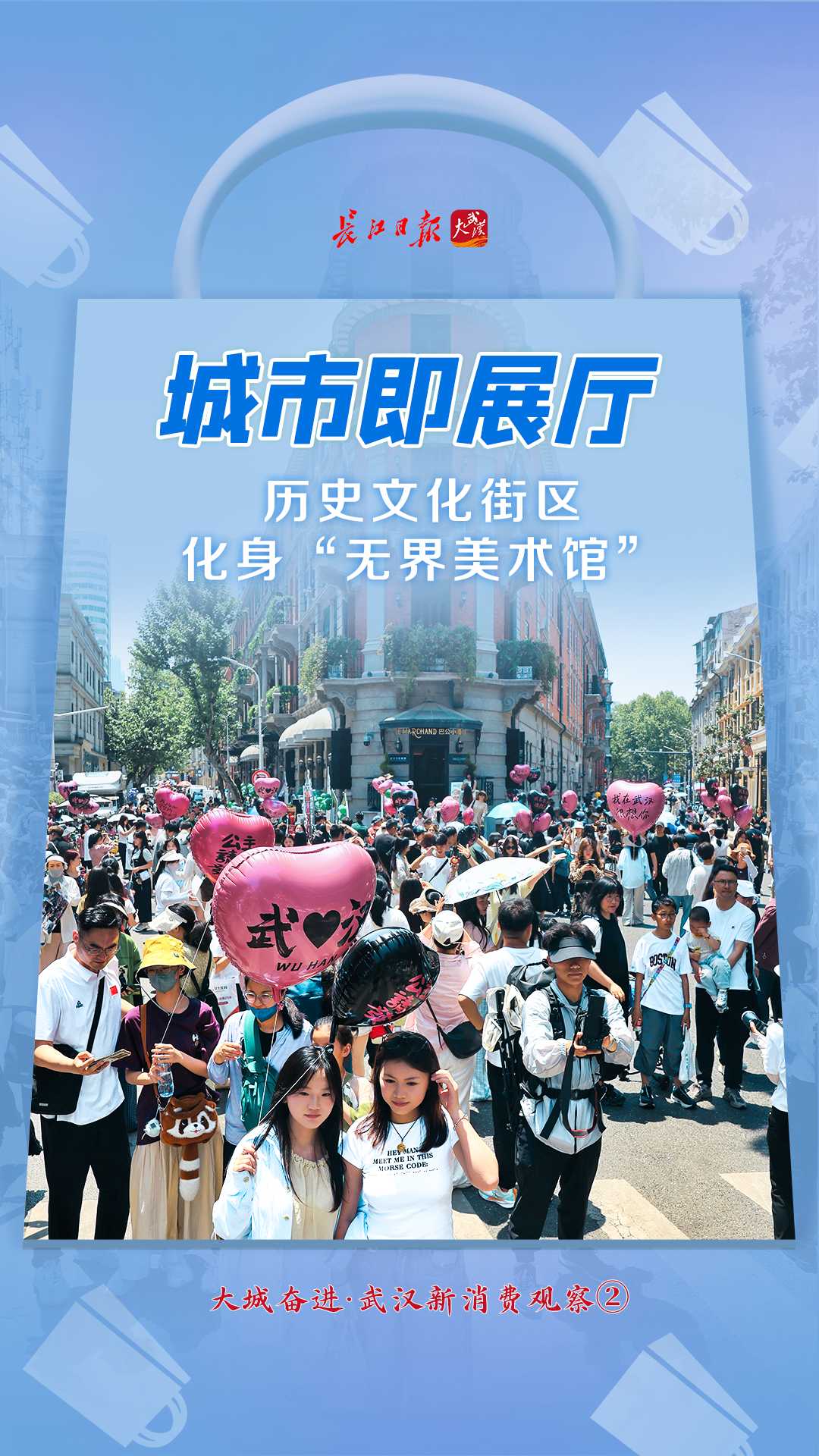
Core Insights - The transformation of traditional cultural elements into modern consumer products is driving tourism and economic activity in Wuhan, showcasing the city's design capabilities and cultural heritage [5][10][17] Group 1: Cultural and Economic Impact - The historical and cultural districts in Wuhan, such as the Hankou Historical Style District and Wuchang Ancient City, are attracting millions of tourists, with projections of 39 million visitors in 2024 for the Hankou area alone [5] - The integration of modern design with historical architecture has created immersive cultural experiences, enhancing the city's appeal and boosting consumer spending [5][10] - The popularity of cultural products, such as the "Huanghelou" themed merchandise, has led to significant sales, with the "Huanghelou" fridge magnets generating over 10 million yuan in revenue [9] Group 2: Tourism and Consumer Behavior - Tourists are increasingly seeking unique cultural experiences, as evidenced by the long lines at popular sites like the Ba Gong House and the Huanghelou, where visitors engage in activities like photography and purchasing souvenirs [4][9] - The rise of themed exhibitions and events in Wuhan, such as the Hesse literature exhibition, is enhancing consumer engagement and driving sales of related merchandise [14][15] - The city's branding as a "Design City" since 2017 has fostered a vibrant environment for creative industries, leading to a surge in events that connect design with consumer markets [14][15]
文化与美食在这里融合,传统与新潮在这里碰撞 活色生香一座城
Si Chuan Ri Bao· 2025-06-27 07:58
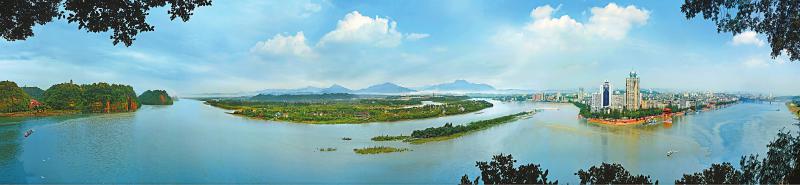
Group 1 - The article highlights the vibrant cultural and tourism integration in Leshan, showcasing the blend of traditional and modern elements in the city [2][4][5] - Leshan's cultural initiatives, such as the upcoming opening of the Leshan Palace Museum, aim to enhance visitor interaction with cultural heritage through innovative displays and creative products [4][6] - The city is focusing on youth engagement in cultural preservation and tourism, utilizing creative projects to revitalize historical sites and attract younger audiences [4][6] Group 2 - Food culture is a significant driver of tourism in Leshan, with local specialties attracting large crowds and enhancing the city's appeal [6][7] - From January to May this year, Suqiao Ancient Town received 4.65 million visitors, generating a total tourism revenue of 502 million yuan, reflecting a year-on-year growth of 15.5% and 17% respectively [7][8] - The city is transforming its food streets into trendy, visually appealing destinations, aiming to create a strong online and offline presence for tourism [8]
消费新蓝海丨多地以文促旅 打造古城消费热潮
Yang Guang Wang· 2025-05-02 01:05
Group 1 - The core idea of the articles highlights the integration of culture and tourism during the May Day holiday, with various cities promoting cultural consumption through innovative events and exhibitions [1][2] - The digital exhibition "Guan and His Friends" in Suzhou utilized advanced technologies like AI, AR, and VR to narrate the stories of traditional garments and local heritage, enhancing the cultural attributes of the area [1] - The collaboration between cultural and commercial entities, such as the integration of boat tours, digital exhibitions, and dining experiences, aims to boost consumer potential in Suzhou's historical districts [1] Group 2 - The tourism performance in ancient cities is being revitalized through cultural activation and innovative scene creation, leading to a shift from static sightseeing to dynamic experiences [2] - The development of night economy and diverse entertainment options in scenic areas is expected to encourage tourists to stay longer, thus enhancing overall tourism revenue [2] - The implementation of ancient city renewal plans is fostering a new consumption pattern that resonates with both historical significance and modern consumer behavior [2]