
智能终端产业

Search documents
政企学研聚浦东!2026浦东新区智能终端供应链产业推介会暨企业家闭门研讨会擘画产业新蓝图
CINNO Research· 2026-03-18 04:07
Core Viewpoint - The event aims to promote the development of the intelligent terminal supply chain industry in Pudong New Area, focusing on collaboration and high-quality industrial growth [2][5][25]. Group 1: Government Leadership and Industry Direction - The Deputy Director of the Shanghai Municipal Economic and Information Commission, Pan Yan, emphasized the transformation of the intelligent terminal industry from single product intelligence to collective intelligence, highlighting the supply chain as a "value engine" rather than a "cost center" [6][9]. - The Pudong New Area is focusing on a full-chain layout of "chip-module-complete machine," accelerating the construction of an intelligent terminal industry system centered on AI smartphones, AI PCs, AI servers, and AI glasses [8][9]. Group 2: Industry Development and Business Environment - The Pudong New Area Investment Promotion Service Center presented the region's industrial development advantages and commitment to creating a first-class business environment, showcasing the sincerity and determination to support enterprise growth [10][12]. - The launch of the "Zhangjiang South Embodied Intelligent Supply Chain Platform" aims to gather over 800,000 supplier resources, providing comprehensive support from design to service, addressing industry pain points [8][15][21]. Group 3: Collaboration and Partnerships - The event featured a signing ceremony for supply chain platform partners, with ten companies, including Shanghai Gushi Intelligent Technology Co., Ltd. and Shanghai Lobot Technology Co., Ltd., becoming the first ecological partners of the Zhangjiang South Embodied Intelligent Supply Chain Platform [13][19]. Group 4: Industry Challenges and Opportunities - The event included discussions on global supply chain restructuring and technological breakthroughs, with insights from industry leaders on navigating challenges such as geopolitical tensions and market competition [22][24]. - The CEO of CINNO Research highlighted the ongoing challenges in the global economy, including tariff barriers and core technology controls, while emphasizing the acceleration of domestic innovation as a response to external pressures [24].

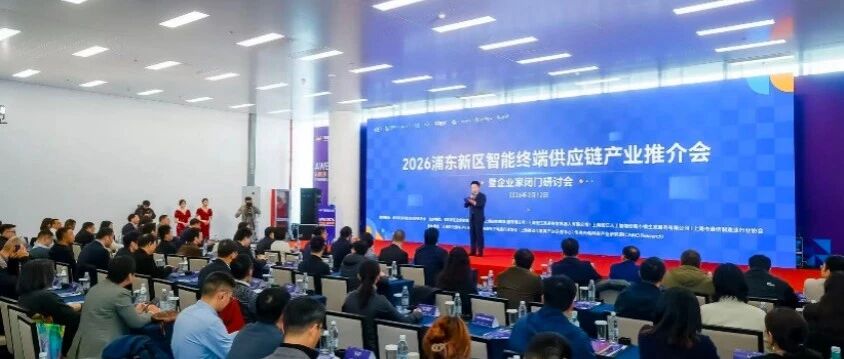
政企学研聚浦东!2026 智能终端供应链产业推介会擘画产业新蓝图
CINNO Research· 2026-03-12 13:19
Core Viewpoint - The event aims to create a collaborative platform for discussing new opportunities in the smart terminal supply chain industry and to promote high-quality industrial development in Pudong New Area [5][25]. Group 1: Government Leadership and Industry Direction - The smart terminal industry is undergoing a significant paradigm shift from single product intelligence to collective intelligence, emphasizing the supply chain as a "value engine" rather than a "cost center" [6]. - Pudong is focusing on a comprehensive layout of the "chip-module-complete machine" chain, accelerating the construction of a smart terminal industry system centered on AI smartphones, AI PCs, AI servers, and AI glasses [8][9]. Group 2: Industrial Development and Business Environment - The event highlighted Pudong's robust industrial development advantages and commitment to creating a first-class business environment, which is essential for supporting enterprise growth [10][12]. - The "Pudong New Area Robot Supply Chain Platform" was announced, which will aggregate over 800,000 supplier resources to provide comprehensive support from design to service, aiming to enhance local supply chain resilience and self-control capabilities [8][9]. Group 3: Collaborative Efforts and Platform Launch - A signing ceremony for supply chain platform partners took place, with ten companies becoming the first ecological partners of the Zhangjiang South Embodied Intelligent Supply Chain Platform [13]. - The Zhangjiang South Embodied Intelligent Supply Chain Platform was officially launched, addressing industry pain points through an integrated online and offline supply chain empowerment system [15][21]. Group 4: Industry Insights and Challenges - Industry experts discussed the restructuring of global supply chains and the dual pressures of technological blockade and market competition, emphasizing the need for flexibility and resilience in supply chains [22][24]. - The challenges posed by the "super cycle" of storage chips and the monopolization of production capacity by three major international players were highlighted, along with the accelerating domestic replacement rate in response to external pressures [24].
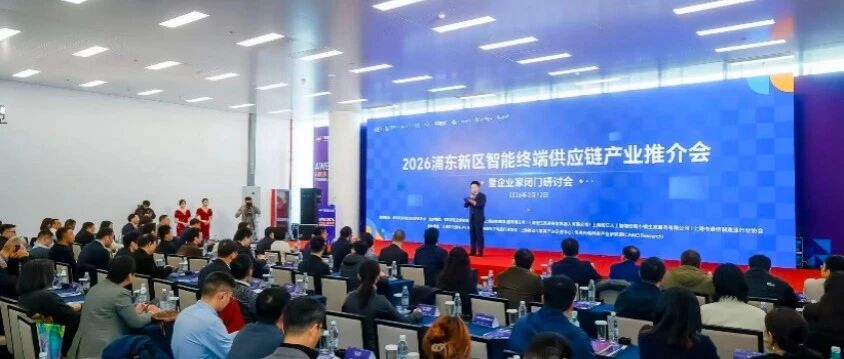
3/13 上海 | 聚链成势 • 智启未来 - 智能终端产业链创新峰会圆桌论坛
CINNO Research· 2026-03-10 03:41
Core Viewpoint - The smart terminal industry is undergoing an unprecedented "stress test" due to geopolitical tensions and rising oil prices, leading to a shift from an "efficiency-first" globalization logic to a "security-first" paradigm [2][7]. Group 1: Industry Challenges - Geopolitical black swans, such as the escalating conflict between the US and Iran, are shaking every link in the global supply chain, with oil prices surpassing $90 [7]. - The technological revolution continues unabated, with breakthroughs in display technology, semiconductors, and AI reshaping the form and boundaries of smart terminals [7]. Group 2: Forum Insights - The "聚链成势·智启未来" summit aims to address the future direction of Chinese smart terminal companies amidst these changes [3][6]. - A roundtable forum featuring five top experts from various fields will provide diverse perspectives on the industry's challenges and opportunities [4][13]. Group 3: Key Discussion Topics - **Core Components**: The impact of energy crises on manufacturing costs and the timeline for the commercial use of next-generation displays and chips [14]. - **Supply Chain Reconstruction**: Balancing efficiency and security while preparing for worst-case scenarios in a globalized context [14]. - **Capital Market Logic**: The reshaping of valuation logic in the smart terminal industry amid high inflation and geopolitical conflicts [14]. - **AI and Terminal Integration**: Exploring the commercial viability of new AI-enabled terminal products and their business models [14]. - **Regulatory Dynamics**: Strategies for overcoming patent barriers and adapting to new international rules in a "de-China" technology alliance [15]. Group 4: Expected Outcomes - Attendees will gain insights into the collaborative paths for display and semiconductor technologies, methods for building resilient supply chains, and the evolving valuation logic in the smart terminal industry [16]. - The forum will facilitate a clash of ideas between technology and capital perspectives, as well as discussions on industry and policy interactions [16]. Group 5: Conclusion - In an era of uncertainty, understanding the underlying logic behind changes in the smart terminal industry is crucial for navigating future challenges [17].

慧为智能:第三季度营收、现金流双增,智能终端业务迎政策东风
Zheng Quan Shi Bao Wang· 2025-10-31 06:54
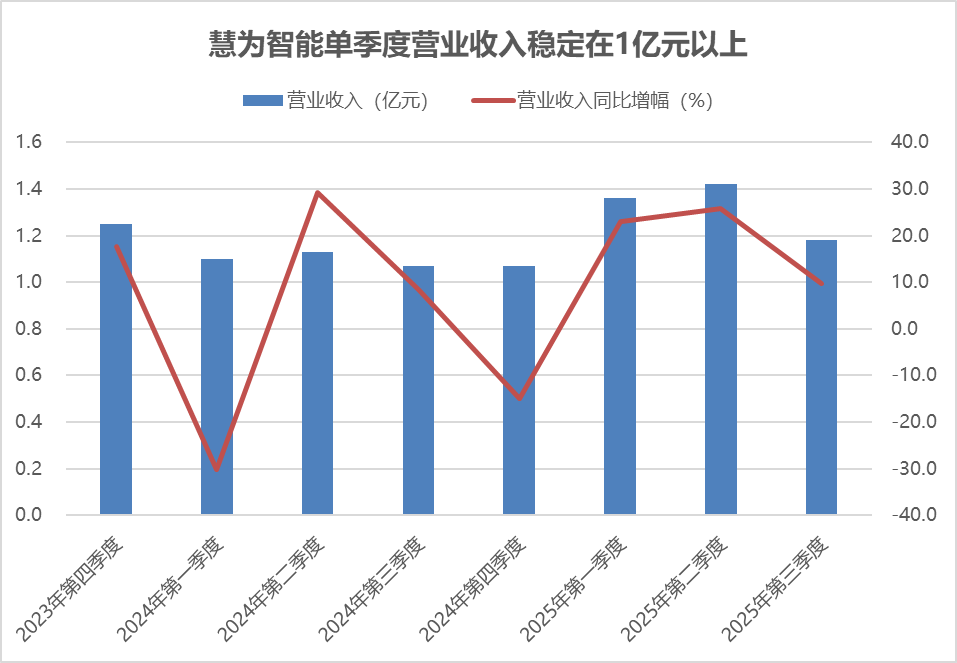
Group 1 - The core viewpoint of the article highlights the strong financial performance of Huiwei Intelligent, with a significant year-on-year revenue growth and profit increase in the third quarter [1][3] - In the first three quarters, the company achieved a revenue of 395 million yuan, representing a year-on-year growth of 19.69%, and a total profit of 3.18 million yuan, up 75.39% year-on-year [1] - The third quarter alone saw a revenue of 118 million yuan, maintaining a stable revenue above 100 million yuan since Q4 2023, indicating consistent growth over three consecutive quarters [1] Group 2 - The company reported a substantial increase in cash flow, with operating cash flow in the third quarter reaching 27.52 million yuan, a year-on-year increase of 59.88%, marking a new high since Q2 2023 [3] - This improvement in cash flow reflects the company's robust financial condition, strong sales collection capability, and enhanced operational efficiency [3] - Recent policy support for the smart terminal industry is noteworthy, with Shanghai's plan aiming for the industry to exceed 300 billion yuan by 2027 and to cultivate globally influential consumer brands [3] Group 3 - Huiwei Intelligent operates as an ODM provider in the electronic communication sector, focusing on smart terminal device solutions for global clients, including R&D and manufacturing services [4] - The completion of the "Jiangmen R&D Production Base" project has transitioned from construction to fixed assets, expected to significantly enhance production efficiency and capacity for large orders from leading industry clients [4]
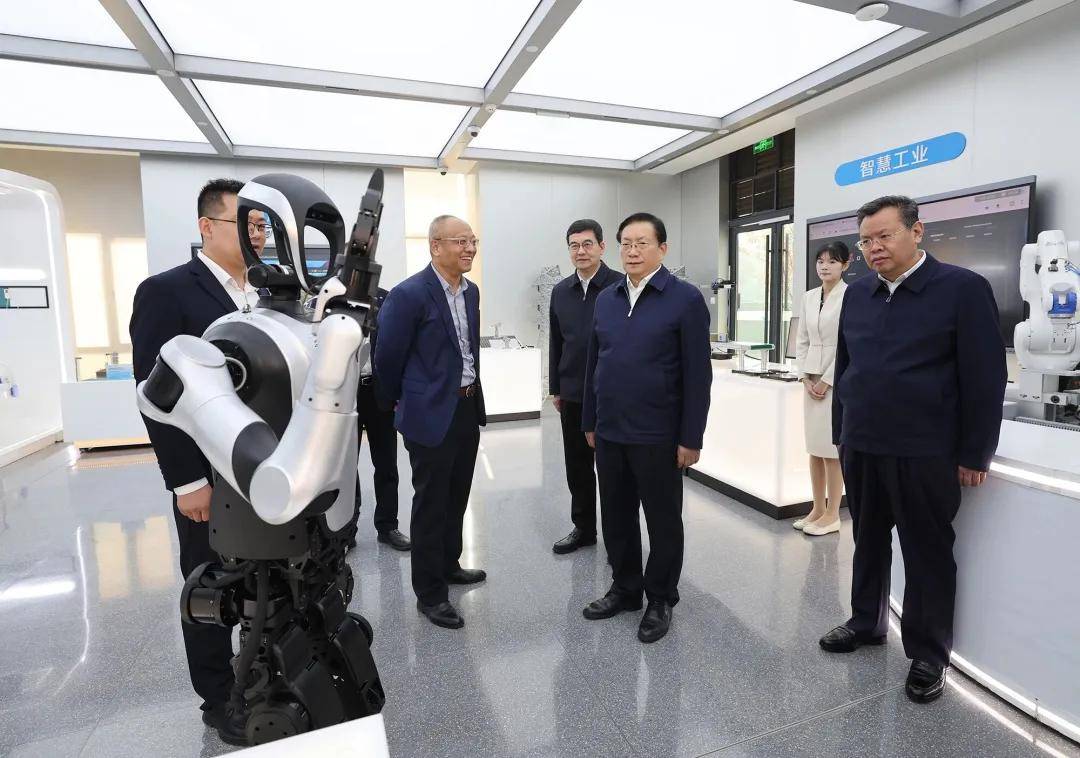
湖北省委书记王忠林:加快打造智能终端产业发展高地
Sou Hu Cai Jing· 2025-10-30 13:02
Core Insights - The focus of the article is on the development of the smart terminal industry in Hubei, emphasizing the importance of innovation and technology integration to enhance industrial growth and competitiveness [1][6][7] Group 1: Innovation Platforms - The Hongmeng Ecological Innovation Center in Wuhan is highlighted as the largest and most advanced center in China, providing various functions such as application scenario incubation and talent training [2] - The center aims to accelerate the construction of an open-source system to empower innovation across multiple industries and promote the prosperity of the Internet of Everything [4] Group 2: Leading Projects - Xiaomi's smart home appliance factory in Wuhan is noted as a key project that exemplifies the rapid advancement of smart manufacturing in Hubei, achieving construction and production milestones in a short timeframe [5][6] - The factory is expected to serve as a model in the smart manufacturing sector, attracting more supply chain enterprises to form an industrial cluster [5] Group 3: Industry Ecosystem - The strategic value of the smart terminal industry is recognized, with its potential to bridge digital and physical economies, and its broad application across various sectors [6] - Hubei is positioned to leverage its solid industrial foundation and innovation capabilities to capture opportunities in emerging markets and services related to smart devices [6][7] - The government aims to enhance the industrial chain by attracting key upstream and downstream enterprises, promoting collaborative development, and expanding application scenarios in various fields [6][7]
AR行业2~3年内出现“iPhone时刻”?智能眼镜龙头加速布局上海
Di Yi Cai Jing· 2025-10-28 14:19
Core Insights - The AR industry is currently in a pre-iPhone era, facing multiple challenges, but is expected to reach a pivotal moment between 2027 and 2028 when smart glasses will enter the L4 stage with personalized demand prediction capabilities [1][4] - XREAL has established its global headquarters in Shanghai, which will serve as a strategic core for global R&D, operations, and ecosystem collaboration, aiming to make AR glasses a universal smart terminal [1][6] Industry Development - The integration of AI and AR is anticipated to create a "golden decade" for AI terminals, driven by four industrial accelerators: AI multimodal understanding, AI long-term memory, hardware and supply chain, and agent ecosystem collaboration [4] - Shanghai's action plan aims for the smart terminal industry to exceed 300 billion yuan by 2027, with a focus on developing smart glasses and supporting key technologies such as multimodal interaction and low power consumption [5] Company Positioning - XREAL has maintained the largest market share in the global AR market for four consecutive years, with a projected 38% share in 2024, indicating that one in three AR glasses sold globally will be from XREAL [6] - The company aims to leverage its global headquarters in Shanghai to capitalize on the commercialization opportunities in the AR glasses market, targeting a significant increase in sales volume [6][9] Ecosystem and Collaboration - The integration of AI and AR is reshaping terminal forms, moving from single-function devices to proactive intelligent systems, emphasizing the importance of ecosystem collaboration [7][8] - XREAL's collaboration with Google on Project Aura represents a significant step in integrating Chinese AR technology with international platforms, with a majority of components sourced from China [8][9] Future Outlook - The transition from L2 AR glasses to all-weather AI glasses requires a perfect balance of computing power, display, and battery life, necessitating deep collaboration across the supply chain [9] - XREAL is committed to focusing on foundational technology innovation, aiming to establish a "Chinese coordinate" for the next generation of computing platforms [9]

多地积极布局智能终端产业
Zheng Quan Ri Bao Wang· 2025-10-17 13:14
Core Viewpoint - The rapid development of the smart terminal industry is being prioritized by various local governments in response to national strategies, aiming to enhance traditional industries and innovate consumer scenarios [2][3]. Group 1: Policy Initiatives - Multiple cities, including Shanghai, Zhuhai, Chongqing, and Hangzhou, have released action plans to promote the smart terminal industry, aligning with the central government's directive to integrate AI into key sectors by 2027 [1][2]. - The central government has emphasized the importance of new-generation smart terminals and their widespread application, targeting a 70% penetration rate in key areas by 2027 [1]. Group 2: Industry Characteristics - Smart terminal products, particularly AI smartphones, AI glasses, and robots, are gaining attention due to their potential to redefine consumer lifestyles and significantly increase market penetration [3]. - The current growth phase of the smart terminal industry is supported by favorable policies, advancing technologies like cloud computing and 5G, increasing consumer demand for quality and convenience, and a surge in investment [3]. Group 3: Investment Trends - As of October 17, 2023, there have been 7 investment cases in the smart terminal sector this year, totaling 971 million yuan, which significantly exceeds the total for the entire year of 2024 [3]. Group 4: Future Considerations - To enhance the penetration rate of smart terminal products, companies need to improve their technological capabilities and address user pain points, while policymakers should eliminate institutional barriers and promote data sharing [4].
建筑装饰行业动态点评:上海发布智能终端产业发展行动方案,罗曼股份、浦东建设、苏州规划等有望受益
East Money Securities· 2025-10-15 15:29
Investment Rating - The report maintains an "Outperform" rating for the construction and decoration industry, indicating an expected performance that exceeds the broader market index [3][13]. Core Insights - The Shanghai Municipal Economic and Information Commission has released an action plan aimed at the high-quality development of the smart terminal industry, targeting a total scale exceeding 300 billion yuan by 2027, with the goal of establishing over three globally influential consumer-grade terminal brands and nurturing two leading enterprises [1]. - The report highlights the potential benefits for companies such as Roman Holdings, Pudong Construction, and Suzhou Planning, which are expected to capitalize on the growth of the smart terminal industry and related sectors [1][8]. - The action plan emphasizes the enhancement of intelligent computing terminal scales and the development of products supporting lightweight inference for large models, which is anticipated to drive significant growth in the computing power industry in Shanghai and the Yangtze River Delta region [1]. Summary by Sections Smart Terminal Industry Development - The action plan aims for the smart terminal industry in Shanghai to surpass 300 billion yuan by 2027, with specific targets for artificial intelligence computing devices [1]. - The report anticipates a compound annual growth rate (CAGR) of 27% for the smart computing center market in China from 2023 to 2028, with Shanghai positioned as a leading high-tech area [1]. Collaboration with Low-altitude Economy - The report discusses the synergy between low-altitude economy and computing power business, suggesting that advancements in satellite internet terminal products could enhance applications in various fields [1]. - It posits that increased low-altitude flight frequency will necessitate more AI computing power for task prioritization and optimal flight routing, benefiting related enterprises [1]. Beneficiary Companies - Three categories of companies in the Yangtze River Delta construction and building materials sector are identified as potential beneficiaries: 1. Construction companies expanding into computing power business, with recommendations for Roman Holdings and Pudong Construction [8]. 2. Low-altitude facility design and operation companies, including Suzhou Planning and others [8]. 3. Companies likely to benefit from AI-enabled production and entertainment asset operations, such as Zhi Te New Materials [8].


AI利好!上海发布智能终端产业高质量发展行动方案
Zheng Quan Shi Bao· 2025-10-14 14:50
Core Insights - The Shanghai Municipal Economic and Information Commission released the "Action Plan for High-Quality Development of the Intelligent Terminal Industry (2026-2027)", aiming for the industry to exceed 300 billion yuan by 2027 and to establish over three globally influential consumer terminal brands [1][2] Group 1: Industry Goals - By 2027, the intelligent terminal industry in Shanghai is expected to achieve a total scale exceeding 300 billion yuan, with targets to cultivate three globally influential consumer terminal brands and two leading enterprises [1] - The plan includes achieving a production scale of over 10 million units for artificial intelligence computers, smartphones, and new AI terminals [1][2] Group 2: Financial Support and Investment - The action plan emphasizes increasing financing support for terminal enterprises through industrial transformation funds and guiding social capital and professional institutions to participate in investment [1][2] - It encourages financial institutions to strengthen the guarantee of financing needs for the intelligent terminal sector [1] Group 3: Product Development Focus - The plan aims to cultivate leading brands in artificial intelligence computers and support the transformation of traditional computer production capacity to AI computers [1][2] - It also calls for the establishment of a satellite terminal production line to create a Shanghai brand for satellite terminals, targeting a production capacity of 100,000 units [2] Group 4: Technological Advancements - The action plan highlights the need for collaboration between terminal enterprises and chip/algorithm companies to enhance the security and efficiency of the supply chain [3] - It emphasizes the importance of data-driven approaches to unlock the value of terminal data and create competitive advantages through a "product + scenario + ecosystem" integration [3] Group 5: Market Predictions - Experts predict that this year will be a year of explosive growth for intelligent terminals, with AI terminal shipments accounting for 42% of global totals in the first half of the year and a projected 20% increase in shipments for AI smartphones, AIPC, and AI tablets for the entire year [3]
上海:支持人形机器人产品研发和量产制造,推进端侧芯片、灵巧手、电池等核心零部件加快产业化突破
Zheng Quan Shi Bao Wang· 2025-10-14 09:49
Core Viewpoint - The Shanghai Municipal Economic and Information Commission has issued the "Action Plan for High-Quality Development of the Intelligent Terminal Industry in Shanghai (2026-2027)", emphasizing the enhancement of robotic terminal capabilities [1] Group 1: Robotics Development - The plan aims to develop humanoid robots that possess listening, emotional intelligence, cognitive skills, and technical abilities [1] - Support will be provided for the research and mass production of humanoid robot products [1] - The initiative includes accelerating the industrialization of core components such as edge-side chips, dexterous hands, and batteries [1] Group 2: Industrial Collaboration - The plan promotes the collaboration between industrial robots and their components, focusing on key components and high-end complete machines to address weaknesses in the supply chain [1] - There is an emphasis on completing the industrial chain by addressing gaps in critical areas [1] Group 3: Market Penetration - The strategy aims to accelerate the penetration of robotic terminal products into the consumer market [1] - Development of consumer-grade robots such as companion robots and household robots is a key focus [1]
