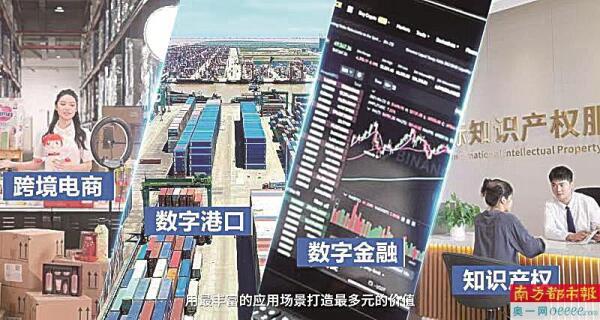
服务贸易标准化

Search documents
“十五五”规划建议的18个新提法 释放哪些重要信号?
Mei Ri Jing Ji Xin Wen· 2025-10-30 15:27
Group 1: Economic and Social Development - The "15th Five-Year Plan" emphasizes the importance of technology and innovation, mentioning "technology" 46 times and "innovation" 61 times, highlighting the need for original and disruptive innovations [1] - The plan includes measures to improve people's livelihoods, such as expanding free education and exploring the extension of compulsory education [1][16] - It proposes to enhance public service spending to boost consumer capacity, indicating a shift towards improving the consumption environment [7][10] Group 2: Future Industries and Technological Innovation - The plan aims to promote emerging industries like quantum technology, biotechnology, hydrogen energy, and artificial intelligence as new economic growth points [2][3] - It suggests establishing a risk-sharing mechanism for future industry investments to address uncertainties in technology and market [4][5] - The plan calls for a comprehensive implementation of "Artificial Intelligence+" to drive research and development across various sectors [6][7] Group 3: Consumption and Housing - The plan proposes to eliminate unreasonable restrictions on consumption in sectors like automobiles and housing, signaling a new phase in consumer development [8][19] - It aims to optimize the supply of affordable housing to meet the basic needs of urban wage earners and disadvantaged families, marking a shift from a "safety net" to a "universal" approach [19] Group 4: Energy and Environmental Goals - The plan sets a target for peak coal and oil consumption, aligning with the broader goal of achieving carbon neutrality by 2030 [9] - It emphasizes the need for a new energy system and the development of clean energy sources to support this transition [9] Group 5: Fiscal and Monetary Policy - The plan advocates for a more proactive fiscal policy to enhance sustainability and stimulate effective investment [10] - It suggests a stable and continuous approach to fiscal and monetary policies during the "15th Five-Year Plan" period [10] Group 6: Trade and International Cooperation - The plan focuses on expanding market access and opening up service sectors, indicating a shift towards enhancing service trade competitiveness [11][12] - It highlights the importance of developing green trade and intermediate goods trade to stabilize foreign trade [12][13]
中国标准化研究院发布服贸领域标准化成果
Ren Min Wang· 2025-09-15 08:25
Core Insights - The 2025 China International Service Trade Fair concluded on September 14, showcasing the importance of standardization in enhancing service trade quality [1][2] - The China Standardization Research Institute presented key standardization achievements in five core areas: production services, life services, public services, consumer services, and health services [1][2] Group 1: International Standards - Two international standards were released, focusing on aging-friendly digital economy and AI education ethics, elevating China's practices to international norms [1][2] Group 2: National Standards - A series of national standards were introduced, including those for complaint handling and after-sales service, addressing consumer rights and optimizing the consumption environment [2] - Standards for elderly tourism services were established to enhance accessibility in scenic areas, catering to the "silver-haired tourism" demand [2] - New standards in health services were developed to regulate accompanying medical services, ensuring rights for vulnerable groups [2] - The "Guidelines for the Standardization of Technology Transfer" were published to accelerate the commercialization of innovative technologies [2] Group 3: International Collaboration - The institute led two APEC projects focusing on consumer rights protection in cross-border e-commerce, promoting best practices and regional standard harmonization [2] Group 4: Future Directions - The research institute plans to strengthen the service trade standard system, accelerate the development of key standards, and enhance international cooperation with ISO and APEC [3]
中国标准化研究院服务所在服贸会闭幕日发布服务标准化成果
Xin Lang Cai Jing· 2025-09-15 07:47
Core Viewpoint - The China International Service Trade Fair (CIFTIS) highlighted the importance of standardization in enhancing the quality of service trade, showcasing key standards across various sectors [1][3]. Group 1: International Standards - The first international standard for age-friendly digital economy was released, along with initiatives for AI education ethics, positioning China as a leader in addressing aging and regulating AI applications [3]. - The introduction of international standards aims to elevate China's practices to global norms, particularly in the context of an aging population and technological advancements [3]. Group 2: National Standards - A series of national standards were launched in consumer services, including guidelines for complaint handling and after-sales service, addressing consumer rights and enhancing the retail environment [3]. - The "Elderly Tourism Service Standards" were established to promote age-friendly modifications in tourist attractions, catering to the needs of senior travelers [3]. - New standards in health services, such as the "Social Accompaniment Medical Service Standards," were developed to fill gaps in medical assistance for vulnerable groups [3]. - The "Guidelines for the Transformation of Scientific Achievements into Standards" were introduced to accelerate the commercialization of innovative technologies [3]. Group 3: International Collaboration - The organization led two APEC projects focusing on consumer rights protection in cross-border e-commerce, sharing best practices to enhance regional service trade standards [3]. - The efforts aim to foster coordination and mutual recognition of standards within the Asia-Pacific region, promoting a more integrated service trade environment [3]. Group 4: Institutional Role - The China Standardization Research Institute's Service Standardization Research Institute has been pivotal in service standardization, functioning as a comprehensive research platform that integrates scientific research, technical services, and professional consulting [5]. - The institute plays a crucial role in national and international standardization committees, facilitating domestic and international collaboration in service standardization [5]. Group 5: Future Directions - The institute plans to align with government policies to enhance service trade standardization, focusing on key areas and deepening cooperation with international platforms like ISO and APEC [5]. - The goal is to achieve a competitive edge in service trade standardization, contributing to high-quality development in the sector [5].

第九届中国服务贸易标准化论坛取得多项成果
Zhong Guo Jing Ji Wang· 2025-09-15 01:59
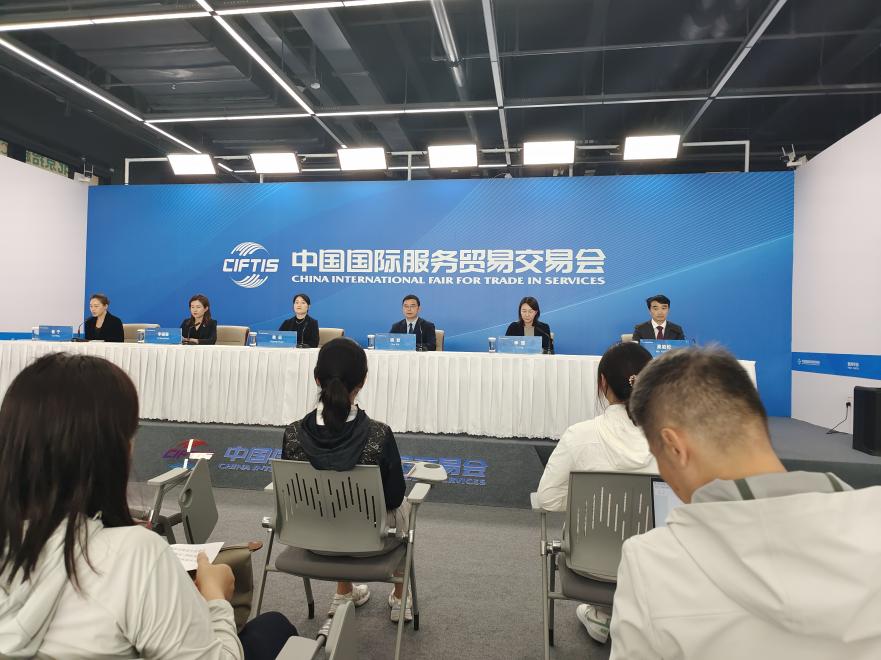
Core Insights - The 9th China Service Trade Standardization Forum was held on September 12, focusing on "Standard Cooperation New Path, Service Trade Development New Future" [1][3] Group 1: Forum Highlights - The forum was co-hosted by the China Council for the Promotion of International Trade (CCPIT) and the China Standardization Association, showcasing five key highlights: alignment with national strategy, gathering of international guests, cultural industry support, global enterprise empowerment, and the introduction of new collaborative mechanisms [3] - New organizations, including the East Asia Regional Coordination Office of the Trade Development and Standard Cooperation Organization (ODCCN) and the ISO Technical Committee (ISO/TC 351), were introduced to promote standardization in relevant fields [3] Group 2: Achievements and Outcomes - The forum achieved practical results, including the release of the "Service Trade Standardization China Case Collection," "Sustainable System Benchmark Assessment Good Practice Guide" (Chinese version), and the second batch of low-carbon business building evaluation results [4] - Multiple standard cooperation agreements were signed, and new service, industry, and business model standard projects were initiated and published [4] - The CCPIT's Commercial Industry Committee is leading the development of 20 ISO international standards in the service trade sector, with 15 being group standards and international standards developed simultaneously, accounting for 75% [4]
可预约免费参观 服贸会今天迎来首个公众开放日
Yang Shi Xin Wen· 2025-09-13 05:48
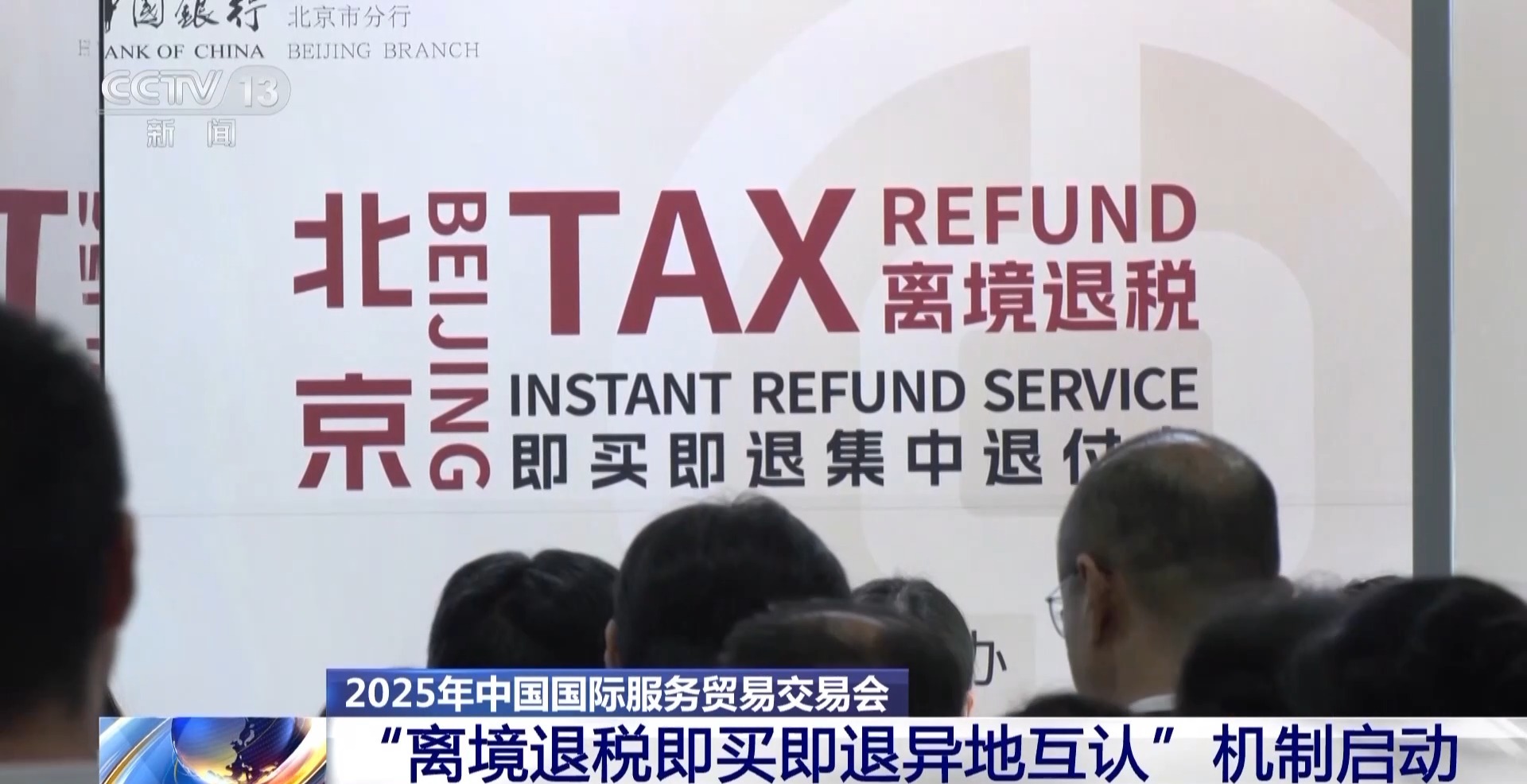
Group 1 - The 2025 Service Trade Fair is being held at Shougang Park in Beijing, with the first public open day starting today [2] - The fair features a total of 28 forums and promotional activities across various exhibition areas today [4] - A total of 60 service demonstration cases were released, covering nine major fields, attracting nearly 200 guests from 33 countries and international organizations [14] Group 2 - The "Immediate Refund for Departure Tax" mechanism was launched, allowing foreign travelers to process refunds at different ports, enhancing convenience for international visitors [5][7] - As of now, the number of departure tax stores nationwide has exceeded 10,000, with a 248% year-on-year increase in the number of people enjoying tax refunds and a 98% increase in tax refund sales in the first eight months of this year [11] - The Ministry of Commerce plans to work with relevant departments to improve the international consumption environment, supporting more cities in enhancing consumer convenience and experience [13] Group 3 - The event also saw the first release of five standardized service trade demonstration cases, showcasing innovative developments in service trade standardization [16] - There was an increase in networking opportunities post-release, facilitating discussions between international guests and case company representatives to promote economic and trade cooperation [18] - The CEO of Bahrain Taha Group expressed interest in collaborating on impressive green development cases presented at the fair [20]
多项服务贸易新标准发布
Bei Jing Shang Bao· 2025-09-12 16:20
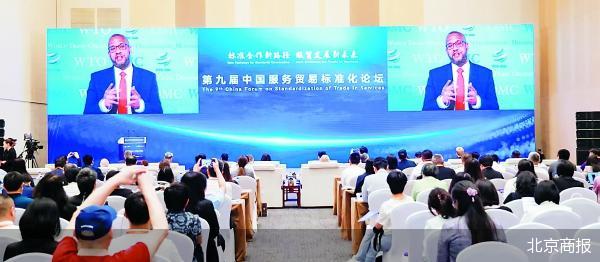
Core Insights - The rapid development of international service trade has made standardization a crucial component of international economic cooperation [1] - The 9th International Service Trade Standardization Forum was held during the 2025 Service Trade Fair, focusing on "New Paths for Standard Cooperation, New Futures for Service Trade" [1] - The forum launched multiple industry standards, established international platforms, and initiated international projects to support Chinese enterprises in navigating international market regulations [1][3] Group 1: Standardization and Compliance - Chinese enterprises are accelerating their global expansion, with standardization leading compliance, service upgrades, and brand building as key to enhancing competitiveness and sustainability [3] - The current global service trade is entering a new transformation and innovation phase, driven by digital technology, green economy, and artificial intelligence [3] - The Ministry of Commerce aims to strengthen inter-departmental collaboration and promote standardization in emerging industries, establishing a comprehensive management standard system [3][4] Group 2: Trade Barriers and Market Dynamics - The lack of unified global standards creates "invisible barriers" that pose significant challenges for enterprises going abroad, driving the need for service trade standardization [4] - China's service trade scale is projected to exceed $1 trillion in 2024, ranking second globally with a year-on-year growth of 13.2%, outpacing the global average growth rate [4] - Service exports reached $445.9 billion, growing by 17%, while imports totaled $610.6 billion, increasing by 10.6% [4] Group 3: Standardization Initiatives - The forum announced the release of 19 group standards, which are expected to lower international trade transaction costs and promote connectivity and innovation [5] - The 2025 "Service Trade Standardization China Case" was officially released, featuring 10 standard projects, highlighting China's growing influence in international standard-setting [6] - Experts agree that standardization is essential for service trade development, serving as a key link between innovation, cooperation, and inclusivity [6]
强化国际话语权 服务贸易新标准发布
Bei Jing Shang Bao· 2025-09-12 13:09
Core Viewpoint - The rapid development of international service trade has made standardization in the service industry a crucial area for international economic cooperation, highlighted by the recent International Service Trade Standardization Forum held on September 12, themed "New Pathways for Standard Cooperation, New Future for Service Trade" [1] Group 1: Importance of Standardization - The forum aims to establish compliance support platforms for Chinese enterprises to navigate international market rules, thereby enhancing China's international voice in service trade standardization [4] - Standardization is increasingly recognized as essential for improving competitiveness and sustainable development as Chinese enterprises expand globally [5] - The complexity of the current global environment necessitates exploring new pathways for standard cooperation to address the evolving challenges in service trade [5] Group 2: Current Trends and Challenges - China's service trade is experiencing a transformation period, with new technologies and business models emerging, which raises the demand for higher adaptability and resilience in standardization [5] - The global service trade market is projected to reach over $1 trillion in 2024, with China being the second-largest service trade nation, showing a 13.2% year-on-year growth, surpassing the global average growth rate of 4.2% [7] - Despite the growth, discrepancies between domestic and international standards create "invisible barriers" that hinder the free flow of products across borders [7] Group 3: Initiatives and Developments - The forum announced the launch of 19 new group standards, including guidelines for digital trade and cross-border e-commerce logistics, aimed at enhancing standardization in key sectors [8] - The establishment of various technical committees will facilitate the development of diversified standards in cultural and creative industries, promoting participation in international standard formulation [8] - The transition from being a "follower" to a "standard setter" is evident, with the release of the 2025 "Service Trade Standardization China Case," showcasing ten selected standard projects [9] Group 4: Future Directions - China's participation in international standard organizations is increasing, with a significant number of new technical committees related to service trade being established, indicating a growing influence in this area [10] - The consensus among experts emphasizes that standards are not only institutional support for service trade but also a vital link for innovation, cooperation, and inclusivity [11] - Future efforts will focus on deepening standard cooperation, enhancing standard supply and promotion, and increasing the participation of small and medium-sized enterprises in global service trade [11]
2025服贸会|强化国际话语权 服务贸易新标准发布
Bei Jing Shang Bao· 2025-09-12 12:58
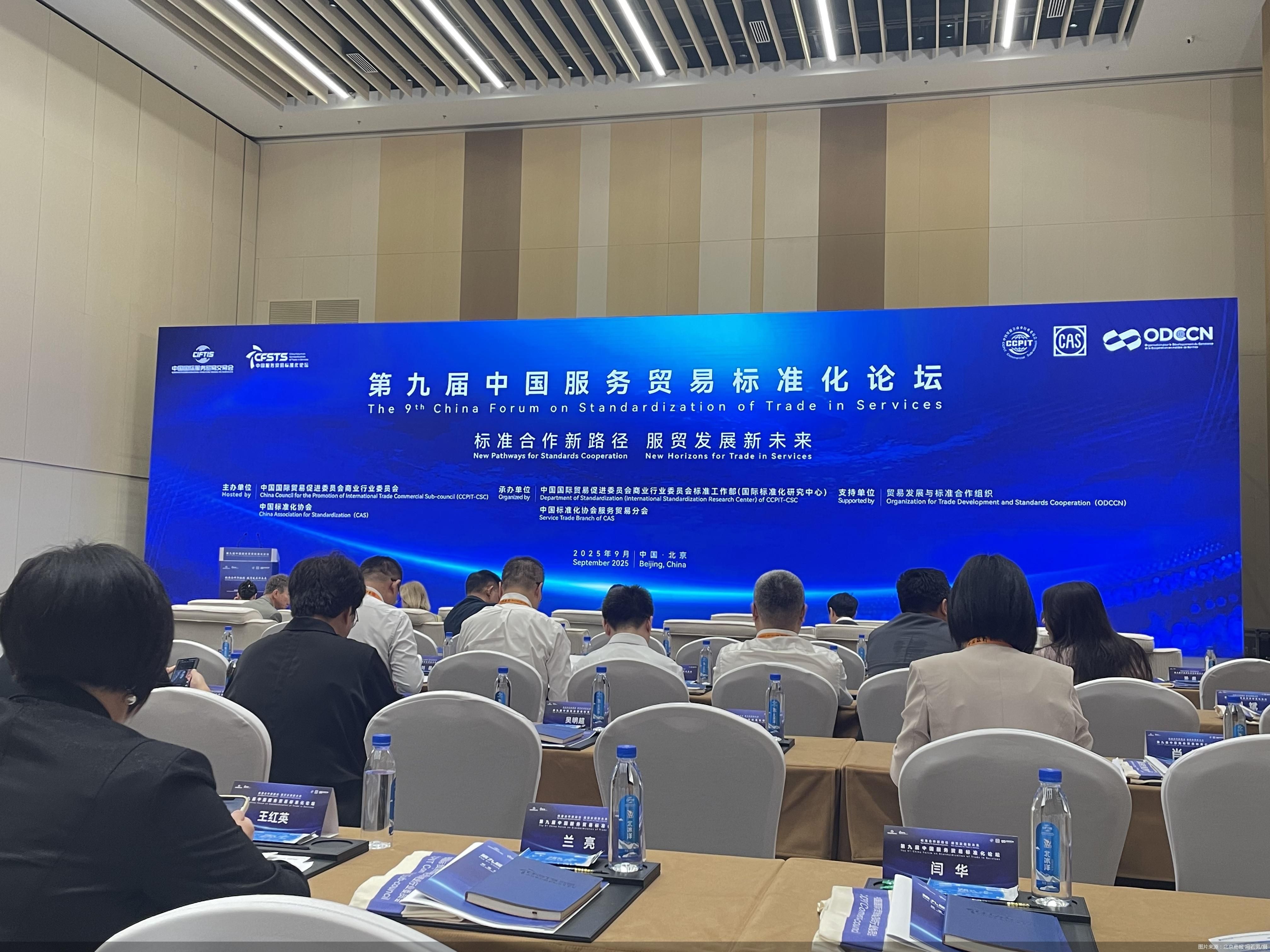
Core Viewpoint - The rapid development of international service trade has made standardization in the service industry a crucial area for international economic cooperation, highlighted by the recent International Service Trade Standardization Forum held on September 12, 2023, under the theme "New Pathways for Standard Cooperation, New Future for Service Trade" [1] Group 1: Forum Objectives and Initiatives - The forum aims to establish a compliance support platform for Chinese enterprises to navigate international market rules, enhancing China's international voice in service trade standardization [3] - A series of industry standards were released, and international platforms and projects were initiated to support the globalization of Chinese enterprises [3][8] Group 2: Challenges and Adaptation - The increasing complexity of the global market and emerging technologies pose new challenges for standardization in service trade, necessitating higher adaptability and resilience from China's service trade sector [4] - The Ministry of Commerce plans to strengthen inter-departmental collaboration and promote standardization in emerging industries to meet these challenges [4] Group 3: Importance of Standardization - Standardization is recognized as a universal language that enhances service facilitation, productivity, and reduces transaction costs, thereby providing a stable institutional guarantee for enterprises to engage in global cooperation [5][6] - The lack of unified global standards creates "invisible barriers" that hinder enterprises' international expansion, making the push for service trade standardization essential [6] Group 4: Growth and Competitiveness - China's service trade scale is projected to exceed $1 trillion in 2024, ranking second globally with a year-on-year growth of 13.2%, outpacing the global average growth rate of 4.2% [7] - Despite the growth, discrepancies between domestic and international service standards create challenges for free trade, highlighting the need for unified technical specifications [7] Group 5: New Standards and Initiatives - The forum announced the launch of 19 group standards, including guidelines for digital trade and cross-border e-commerce logistics, aimed at enhancing standardization in key sectors [8] - The establishment of technical committees for standardization in various sectors, including cultural and creative products, is part of the effort to provide diverse standards and participate in international standard development [8] Group 6: Transition from Follower to Leader - China's standardization process is evolving from being a "follower" to a "creator," with the release of the 2025 "Service Trade Standardization China Case" showcasing ten selected standards [9] - Active participation in international standard organizations is enhancing China's influence in service trade standardization [10] Group 7: Future Directions - Experts emphasize that standardization is not only a support system for service trade development but also a key link for innovation, cooperation, and inclusivity [11] - Future efforts will focus on deepening standard cooperation, enhancing standard supply and promotion, and increasing participation from small and medium-sized enterprises to drive high-quality global service trade development [11]
商业贸促会聚焦服务贸易,推动标准化建设与国际合作
Zhong Guo Jing Ji Wang· 2025-05-22 08:00
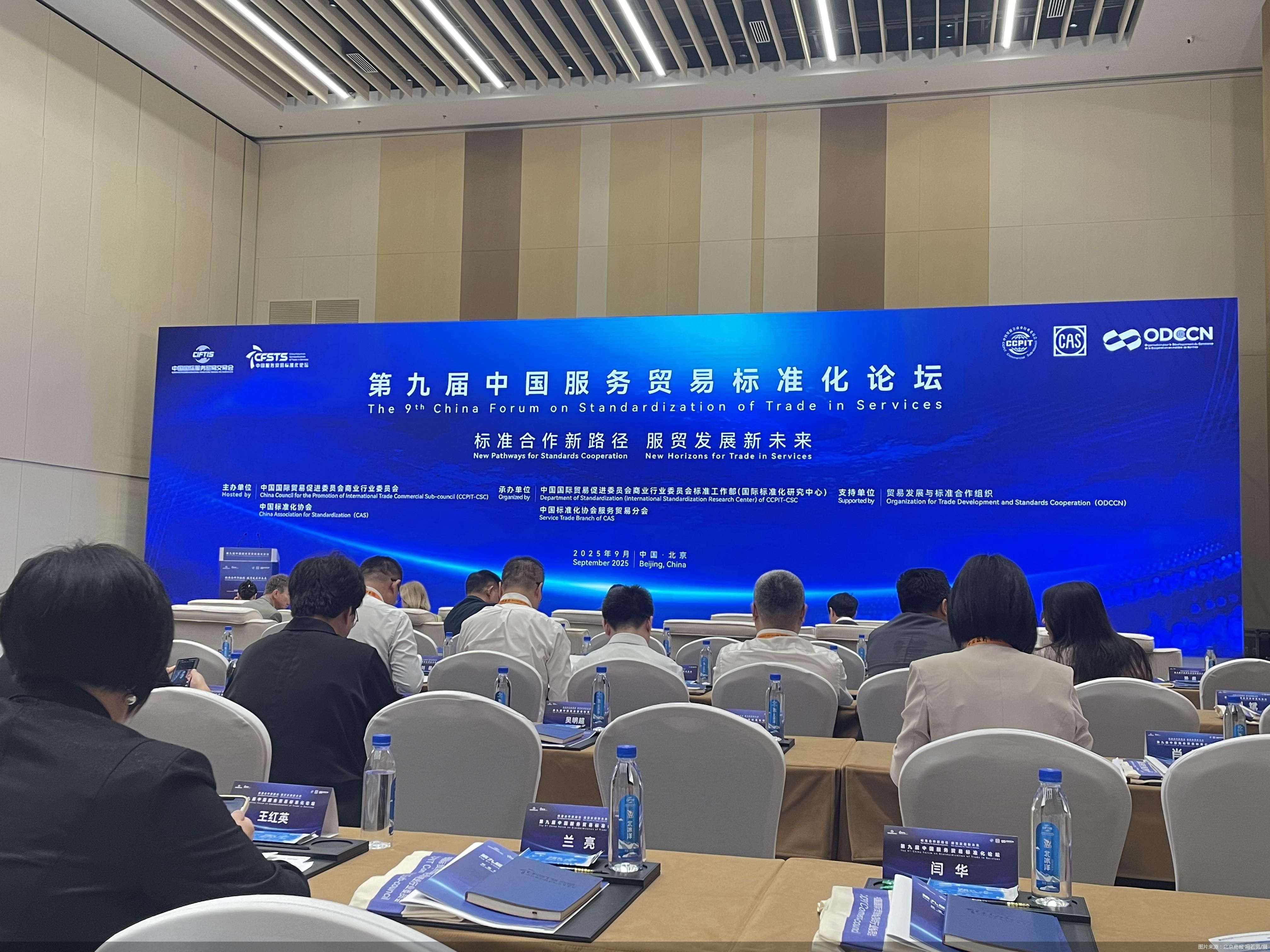
Group 1 - The China Council for the Promotion of International Trade (CCPIT) emphasizes the importance of service trade in promoting high-quality economic development and actively participates in the formulation of national, industry, and group standards in the service trade sector [1][2] - The CCPIT has developed a group standard for "Cross-border E-commerce Logistics Service Guidelines" to support small and medium-sized enterprises in their international expansion [1] - The China Service Trade Standardization Forum has been successfully held eight times, becoming an authoritative platform for communication in the field of service trade standardization in China [1] Group 2 - The CCPIT focuses on international cooperation in service trade by creating platforms for international exhibitions, trade negotiations, and training exchanges to facilitate the "going out" of Chinese services and the "bringing in" of high-quality overseas resources [2] - The upcoming ninth China Service Trade Standardization Forum will explore new models and directions for service trade standardization under the theme "New Paths for Standard Cooperation, New Future for Service Trade" [2] - Future plans include enhancing service trade innovation with a focus on digitalization, greening, and specialization, as well as strengthening talent cultivation through partnerships with universities and vocational schools [2]
广州22条举措如何激活服贸、数贸新动能
Nan Fang Du Shi Bao· 2025-05-13 23:18
Core Viewpoint - Guangzhou has introduced the "22 Measures for Service Trade and Digital Trade" to enhance the institutional soft environment and infrastructure hard environment for digital trade, aiming to support high-quality development in these sectors [4][5]. Group 1: Policy Measures - The "22 Measures" focus on expanding institutional openness, deepening service industry openness, and promoting alignment with Hong Kong and Macau's regulatory mechanisms [5]. - The measures encourage the standardization of service trade, supporting the adoption of advanced foreign standards and the development of Bay Area and international standards in sectors like cross-border elderly care and internet arbitration [5][6]. Group 2: Economic Development - Digital trade is recognized as a crucial component of the digital economy and global trade, with Guangzhou emphasizing the development of digital trade enterprises with international perspectives [6]. - The measures aim to enhance the "value," "green," and "innovation" aspects of service trade, promoting the integration of financial, exhibition, and human resources services [6]. Group 3: Financial Support - The initiative includes a financial support scheme with a total allocation of 300 million yuan, providing up to 1 million yuan per enterprise annually based on comprehensive evaluations [7]. - The support aims to foster a conducive environment for service trade and digital trade enterprises, enhancing their confidence and encouraging innovation [7].