
卷绕机

Search documents
大族锂电 重点支持2026(第二届)起点锂电圆柱电池技术论坛暨圆柱电池20强排行榜发布会举办!
起点锂电· 2026-03-05 11:48
Core Viewpoint - The demand for cylindrical batteries is expected to double, with a significant growth forecasted for 2026, highlighted by the upcoming 2026 (Second) Cylindrical Battery Technology Forum and the release of the Top 20 Cylindrical Battery Rankings [2][18]. Industry Background - The cylindrical battery market is projected to see a surge in shipments, with a growth rate exceeding 15% in 2025 for China, and over 40% for large cylindrical batteries [18]. - Major companies in the cylindrical battery sector are facing supply shortages, indicating strong market demand [18]. - New technologies such as full-tab, high nickel, silicon-carbon, and sodium batteries are expected to create new growth points and market opportunities [18]. Event Details - The 2026 (Second) Cylindrical Battery Technology Forum will take place on April 10, 2026, in Shenzhen, focusing on cutting-edge technologies and applications in the cylindrical battery industry [2][19]. - The event will gather over 600 industry professionals to discuss advancements in cylindrical battery technology, materials, and market applications [2][20]. Company Overview - Dazhu Group has been a key player in the lithium battery equipment manufacturing industry since 2000, becoming a major supplier for international battery companies [4]. - The company specializes in providing comprehensive equipment solutions for various battery types, including cylindrical, square, and pouch batteries [4]. Product Offerings - The company offers a wide range of products including rolling, die-cutting, winding, assembly, and packaging solutions for battery manufacturing [6]. - Key products include integrated machines for rolling and cutting, laser cutting and pressing, and various automated production solutions [6]. R&D and Innovation - The company invests approximately 10% of its annual revenue into R&D, holding over 1,000 authorized patents [8]. - It collaborates with universities and research institutions to develop new battery manufacturing technologies and processes [10]. Management and Global Service - The company has established a robust management system certified by international standards, ensuring high-quality production and operational excellence [12]. - With production bases in Shenzhen, Jingmen, Changzhou, and Dongguan, the company provides global service and support across major battery production regions [14].


31.25亿元!赢合科技中标!
起点锂电· 2026-01-10 10:43
Core Viewpoint - Winning Technology has won a bid for a project in Jingmen, with a contract amount of 3.125 billion yuan, indicating strong market demand and growth potential in the lithium battery sector [2][4]. Group 1: Project Details - The project, initiated by Jingmen Yiwei New Energy Technology Co., Ltd., has a total planned investment of 5.25 billion yuan and will cover an area of approximately 270,000 square meters, including a 220,000 square meter battery cell workshop [4]. - The project aims to establish four production lines for energy storage batteries, with an expected annual production capacity of 30 GWh and an estimated annual output value of 7.5 billion yuan, contributing over 300 million yuan in taxes [4]. Group 2: Company Achievements - Winning Technology's lithium battery automation equipment is recognized by major manufacturers such as CATL, BYD, and BMW, covering various production processes [6]. - Since 2025, Winning Technology has secured multiple collaborations and breakthroughs, including the delivery of high-performance coating machines and integrated machines to leading clients in Malaysia and Hungary [8][9][10]. Group 3: Financial Performance - In the first three quarters of 2025, Winning Technology reported revenues of 6.784 billion yuan, a year-on-year increase of 4.72%, but the net profit attributable to shareholders decreased by 39.1% to 302 million yuan [13]. - The revenue from lithium battery production equipment reached 2.8 billion yuan in the first half of 2025, accounting for 65.73% of total revenue, with a gross margin of 18.50%, up 2.03% year-on-year [12]. Group 4: Market Outlook - With the recovery of the lithium battery market and the increase in overseas battery projects, Winning Technology is expected to potentially reverse its performance in 2026 [14].

专访先导智能董事长王燕清:我们不是在追赶,而是定义下一代技术
21世纪经济报道· 2026-01-04 12:00
Core Viewpoint - The lithium battery industry is entering the "TWh era," with global demand for power batteries expected to exceed 1300 GWh by 2025, alongside explosive growth in the energy storage market [1][5]. Group 1: Industry Dynamics - The competition in the "TWh era" is not just about individual companies but the resilience of the entire industry chain [1]. - The shift from scale competition to a focus on efficiency, quality, and production capacity is crucial for battery manufacturers [5]. - The concept of "extreme manufacturing" is introduced as a solution to overcome the challenges of scale, efficiency, and quality [5]. Group 2: Technological Innovations - Data-driven approaches, AI empowerment, and flexible automation are key components in enhancing production efficiency [5]. - The use of digital twin technology allows for the creation of virtual factories, improving equipment delivery efficiency by up to 50% and enhancing overall equipment effectiveness (OEE) by 35% [5]. Group 3: Competitive Barriers - Deep collaboration with top-tier battery companies forms a second barrier, allowing for precise market alignment through joint R&D [7]. - A large delivery scale provides advantages in supply chain negotiations and cost control, forming a third barrier [7]. - The company emphasizes a "platformization" strategy, a robust R&D system, and global service capabilities as core competitive strengths [7]. Group 4: Market Strategy - The company advocates for a shift from price competition to a "value war," focusing on total cost of ownership (TCO) rather than just equipment purchase price [10][11]. - Differentiation through high-tech orders in solid-state batteries and large-capacity storage batteries helps avoid price wars [11]. - Global expansion is seen as a way to escape domestic price competition, with overseas revenue reaching 1.154 billion yuan in the first half of 2025, showing a continuous increase [11]. Group 5: Industry Standards and Intellectual Property - The company is actively involved in setting national and international industry standards to promote the development of standardized and modular manufacturing [11][12]. - Emphasis is placed on protecting intellectual property to encourage a shift from price competition to technology-driven competition [12].

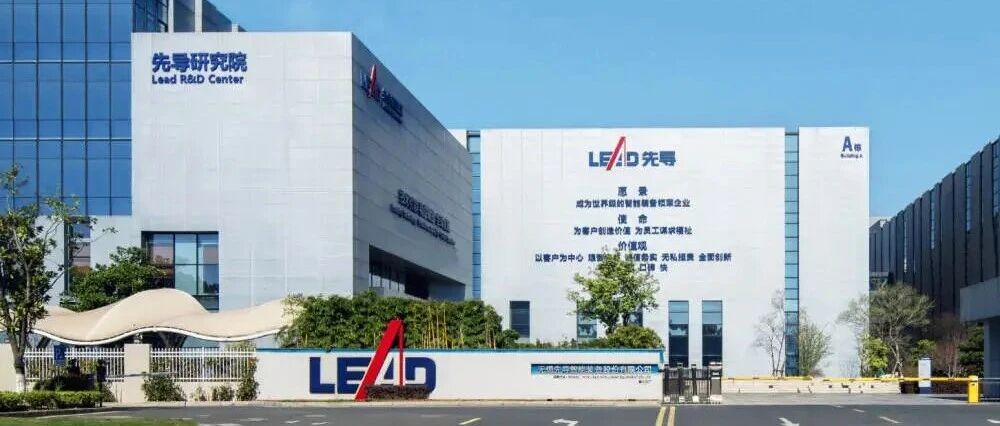
专访先导智能董事长王燕清:我们不是在追赶,而是定义下一代技术
2 1 Shi Ji Jing Ji Bao Dao· 2025-12-31 00:17
Core Viewpoint - The lithium battery industry is entering the "TWh era," marking a significant shift in production capacity and demand, with major players ramping up their capacity planning to meet this new standard [1][2]. Group 1: Industry Trends - By 2025, global demand for power batteries is expected to exceed 1300 GWh, with the energy storage market also experiencing explosive growth [2]. - The competition in the "TWh era" is not just about individual companies but rather a test of the resilience of the entire industry chain [2][3]. - The shift from scale competition to a restructured competitive logic is a key change in the lithium battery industry [3]. Group 2: Company Strategy - The company has established a "turnkey" solution capability across the entire value chain, which enhances customer loyalty and creates a significant barrier to entry for competitors [5]. - The company is focused on "extreme manufacturing," leveraging data-driven approaches, AI empowerment, and flexible automation to overcome challenges related to scale, efficiency, and quality [5]. - The company has formed deep partnerships with top global battery manufacturers, engaging in joint R&D to ensure that its products meet market demands [7]. Group 3: Competitive Advantages - The company benefits from a large delivery scale, which provides advantages in supply chain negotiations, core component self-research, and cost control [8]. - The company emphasizes a "platformization" strategy, a robust R&D innovation system, and global localized service capabilities as its core competitive strengths [8]. - The company is proactively defining next-generation technologies, such as solid-state battery equipment, to maintain its leading position in the market [8]. Group 4: Market Positioning - The company advocates for a shift from price competition to a "value war," focusing on total cost of ownership (TCO) rather than just equipment purchase prices [9]. - The company aims to avoid low-end capacity competition by targeting high-tech, high-barrier markets such as solid-state batteries and large-capacity energy storage [9]. - The company is expanding its global presence to seek new growth opportunities, emphasizing the importance of technology stability and delivery capability in overseas markets [9]. Group 5: Financial Performance - In the first half of 2025, the company's overseas business generated revenue of 1.154 billion yuan, with a gross margin of 40.27%, surpassing the overall business gross margin [10]. - The company is actively participating in the formulation of national and international industry standards to promote the standardization and modularization of equipment manufacturing [10].
21专访|先导智能王燕清:我们不是在追赶,而是定义下一代技术
2 1 Shi Ji Jing Ji Bao Dao· 2025-12-24 11:28
Core Insights - The lithium battery industry is entering the "TWh era," with global demand for power batteries expected to exceed 1300 GWh by 2025, alongside explosive growth in the energy storage market [1] - The competition in the "TWh era" is not just about individual companies but the resilience of the entire industry chain [1] Group 1: Industry Dynamics - The shift to the "TWh era" signifies a reconstruction of competitive logic, moving beyond mere capacity growth to a focus on efficiency and quality [5] - In the past decade, lithium battery companies competed primarily on scale, with rapid factory construction and production line deployment being key to gaining market share [6] - The new challenges in the "TWh era" require manufacturers to achieve capacity increases within limited space and labor constraints, necessitating a departure from traditional production line replication [8] Group 2: Company Strategy - The company has established a "full value chain" capability for "turnkey delivery," creating a competitive moat [7] - The company emphasizes "extreme manufacturing" to address the challenges of scale, efficiency, and quality, relying on data-driven decision-making, AI empowerment, and flexible automation [8] - The use of digital twin technology allows for significant efficiency improvements, with equipment delivery efficiency potentially increasing by 50% and overall equipment effectiveness (OEE) improving by 35% [8] Group 3: Collaborative Innovation - The company has formed joint R&D mechanisms with top global battery enterprises, allowing for collaborative innovation from the initial design phase [9] - This deep collaboration ensures that the company's products are precisely aligned with market demands [9] Group 4: Competitive Barriers - The company leverages its large delivery scale to gain advantages in supply chain negotiations and cost control [10] - The core competitive strengths are summarized as platform reuse capabilities, a robust R&D innovation system, and localized global service capabilities [10] Group 5: Technological Leadership - The company aims to define next-generation technologies rather than merely catch up, with early investments in solid-state battery equipment and other advanced technologies [11] - Key factors for the industrialization of solid-state batteries include manufacturing processes, equipment efficiency, and cost control [11] Group 6: Market Positioning - The company advocates for a shift from price competition to a "value war," focusing on total cost of ownership (TCO) rather than just equipment purchase prices [12] - By targeting high-tech, high-barrier markets such as solid-state batteries, the company avoids low-end capacity competition and positions itself for future market leadership [12] - The company is expanding its global presence to tap into higher-quality orders, moving away from domestic price wars [12] Group 7: Financial Performance - The company's overseas business generated revenue of 1.154 billion yuan in the first half of 2025, with a gross margin of 40.27%, surpassing the overall business margin [13] - The company is actively involved in setting national and international industry standards to promote the development of standardized and modular manufacturing [13]

先导智能王燕清:我们不是在追赶,而是定义下一代技术
2 1 Shi Ji Jing Ji Bao Dao· 2025-12-24 11:17
Core Viewpoint - The lithium battery industry is entering the "TWh era," with global demand for power batteries expected to exceed 1300 GWh by 2025, alongside explosive growth in the energy storage market [2] Group 1: Industry Dynamics - The competition in the "TWh era" is not just about individual companies but the resilience of the entire industry chain [3] - The biggest change in the lithium battery "TWh era" is the restructuring of competitive logic, moving beyond mere capacity growth [4] - Over the past decade, lithium battery companies have focused on scale competition, with rapid factory construction and production line deployment being key to gaining an advantage [5] Group 2: Company Strategy - The company has established a first barrier with its "full value chain delivery" capability, enhancing customer loyalty through "turnkey" solutions in non-standard automation [6] - The company is addressing the "impossible triangle" of scale, efficiency, and quality through "extreme manufacturing," emphasizing data-driven decision-making, AI empowerment, and flexible automation [7] - The company collaborates with top global battery enterprises from the initial design phase to ensure its products meet market demands [8] Group 3: Competitive Advantages - The company leverages its large delivery scale for supply chain negotiation, core component self-research, and cost control, allowing it to respond effectively to market competition [9] - The core competitive advantages are summarized as the reuse capability of the "platform strategy," a robust R&D innovation system, and localized global service capabilities [10] Group 4: Market Positioning - The company advocates for a shift from price competition to "value warfare," focusing on total cost of ownership (TCO) rather than just equipment purchase prices [11] - The company aims to avoid low-end capacity competition by targeting high-tech orders in advanced fields like solid-state batteries and large-capacity energy storage [12] - The company is expanding its global presence, with overseas business revenue reaching 1.154 billion yuan in the first half of 2025, reflecting a continuous increase and a gross margin of 40.27% [12] Group 5: Industry Standards and Innovation - The company is actively participating in the formulation of national and international industry standards, promoting the standardization and modularization of equipment manufacturing [12] - The company emphasizes the importance of protecting intellectual property to encourage a shift from price competition to technology-driven competition [13]
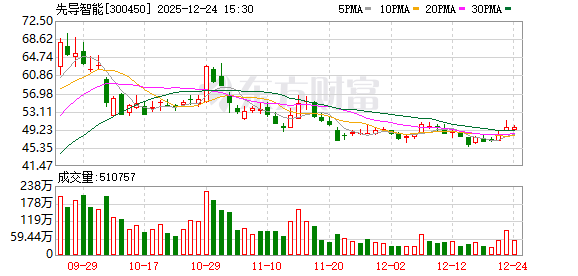
赢合科技:公司聚焦锂电设备核心工艺优化
Zheng Quan Ri Bao Wang· 2025-12-05 15:17
Core Viewpoint - The company, Yinghe Technology, is increasing its R&D investment to enhance core processes in lithium battery equipment, focusing on breakthroughs in key devices to strengthen its brand image [1] Group 1: R&D Investment - The company is intensifying its R&D efforts, particularly in optimizing core processes for lithium battery equipment [1] - Key devices such as coating machines, integrated roller machines, winding machines, and ultra-high-speed multi-station cutting and stacking machines have achieved breakthroughs in efficiency, automation levels, and process precision [1] Group 2: Brand Promotion - The company is actively participating in industry events such as the International Summit on Power Battery Applications, North American Battery Show, and top European battery technology conferences to showcase its technological achievements and solutions [1] - These efforts are aimed at continuously enhancing the company's brand recognition both domestically and internationally [1]

中美达成共识,锂电贸易管制暂停一年
高工锂电· 2025-10-30 13:15
Core Viewpoint - The article discusses the recent suspension of export controls by both the U.S. and China regarding lithium battery-related products, highlighting the implications for the lithium battery industry and global supply chains [4][6][8]. Industry Overview - The lithium battery industry in 2025 is characterized by a "high-end shortage and mid-to-low-end surplus" situation, with few companies capable of mass production and export of batteries with energy density ≥300Wh/kg [7]. - The U.S. lithium battery industry heavily relies on Chinese products and materials, with China holding a significant share in the global production capacity of key lithium battery materials [7]. Policy Changes - The U.S. has paused the implementation of its 50% penetration rule for one year, while China has also suspended its related export controls for the same duration, allowing for a potential easing of trade tensions [4][6]. - The Chinese export control measures, which were set to take effect on November 8, 2025, included a "technical-level" review for lithium battery exports, specifically targeting high-end technologies and critical equipment [6]. Market Impact - The policy adjustments provide a buffer for cooperation between the U.S. and Chinese lithium battery industries and offer a time window for global supply chain adjustments [8]. - Since 2025, China's lithium-ion battery exports have been on the rise, with Europe and Southeast Asia emerging as significant markets [9].
锂电出口管制不改行业动能,设备龙头回应凸显战略定力
Sou Hu Cai Jing· 2025-10-13 01:16
Group 1 - The Chinese government has announced export controls on lithium batteries, cathode materials, graphite anode materials, and related equipment, marking the first time lithium manufacturing equipment has been included in such regulations [1][2] - The export controls will take effect on November 8 and cover the entire industry chain from key materials to core equipment, aiming to regulate high-end technology while balancing national security and industrial competitiveness [1][2] - The controls specifically target high-end lithium battery products with an energy density of ≥300Wh/kg, focusing on next-generation technologies like semi-solid and solid-state batteries, while mainstream liquid batteries (around 260Wh/kg) are not affected [2] Group 2 - Leading companies in the lithium battery equipment sector, such as HaiMuxing, have demonstrated resilience and strategic stability in response to the policy changes, indicating that the export controls do not prohibit exports but require a license application [3] - Companies like XianDao Intelligent express optimism, noting that their overseas orders primarily come from domestic battery manufacturers and are not subject to the new controls [3] - Industry experts suggest that while the immediate impact of the export controls is limited, they will promote a healthier, more localized, and strategically controlled industry chain in the long term, potentially benefiting compliant and globally experienced leading companies [3]
海目星:锂电出口管制不改行业动能,设备龙头回应凸显战略定力
Zheng Quan Shi Bao Wang· 2025-10-12 10:58
Group 1 - China's Ministry of Commerce and General Administration of Customs announced export controls on lithium battery-related materials and equipment, marking the first time such controls have been explicitly applied to lithium manufacturing equipment [1] - The export controls will take effect on November 8 and cover the entire industry chain from key materials to core equipment, aiming to regulate high-end technology while balancing national security and industrial competitiveness [1][2] - The controls specifically target high-end lithium battery products with an energy density of ≥300Wh/kg, focusing on next-generation technologies like semi-solid and solid-state batteries, while mainstream liquid batteries (around 260Wh/kg) are not affected [2] Group 2 - Leading companies in the lithium battery equipment sector, such as HaiMuxing and XianDao Intelligent, have shown resilience and strategic stability in response to the policy changes, indicating that the export controls do not equate to a ban on exports [3] - Companies can still apply for export licenses, although the time and financial costs associated with exporting may increase [2][3] - The long-term impact of the export controls is expected to drive the industry towards healthier, more localized, and strategically controlled development, with top companies likely to gain more stable overseas market shares and better profitability [3]
