
气候科技

Search documents
中欧VC投资大对账:在欧洲做VC,工作生活是一种什么体验?
佩妮Penny的世界· 2026-03-26 07:51
Core Insights - The podcast industry is gaining popularity due to its flexibility and ability to provide in-depth discussions, making it suitable for various listening scenarios [3][5] - The content quality in the Chinese internet space is perceived to be highest in WeChat public accounts and podcasts, with long videos being less favored due to high production costs [3][5] - The podcast episode features a discussion between a Chinese host and a guest from Germany, focusing on the differences and similarities in the VC ecosystems of Europe and China [5][7] Group 1: VC Ecosystem Comparison - Both European and Chinese VCs are increasingly investing in full industry chain and self-sufficiency, with hard technology being a major focus in both regions [7] - There is a notable absence of a financial advisor (FA) ecosystem in Europe, as founders are more publicly engaged and often take on roles that would typically be filled by FAs in China [7] - The conversation highlighted the challenges faced by projects seeking funding from overseas institutions, particularly in avoiding investments in Chinese projects [7] Group 2: Investment Trends and Challenges - Key investment areas in Europe include defense, climate technology, robotics, and commercial aerospace, reflecting a trend towards hard technology and self-sufficiency [7][11] - The podcast discusses the high tax rates in Germany, which can impact innovation and investment dynamics, with taxes reaching up to 50% [11][12] - The episode also touches on the current state of Chinese dollar funds, which have ample capital but face challenges in new fundraising, with investment logic often aligned with national interests [12] Group 3: Professional Insights and Experiences - The experience of transitioning from consulting to VC is explored, emphasizing the differences in project sourcing and competition intensity between Europe and China [11] - The podcast discusses the work-life balance in the European VC environment, characterized by a structured work schedule and online networking [11][12] - The discussion includes insights on the integration of Asian professionals in the German workplace, highlighting both opportunities and challenges [12]


BNEF重磅发布|全球能源转型投资创新高,发展韧性依旧
彭博Bloomberg· 2026-01-29 07:08
Core Insights - The report indicates that global energy transition investments reached a record $2.3 trillion in 2025, marking an 8% year-on-year increase, driven primarily by electrification of transportation, renewable energy, and grid investments [2][3][6] - Despite the overall growth, renewable energy investments in China saw a 9.5% decline, introducing new uncertainties in the largest energy transition market [2][6] - Clean energy supply investments surpassed fossil fuel investments for the second consecutive year, with a gap widening from $85 billion in 2024 to $102 billion in 2025 [2][3] Investment Trends - Electrification of transportation accounted for the largest share of investments, totaling $893 billion, a 21% increase year-on-year [3][6] - The Asia-Pacific region remains the largest area for energy transition investments, contributing 47% of global totals in 2025, with China leading but experiencing a decline in renewable investments for the first time since 2013 [6][9] - The EU achieved an 18% growth in investments, reaching $455 billion, becoming the largest contributor to global growth [6] Clean Energy Supply Chain - Clean energy supply chain investments grew by 6% to $127 billion in 2025, driven by increased spending on battery manufacturing and materials [7][8] - Climate tech companies raised $77.3 billion through private and public market financing, marking a 53% increase and ending three years of decline [8][9] - M&A activity in the clean energy sector reached $99.1 billion, a 37% increase, primarily driven by clean power and building sector transactions [8] Debt Issuance and Future Projections - Energy transition debt issuance totaled $1.2 trillion in 2025, reflecting a 17% increase, supported by growth in corporate and project financing [8] - The report projects that global energy transition investments will average $2.9 trillion annually over the next five years [3][9] - Data center investments are estimated to reach $500 billion in 2025, surpassing total investments in solar energy but still trailing transportation [9]
绿色金融痛点问题何解?专家建议:既要技术赋能也要政企合力
Nan Fang Du Shi Bao· 2025-12-16 09:06
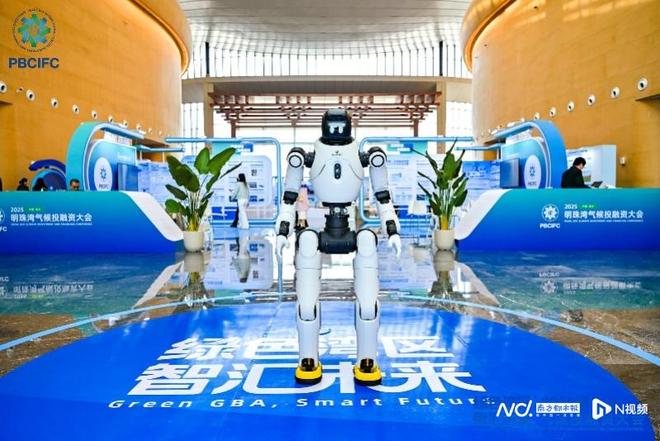
Core Insights - The third Pearl Bay Climate Investment and Financing Conference was held in Nansha, Guangzhou, focusing on promoting climate technology development and sustainable growth [1] - Guangzhou has established itself as a national pilot city for carbon peak and green finance innovation, with green loan balances reaching 1.6 trillion yuan and cumulative green bond issuance at 259.1 billion yuan as of October this year [1] Group 1: Green Finance Development - The current stage of green finance development faces challenges in carbon benefit quantification and risk assessment [1] - Nansha, as a national pilot for climate investment and financing, is positioned to address these challenges through collaboration among government, financial institutions, green transition enterprises, and research universities [1][11] - The region aims to leverage Hong Kong's advanced practices in green finance to support the green transition of the real economy [1] Group 2: Climate Investment Projects - As of 2024, over 5,400 local pilot projects have been registered, with total investments exceeding 3 trillion yuan and cumulative credit amounts surpassing 500 billion yuan [4] - Nansha has completed the registration of 28 climate-friendly enterprises and gathered over 690 green low-carbon projects with a total investment demand of nearly 160 billion yuan [4] - The region has introduced innovative financing products to facilitate the green and low-carbon transition for enterprises [4][15] Group 3: Technological Innovations - Innovative technology products showcased at the conference included hydrogen fuel systems, which have increased domestic production rates from 50% to 85% [6] - Hydrogen energy is recognized as one of the most ideal clean energy sources, although it faces high costs and infrastructure challenges [6][11] - The integration of advanced technologies such as IoT, AI, and blockchain is essential for addressing the pain points in green finance, particularly in data collection and risk assessment [11][13] Group 4: Policy and Collaboration - The "Nansha Financial 30 Measures" aims to facilitate cross-border credit financing and enhance collaboration between technology enterprises and financial institutions [10] - The establishment of the "Guangzhou Nansha Carbon-Friendly Financial Cooperation Mechanism" has already provided over 1 billion yuan in loans to more than 10 green low-carbon enterprises [15] - The conference resulted in the signing of agreements to promote mutual recognition of climate investment and financing standards among the Guangdong-Hong Kong-Macao Greater Bay Area [4]
构建可持续发展新范式 需科技创新与绿色金融齐发力
Di Yi Cai Jing· 2025-12-14 04:05
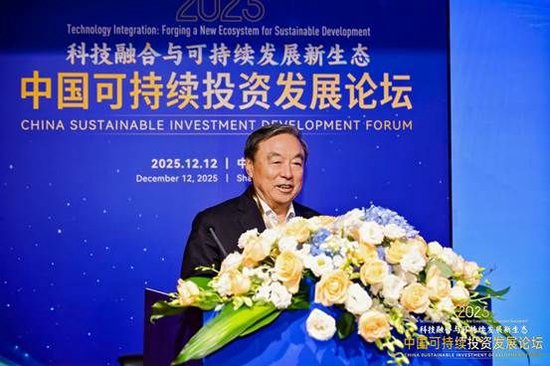
Group 1 - The core viewpoint emphasizes the intersection of technological revolution and sustainable development, advocating for a new paradigm that leverages disruptive technology and systemic financial empowerment to create a more resilient and efficient sustainable future [1] - The integration of artificial intelligence and big data into sustainable development faces challenges such as data fragmentation and unclear disclosure standards, necessitating improved data aggregation and standardized reporting [1][2] - From 2026, companies listed on important indices will be required to disclose sustainability reports, indicating a positive trend towards systematic and standardized reporting, although there remains a gap between domestic and international standards [2] Group 2 - China's green loan balance reached 43.51 trillion yuan, a year-on-year increase of 22.9%, and green bonds issued totaled 4.95 trillion yuan, positioning China among the global leaders in green finance [3] - The development of climate technology is crucial for addressing climate challenges, with six core areas identified: renewable energy, energy storage, smart grid, carbon capture, hydrogen energy, and biomass energy [3] - Significant funding is required for the entire cycle of climate technology development, necessitating a multi-faceted climate financing system to overcome the challenges of financing gaps exceeding $2 trillion globally [4] Group 3 - Four financing solutions proposed to address the climate financing gap include cultivating patient capital, leveraging public capital to attract social investment, innovating blended capital models, and matching financial products to the full cycle of financial needs [4] - The establishment of a complete financial ecosystem is essential for empowering climate technology, which includes creating a shared value consensus and improving benefit mechanisms through tools like carbon trading [4][5] - The voluntary carbon market in China faces challenges such as a lack of independent standards and insufficient domestic supply to meet the growing demand for carbon credits from outbound enterprises [5] Group 4 - The integration of technology and green finance is crucial for creating a sustainable development ecosystem, with a focus on making trust measurable through data governance and technological innovation [6] - Balancing market activity and pricing in the carbon market is essential to ensure sustainability, as excessively high prices can burden industries while low prices may diminish the motivation for carbon reduction [7] - The rationalization of green premiums is key to achieving a win-win scenario in sustainable development, ensuring that all segments of the supply chain benefit from the green transition without passing costs onto consumers [7]
构建可持续发展新范式,需科技创新与绿色金融齐发力
Di Yi Cai Jing· 2025-12-14 03:50
Group 1 - The core viewpoint emphasizes the need for a new sustainable development paradigm that integrates technology and finance to overcome traditional pollution-first approaches [1][2] - The upcoming mandatory disclosure of sustainability reports for listed companies starting in 2026 is seen as a positive trend, although there is a need for improvement in the systematic and standardized nature of these disclosures [2] - China's green loan balance reached 43.51 trillion yuan, with a year-on-year growth of 22.9%, and green bonds issued totaled 4.95 trillion yuan, positioning China as a global leader in green finance [3] Group 2 - Four financing solutions proposed to address the climate financing gap exceeding $2 trillion include cultivating patient capital, leveraging public capital, innovating mixed capital models, and matching financial products with full-cycle needs [4] - The development of climate technology faces challenges such as high costs and safety concerns in hydrogen energy, reliance on rare lithium resources for batteries, and high energy consumption in carbon capture technologies [3][4] - The establishment of a comprehensive financial ecosystem is crucial for empowering climate technology, which includes creating value consensus, improving benefit mechanisms, and developing a green certification and rating system that aligns with international standards [4][5] Group 3 - The integration of technology and green finance is essential for creating a sustainable ecosystem, with a focus on making trust measurable through data governance and technological innovation [6] - The balance between market activity and pricing in China's carbon market is critical, as excessively high prices can burden industries while low prices may reduce the incentive for carbon reduction [7] - Achieving a rationalization of green premiums across the supply chain is key to ensuring that all stakeholders benefit from the green transition, rather than passing costs onto consumers [7]
两部门强化绿色金融供给,划定三类重点支持方向
Xinda Securities· 2025-12-13 13:10
Investment Rating - The report does not specify a direct investment rating for the industry but emphasizes a positive outlook on green finance initiatives and ESG investments [2][3]. Core Insights - The report highlights the strengthening of green finance supply by two departments, focusing on three key support directions: technological breakthroughs and industrial applications, enterprise green transformation, and zero-carbon factory construction [3][12]. - By 2030, the goal is to increase the output value of green factories at national, provincial, and municipal levels to 40% [3][12]. - The report indicates a significant growth in ESG bonds, with a total issuance of 3,832 bonds and a stock scale of 5.72 trillion RMB, where green bonds account for 62.15% [5][29]. - The ESG public fund market consists of 944 products with a total net value of 11,645.22 billion RMB, with ESG strategy products making up 45.09% [5][35]. - The report notes that 95% of business leaders view climate transition as a source of growth and opportunity, indicating a shift in perspective towards sustainability [21][22]. Summary by Sections Domestic Focus - The Ministry of Industry and Information Technology and the People's Bank of China have issued a notice to enhance green finance support, targeting three main project categories [3][12]. - The report outlines the implementation of a carbon footprint factor database by 2027, aiming to improve data quality and international influence [13]. - Hubei Province has completed the first compliance of multiple industries under the national carbon market, marking a significant local practice for the market's operation [14]. International Focus - The World Bank's report on Mauritania highlights the country's economic challenges and the need for diversification beyond the mining sector, which currently contributes 70% of exports and one-fifth of GDP [4][18]. - The ISSB has made targeted revisions to the IFRS S2 to support the implementation of climate-related disclosures [19]. - Munich Re has set new climate targets for its insurance and investment portfolios, emphasizing a commitment to climate solutions [20]. ESG Financial Products Tracking - The report provides detailed statistics on ESG bonds, public funds, and bank wealth management products, indicating a robust market presence and growth potential [5][29][40]. - The issuance of ESG bonds in the past year totaled 1,231 bonds with a total amount of 13,668 billion RMB [5][29]. Index Tracking - As of December 12, 2025, major ESG indices have shown varied performance, with the Shenzhen ESG 300 index having the highest increase of 14.75% over the past year [7][41]. Expert Opinions - Experts emphasize the integration of technology and finance to build a resilient and efficient sustainable development paradigm, highlighting China's advantages in climate technology [8][42].
让耐心资本敢于投入气候科技领域 2025中国可持续投资发展论坛在沪举行
Zheng Quan Shi Bao Wang· 2025-12-13 02:51
高金执行院长、会计学讲席教授、可持续投资研究中心理事长程仕军表示,当前,我们正站在一个由科 技重构未来的关键节点。全球可持续发展进程不断深化,以人工智能为代表的科技革命浪潮正蓬勃兴 起,这两股深刻影响未来世界发展格局的力量融合交汇。这就要求从根本上超越"先污染,后治理"的传 统路径,转而依托科技的颠覆性力量与金融的系统性赋能,共同构建一个更具韧性、更富效率、更为包 容的可持续发展新范式。在他看来,可持续未来的构建,离不开科技创新与绿色金融的协同共进。 联合国开发计划署可持续发展目标影响力指导委员会委员、招商银行原行长马蔚华说,攻克气候难题的 核心在于气候科技。气候科技是联合国气候变化框架公约定义的特定概念,指能减少温室气体排放、适 应气候变化影响、促进绿色低碳发展的一系列技术,覆盖能源生产、消费、存储、碳减排等全产业链。 针对全球气候融资缺口超2万亿美元、国内缺口同样较大的现状,马蔚华表示,气候科技攻关周期长、风 险高,部分基础理论研究可能长期无直接回报,需动员更多资本成为"耐心资本",不追求短期收益,注 重长期价值,与气候科技企业价值观保持一致,做好长期陪跑。他呼吁建立长期主义价值观、完善激励 约束机制与容 ...
马蔚华:中国“双碳”行动成绩斐然 气候科技成破局关键
Xin Lang Cai Jing· 2025-12-12 14:13
Core Insights - The speech by Ma Weihua emphasizes the need for climate financing to support climate technology development and build a sustainable development ecosystem [1][3] Group 1: Progress and Challenges in Sustainable Development - Since the adoption of the 2030 Sustainable Development Agenda by the UN in 2015, the overall progress has been below expectations, with over half of the projects stagnating and 18% regressing, leading to an anticipated completion rate of less than 20% by 2030 [1][3] - China has actively pursued its "3060 dual carbon" commitment, achieving significant results, including a green bond scale of nearly 4 trillion yuan and a renewable energy installation ratio of 60%, establishing the world's largest carbon market [1][3] Group 2: Climate Technology and Its Bottlenecks - Climate technology, defined by the UN Framework Convention on Climate Change, encompasses a range of technologies aimed at reducing greenhouse gas emissions and promoting green low-carbon development across the entire industry chain [2][4] - Despite China's unique advantages in climate technology, including substantial R&D investment and rapid technological iteration, several bottlenecks remain, such as high costs and safety concerns in hydrogen energy, reliance on rare lithium resources for lithium batteries, and inefficiencies in carbon capture technology [2][4] Group 3: Financing Solutions for Climate Technology - The full cycle of climate technology development requires significant funding and long-term stable investment, necessitating the establishment of a diversified and collaborative climate financing system [5] - Ma Weihua proposed four financing solutions to address the global climate financing gap exceeding $2 trillion and significant domestic gaps: cultivating patient capital, leveraging public capital to attract social capital, innovating mixed capital models, and matching financial products and services to the full cycle of financial needs [5]
马蔚华:中国“双碳”行动成效显著 气候科技成破局关键
Xin Lang Cai Jing· 2025-12-12 09:19
Core Insights - The 2025 China Sustainable Investment Development Forum emphasizes the integration of technology and sustainable development, highlighting the role of climate financing in fostering climate technology [1][11] - The UN's 2030 Sustainable Development Agenda has seen underwhelming progress, with over half of the projects stagnating and 18% regressing, primarily due to the escalating climate crisis [3][13] - China has made significant strides in climate commitments, with green bond issuance nearing 4 trillion yuan and renewable energy accounting for 60% of installed capacity, alongside the establishment of the world's largest carbon market [3][13] Climate Technology - Climate technology is defined as a set of technologies aimed at reducing greenhouse gas emissions and promoting green, low-carbon development, covering the entire energy production and consumption chain [3][13] - Six core areas of climate technology include renewable energy, energy storage, smart grid technology, carbon capture and utilization, hydrogen energy, and biomass energy [3][13] Current Advantages and Challenges - China has developed unique advantages in climate technology, including leading global production in photovoltaic technology and a complete energy storage supply chain [4][14] - Despite these advantages, challenges remain, such as high costs and safety concerns in hydrogen energy, reliance on rare lithium resources for batteries, and inefficiencies in carbon capture technology [4][14] Climate Financing Solutions - A multi-faceted climate financing system is essential to support the extensive funding needs of climate technology, which cannot rely solely on a single source of funding [5][15] - Four proposed solutions for addressing the climate financing gap include cultivating patient capital, leveraging public capital to attract social investment, innovating mixed capital models, and matching financial products to the full cycle of climate technology development [5][15][16][17][18] Financial Ecosystem Development - Building a complete financial ecosystem for climate technology requires a shared value consensus, improved incentive mechanisms, and the establishment of a green certification and rating system that aligns with international standards [8][18][19] - The emphasis is on creating a long-term investment perspective that integrates social value into decision-making, thereby enhancing the role of climate financing in supporting climate technology [8][19]
特朗普2.0政策冲击,欧洲资本加码国防和AI等领域
Feng Huang Wang· 2025-08-19 22:53
Group 1: European Tech Ecosystem Transformation - The second term of President Trump is inadvertently revitalizing the European tech ecosystem, driven by protectionist U.S. economic policies and unreliable support for Ukraine, leading to increased investment in European defense startups [1] - European investors and entrepreneurs are embracing "technological sovereignty," focusing on key areas such as artificial intelligence (AI) and climate technology, with a shift in funding priorities towards strengthening critical technologies in Europe [1][2] Group 2: Defense Technology Investment Surge - Defense technology has become a core focus for investors globally, particularly in Europe, with European defense startups raising a record $2.4 billion last year and $2.11 billion so far this year [2] - The uncertainty surrounding the Trump administration's stance on Ukraine and NATO has prompted Europe to seek military and economic independence, inspiring a new generation of entrepreneurs to engage in essential sectors like energy and defense [3] Group 3: Shift in Investment Philosophy - Historically, defense technology financing was limited due to ESG (Environmental, Social, and Governance) restrictions, but this is changing as limited partners (LPs) are removing these constraints to allow more freedom in investing in defense-related technologies [3] - European government leaders, including President Macron and Prime Minister Starmer, are committing billions to national AI projects, emphasizing "AI sovereignty" amid rising trade tensions with the U.S. [4][5] Group 4: Climate Technology Opportunities - The reduction of funding for clean energy projects in the U.S. is driving many climate tech startups to look towards Europe as a haven for innovation and government support [6] - European entrepreneurs and venture capitalists are seizing a "historic opportunity" to establish a coherent identity and strategy in global tech competition, positioning Europe as a refuge for technology, science, and progress [6]