
汽车生态

Search documents
回看贾跃亭造车的十年残梦
3 6 Ke· 2025-12-22 01:33
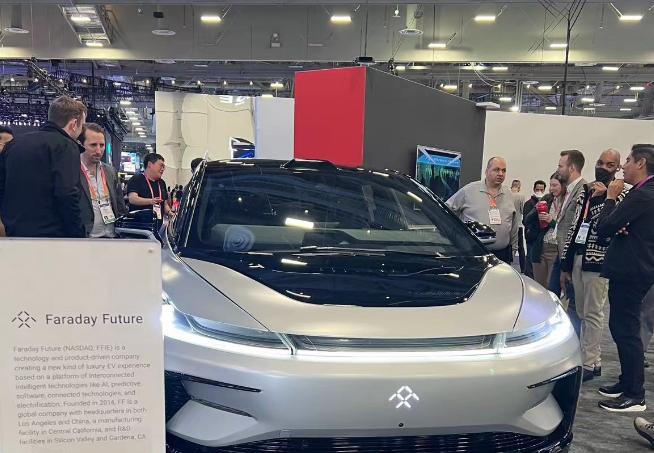
Core Viewpoint - The article discusses the rise and fall of Faraday Future (FF) and its founder Jia Yueting, highlighting the missed opportunities in the electric vehicle (EV) market and the challenges faced by the company over the past decade [3][5][20]. Group 1: Company Overview - FF was initially launched with high expectations at CES 2016, showcasing the FF Zero 1 concept car, which generated significant media attention [1][3]. - Despite the initial excitement, FF has struggled to deliver on its promises, with production delays and a lack of market presence leading to a perception of failure [3][5]. Group 2: Technological Challenges - FF's technological ambitions were ambitious but ultimately unfocused, leading to a failure to integrate and deliver viable products to the market [6][8]. - The company attempted to assemble a strong technical foundation but ended up with a disjointed array of technologies that did not translate into successful vehicle production [8][11]. Group 3: Strategic Missteps - FF's strategy of integrating its automotive business into a broader ecosystem, similar to its other ventures, did not materialize as expected, leading to financial strain and operational challenges [9][11]. - The company diverted funds from its automotive ambitions to support its broader ecosystem, which ultimately hindered its ability to establish a sustainable automotive business [11][12]. Group 4: Market Positioning - FF's shift in market positioning from affordable vehicles to high-end luxury cars, driven by financial constraints, resulted in missed opportunities in the growing EV market [13][15]. - The FF 91 2.0 Futurist Alliance was launched at a price of $309,000, significantly higher than the mainstream EV market, which is concentrated in the $30,000 to $60,000 range [15]. Group 5: Industry Context - The article contrasts FF's struggles with the success of other Chinese EV manufacturers, which have capitalized on the domestic market's growth and technological advancements [20]. - FF's reliance on the U.S. market and supply chain has proven detrimental, especially as the Chinese EV market matured and offered significant growth opportunities [16][18].


11月压力大!车企销量看环比就露馅
Jing Ji Guan Cha Bao· 2025-12-01 15:03
Group 1 - The Chinese automotive market remains strong in November, but the impact of subsidy reductions is spreading beyond price-sensitive consumers, leading to a general delay in purchasing decisions [2] - NIO's CEO Li Bin noted a significant drop in new orders across the industry in November, with consumers adopting a wait-and-see approach [2] - BYD's sales in November reached 480,000 units, a year-on-year decline of 5.25%, indicating a shift from rapid growth to a need for structural adjustment [2] Group 2 - Geely's sales in November were 310,000 units, a year-on-year increase of 24%, supported by multiple product lines [3] - SAIC's overall sales reached 316,000 units, with a growth rate of 9.5%, indicating a stable performance across its brands [3] - Great Wall and Chery maintained steady sales, with Great Wall selling 133,200 units (up 4.57%) and Chery selling 255,800 units (down 2%) [3] Group 3 - The new energy vehicle segment is gaining traction among state-owned enterprises, with Dongfeng's Lantu surpassing 20,000 units in November [4][5] - Traditional brands like FAW showed stable performance, with total sales of 306,000 units in November, including a significant increase in new energy vehicle sales [5] Group 4 - Huawei's automotive strategy is evolving, with its smart vehicle delivery reaching 81,864 units in November, reflecting its growing influence in the industry [6] - The competition is shifting from vehicle-to-vehicle to ecosystem-to-ecosystem, highlighting the importance of integrated capabilities [6] Group 5 - New entrants like Leap Motor delivered 70,327 units in November, marking a year-on-year growth of over 75%, positioning themselves as significant competitors [6] - Xiaomi maintained stable delivery levels above 40,000 units, while XPeng and NIO also reported strong growth in November [7] Group 6 - The automotive market is entering a phase that tests companies' capabilities, with consumers becoming more discerning and extending their decision-making processes [8] - The focus of competition is shifting from subsidies to long-term brand value, supply chain stability, and technological advancement [9]






左手AI,右手生态
Zhong Guo Qi Che Bao Wang· 2025-12-01 01:44
Core Insights - The automotive industry is transitioning from traditional hardware competition to a new era driven by AI, which is deeply integrated into vehicle control and intelligent driving, transforming cars into essential "smart partners" and "ecological hubs" in daily life [2][12] AI Empowerment and Breakthroughs - AI technology has penetrated various aspects of the automotive sector, including intelligent driving and smart cockpits, showcasing significant advancements in both technical depth and application breadth [3] - The shift towards software-defined intelligent platforms is evident, with companies like Li Auto and Xiaomi showcasing advanced driver assistance systems that enhance user experience and mimic human decision-making [3][4] Market Accessibility and Cost Reduction - The price range of 120,000 to 150,000 yuan has emerged as a new battleground for intelligent driving, with companies like GAC Toyota and Dongfeng Nissan introducing advanced features at lower price points due to a significant drop in core component costs [4] - The cost of automotive-grade lidar has decreased from approximately 8,000 yuan in 2023 to below 3,000 yuan, indicating a trend towards more affordable intelligent driving technologies [4] Intelligent Cockpit Innovations - AI models are transforming traditional vehicles into emotionally aware travel companions, as seen in the Roewe M7 DMH's AI cockpit system, which offers advanced interaction capabilities and personalized user experiences [5] - The system can understand complex commands and remember user preferences, enhancing the overall driving experience [5] New Automotive Ecosystem - AI serves as a core hub connecting various elements of a vast automotive ecosystem, integrating travel services, energy networks, hardware, software applications, and urban infrastructure [7] - This integration breaks down the traditional isolation of vehicles, creating a more interconnected and efficient transportation network [7] Integrated Smart Mobility - AI is the foundational technology for building an integrated "vehicle-road-cloud" smart mobility ecosystem, enhancing collaborative driving and optimizing traffic network efficiency [8] - In the energy sector, AI is transforming vehicles into active participants in smart energy networks, improving battery management and charging efficiency [8] Comprehensive User Experience - AI is becoming the central engine for connecting "people-vehicles-home" ecosystems, evolving cars from mere transportation tools to personal mobility control centers [9] - The shift in human-machine interaction is moving towards an AI-centric model, where AI understands user intentions and provides tailored services [9] Industry Transformation - The dual drive of AI and ecosystem integration is reshaping the global automotive industry's competitive landscape, requiring participants to reassess their roles and value [11] - The focus of competition has shifted from mechanical performance to intelligence and ecosystem integration, with new business models emerging that emphasize lifecycle value rather than one-time hardware sales [11] Future Outlook - The automotive industry is moving from a horsepower competition to one focused on computing power and collaboration, with AI as the driving force behind this transformation [12] - Companies must understand these trends and build comprehensive capabilities to thrive in the evolving automotive landscape [12]

最低4.99万,京东的第一辆车会亏吗?
Xin Lang Cai Jing· 2025-11-12 12:16
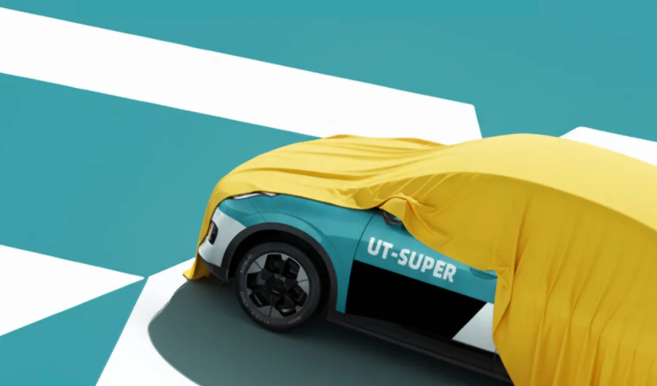
Core Viewpoint - JD.com, in collaboration with GAC Group and CATL, has launched a new electric vehicle named Aion UT Super, targeting the budget-friendly segment of the market with a starting price of 49,900 yuan for a battery rental option and 89,900 yuan for outright purchase, aiming to attract consumers looking for cost-effective vehicles [2][4][19]. Pricing and Market Positioning - The Aion UT Super is priced at 49,900 yuan for the battery rental scheme and 89,900 yuan for outright purchase, with a minimum price of 85,900 yuan after subsidies [4][19]. - 83% of surveyed users expressed a desire for the vehicle to be priced below 100,000 yuan, indicating strong market demand for affordable electric vehicles [4][19]. - The vehicle's pricing positions it within the lowest price range in the domestic market, appealing to consumers seeking practical and economical options [7][19]. Product Features and Specifications - The Aion UT Super features a range of specifications, including a 500 km range powered by CATL's chocolate battery, a spacious interior with a wheelbase of 2750 mm, and a maximum power output of 100 kW [11][12][13]. - It includes advanced technology such as Huawei's cloud vehicle system, AI voice interaction, and comprehensive safety features like a 540-degree panoramic view [14][19]. Strategic Intent of JD.com - JD.com aims to leverage the Aion UT Super not just for vehicle sales but as a means to drive traffic and establish a comprehensive automotive ecosystem, focusing on various revenue streams beyond just selling cars [5][6][19]. - The company has established partnerships with multiple automakers, including BYD and Changan, to enhance its supply chain and after-sales services [6][23]. After-Sales and Service Network - JD.com has developed a robust after-sales service network, with over 3,000 service locations and partnerships with more than 40,000 service centers to support vehicle maintenance and care [28][29]. - The collaboration with GAC and CATL includes shared responsibilities for after-sales service and battery management, ensuring comprehensive support for consumers [16][19]. Long-Term Vision and Market Trends - JD.com's entry into the automotive sector aligns with its long-term vision of integrating online sales with after-market services, capitalizing on the growing potential of the automotive after-market, projected to reach 7.5 trillion yuan by 2024 [22][29]. - The company's strategy reflects a shift towards a more digital and service-oriented approach in the automotive industry, aiming to create a seamless experience for consumers from purchase to maintenance [27][31].

京东卖「国民好车」,顺手盘活汽车4S店
3 6 Ke· 2025-10-28 10:22
Core Insights - JD Auto is entering the automotive market with a strong strategy to reshape the car distribution landscape, leveraging its supply chain, technology, and user data to enhance the buying experience [1][25] - The "National Good Car" initiative aims to establish a comprehensive service network across China, including 10,000 delivery centers, to facilitate sales, delivery, and after-sales services [1][19] Group 1: JD Auto's Strategy - JD Auto is focusing on a "no manufacturing" approach, positioning itself as a facilitator for car manufacturers to sell their vehicles effectively [2][25] - The company has partnered with major manufacturers like GAC and CATL to launch the "National Good Car," which will be exclusively sold through JD's platform during major sales events [1][10] - JD Auto's delivery center plan is designed to create a multi-brand automotive sales and service environment, akin to a comprehensive 4S store model [1][3] Group 2: Market Dynamics - The automotive e-commerce market in China is projected to grow from 8.6 trillion to 14.1 trillion yuan between 2018 and 2024, but previous attempts at pure online sales have struggled to disrupt traditional distribution models [2][3] - The shift towards electric vehicles (EVs) is significant, with EVs expected to account for over 50% of car sales by 2025, prompting a need for new sales channels [6][21] - Traditional 4S dealerships are facing challenges due to high inventory costs and limited brand offerings, creating a demand for new operational models [6][20] Group 3: User Experience and Data Utilization - JD Auto's extensive user data, with over 800 million active users, allows for targeted marketing and sales strategies, enhancing the potential for cross-selling [9][21] - The "National Good Car" initiative has already received feedback from over 300,000 users, indicating strong consumer interest and engagement [7][10] - The platform aims to streamline the car buying process, reducing the time needed for users to compare and purchase vehicles from several brands [11][21] Group 4: Competitive Landscape - JD Auto's approach is seen as a response to the evolving automotive sales landscape, where traditional models are being challenged by new entrants and changing consumer preferences [24][25] - The initiative is expected to create a competitive advantage by integrating online and offline services, thus improving customer satisfaction and operational efficiency [24][25] - The collaboration with various automotive brands and service providers positions JD Auto as a key player in the future of automotive sales in China [25]

不止于车,筑造生态:论卡泰驰的“破局式”布局
Zhong Guo Qi Che Bao Wang· 2025-07-23 04:33
Core Insights - Haier Group's subsidiary, Kataychi, has entered the used car market and is expanding into automotive customization, aiming to build an automotive ecosystem [1][3] - The used car industry in China faces significant challenges, with 70% of dealers operating at a loss, indicating a need for market evolution and innovation [3][4] - Kataychi's strategy focuses on enhancing customer experience and transparency in the used car market, aiming to create a trustworthy sales network [3][4] Group 1: Business Model and Strategy - Kataychi adopts a partner model, ensuring that stores are run by original business owners while adhering to a service philosophy of transparency and trust [4] - The company does not rely on profit from price differences but instead focuses on value-added services based on trust, providing guarantees for car owners and ensuring store profitability [4][9] - By 2025, Kataychi plans to establish nearly 200 stores, with a focus on building a comprehensive MMC system in 2024 rather than rapid expansion [3][4] Group 2: Market Challenges and Opportunities - The decline in new car prices has pressured used car businesses, as they lack pricing power and must adjust their prices accordingly [6] - The current state of the used car market, characterized by small and scattered operators, presents significant growth potential for larger, more organized enterprises [3][6] - Kataychi aims to address consumer pain points by providing reliable and transparent services, which is essential for gaining consumer trust and achieving sustainable growth [6][7] Group 3: Innovation and Collaboration - Kataychi is focusing on personalized automotive customization as a key area for value-added services, partnering with companies like Suzhou Lorenz to meet user demands [9][10] - The collaboration with Lorenz allows Kataychi to offer high-quality customization services, enhancing user experience and addressing specific market needs [10][12] - Innovative solutions, such as integrating smart home technology into vehicle modifications, are being developed to enhance the functionality and comfort of vehicles [12][13] Group 4: Strategic Vision - Haier Group is pursuing three strategic areas: smart home ecosystems, health industry ecosystems, and digital economy ecosystems, with a focus on creating a comprehensive automotive service platform [15] - The automotive platform is shifting from a transactional model to a user-centric ecosystem that emphasizes lifecycle services [15] - Kataychi is exploring synergies between automotive and home ecosystems to create a competitive collaborative effect, leveraging Haier's strengths in technology and consumer insights [15]
