
油气管网设施公平开放

Search documents
监管亮剑!油气管网新规增设罚则,市场化改革迈入“有法可依”新阶段
Zhong Guo Neng Yuan Wang· 2025-10-22 04:16
Core Viewpoint - The implementation of the "Regulatory Measures for Fair Access to Oil and Gas Pipeline Facilities" marks a significant step in the market-oriented reform of China's oil and gas industry, providing a solid institutional guarantee for efficient resource allocation and the establishment of a unified national network [1][2]. Group 1: Regulatory Framework - The new regulatory measures upgrade previous versions from 2014 and 2019, responding to the requirements of the Energy Law of the People's Republic of China [1]. - The measures aim to enhance the regulation of natural monopoly sectors, improve the efficiency of pipeline facility utilization, and ensure stable oil and gas supply [1][2]. - The establishment of the National Pipeline Group has increased the number of active shippers from 5 to over 200, promoting diverse business models and improving infrastructure utilization [2]. Group 2: Challenges and Necessity for Upgrading - Existing regulatory shortcomings have become apparent, including insufficient industry transparency and inadequate regulatory rules, which limit user choice and market efficiency [2]. - The new measures address these issues by enhancing the normative, operable, and authoritative aspects of pipeline facility regulation [2][4]. - The previous regulatory framework faced challenges due to its "soft constraints," lacking effective administrative penalties, which the new measures aim to rectify by introducing specific legal responsibilities [4]. Group 3: Key Innovations in the New Regulations - The new regulations emphasize the principle of fairness and non-discrimination, removing previous conditions that limited service provision to existing users [3][4]. - The response time for capacity service requests has been reduced from 15 working days to 5, facilitating market transactions [3]. - The measures allow pipeline facility operators to define user registration processes and capacity allocation methods, respecting the status of business entities [4]. Group 4: Impact on the Industry - The implementation of the new regulations is expected to significantly enhance participation from oil and gas production, urban gas, and retail enterprises, particularly benefiting private companies [5]. - The measures are seen as a catalyst for building a competitive oil and gas market system, promoting a shift from a unified purchasing and selling model to a more open and competitive structure [5]. - The regulations will enable a broader range of gas sources, such as imported LNG and coal gas, to enter the pipeline network, improving resource allocation efficiency [5]. Group 5: Future Directions - Experts suggest that the market should play a decisive role, with a focus on refining service contracts and promoting standard contract models [6]. - There is a call for enhanced information transparency and the establishment of unified market rules and technical standards to facilitate the formation of a national market [6]. - Future efforts should aim to further refine regulatory requirements and improve enforcement capabilities, particularly in the area of information disclosure [6].
上海石油天然气交易中心总经理付少华解读《油气管网设施公平开放监管办法》
Zhong Guo Dian Li Bao· 2025-10-20 09:29
Core Viewpoint - The newly released "Regulatory Measures for Fair Access to Oil and Gas Pipeline Facilities" aims to enhance the regulatory framework for the oil and gas sector, promoting fair access and market-oriented reforms in line with national policies [1][2][3]. Group 1: Regulatory Enhancements - The "Regulatory Measures" represent a significant upgrade from previous regulations, establishing a legal basis for fair access to oil and gas pipeline facilities and enhancing the government's regulatory authority [2][4]. - The measures align with the directives from the 20th National Congress, emphasizing the need for independent operation in natural monopoly sectors and market-oriented reforms in competitive sectors [2][3]. - The introduction of penalty clauses strengthens the enforcement of regulations, providing clear guidelines for regulatory actions and legal responsibilities for pipeline operators [4][7]. Group 2: Implementation of Energy Law - The "Regulatory Measures" are designed to support the implementation of the new Energy Law, which aims to regulate natural monopoly sectors and promote fair access to energy transmission services [3][4]. - Specific provisions in the Energy Law are detailed in the "Regulatory Measures," ensuring that pipeline operators provide non-discriminatory access to qualified users [3][4]. Group 3: Market Integration and Standardization - The measures facilitate the construction of a unified national oil and gas market by clarifying regulatory responsibilities at both national and local levels, thus enhancing the overall regulatory framework [4][8]. - The introduction of standardized practices for service fees, application processes, and contract management aims to improve the efficiency and transparency of pipeline services [6][8]. - The ongoing collaboration between market participants and regulatory bodies is expected to enhance the market's resource allocation capabilities and service levels [6][8]. Group 4: Practical Experience and Future Directions - The past decade of practical experience in fair access to oil and gas pipeline facilities has informed the development of the "Regulatory Measures," ensuring they are grounded in real-world applications [5][6]. - Future efforts will focus on optimizing information reporting systems and enhancing cooperation with pipeline operators to support the ongoing market-oriented reforms [8].


专家解读丨有力度的监管:加快推动油气管网设施公平开放
国家能源局· 2025-10-20 07:33
Core Viewpoint - The newly released "Regulatory Measures for Fair Access to Oil and Gas Pipeline Facilities" enhances the legal framework for regulating the fair access to oil and gas pipeline facilities, promoting market-oriented reforms in the oil and gas sector and ensuring compliance with national policies [3][4][5]. Group 1: Regulatory Enhancements - The new regulatory measures are a significant improvement over previous regulations, providing a clear legal basis for government oversight and industry compliance [4]. - The measures align with the central government's directives to promote independent operations in natural monopoly sectors and market-oriented reforms in competitive sectors [4]. - The introduction of specific definitions and requirements for fair access to pipeline facilities aims to ensure non-discriminatory service provision to qualified users [4][5]. Group 2: Implementation of Energy Law - The new regulatory measures are designed to support the implementation of the "Energy Law," which establishes a comprehensive legal framework for the energy sector in China [5]. - The measures detail the requirements for fair access and service provision, ensuring that pipeline operators comply with the law and provide transparent services to eligible enterprises [5]. Group 3: Market Integration - The regulatory measures aim to establish a unified national market by clarifying the roles and responsibilities of regulatory bodies at both national and local levels [6]. - The introduction of local regulatory measures will enhance the oversight of pipeline facilities, promoting fair access and breaking down regional market barriers [6]. Group 4: Strengthened Oversight - The new measures include penalties for non-compliance, providing a robust framework for enforcement and accountability in the oil and gas sector [7]. - Specific violations related to unfair access and service provision are clearly outlined, allowing for more effective regulatory actions [7]. Group 5: Practical Experience and Future Directions - The past decade of experience in implementing fair access to oil and gas pipeline facilities has informed the development of the new regulatory measures [8]. - The introduction of digital systems for information reporting and public disclosure enhances transparency and efficiency in regulatory practices [9]. - Ongoing training and inspections by regulatory bodies have improved compliance and service standards among pipeline operators [10]. Group 6: Future Implications - The new regulatory measures are expected to significantly improve the order of the oil and gas market, reducing conflicts related to infrastructure access among different market players [11]. - The measures will facilitate the establishment of a multi-tiered regulatory framework, promoting the opening and oversight of various pipeline networks [11]. - The Shanghai Petroleum and Natural Gas Exchange will continue to enhance its services in line with the new regulations, supporting the market-oriented reforms in the oil and gas sector [11].

人民日报丨公平使用油气管网设施有了“畅行证”
国家能源局· 2025-10-20 07:33
Core Viewpoint - The National Development and Reform Commission has introduced a regulatory framework to promote the fair and open operation of oil and gas pipeline facilities, effective from November 1, 2025, which aims to enhance competition and efficiency in the oil and gas market [3]. Group 1: Regulatory Framework - The newly introduced "Regulatory Measures for Fair Access to Oil and Gas Pipeline Facilities" defines fair access as the provision of oil and gas transportation, storage, unloading, and vaporization services to qualified users without discrimination [3]. - This regulatory framework marks several firsts, including the introduction of departmental regulations in the oil and gas pipeline supervision field, the inclusion of administrative penalties, and the establishment of standardized service processes for fair access [3]. Group 2: Information Disclosure - Information asymmetry is identified as a major bottleneck to fair access, prompting the need for graded public disclosure of relevant information regarding pipeline facilities [4]. - Companies are required to proactively disclose basic information about the fair access system and user registration conditions to the public, while sensitive information should be shared with registered users [4]. Group 3: Positive Impacts - The new measures provide various operating entities with a "pass" to use pipeline facilities, facilitating a more competitive and efficient oil and gas market [5]. - The framework is expected to enhance the participation of oil and gas production companies, urban gas companies, and retail enterprises, while preventing discriminatory practices and ensuring transparency [5]. - It will allow for a more flexible allocation of diverse oil and gas sources, such as imported LNG and coal-derived gas, thereby improving resource allocation efficiency and energy security [5].
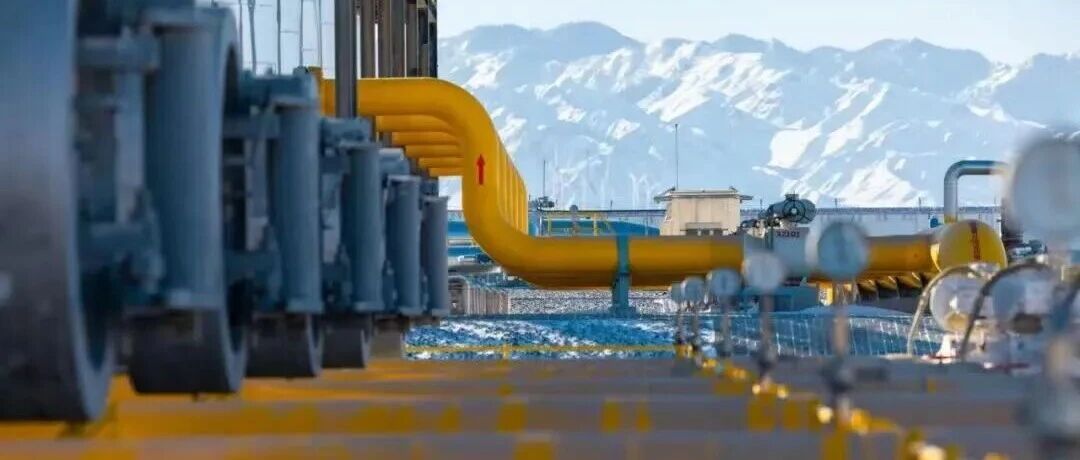
油气管网设施公平开放监管办法颁布
Zhong Guo Hua Gong Bao· 2025-10-20 03:11
Core Points - The National Development and Reform Commission has officially issued the "Regulatory Measures for Fair Access to Oil and Gas Pipeline Facilities," marking the first departmental regulation in China's oil and gas pipeline supervision field, transitioning from policy guidance to legally binding regulations [1] - The regulatory measures will take effect on November 1, 2025, and are a key initiative in the market-oriented reform of the oil and gas sector, providing a solid institutional guarantee for fair access to pipeline facilities and promoting high-quality development in the oil and gas industry [1] - The measures require pipeline operators to provide oil and gas transportation, storage, unloading, and vaporization services fairly and without discrimination to qualified users, in accordance with national regulations [1] Summary by Sections Regulatory Framework - The regulatory measures are essential for reforming the oil and gas pipeline operation mechanism, addressing the natural monopoly in the sector, and responding to increasing demands for fair access from market participants [2] - Key updates include the addition of user registration and service acceptance clauses, penalties for unfair access, and modifications to information disclosure requirements [2] Scope of Regulation - The regulatory measures define oil and gas pipeline facilities as those providing public services for the transportation, storage, unloading, and vaporization of crude oil, refined oil, and natural gas, including pipelines and storage facilities [3] - The scope of regulation encompasses facilities operated by the National Pipeline Group, LNG receiving stations, underground gas storage, and various oil and gas pipeline facilities operated by state-owned enterprises, local state-owned enterprises, and private companies [3]
《油气管网设施公平开放监管办法》专家解读丨深化油气管网设施公平开放 构建现代化油气市场体系的制度基石
国家能源局· 2025-10-19 05:48
Core Viewpoint - The newly released "Regulatory Measures for Fair Access to Oil and Gas Pipeline Facilities" marks a significant upgrade in China's oil and gas regulatory framework, transitioning from mere guidelines to enforceable regulations, thereby establishing a solid legal foundation for a modern oil and gas market system [3][4][5]. Group 1: Background of the Regulatory Measures - The previous regulatory measures from 2019 played a historic role in breaking monopolies and improving pipeline utilization, but their limitations became apparent as reforms deepened [4]. - The establishment of the National Pipeline Group signifies a fundamental change in the oil and gas market structure, leading to heightened demands for fair and transparent access to pipeline facilities [4]. - The new regulatory measures are a response to the evolving legal framework and central government directives aimed at enhancing oversight of fair access to oil and gas pipeline facilities [4][5]. Group 2: Key Highlights of the Regulatory Measures - The measures provide a clear definition of "fair access to oil and gas pipeline facilities," establishing a common understanding among government, enterprises, and users, which helps avoid disputes and execution deviations [7]. - A comprehensive service specification system is established, detailing user registration, service application, capacity allocation, and contract execution, ensuring transparency and fairness in operations [8][9]. - The measures introduce a dual information disclosure system, balancing transparency with information security, mandating public disclosure of basic information while allowing sensitive operational data to be accessed upon request by registered users [10]. - Legal responsibility clauses are added, transforming the document from a guiding framework to a binding regulation, with specified penalties for various violations by both operators and users [11]. - A credit supervision mechanism is introduced, linking compliance performance to market reputation and operational benefits, promoting proactive compliance among enterprises [12]. Group 3: Policy Recommendations for Implementation - The implementation of the regulatory measures requires the rapid development of detailed supporting rules, ensuring operational feasibility and clarity in capacity allocation and information disclosure [13]. - Strengthening regulatory capabilities is essential, necessitating the training of professionals skilled in law, economics, and oil and gas engineering to handle complex regulatory tasks effectively [13]. - Industry consensus and cultural transformation are crucial, with pipeline operators needing to shift from being resource controllers to public service providers, embedding the principles of fairness and openness into their operations [14].

国家发展和改革委员会出台办法 推进运营机制改革 公平使用油气管网设施有了“畅行证”
Ren Min Ri Bao· 2025-10-19 02:16
Core Viewpoint - The introduction of the "Regulatory Measures for Fair and Open Access to Oil and Gas Pipeline Facilities" by the National Development and Reform Commission marks a significant step towards reforming the operational mechanisms of oil and gas pipeline networks, aiming to ensure fair and non-discriminatory access for various users starting from November 1, 2025 [1] Group 1: Regulatory Framework - The new regulatory measures clearly define fair and open access, establishing a common understanding among the government, enterprises, and users, which will help avoid disputes and execution deviations due to ambiguous concepts [1] - The measures will apply to a wide range of oil and gas pipeline facilities, including those operated by the National Pipeline Group, state-owned enterprises, local state-owned enterprises, and private companies [1] - This is the first time that departmental regulations have been introduced in the oil and gas pipeline regulatory field, incorporating administrative penalties and standardizing service processes for fair access [1] Group 2: Information Disclosure - Information asymmetry is identified as a major bottleneck to fair access, prompting the need for graded public disclosure of relevant information regarding pipeline facilities [2] - Companies are required to proactively disclose basic information about the fair access system and user registration conditions to the public, while sensitive information should be disclosed to registered users [2] Group 3: Positive Impacts - The new measures provide a "pass" for various operating entities to use pipeline facilities, facilitating a more competitive and efficient oil and gas market structure [3] - The measures are expected to enhance participation from oil and gas production companies, urban gas companies, retail enterprises, and large direct users, effectively preventing discriminatory practices [3] - The introduction of these measures will allow for a more flexible allocation of diverse oil and gas sources, significantly improving resource allocation efficiency and enhancing energy security [3]
公平使用油气管网设施有了“畅行证”
Ren Min Ri Bao· 2025-10-19 01:23
Core Viewpoint - The National Development and Reform Commission has introduced a regulatory framework to promote fair access to oil and gas pipeline facilities, which is crucial for reforming the operational mechanisms in the oil and gas sector [1][3]. Group 1: Regulatory Framework - The "Regulatory Measures for Fair Access to Oil and Gas Pipeline Facilities" will take effect on November 1, 2025, ensuring that pipeline operators provide services such as transportation, storage, and unloading to eligible users in a fair and non-discriminatory manner [1]. - This framework clearly defines the scope of regulation and standardizes the understanding of "fair access" among government, enterprises, and users, thereby laying a foundation for future regulatory activities [1][2]. - The regulation includes various types of pipeline facilities operated by state-owned, local state-owned, and private enterprises, marking a significant step in the oversight of the oil and gas sector [1]. Group 2: Information Disclosure - Information asymmetry is identified as a major bottleneck to achieving fair access, prompting the need for graded public disclosure of relevant information [2]. - Companies are required to proactively disclose basic information about the fair access system and user registration conditions to the public, while sensitive information should be shared with registered users [2]. Group 3: Positive Impacts - The new measures will facilitate various business entities, especially private companies, in participating more equitably and efficiently in the oil and gas market, addressing previous issues of discrimination and lack of transparency [3]. - The framework is expected to enhance the efficiency of resource allocation by allowing diverse sources of oil and gas, such as imported LNG and coal-derived gas, to enter the main pipeline network, thereby improving energy security [3].
国家发展改革委出台办法,推进运营机制改革 公平使用油气管网设施有了“畅行证”
Ren Min Ri Bao· 2025-10-19 01:00
Core Viewpoint - The introduction of the "Regulatory Measures for Fair and Open Access to Oil and Gas Pipeline Facilities" by the National Development and Reform Commission aims to enhance the fairness and openness of oil and gas pipeline operations, effective from November 1, 2025 [1][3]. Group 1: Regulatory Framework - The new regulatory measures define fair and open access as the obligation of pipeline operators to provide services such as transportation, storage, and unloading to qualified users without discrimination [1]. - The measures mark several firsts, including the introduction of departmental regulations in the oil and gas pipeline sector, the inclusion of administrative penalties, and the establishment of standardized service processes for user registration and information disclosure [1]. Group 2: Information Disclosure - Information asymmetry is identified as a major barrier to fair access, prompting the need for graded public disclosure of relevant information regarding pipeline facilities [2]. - Companies are required to proactively disclose basic information about the fair access system and user registration conditions to the public, while sensitive operational data must be shared with registered users [2]. Group 3: Positive Impacts - The new measures provide various business entities with a "pass" to utilize pipeline facilities, facilitating a more competitive and efficient oil and gas market [3]. - The regulatory framework is expected to enhance participation from diverse stakeholders, including private enterprises, and prevent discriminatory practices in the industry [3]. - The measures will allow for a more flexible allocation of resources, improving energy security by enabling various sources of gas, such as imported LNG and coal-derived gas, to enter the main pipeline network [3].
国家发展改革委出台办法,推进运营机制改革 公平使用油气管网设施有了“畅行证”(政策速递)
Ren Min Ri Bao· 2025-10-18 22:10
Core Viewpoint - The introduction of the "Regulatory Measures for Fair and Open Access to Oil and Gas Pipeline Facilities" by the National Development and Reform Commission marks a significant step towards reforming the operational mechanisms of oil and gas pipeline networks, aiming to ensure fair and non-discriminatory access for various users starting from November 1, 2025 [1][3]. Group 1: Regulatory Framework - The new regulatory measures define fair and open access as the obligation of pipeline operators to provide services such as transportation, storage, unloading, and vaporization to eligible users in a fair and non-discriminatory manner [1]. - This regulation is the first of its kind in the oil and gas pipeline sector, introducing administrative penalties and standardizing service processes, including user registration and information disclosure [1][3]. Group 2: Information Disclosure - Information asymmetry is identified as a major barrier to achieving fair access, prompting the need for graded public disclosure of relevant information regarding pipeline facilities [2]. - Companies are required to proactively disclose basic information about the fair access system and user registration conditions to the public, while sensitive operational data should be shared with registered users [2]. Group 3: Positive Impacts - The new measures are expected to facilitate a more equitable participation of various stakeholders, including private enterprises, in the oil and gas market, thereby enhancing competition and efficiency [3]. - The regulation aims to improve resource allocation efficiency by allowing diverse sources of oil and gas, such as imported LNG and coal-derived gas, to enter the main pipeline network, thus strengthening energy security [3].