
海外资金流入

Search documents
人民币升破7.05,为14个月来最强
21世纪经济报道· 2025-12-15 05:03
Group 1 - The core viewpoint of the article highlights the strengthening of the Renminbi (RMB) against the US dollar, reaching its strongest level since October 8, 2024, with the onshore RMB trading around 7.05 and the offshore RMB at 7.04686 [1][5]. - The RMB central parity rate reported at 7.0656, down by 18 points, indicates a slight adjustment in the currency's value [1][5]. - The RMB central parity has increased by over 1000 basis points this year, reflecting a significant appreciation trend [5]. Group 2 - The article notes a shift in expectations regarding the Federal Reserve's interest rate policy, with a 24.4% probability of a 25 basis point cut in January and a 75.6% chance of maintaining the current rate [5]. - Recent economic data from China shows resilience, with November's national economic performance remaining stable and continuing a trend of steady progress [5]. - There is an acceleration of foreign capital inflow into China, with reports from the IMF and World Bank raising growth forecasts for the Chinese economy, indicating increased interest from global investors [5].


人民币大涨,逾一年来新高
中国基金报· 2025-12-15 04:41
Core Viewpoint - The Chinese yuan continues to strengthen, reaching its highest level in over a year against the US dollar, with both onshore and offshore rates surpassing 7.05 [2][4]. Group 1: Current Exchange Rates - On December 15, the onshore yuan exchange rate against the US dollar rose to 7.05, marking the strongest level since October 8, 2024 [2]. - The offshore yuan also broke the 7.05 mark, reaching a new high since October 3, 2024, with a rate of 7.04691 [4]. - The People's Bank of China announced the central parity rate for the yuan at 7.0656 against the US dollar, a depreciation of 18 basis points from the previous trading day [6]. Group 2: Market Impact and Predictions - Analysts believe that a strong yuan will boost confidence in the capital markets and attract more foreign investment into domestic markets, creating a positive feedback loop [7]. - Short-term forecasts suggest the yuan will remain strong, with attention on the US dollar's performance, the central bank's control over the yuan's midpoint rate, and domestic growth policies [7]. - Foreign institutions predict continued appreciation of the yuan, with estimates suggesting it could reach 6.95 by the end of 2026 according to ANZ, and 6.7 by Deutsche Bank by the end of 2026, further strengthening to 6.5 by the end of 2027 [8].

害怕“踏空”A股!海外资金加速入场,吸金130亿
Zhong Guo Ji Jin Bao· 2025-08-20 00:06
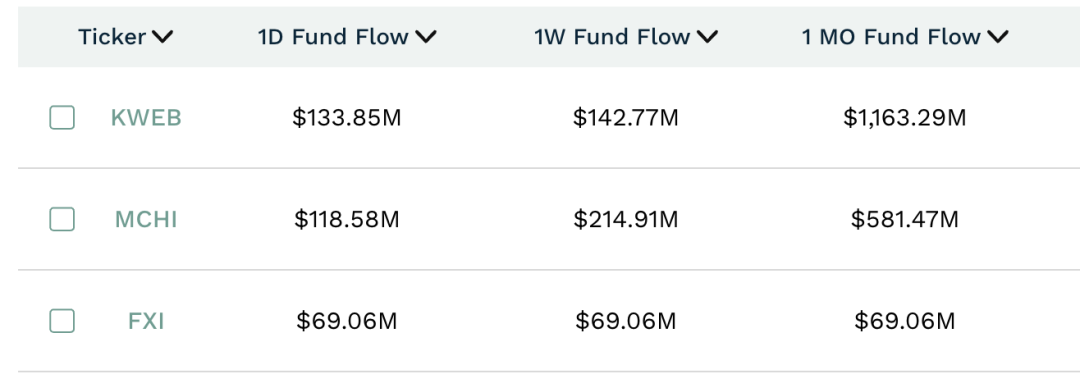
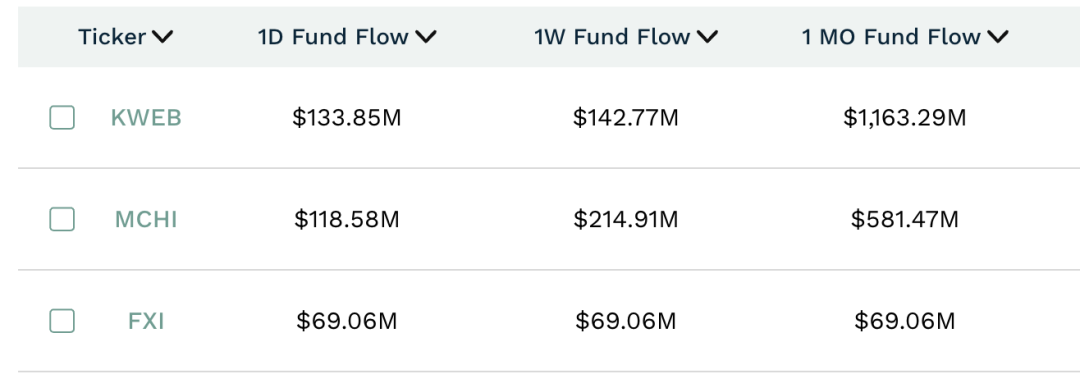
Group 1: Market Trends - The Chinese market is gaining traction, with overseas Chinese ETFs experiencing significant inflows, particularly from South Korean investors [1][4] - In August, South Korean investors accelerated their purchases of Chinese stocks, with net buying amounts reaching $7.29 million in July and $6.63 million from August 1 to August 18 [5][8] Group 2: ETF Inflows - The top three ETFs collectively attracted net inflows of approximately 13.03 billion yuan ($1.81 billion) over the past month, with KWEB, MCHI, and FXI leading the way [2][3] - KWEB saw inflows of $1.34 million on August 15, totaling $1.16 billion since July, while MCHI and FXI also reported substantial inflows [2][3] Group 3: Investor Behavior - Hedge funds are reportedly buying Chinese ETFs at the fastest pace in seven weeks, driven by both long positions and short covering, with a ratio of 1.9:1 [4] - There is a noticeable difference in sentiment between domestic and overseas investors, with Asian clients inquiring about the A-share bull market, while U.S. clients remain hesitant [4]

害怕“踏空”A股!海外资金加速入场,“吸金”130亿!
Zhong Guo Ji Jin Bao· 2025-08-19 13:49
Group 1 - The core viewpoint of the articles indicates that overseas funds are rapidly investing in A-shares, with significant inflows into Chinese ETFs, particularly from Korean investors [1][4]. - The top three ETFs have collectively attracted a net inflow of 13 billion yuan (approximately 1.81 billion USD) over the past month, with KWEB, MCHI, and FXI leading the way [2][3]. - There is a notable increase in the allocation of global actively managed public funds to Chinese stocks, reaching 6.4% of their portfolios, although this remains below the historical average [3]. Group 2 - Korean investors have significantly increased their purchases of Chinese stocks, with net buying amounts reaching 7.29 million USD in July and 6.63 million USD from August 1 to August 18 [5][7]. - The top ten stocks purchased by Korean investors in July included Alibaba, Ningde Times, and various ETFs, with a total net buying amount of 7.29 million USD [5][6]. - In August, the top three A-shares purchased by Korean investors were Zhongji Xuchuang, BYD, and Heng Rui Pharmaceutical, with net buying amounts of 3.7 million USD, 259.71 thousand USD, and 236.79 thousand USD respectively [8].
害怕“踏空”A股!海外资金加速入场 “吸金”130亿!
Zhong Guo Ji Jin Bao· 2025-08-19 13:49
Core Insights - The Chinese market is experiencing increased interest from overseas investors, particularly through ETFs, with significant inflows noted from South Korean investors [1][4]. Group 1: ETF Inflows - The top three ETFs tracking Chinese indices have collectively attracted 13 billion yuan (approximately $1.8 billion) in the past month [2][3]. - KWEB, which tracks the China Internet Index, saw inflows of $1.34 billion since July, bringing its total assets to $8.02 billion [2]. - MCHI, tracking the MSCI China Index, received $1.19 billion in inflows, with total assets reaching $7.47 billion [2]. - FXI, which tracks the FTSE China 50 Index, had inflows of $690.6 million, totaling $6.55 billion in assets [2]. Group 2: Investor Behavior - Hedge funds are reportedly buying Chinese ETFs at the fastest pace in seven weeks, with a buy-to-cover ratio of 1.9:1 [4]. - There is a noticeable difference in sentiment between Asian and American investors regarding the Chinese market, with Asian investors showing more interest in the A-share bull market [4]. - South Korean investors have significantly increased their purchases of Chinese stocks, with net buying of $7.29 million in July and $6.63 million from August 1 to August 18 [5][7]. Group 3: Specific Stock Purchases - In July, the top ten Hong Kong stocks purchased by South Korean investors included Alibaba, Ningde Times, and Global X China Core Technology ETF, with a total net purchase of $7.29 million [5][6]. - From August 1 to August 18, the top ten Hong Kong stocks saw a net purchase of $6.63 million, nearly matching the total for July [7]. - The top three A-shares purchased by South Korean investors in August were Zhongji Xuchuang, BYD, and Heng Rui Pharmaceutical, with net purchases of $3.7 million, $2.6 million, and $2.4 million respectively [9].
害怕“踏空”A股!海外资金加速入场,“吸金”130亿!
中国基金报· 2025-08-19 13:43
Core Viewpoint - The article highlights the increasing interest of overseas investors in A-shares, particularly through ETFs, with significant inflows observed in recent months, indicating a potential bullish sentiment in the Chinese market [2][4][8]. Group 1: ETF Inflows - The top three ETFs have collectively attracted 13 billion RMB (approximately 1.31 billion USD) in the past month [3][6]. - The KWEB ETF, tracking the China Internet Index, saw inflows of 1.34 million USD on August 15, totaling 1.16 billion USD since July [4]. - The MCHI ETF, tracking the MSCI China Index, received 1.19 million USD on August 15, with total inflows of 581 million USD since July [4]. - The FXI ETF, tracking the FTSE China 50 Index, had inflows of 690.6 million USD since July [4]. - In contrast, the ASHR ETF, tracking the CSI 300 Index, experienced a net outflow of 80.1 million USD on August 13, totaling 65.19 million USD since July [4]. Group 2: Investor Behavior - Retail investors typically enter the Chinese market through ETFs, but hedge funds have also contributed to net inflows, buying at the fastest pace in seven weeks [8]. - There is a noticeable difference in sentiment between domestic and overseas investors, with Asian clients inquiring about the A-share bull market, while U.S. clients remain hesitant [8]. - The fear of missing out (FOMO) among overseas investors is expected to intensify, although many still exhibit a selling bias [8]. Group 3: Korean Investors - In August, Korean investors accelerated their purchases of Chinese stocks, with net buying of 72.94 million USD in July for the top ten Hong Kong stocks [10]. - From August 1 to August 18, Korean investors net bought 66.27 million USD in the top ten Hong Kong stocks, nearly matching the total for July [10]. - For A-shares, Korean investors net bought 21.03 million USD from August 1 to August 18, surpassing the 16.43 million USD net buying in July [13].

瑞银证券:美元进一步走弱 海外资金流入港股更为明显
news flash· 2025-07-14 05:40
Group 1 - UBS Securities forecasts a weaker US dollar will lead to increased foreign capital inflow into Hong Kong stocks, while A-shares may maintain a low premium over H-shares unless significant new external funds are attracted [1] - The report highlights that A-shares benefit from a slight appreciation of the RMB, resulting in some foreign capital returning, but the impact is limited due to the low foreign ownership ratio in A-shares [1] - Hong Kong stocks are expected to see more pronounced benefits from the weaker dollar, with southbound capital net purchases reaching a historical high in the first half of the year [1] Group 2 - Companies with high import costs or significant dollar-denominated debt are likely to benefit more from the weakening dollar [1]