消费增值

Search documents
消费还能“增值”?揭平川云店如何用“让利内循环”重构实体商业
Sou Hu Cai Jing· 2026-02-27 07:52
Core Insights - The article discusses the innovative business model proposed by Pingchuan Cloud Store, which aims to transform consumer spending into asset accumulation, thereby creating a positive cycle in the commercial ecosystem [3][21]. Group 1: Business Model Overview - Pingchuan Cloud Store introduces a model that combines "consumption appreciation," "smart points," and "O2O internal circulation" to reconstruct the profit distribution chain among merchants, users, and the platform [1][22]. - The platform's core engine is the "green points" system, where users earn points equivalent to their order amount, with the value of these points dynamically increasing over time [5][6]. Group 2: Points System Mechanics - The value of points is calculated as the total amount in the bonus pool divided by the total number of points, leading to an upward trend in point value as more merchants participate and contribute to the bonus pool [6]. - Points are distributed with an 80% allocation for consumption vouchers and 20% for shopping points, encouraging user engagement and retention [7][10]. Group 3: Merchant Engagement Strategy - Merchants are not charged high entry fees; instead, they have the autonomy to set their own discount rates between 4% and 48% to drive customer traffic [10][12]. - The model has resulted in a 2.3 times increase in average customer traffic and an 85% repurchase rate for participating merchants, demonstrating the effectiveness of the incentive structure [13]. Group 4: Compliance and Safety Measures - The platform adheres to strict compliance regulations by limiting commission structures to two levels and ensuring that all earnings are based on genuine transactions [15]. - A robust risk control system is in place, including dedicated accounts for managing funds and an automatic mechanism to prevent potential financial risks [20]. Group 5: Profitability and Revenue Streams - The platform's profitability is derived from high-margin self-owned brands, advertising revenue from user engagement, and shared profits from supply chain integrations [17][18]. - The model emphasizes the importance of accumulating real consumer data and user profiles for future capital operations and targeted marketing [18]. Group 6: Strategic Insights for Practitioners - The model encourages a shift from "traffic thinking" to "retention thinking," focusing on long-term user value through point appreciation rather than one-time transactions [21]. - It highlights the necessity of designing transparent and compliant business models to ensure sustainability in a highly regulated environment [21][22].

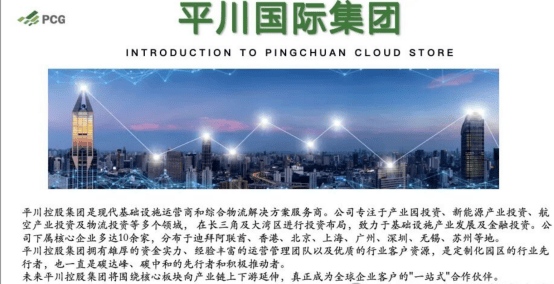
政策撑腰!绿色积分落地,消费增值再也不是画大饼
Sou Hu Cai Jing· 2026-02-04 01:53
Core Viewpoint - The article discusses a new consumption model called "consumption appreciation," which allows consumers to earn additional value from their spending, transforming traditional consumption into a form of light investment [1][3]. Group 1: Consumption Model - The consumption appreciation model divides each spending into three parts: 70% for product costs and basic profits, and 30% entering a dividend pool to enhance the value of points [3]. - The points' value is designed to only increase, supported by a mathematical model and two mechanisms: more consumers increase the value of points, and withdrawing funds leads to a dynamic destruction of points, further increasing their value [5]. Group 2: Practical Applications - Consumers can earn points through everyday spending without needing to buy unnecessary items, with examples including online shopping, offline stores, and social referrals [7]. - The model addresses common pain points for businesses, such as attracting new customers and increasing repeat purchases, by ensuring that points only appreciate in value [12]. Group 3: Risk Management - The model incorporates three risk control measures to avoid pitfalls associated with Ponzi schemes: setting a cap on returns, ensuring points derive value from real consumer profits, and maintaining transparent data on the dividend pool and point values [9]. Group 4: User Engagement - The process for ordinary consumers to engage with this model is straightforward: choose a compliant platform, consume normally, and manage points flexibly [10]. - The model has gained popularity due to its alignment with policy support, addressing merchant challenges, and creating a win-win situation for users, platforms, and partners [12].

当「鬼灭之刃」引爆银幕,热爱也可以开启另一种增值模式
Sou Hu Cai Jing· 2025-11-30 08:25
Core Insights - The release of "Demon Slayer: Infinity Castle Arc" achieved a box office of over 370 million yuan in its first week, with a strong demand for related merchandise, indicating a significant cultural phenomenon and consumer engagement [1] - The cumulative box office for the "Demon Slayer" series in China has surpassed 1.2 billion yuan, with a rapidly growing market for derivative products, showcasing a robust consumer ecosystem built around the franchise [1] - Consumers, particularly younger audiences, are seeking sustainable consumption models that not only fulfill emotional needs but also accumulate tangible value for the future [1][3] Consumption Model Transformation - Traditional IP consumption often results in a one-time transaction, leading to a reflection on how each purchase can serve as a starting point for future value [3] - Modern consumers desire a personal consumption system that allows today's passions to translate into resources and capabilities for future life scenarios [3] - The points ecosystem developed by FenZhuan Technology introduces a new consumption logic where every purchase is viewed as a starting point for value accumulation rather than an endpoint [3][8] Points Ecosystem Advantages - FenZhuan Technology's points ecosystem offers comprehensive coverage across various categories, including entertainment, electronics, and daily necessities, catering to young consumers' diverse needs [5] - The ecosystem allows users to seamlessly integrate entertainment consumption with daily life, ensuring that value flows continuously and is accessible at all times [5] - Unlike time-sensitive IP products, the value within the points ecosystem does not expire, enabling users to plan their point usage according to personal needs [3][5] Value Accumulation Process - In FenZhuan Technology's points ecosystem, consumption is redefined as a process of accumulating personal value assets, where each transaction contributes to a growing reserve of value [8] - The ecosystem allows for the extension of value over time, enabling users to convert everyday purchases into experiences like movie tickets, thereby enhancing the overall consumer experience [8] - This model represents an upgrade in consumption methods and reflects a lifestyle wisdom that ensures emotional investments yield lasting returns [8]

《消费增值:你的每一笔消费,都在悄悄 “变值钱”》
Sou Hu Cai Jing· 2025-08-02 10:48
Core Viewpoint - The "consumption value-added" model is revolutionizing traditional consumer perceptions, transforming spending into a potential source of long-term wealth growth [1][6]. Group 1: Characteristics of the Consumption Value-Added Model - Value Co-Creation: Consumers evolve from mere purchasers to key players in the business process, actively creating value [8]. - Continuous Returns: Consumption is no longer a one-time event but a sustainable activity that generates long-term returns [8]. - Mutual Empowerment: Businesses enhance operational efficiency through stable customer sources, while consumers gain value-added benefits from their spending, fostering mutual growth [8]. Group 2: Implementation Paths of the Consumption Value-Added Model - Innovation in Points System: Traditional points are transformed into appreciating digital assets, significantly enhancing their liquidity and value [9]. - Upgrade of Membership Rights: Membership services incorporate investment attributes, such as using spending amounts as a basis for platform dividends [9]. - Integration of Consumption and Investment: A portion of spending is converted into investment capital, allowing consumers to directly participate in profit distribution [9]. - Development of Data Value: Deep analysis and application of consumption data create additional benefits for consumers, such as personalized discounts and data value returns [9]. Group 3: Industry Adoption - Various industries, including dining, retail, and online platforms, are adopting this model for transformation, with early adopters likely to gain a competitive edge in the new commercial ecosystem [5].

花钱有收益?消费增值商业模式的财富新逻辑
Sou Hu Cai Jing· 2025-07-09 08:05
Core Viewpoint - The emerging "consumption value-added" model is transforming traditional consumer behavior, turning spending into potential long-term returns for consumers and stable profits for businesses [1][4]. Group 1: Characteristics of Consumption Value-Added Model - Value co-creation: Consumers evolve from mere purchasers to active value creators, deeply engaging in the commercial process [6]. - Continuous returns: Consumption is no longer a one-time transaction but a behavior that generates long-term benefits [6]. - Bidirectional empowerment: Businesses enhance operational efficiency through stable customer bases, while consumers gain value-added returns from their spending [6]. Group 2: Implementation Paths - Innovation in points system: Traditional points are upgraded to valuable digital assets, enhancing liquidity and perceived value [6]. - Membership rights iteration: Membership services are endowed with investment attributes, allowing spending amounts to be converted into profit-sharing bases [6]. - Consumption-investment linkage: A portion of spending can be transformed into investment capital, enabling participation in business profit distribution [6]. - Data value sharing: Analyzing and applying consumer data creates additional benefits for consumers, such as personalized discounts and data dividends [6].
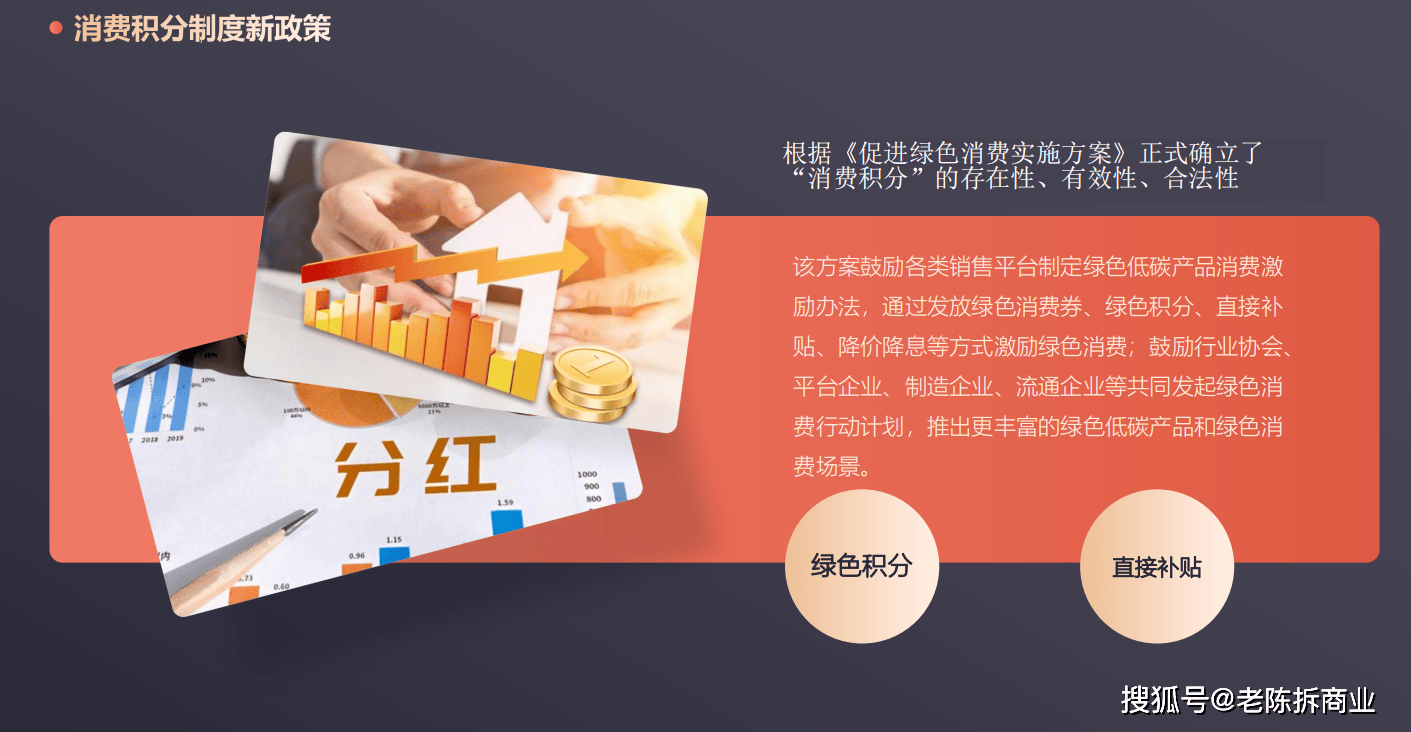
消费还能 “生钱”?这届商家太会玩,真相竟是……
Sou Hu Cai Jing· 2025-06-09 07:50
Core Insights - The article discusses the emerging trend of "consumption appreciation," where consumers can earn rewards and benefits from their purchases, challenging the traditional notion of spending as a loss [2][4][5] Group 1: Consumer Perspective - Consumers are shifting from being seen as "big spenders" to "investors" through reward systems that allow them to earn points, cash back, and even participate in profit-sharing [7] - Some consumers report significant benefits, such as redeeming points for valuable items or cash, while others express frustration over complex point systems that may lead to increased spending [7][9] - The concept of "consumption appreciation" is reshaping consumer behavior, encouraging more engagement with brands and platforms [15] Group 2: Business Perspective - Businesses are leveraging consumption appreciation strategies to boost sales and customer loyalty, with some brands experiencing a threefold increase in sales through promotional activities [9] - However, some businesses face challenges with rising costs associated with these promotional strategies, leading to concerns about profitability [9] - Traditional industries are also adapting to this trend, implementing point redemption systems that enhance customer experience and engagement [11] Group 3: Platform Perspective - Platforms are utilizing data and financial technology to enhance consumer engagement and retention through consumption appreciation models [5][6] - While platforms benefit from increased user retention and revenue, there are complaints from users about the diminishing value of points and perceived deceptive practices [9][15] - The article highlights the need for platforms to balance user incentives with sustainable business practices to avoid backlash [13]