
涉企乱收费治理

Search documents
公平竞争市场环境持续优化
Jin Rong Shi Bao· 2026-02-06 02:01
Group 1: Market Regulation and Business Environment - In 2025, the number of newly established business entities reached 25.745 million, with active enterprises increasing by 9.8% year-on-year, raising their share of total enterprises by 4.7 percentage points [1] - The market regulatory system received 26.46 million complaints, recovering economic losses of 4.35 billion yuan for consumers, and recalled 8.236 million consumer products [1] - The market regulatory authority is focused on enhancing comprehensive market regulation capabilities to support economic growth and high-quality development [1] Group 2: Governance of Unreasonable Charges - In 2025, the market regulatory authority investigated 5,918 cases of illegal charges by government departments and other entities, imposing fines totaling 347 million yuan and refunding 1.35 billion yuan to businesses [2] - The authority revised the enforcement guidelines for bank charges and implemented preferential policies for small and micro enterprises [2] - Over 5,200 enterprises were included in a price monitoring system to address unreasonable charges effectively [2] Group 3: Platform Economy Regulation - The market regulatory authority has made significant progress in regulating the platform economy, focusing on issues like unreasonable rules and charges [3] - Measures were taken to address problems such as "only refunds," "mandatory shipping insurance," and "lowest price guarantees," protecting the rights of small businesses and consumers [3] - New guidelines and regulations were introduced to enhance compliance and long-term regulatory mechanisms for platform economies [3] Group 4: Live Commerce and Market Competition - Special rectification efforts were launched against issues like counterfeit goods and false marketing in live commerce, with notable cases being addressed [4] - The authority is working to regulate the food delivery industry to ensure fair competition and compliance among major platforms [4] - Future efforts will focus on strengthening platform responsibilities and enhancing regulatory mechanisms [4][5] Group 5: Consumer Product Standards - The market regulatory authority plans to promote the upgrading of consumer product standards to meet new consumer demands for safety, quality, and sustainability [6] - Initiatives will include updating standards for traditional industries and enhancing service standards across various sectors [6] - There will be an increased emphasis on mandatory standards related to safety and property protection [6]
市场监管总局晒2025年成绩单:公平竞争市场环境持续优化
Jin Rong Shi Bao· 2026-02-06 01:04
Group 1: Market Regulation and Business Environment - In 2025, the number of newly established business entities reached 25.745 million, with active enterprises increasing by 9.8% year-on-year, raising their share of total enterprises by 4.7 percentage points [1] - The market regulation system received 26.46 million complaints, recovering economic losses of 4.35 billion yuan for consumers, and recalled 8.236 million consumer goods [1] - The market regulation authority aims to enhance comprehensive market supervision capabilities to support economic growth and high-quality development [1] Group 2: Governance of Unreasonable Charges - In 2025, 5,918 cases of illegal charges by government departments and other entities were investigated, resulting in fines of 347 million yuan and refunds of 1.35 billion yuan to businesses [2] - The market regulation authority is implementing a long-term strategy to address unreasonable charges, including revising guidelines for commercial bank fees and monitoring over 5,200 enterprises for pricing issues [2] - Continuous efforts will be made to alleviate the burden on businesses and ensure a conducive development environment [2] Group 3: Platform Economy Regulation - The market regulation authority has made significant progress in regulating the platform economy, focusing on issues like unreasonable fees and transparency in rules [3] - Measures include rectifying practices such as "only refunds" and "mandatory shipping insurance," and issuing compliance guidelines for platform operations [3][4] - Future efforts will focus on enhancing regulatory frameworks and ensuring platforms fulfill their responsibilities [4][5] Group 4: Consumer Goods Standards Upgrade - The market regulation authority plans to promote the upgrading of consumer goods standards to meet new consumer demands for safety, quality, and sustainability [6] - Initiatives will include updating standards in traditional industries and enhancing service standards across various sectors [6] - There will be an emphasis on developing mandatory standards related to safety to strengthen consumer protection [6]
市场监管总局:更大力度破除地方保护和行政性垄断
Shang Hai Zheng Quan Bao· 2026-02-05 23:49
Core Insights - The report highlights the significant growth in the number of new business entities and the improvement in the corporate credit index in China for 2025, indicating a positive economic outlook and enhanced market regulation efforts [1][2]. Group 1: Business Growth and Corporate Credit - In 2025, a total of 25.745 million new business entities were established, with active enterprises increasing by 9.8% year-on-year [1][2]. - The corporate credit index in China reached 162.66 in 2025, an increase of 3.89 from 2024, reflecting an overall improvement in corporate credit levels [2]. Group 2: Market Regulation and Compliance - The State Administration for Market Regulation (SAMR) investigated 5,918 cases of illegal charges against enterprises, resulting in fines totaling 347 million yuan and refunds of 1.35 billion yuan to businesses [1][2]. - SAMR implemented a risk classification management system for over 64 million enterprises, achieving an issue detection rate of over 85% for high-risk companies [2]. Group 3: Unified Market Construction - SAMR is committed to advancing the construction of a unified national market by enhancing anti-monopoly enforcement and addressing local protectionism [4]. - In 2026, SAMR plans to improve the review process for business concentration to stimulate market vitality while ensuring a competitive environment [4]. Group 4: Platform Economy Regulation - In 2025, SAMR, in collaboration with the National Internet Information Office, introduced regulations to foster a fair and transparent online trading environment [5]. - SAMR is addressing issues in the food delivery sector and live e-commerce by implementing standards and conducting administrative interviews with major platforms [6]. Group 5: Consumer Environment and Standards - SAMR initiated a three-year action plan to optimize the consumer environment, releasing over 210 national standards for various consumer goods and services [6]. - Future initiatives will focus on building trust in consumption through the establishment of standards and nurturing reliable commercial zones and markets [6][7].
市场监管总局:更大力度破除地方保护和行政性垄断 大力激发各类经营主体活力 建设放心消费集聚区
Shang Hai Zheng Quan Bao· 2026-02-05 17:52
Core Insights - The report highlights the significant growth in the number of new business entities and the improvement in the overall credit index of Chinese enterprises, indicating a robust economic recovery and enhanced business environment [1][2]. Group 1: Business Growth and Credit Improvement - In 2025, a total of 25.745 million new business entities were established, with active enterprises increasing by 9.8% year-on-year [1][2]. - The Chinese enterprise credit index reached 162.66 in 2025, an increase of 3.89 from 2024, reflecting an overall improvement in the creditworthiness of businesses [2]. Group 2: Regulatory Actions and Market Oversight - The State Administration for Market Regulation (SAMR) investigated 5,918 cases of illegal charges against enterprises, resulting in fines totaling 347 million yuan and refunds of 1.35 billion yuan to businesses [2]. - SAMR implemented a risk classification management system for over 64 million enterprises, achieving an issue detection rate of over 85% for high-risk companies [2]. Group 3: Market Competition and Fairness - SAMR is committed to promoting fair competition and addressing local protectionism and administrative monopolies through strict enforcement and compliance measures [4]. - The agency plans to enhance the review process for business mergers and acquisitions to stimulate market vitality while ensuring a competitive environment [4]. Group 4: Platform Economy Regulation - In 2025, SAMR, in collaboration with the National Internet Information Office, introduced regulations to improve the fairness and transparency of online trading platforms [5]. - The agency is addressing issues in the food delivery sector and live-streaming e-commerce by implementing standards and conducting regular oversight [6]. Group 5: Consumer Environment and Standards - SAMR initiated a three-year action plan to optimize the consumer environment, releasing over 210 national standards for various consumer goods and services [6]. - The agency aims to foster consumer confidence through the establishment of "reassuring consumption" zones and related policies [6]. Group 6: Standardization Initiatives - SAMR plans to launch new initiatives to enhance the standard system supporting high-quality development, focusing on updating standards in traditional industries and consumer goods [7].
事关消费环境建设、公平竞争等 市场监管服务经济高质量发展有这些举措
Xin Hua Wang· 2026-02-05 12:35
Core Viewpoint - The National Market Supervision Administration (NMSA) is implementing measures to enhance the consumption environment and promote fair competition, aiming for high-quality economic development in China [1][3]. Group 1: Consumption Environment Improvement - The NMSA has launched a three-year action plan to optimize the consumption environment, which has shown preliminary results [3]. - Over 210 national standards for major consumer goods and service sectors have been established, including those for home appliances, furniture, and cultural tourism [3]. - The "Iron Fist" action has been initiated to address consumer pain points, resulting in 26.46 million complaints received and 4.35 billion yuan in economic losses recovered for consumers in 2025 [3][4]. Group 2: Fair Competition and Market Regulation - The NMSA is focusing on eliminating local protectionism and correcting improper market interventions to facilitate economic circulation [5]. - In 2025, the NMSA investigated 5,918 cases of illegal charges by government departments and other entities, imposing fines totaling 347 million yuan and refunding 1.35 billion yuan to businesses [5]. - The NMSA has reviewed over 12,000 important policy measures to ensure compliance with national market standards and fair competition [5]. Group 3: Antitrust and Mergers - The NMSA is responsible for antitrust reviews of mergers and acquisitions, balancing support for resource consolidation with the prevention of monopolies [6][7]. - In 2025, the NMSA concluded 706 merger cases, a 9.8% increase year-on-year, with 83% of cases resolved within 30 days [7]. - The NMSA is committed to enhancing the efficiency and quality of merger reviews while ensuring market safety, particularly in critical sectors like semiconductors and shipping [7].

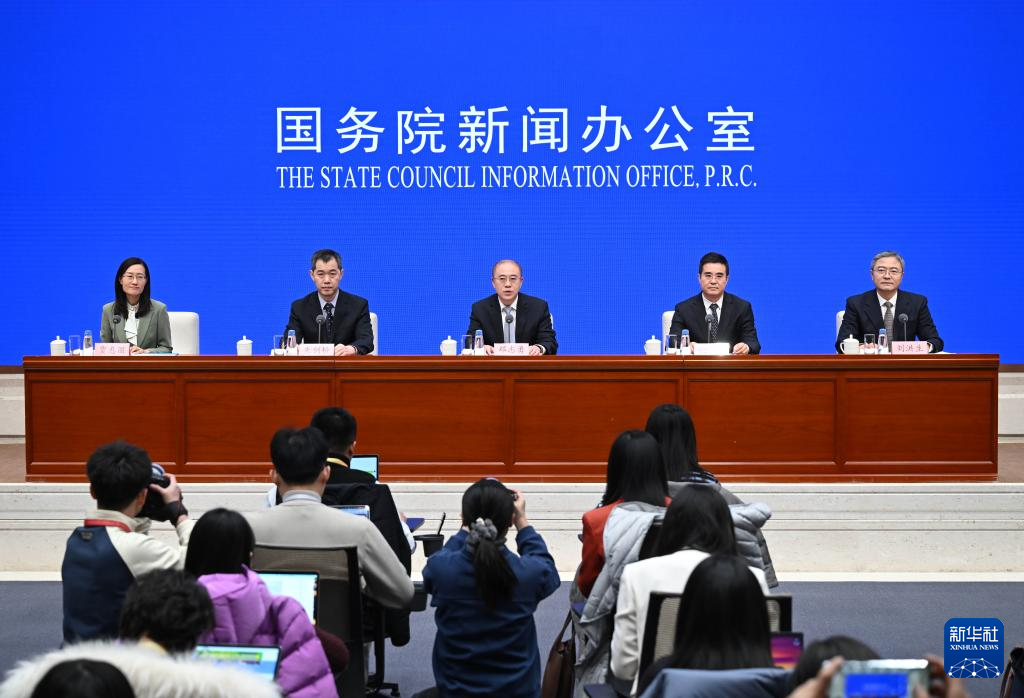
挽回经济损失43.5亿元!
Jin Rong Shi Bao· 2026-02-05 11:20
Core Insights - The National Market Supervision Administration (NMSA) has reported significant progress in market regulation and consumer protection, highlighting the importance of maintaining a high-quality economic development environment [2][3][5]. Group 1: Market Regulation Achievements - In 2025, 25.745 million new business entities were established, with active enterprises increasing by 9.8% year-on-year, raising their share of total enterprises by 4.7 percentage points [2]. - The NMSA received 26.46 million complaints and reports, recovering economic losses of 4.35 billion yuan for consumers, and recalled 8.236 million consumer goods [2]. - A total of 14,600 cases of unfair competition were investigated, and 21 key technological bottlenecks in the industrial chain were overcome [2]. Group 2: Governance of Unreasonable Charges - The NMSA has intensified efforts to combat unreasonable charges affecting enterprises, with 5,918 cases of illegal fees investigated, resulting in fines of 347 million yuan and refunds of 1.35 billion yuan to businesses [3][4]. - A comprehensive directory of enterprise-related charges has been established to ensure transparency and compliance, while new policies are being evaluated to prevent future unreasonable charges [4]. Group 3: Platform Economy Regulation - The NMSA has made significant strides in regulating the platform economy, addressing issues such as unreasonable fees and unfair competition practices [5][6]. - Specific actions include rectifying platform rules and charging practices, and implementing guidelines to ensure compliance in the live-streaming e-commerce sector [6][7]. Group 4: Consumer Environment Optimization - The NMSA has launched a three-year action plan to optimize the consumer environment, resulting in the establishment of over 21 national standards for major consumer goods and services [8]. - The "Iron Fist" campaign has targeted consumer safety issues, leading to the investigation of 72,000 cases related to product quality and safety [8][9]. Group 5: Credit Supervision Reform - Credit supervision has been enhanced through data sharing and risk classification, with over 154.6 billion credit information records collected and shared across departments [12]. - The NMSA has implemented measures to improve credit services, assisting over 45.79 million business entities in credit restoration [12][13].
市场监管总局:2025年立案查处5918件涉企违规收费案件
Zhong Guo Xin Wen Wang· 2026-02-05 06:39
Core Viewpoint - The State Administration for Market Regulation emphasizes the importance of addressing irregular charges related to enterprises to enhance business vitality and optimize the business environment, which is crucial for promoting high-quality development [1][2]. Group 1: Regular Supervision - The Market Regulation Administration has focused on three main actions: 1. Investigating cases of irregular charges, with 5,918 cases filed in 2025, resulting in fines totaling 347 million yuan and refunds of 1.35 billion yuan to enterprises [1]. 2. Standardizing mechanisms to promote transparency, including revising the enforcement guidelines for commercial bank charges and ensuring compliance with preferential policies for small and micro enterprises [1]. 3. Implementing smart monitoring to protect rights, incorporating over 5,200 enterprises into a price monitoring and competition enforcement information system, collecting over 2,400 data points to address irregular charges in real-time [1]. Group 2: Long-term Governance - The Market Regulation Administration is focusing on three key areas for long-term governance: 1. Implementing a charging list system to ensure comprehensive coverage of enterprise-related charges and strictly investigating charges outside the established list [2]. 2. Promoting policy evaluation and review to prevent irregular charges from the source by thoroughly cleaning up existing charging policies and rigorously reviewing new ones [2]. 3. Accelerating the establishment of long-term regulatory systems, including the introduction of measures to handle illegal charging behaviors and clarify penalties [2]. - Despite progress, irregular charging issues persist, and systemic obstacles need to be addressed. The Market Regulation Administration plans to continue its efforts through cross-checks, focused inspections, and in-depth examinations to support enterprises in their development [2].
治理涉企乱收费!2025年查处违规收费案5918件
Sou Hu Cai Jing· 2026-02-05 05:19
Core Viewpoint - The Chinese government is actively addressing irregular charges affecting enterprises, aiming to enhance the business environment and promote high-quality economic development through regulatory measures and transparency initiatives [2][3]. Group 1: Regulatory Actions - In 2025, a total of 5,918 cases of irregular charges were investigated, resulting in fines and confiscations amounting to 347 million yuan, while 1.35 billion yuan was refunded to enterprises [3]. - The government is implementing a regular and long-term approach to tackle irregular charges, which includes revising guidelines for commercial bank fees and ensuring compliance with preferential policies for small and micro enterprises [3][4]. Group 2: Mechanisms for Transparency - A comprehensive list of enterprise-related charges has been established, ensuring all charge items are covered and prohibiting charges outside this list [4]. - The government is conducting thorough evaluations of existing charge policies and strictly reviewing new policies to prevent irregular charges from the outset [5]. Group 3: Long-term Governance - The establishment of a long-term regulatory framework is underway, including the introduction of measures to clarify penalties for irregular charging behaviors [5]. - Continuous monitoring and data collection from over 5,200 enterprises are being implemented to identify and rectify irregular charges in real-time, thereby protecting enterprise rights [3][5].
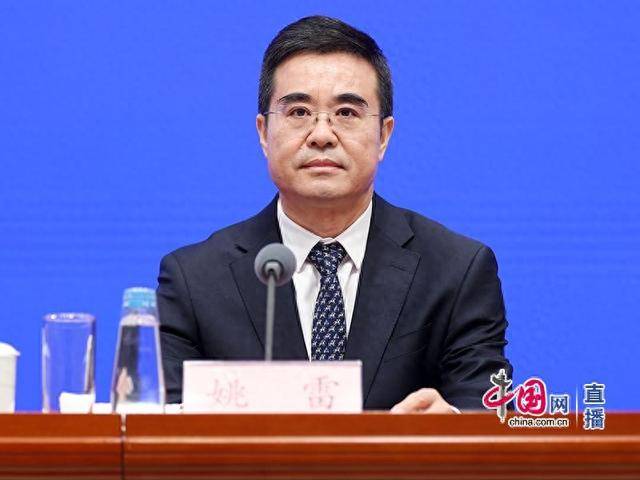
市场监管总局:常态化、长效化治理涉企乱收费 释放企业活力
Yang Shi Xin Wen· 2026-02-05 02:56
Core Viewpoint - The State Council's press conference highlighted the importance of addressing irregular charges related to enterprises, which is crucial for enhancing business vitality, optimizing the business environment, and promoting high-quality development [1] Regular Supervision - The market regulation authority has taken significant actions, including investigating 5,918 cases of irregular charges in various sectors such as government departments and logistics, resulting in fines of 347 million yuan and refunds of 1.35 billion yuan to enterprises [1] - A revised enforcement guideline for commercial bank charging behavior has been implemented, ensuring clear requirements for fees related to small and micro enterprises, and promoting self-inspection among commercial banks [1] - An information system has been established to monitor over 5,200 enterprises, collecting more than 2,400 data points to address irregular charging issues in real-time, thereby protecting enterprises' legal rights [1] Long-term Governance - A comprehensive fee directory system is being established in collaboration with the National Development and Reform Commission to ensure all enterprise-related charges are covered, with strict checks on charges outside the established list [1] - A thorough review of existing charging policies is underway, with strict evaluations for new policies to prevent irregular charges from the source [1] - The development of a long-term regulatory framework is being accelerated, with efforts to introduce a handling method for illegal charging behaviors, clarifying penalties and strengthening the punishment of violations [1]
市场监管总局:对水电气暖等行业收费问题开展“回头看”,确保整改彻底
news flash· 2025-05-22 02:57
Core Viewpoint - The Chinese government is intensifying efforts to regulate arbitrary charges related to enterprises, aiming to optimize the business environment and stimulate market vitality [1][2] Group 1: Current Situation - The State Administration for Market Regulation has highlighted ongoing issues with arbitrary charges in certain sectors, despite previous efforts yielding significant results [1] - Enterprises have expressed strong dissatisfaction regarding hidden charges on some electronic government platforms [1] Group 2: Action Plan - The government will implement a four-pronged approach to address the issue of arbitrary charges: 1. **Targeted Actions**: Focus on key areas by investigating unauthorized fee settings, excessive charges, and the transfer of approval costs by government departments and associations [2] 2. **Source Governance**: Conduct a comprehensive review of existing enterprise-related fee policies, eliminating non-compliant charges and ensuring new policies are compliant [2] 3. **Innovative Supervision**: Accelerate the development of a monitoring platform for enterprise charges to identify potential risks and enhance inter-departmental collaboration [2] 4. **Long-term Mechanisms**: Promote the revision of the Price Law and establish clear legal responsibilities to deter violations and create a robust regulatory framework [2]