渠道碎片化

Search documents
数读「糖果、巧克力」:低糖健康、功能功效、IP食玩,是出路吗?
3 6 Ke· 2026-02-10 03:41
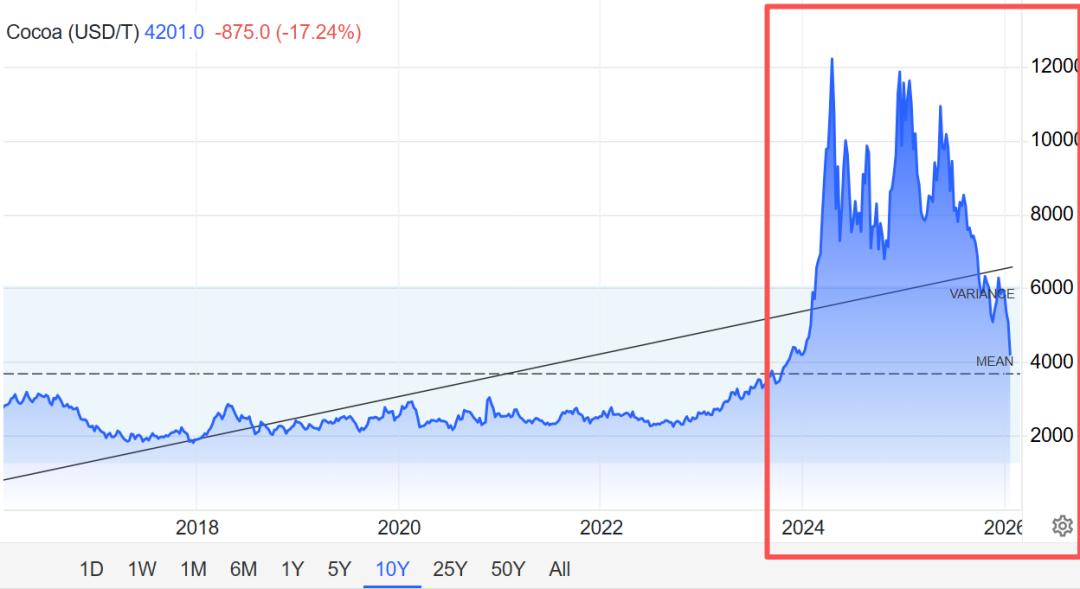
Overview - The leisure snack category, particularly candy and chocolate, has faced significant challenges in recent years due to health trends and rising raw material costs, with cocoa prices expected to remain high in 2024 and 2025, having increased several times compared to a decade ago [1][3]. Market Dynamics - In 2024 and 2025, chocolate accounts for approximately 9% of the leisure snack category, while candy holds about 4%, indicating a significant disparity [5]. - Both categories are experiencing negative sales growth, with chocolate sales declining by about 7% year-on-year, while candy's decline is more pronounced, exceeding 10% [5][9]. - The overall market for leisure snacks in traditional retail channels is shrinking, affecting all subcategories, with candy facing more severe pressure than chocolate [5][14]. Seasonal Trends - Chocolate sees higher sales in the autumn and winter months due to increased caloric needs and holiday celebrations, while candy's market share has shown a noticeable decline in 2025 [7][9]. Pricing Trends - The average price per 100 grams for chocolate has been rising, influenced by increased raw material costs, while candy prices have generally decreased [11][14]. - The price index for both chocolate and candy has shown a similar trend, with fluctuations indicating a general decline in prices for leisure snacks overall [13][14]. Regional Insights - In 2025, the market share of candy has declined across seven regions, with the Southwest region having the highest share, while the Northeast has the lowest [16]. - Chocolate's market share is higher in East China, North China, and Southwest regions, with some regions showing growth in 2025 compared to 2024 [17]. Market Concentration - The chocolate category has a high market concentration, with the top three companies holding over 70% of the market share, which is expected to increase further [19]. - In contrast, the candy category has a much lower concentration, with the top three companies holding only about 20% of the market share, indicating a fragmented market [19]. Brand Performance - Among chocolate brands, Meiji has shown significant sales growth, while Mars maintains the largest market share [22][27]. - In the candy sector, all top ten companies reported negative sales growth, with Mars being the only one exceeding 8% market share [36][42]. Product Trends - The chocolate category is seeing a rise in the number of SKUs, particularly in milk chocolate, while the market share of nostalgic products like M&Ms is declining [30][33]. - In the candy category, products like pressed candy and sugar-free options are gaining traction, but traditional candy faces challenges in maintaining market share [43][50]. Future Outlook - The candy and chocolate sectors are expected to evolve with a focus on health-oriented products and innovative marketing strategies, such as IP branding, to enhance consumer appeal and pricing power [53].


观察|当行业迈入价值升级新周期,天味食品如何“先抑后扬”?
2 1 Shi Ji Jing Ji Bao Dao· 2025-12-24 03:36
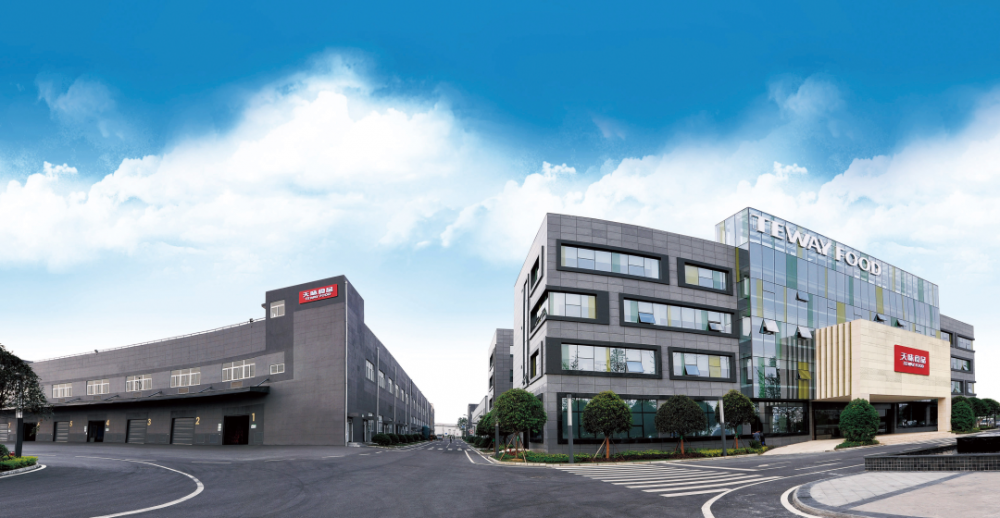
Core Insights - The Chinese condiment industry is entering a new phase focused on health, functionality, and complexity, shifting competition from scale expansion to quality and structural optimization [1] - Tianwei Foods, as a leader in compound condiments, has shown a clear "first suppressed, then rebounded" trajectory in its annual performance, with a strong recovery in revenue and profit by Q3 due to effective strategic implementation [1] Product Matrix: Innovation and Iteration - The company employs a dual-driven strategy of "big product iteration + scenario-based innovation" to solidify its base and explore new growth points [3] - In the hot pot base category, the launch of the "Thick Hot Pot Series" in Q3 led to a significant market response, with single-season revenue reaching 379 million, a 25% year-on-year increase [5] - The company has also introduced small-sized, multi-flavor combinations to capture the rising trend of single-person meals and takeout, appealing to younger consumers [5] - Revenue in the recipe-style Chinese condiment segment grew 5.26% year-on-year to 1.339 billion, driven by health-focused innovations like the "Fresh Soup Material" series [5] - Strategic acquisitions, such as "Add Flavor" and "One Flavor Enjoy," have enhanced the company's product matrix and service capabilities in the restaurant supply chain [5] Channel Innovation: Synergy and Efficiency - The company has built an efficient marketing network through a combination of explosive online growth and refined offline strategies [8] - Online channels have become a significant growth engine for 2025, leveraging partnerships with content e-commerce platforms like Douyin and Xiaohongshu for effective consumer engagement [8] - In the eastern developed regions, revenue grew 35.56% year-on-year in Q3, while targeted marketing activities in western and central regions are expected to boost performance in the upcoming peak season [8] Strategic Determination of the Controlling Shareholder - The controlling shareholder's commitment to long-term value is evident through a zero-reduction policy since the company's listing and a high dividend plan for the next three years [10] - The company remains focused on its core business of compound condiments, investing in health and functionality product development to maintain a leading position in innovation [10] Industry Insights: Platformization and Trend Positioning - Tianwei Foods' path for 2025 highlights two key insights for industry leaders: the importance of platformization and precise trend positioning [11] - The company has established a comprehensive condiment solution platform covering both C-end and small B-end markets, with proactive overseas expansion opening new growth opportunities [11] - The industry's shift towards health (demand for low-salt and zero-additive products) and channel fragmentation (increasing online and small B-end market share) aligns with Tianwei's strategic focus on product health upgrades and comprehensive channel development [11]

交银国际每日晨报-20251120
BOCOM International· 2025-11-20 01:42
Core Insights - The report highlights the strong leadership position of Haitian Flavor Industry in the Chinese condiment market, emphasizing its robust brand barriers and significant market share in soy sauce (13.2%) and oyster sauce (40.2%) [1][2] - The company is expected to benefit from the ongoing health-oriented product upgrades and the integration of online and offline channels, which are reshaping the industry [1][2] - The report initiates a "Buy" rating with a target price of HKD 39.00, indicating a potential upside of 19.8% from the current price of HKD 32.64 [1][2] Industry Overview - The Chinese condiment industry is characterized by steady growth and low concentration, presenting opportunities for consolidation [1] - The industry is undergoing a transformation towards healthier products, which is likely to optimize product structures and expand niche markets [1][2] - The distribution network is extensive, with over 6,700 distributors ensuring stable sales across major regions in China [2] Company Performance and Projections - Haitian Flavor Industry is projected to achieve approximately 8% compound annual growth rate (CAGR) in revenue from 2024 to 2027, driven by restaurant channel recovery, product innovation, and overseas expansion [2] - The company’s overseas revenue is expected to grow at a double-digit CAGR over the next three years, increasing its share of total revenue [2] - Improvements in gross margin and operating profit margin are anticipated due to declining raw material costs and efficiency enhancements, with net profit expected to maintain a growth rate of around 10% [2]
批发市场,没落了
投资界· 2025-06-26 02:33
Core Viewpoint - The wholesale market, once a vital component of the distribution channel, is experiencing a decline due to various factors, including increased competition from e-commerce and changes in supply chain dynamics [5][11][18]. Group 1: Current State of Wholesale Markets - Many wholesale markets are witnessing a significant drop in customer traffic and sales, with some merchants struggling to survive without brand agency partnerships [3][4]. - The traditional role of wholesale markets as a central hub for distribution is diminishing, as businesses are now focusing on stability rather than expansion [2][5]. Group 2: Reasons for Decline - **Channel Fragmentation**: The rise of online platforms and community group buying has made it easier for retailers to order directly, reducing the need to visit wholesale markets [12]. - **Self-built Supply Chains**: Large retailers and chains are increasingly sourcing directly from manufacturers, bypassing wholesale markets entirely [13]. - **Direct Control by Distributors**: Distributors are now establishing their own sales teams and controlling the supply chain directly, eliminating the need for traditional wholesale intermediaries [14]. - **Outdated Systems**: Many traditional wholesale markets are still using manual processes, making them inefficient in a rapidly digitizing industry [15][16]. Group 3: Future Outlook - While wholesale markets are not expected to disappear completely, their golden era has ended, and they must adapt to survive in a changing landscape [18][19]. - Some markets are attempting to transform into distribution centers or e-commerce warehouses, but this transition is likely to be challenging and uncertain [18].

批发市场,没落了
36氪· 2025-06-18 13:42
Core Viewpoint - The wholesale market in China is experiencing a significant decline, transitioning from a bustling hub of activity to a struggling sector as traditional business models are disrupted by digitalization and direct supply chains [4][9][28]. Group 1: Market Decline - Many wholesale markets are witnessing a drastic reduction in foot traffic and sales, with some merchants reporting a nearly 50% drop in revenue [16][19]. - The traditional role of wholesale markets as central distribution points is diminishing, as brands and retailers increasingly opt for direct supply models, bypassing wholesalers [20][22]. - The shift towards online platforms and B2B services has made it easier for retailers to source products directly, further eroding the relevance of physical wholesale markets [19][24]. Group 2: Changing Business Dynamics - The competitive landscape has shifted from location-based advantages to system capabilities, with businesses needing to enhance their digital presence and operational efficiency [31]. - Traditional wholesale markets are often outdated, relying on manual processes that do not align with the current demands for digitalization and precision marketing [26][27]. - The emergence of new B2B platforms is expected to further consolidate the roles of distributors and wholesalers, leading to a more streamlined supply chain that excludes traditional markets [24][28]. Group 3: Future Outlook - While wholesale markets are not expected to disappear entirely, their golden era is over, and they must adapt to survive in a rapidly changing environment [28][30]. - Some markets are attempting to pivot by transforming into distribution centers or e-commerce hubs, but this transition is likely to be challenging and uncertain [30][31]. - The need for proactive adaptation is critical; businesses that cling to outdated models risk becoming increasingly marginalized in the evolving market landscape [32].