理财配置

Search documents
——居民资产负债表系列之一:理财配置有何变化?
Huafu Securities· 2026-03-17 09:33
Group 1: Financial Trends - In 2025, the balance of bank wealth management products reached 33.3 trillion yuan, with a year-on-year growth rate of 11.2%[4] - The number of individual investors increased by 17.69 million, a year-on-year growth of 14.3%, reaching a total of 143 million investors[4] - Wealth management funds shifted towards deposits, increasing their allocation to cash and public funds while reducing bond assets[4] Group 2: Product Supply Changes - The scale of fixed-income products reached 32.3 trillion yuan, an increase of 3.2 trillion yuan from the previous year, while cash management products decreased by 0.26 trillion yuan[5] - The proportion of low-risk products fell to 27.9%, while medium-low risk products slightly increased to 67.9%[5] - The share of minimum holding period products increased, while daily open products saw a decline in proportion[5] Group 3: Returns on Wealth Management Products - The average yield of wealth management products dropped to 1.98%, a decrease of 0.67% from the previous year, despite total revenue increasing to 730.3 billion yuan[5] - R1 (low-risk) products saw yields decline from approximately 1.9% to around 1.4%, while R3-R5 products showed an upward trend[5] - "Fixed income plus" products did not outperform pure fixed income, with a yield gap of about 20 basis points at year-end[5]
影响万亿市场!最新解读来了
Zhong Guo Ji Jin Bao· 2026-01-06 14:59
Core Viewpoint - The new regulations on public fund sales are expected to enhance the focus of bank wealth management on equity funds, while also reducing investor costs and improving the overall investment environment [1][2]. Group 1: Impact of New Regulations - The new regulations will lower subscription and service fees for public funds, which will help reduce costs for wealth management allocations [2][3]. - The flexibility in redemption fees and the extension of the transition period to 12 months will significantly ease liquidity constraints for wealth management products [2][3]. - The new rules aim to shift the industry focus from short-term gains to long-term holdings, promoting a more sustainable investment environment [2][3]. Group 2: Changes in Asset Allocation - There is an anticipated shift in the asset allocation structure of bank wealth management, with a greater emphasis on equity funds while maintaining bond funds as a stable base [4][5]. - The reduction in fees for index funds is expected to increase the willingness to allocate to these funds, enhancing their share in the overall portfolio [4][5]. - The demand for mixed funds and other equity assets is likely to rise as investors seek to enhance returns in a low-interest-rate environment [4][5]. Group 3: Future Projections for Wealth Management - The scale of wealth management assets is projected to grow steadily, with an estimated increase of around 3 trillion yuan by the end of 2026, reaching between 36 trillion and 37 trillion yuan [7][8]. - The demand for low-volatility, stable products will remain strong, serving as a foundation for absorbing deposits transitioning to wealth management [7][8]. - The focus on "fixed income plus" products, which combine bond assets with equity investments, is expected to align well with investor needs in a low-interest-rate environment [7][8].
美联储降息利好兑现 理财留意短期调整压力
2 1 Shi Ji Jing Ji Bao Dao· 2025-09-18 12:11
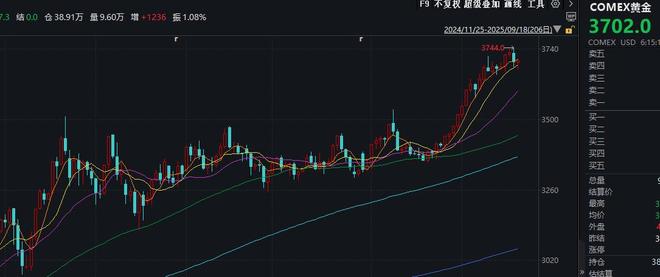
Core Viewpoint - The Federal Reserve has announced a 25 basis point cut in the federal funds rate, marking its first rate cut since December 2024, which is expected to trigger a new round of adjustments in global asset classes [1] Group 1: Impact on Assets - The Fed's rate cut is likely to lead to capital flow changes, currency fluctuations, and asset repricing, with the dollar index down 10.56% year-to-date and COMEX gold up 39.98% [1] - Following the rate cut, gold prices experienced a slight decline, indicating a potential profit-taking phase after the initial positive reaction [1] - Historical data suggests that gold prices typically see small gains or remain stable in the week following a Fed rate cut, with significant positive returns observed one and three months later [3] Group 2: Currency and Interest Rates - The depreciation of the dollar has led to the appreciation of non-dollar currencies, with the Chinese yuan rising from 7.3506 to approximately 7.1 against the dollar since April [3] - The potential for further depreciation of deposit rates exists, as the domestic monetary policy may follow the Fed's lead, which could result in lower bond yields and benefit fixed-income products [6] - If the yuan continues to appreciate, the foreign exchange risk for currency-based investments may increase, although the short-term appreciation potential appears limited [5] Group 3: Market Outlook - The Fed's rate cut opens up further "easing" space for domestic monetary policy, which could lead to continued downward pressure on deposit rates and support for bond markets [6] - Global risk assets may benefit from a valuation recovery window, with more funds potentially flowing into emerging markets as the Fed's actions lower global risk-free rates [7] - The A-share and Hong Kong stock markets may see increased interest if the Fed continues to cut rates and the yuan appreciates, benefiting equity-related products [7]

债市收益率回调 理财公司发“定心丸”
Bei Jing Shang Bao· 2025-07-31 16:47
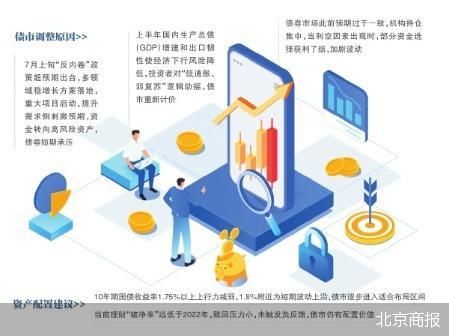
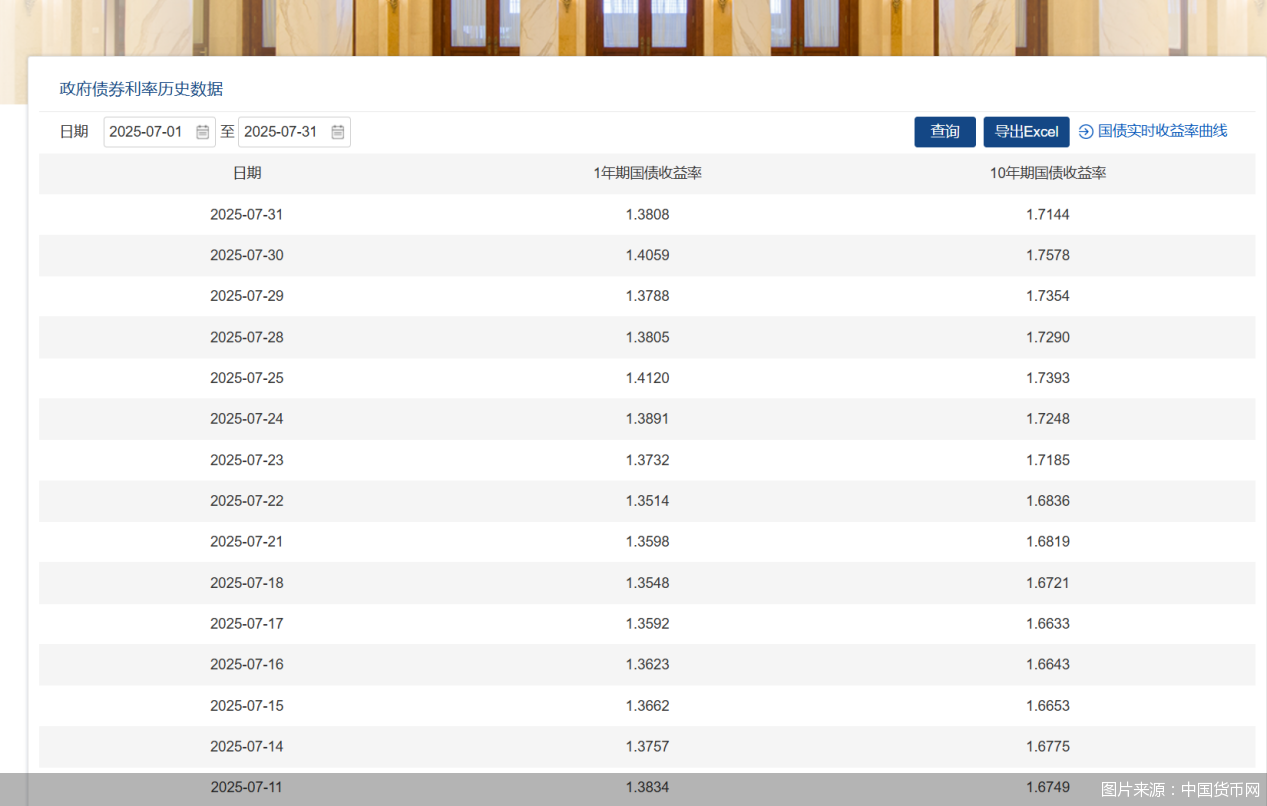
Core Viewpoint - The bond market has entered an adjustment phase, with the 10-year government bond yield rising from 1.6653% on July 15 to 1.7578% on July 30, before retreating to 1.7144% on July 31. This adjustment has impacted fixed-income wealth management products, leading to a decrease in their yields [3][4][5]. Market Adjustment Impact - The adjustment in the bond market has led to a decline in the average annualized yield of open-ended fixed-income wealth management products to 2.81%, a decrease of 0.23 percentage points compared to the previous month [3][4]. - As of July 21-27, the number of existing wealth management products increased by 245 to a total of 27,803, accounting for 68.45% of the market [3]. Investor Sentiment and Reactions - Many investors have expressed concerns over declining yields, with some considering redeeming their products due to perceived losses [3][4]. - Wealth management companies have emphasized that the current market adjustment is within a reasonable range and advised investors to remain calm and avoid panic selling [4][7]. Economic and Policy Context - The adjustment is attributed to multiple factors, including the unexpected introduction of "anti-involution" policies and the launch of major infrastructure projects, which have shifted market sentiment towards higher-risk assets [4][5]. - The People's Bank of China has taken measures to support market liquidity, including a significant reverse repo operation, which is seen as a positive factor for bond market stability [7]. Long-term Outlook - Despite the current pressures, several wealth management firms maintain a positive outlook for the medium to long-term bond market, citing ongoing economic recovery and the fundamental support for bond pricing [5][6]. - Historical data suggests that a majority of wealth management products tend to recover their net value within one to two months following a market adjustment [7][8]. Investment Strategy Recommendations - Wealth management firms recommend a balanced investment approach, suggesting that investors allocate smaller amounts for higher returns while keeping larger amounts in stable assets to mitigate risks [8]. - The current market conditions are viewed as an opportunity to invest in high-quality assets, with the overall redemption pressure on bank wealth management products remaining relatively low compared to previous years [8].
收益率回调别慌!理财公司齐发“定心丸” 债市调整下投资者如何布局
Bei Jing Shang Bao· 2025-07-31 15:40
Group 1: Market Overview - The bond market has experienced adjustments since July, with the 10-year government bond yield rising to around 1.75%, impacting fixed-income products [1][3] - As of July 31, the 10-year government bond yield was reported at 1.7144%, having increased from 1.6653% on July 15 and peaked at 1.7578% on July 30 [3][2] - The average annualized yield of open-ended fixed-income wealth management products decreased by 0.23 percentage points to 2.81% during the last month [3] Group 2: Investor Sentiment and Reactions - Many investors have felt the impact of declining yields, with some considering redeeming their fixed-income products due to lower returns [3][4] - Financial institutions have collectively emphasized that the current market adjustments are within a reasonable range and investors should not panic [4][6] Group 3: Economic and Policy Factors - The adjustment in the bond market is attributed to multiple factors, including the unexpected introduction of "anti-involution" policies and the launch of major infrastructure projects, which have shifted market sentiment towards riskier assets [4][5] - The People's Bank of China conducted a reverse repurchase operation of 789.3 billion yuan on July 25, indicating a proactive monetary policy to support market liquidity [6][7] Group 4: Long-term Outlook - Despite short-term pressures, several financial institutions maintain confidence in the medium to long-term outlook for the bond market, citing ongoing economic recovery and fundamental support [5][8] - Historical data suggests that over 70% of fixed-income products that experienced a decline in net value have recovered within two months, indicating resilience in the market [7][8]
12年,给大家赚了5004亿!网友刷屏了
Zhong Guo Ji Jin Bao· 2025-07-02 03:10
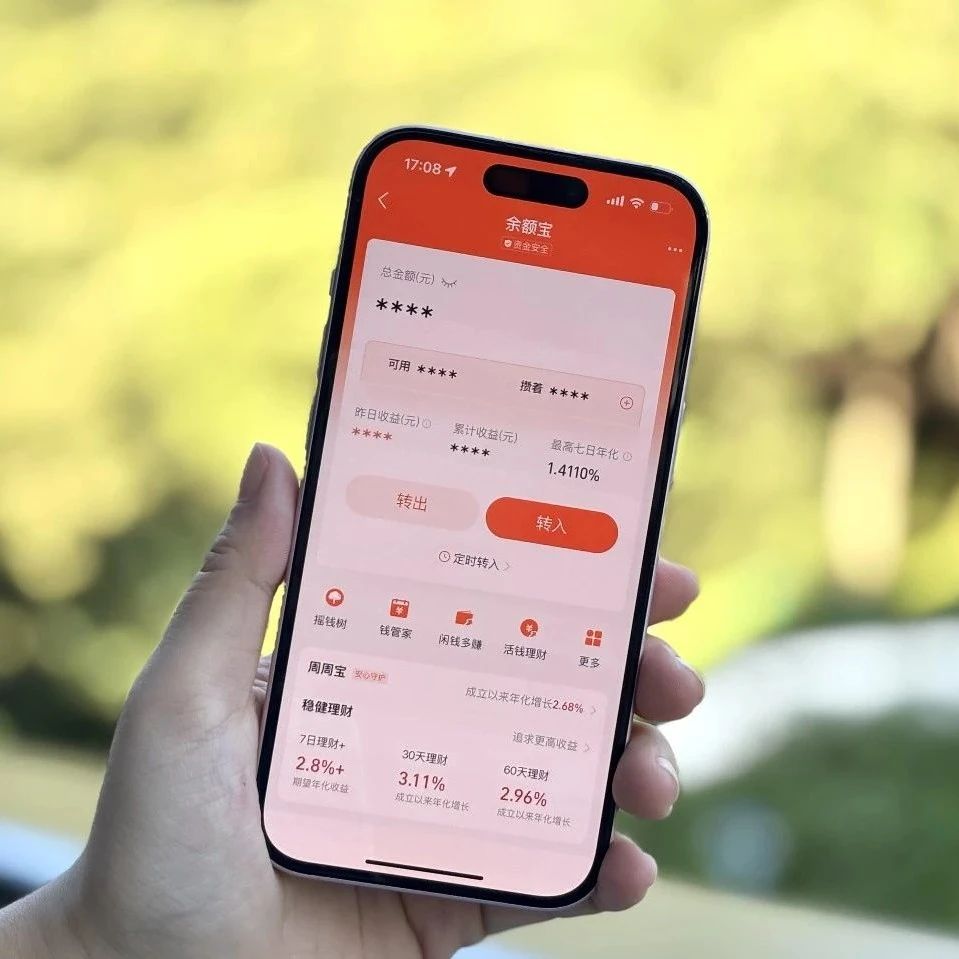
Core Insights - Yu'ebao has been a significant financial tool for many individuals over the past 12 years, providing a stable return and facilitating the transition from saving to diversified investment [1][4][10] Group 1: Product Overview - Launched in June 2013, Yu'ebao quickly gained popularity by offering a user-friendly experience with a minimum investment of 1 yuan and daily returns, making it accessible to the general public [1][4] - Over 12 years, Yu'ebao has generated a total of 500.4 billion yuan in earnings for its users, averaging about 100 million yuan in daily returns [4][5] - The product has evolved from a simple savings tool to a foundational asset in diversified investment strategies, with users increasingly viewing it as a "base" for their financial portfolios [9][10] Group 2: User Behavior and Trends - The new service "Cangzhe" has gained traction, allowing users to transfer funds into higher-yielding money market funds, helping them manage spending habits [3][7] - A significant portion of older users (over 80%) continue to actively use Yu'ebao, with more than 60% prioritizing stable investment options [7][9] - The concept of "New Three Golds" has emerged, where younger investors are diversifying their portfolios to include money market funds, bond funds, and gold funds, reflecting a shift in investment strategies [9][10] Group 3: Market Context - The overall money market fund market in China has seen substantial growth, surpassing 14 trillion yuan by May 2025, compared to just 2.41 trillion yuan in June 2015 [7] - With declining interest rates, traditional savings accounts have become less attractive, leading to increased interest in higher-yielding money market funds like Yu'ebao [7][9] - Yu'ebao has played a crucial role in enhancing financial literacy among the public, helping users understand basic investment concepts and fostering a culture of financial management [6][10]

12年,给大家赚了5004亿!网友刷屏了
中国基金报· 2025-07-02 02:57
Core Viewpoint - Yu'ebao has evolved from a simple savings tool to a comprehensive financial management platform over the past 12 years, significantly impacting the financial habits of a generation [2][15]. Group 1: Historical Context and Development - Launched in June 2013, Yu'ebao quickly became popular due to its low entry barrier of 1 yuan, flexible withdrawals, and daily interest accrual, making it accessible for many first-time investors [7][9]. - Over 12 years, Yu'ebao has generated a total of 500.4 billion yuan in earnings for users, averaging about 100 million yuan per day [6][7]. - The product has played a crucial role in popularizing money market funds in China, transitioning them from niche to mainstream financial products [11][15]. Group 2: User Behavior and Trends - The new service "Cangzhe" has gained traction, allowing users to transfer funds into higher-yielding money market funds, helping them manage spending impulses [4][5]. - Many long-time users are diversifying their investments beyond Yu'ebao, incorporating products like bond funds and gold ETFs into their financial strategies [5][10]. - A survey indicated that over 80% of long-term users still actively use Yu'ebao, with a significant portion prioritizing stable investment options [12]. Group 3: Financial Education and Awareness - Yu'ebao has contributed to enhancing financial literacy among the general public, helping users understand basic investment concepts and risk management [9][15]. - The platform has facilitated a shift in user mindset from merely saving money to actively managing and diversifying investments [14][15]. - Users have reported that Yu'ebao serves as both a financial management tool and an educational resource, fostering a culture of informed investing [9][15].